 EN
EN


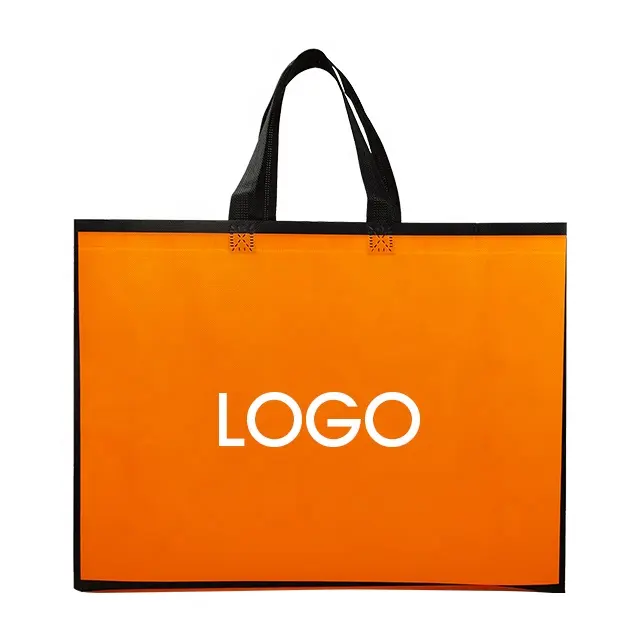
The shift toward sustainability has made eco-friendly bags a cornerstone of modern retail and grocery operations. Business owners and consumers alike question whether eco-friendly bags can withstand the rigorous demands of daily use without compromising quality or requiring frequent replacement. This concern is legitimate, as traditional plastic bags have set a low bar for durability while creating massive environmental problems. Understanding the true performance capabilities of eco-friendly bags is essential for retailers making purchasing decisions and customers seeking reliable, sustainable alternatives.
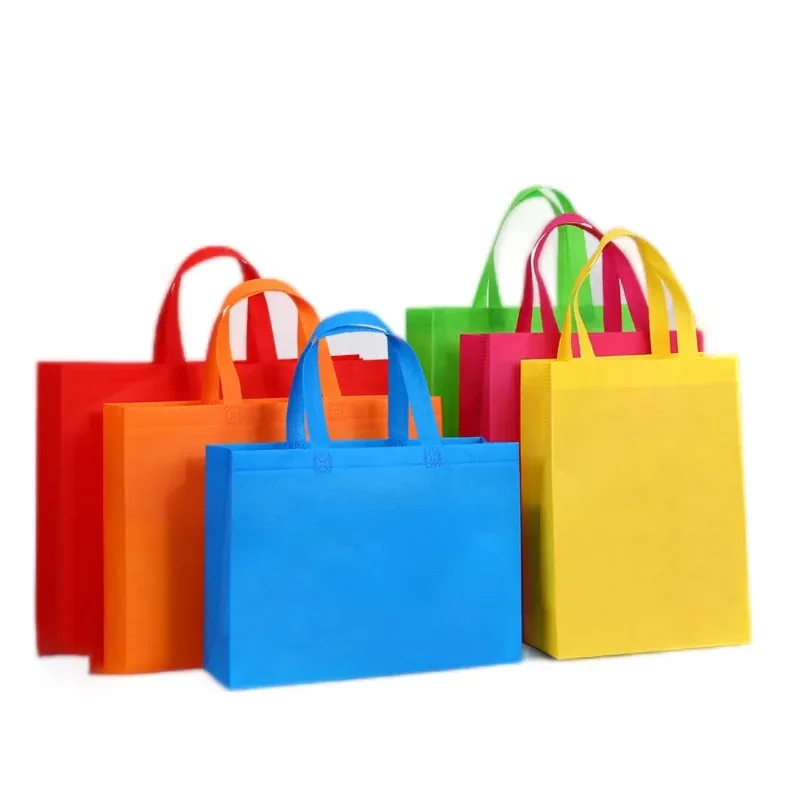
Modern eco-friendly bags have evolved significantly from earlier iterations, incorporating advanced materials and construction techniques that rival conventional bags in strength and longevity. Retailers who switch to eco-friendly bags often discover they offer superior value over time, with proper selection and use. The key lies in understanding which eco-friendly bags are engineered for commercial retail environments and which materials deliver genuine durability under pressure.
Material Strength and Construction Quality
Understanding Core Material Performance
Eco-friendly bags manufactured from high-quality recycled materials, organic cotton, or non-woven polypropylene deliver exceptional strength when properly constructed. Unlike thin plastic bags that tear under minimal load, premium eco-friendly bags use thicker fabric layers and reinforced seams designed to withstand repeated use and heavy contents. The material density directly impacts durability; thicker non-woven fabrics used in commercial eco-friendly bags typically weigh between 80 and 120 grams per square meter, providing structural integrity comparable to or exceeding single-use alternatives.
Seam Engineering and Weight Capacity
Professional eco-friendly bags incorporate reinforced seams, boxed corners, and double-stitched construction that distributes stress across multiple threads rather than concentrating failure points. This engineering approach means eco-friendly bags can carry 15 to 25 pounds of groceries or retail goods without stretching, tearing, or developing permanent deformation. Retail-grade eco-friendly bags often feature reinforced handles made from the same durable material, eliminating the weak points where standard plastic bags typically fail first.
Real-World Durability Testing and Performance
Commercial Use Expectations
Supermarkets, grocery chains, and retail businesses using eco-friendly bags report that quality versions withstand 50 to 100 shopping trips before showing visible wear. This lifespan dramatically exceeds single-use plastic bags and represents genuine economy for retailers offering eco-friendly bags as reusable options. Studies tracking eco-friendly bags in active grocery environments show they maintain structural integrity through repeated washing, drying, and practical use over months of regular handling.
Wear Patterns and Maintenance
Eco-friendly bags designed for retail use exhibit predictable wear patterns that appear only after extensive use. Minor fading, slight softening of fabric texture, and small surface abrasions occur naturally but do not compromise functionality. Most eco-friendly bags remain fully usable even after visible wear begins, unlike plastic bags that suddenly rupture without warning. Customers who wash eco-friendly bags periodically report they maintain their structural integrity and appearance for 12 to 24 months with proper care.
Cost-Benefit Analysis and Long-Term Value
Comparing Total Cost of Ownership
Retailers evaluating eco-friendly bags must consider total cost rather than unit price alone. While eco-friendly bags cost more per unit than disposable plastic alternatives, their multi-year lifespan and reusability eliminate replacement expenses. A customer purchasing five eco-friendly bags for household use might otherwise purchase hundreds of single-use plastic bags annually, making eco-friendly bags the economical choice despite higher upfront cost.
Environmental and Brand Value
Beyond durability metrics, eco-friendly bags strengthen retail brand positioning and customer loyalty. Businesses offering durable eco-friendly bags demonstrate environmental commitment while reducing their own waste disposal costs. Eco-friendly bags serve as mobile advertisements, carrying store logos and messages throughout communities, providing marketing value that single-use bags cannot match. This combination of durability, sustainability, and brand benefit makes eco-friendly bags a strategically sound investment for forward-thinking retailers.
FAQ
How many times can eco-friendly bags be reused before failing?
Premium eco-friendly bags built for retail use typically withstand 50 to 100 reuses or more before requiring replacement. Actual lifespan depends on material quality, construction standards, contents weight, and maintenance practices. Commercial-grade eco-friendly bags can last 12 to 24 months with regular use and proper washing, far exceeding the expectations set by single-use plastic bags.
Are eco-friendly bags suitable for heavy grocery loads?
Yes, quality eco-friendly bags engineered for retail applications safely carry 15 to 25 pounds of groceries without tearing or permanent damage. Reinforced handles, double-stitched seams, and thicker material construction allow eco-friendly bags to support substantial weight loads. Retailers should select eco-friendly bags specifically designed for commercial use rather than lightweight versions intended for light-duty applications to ensure reliability.
Do eco-friendly bags maintain durability after washing?
Properly made eco-friendly bags retain full structural integrity through multiple wash cycles. Washing eco-friendly bags in warm water with mild detergent and air-drying preserves fabric strength and extends lifespan significantly. Eco-friendly bags actually benefit from periodic cleaning, which removes debris and prevents material degradation, unlike plastic bags that cannot be effectively cleaned without risk of damage.