 EN
EN


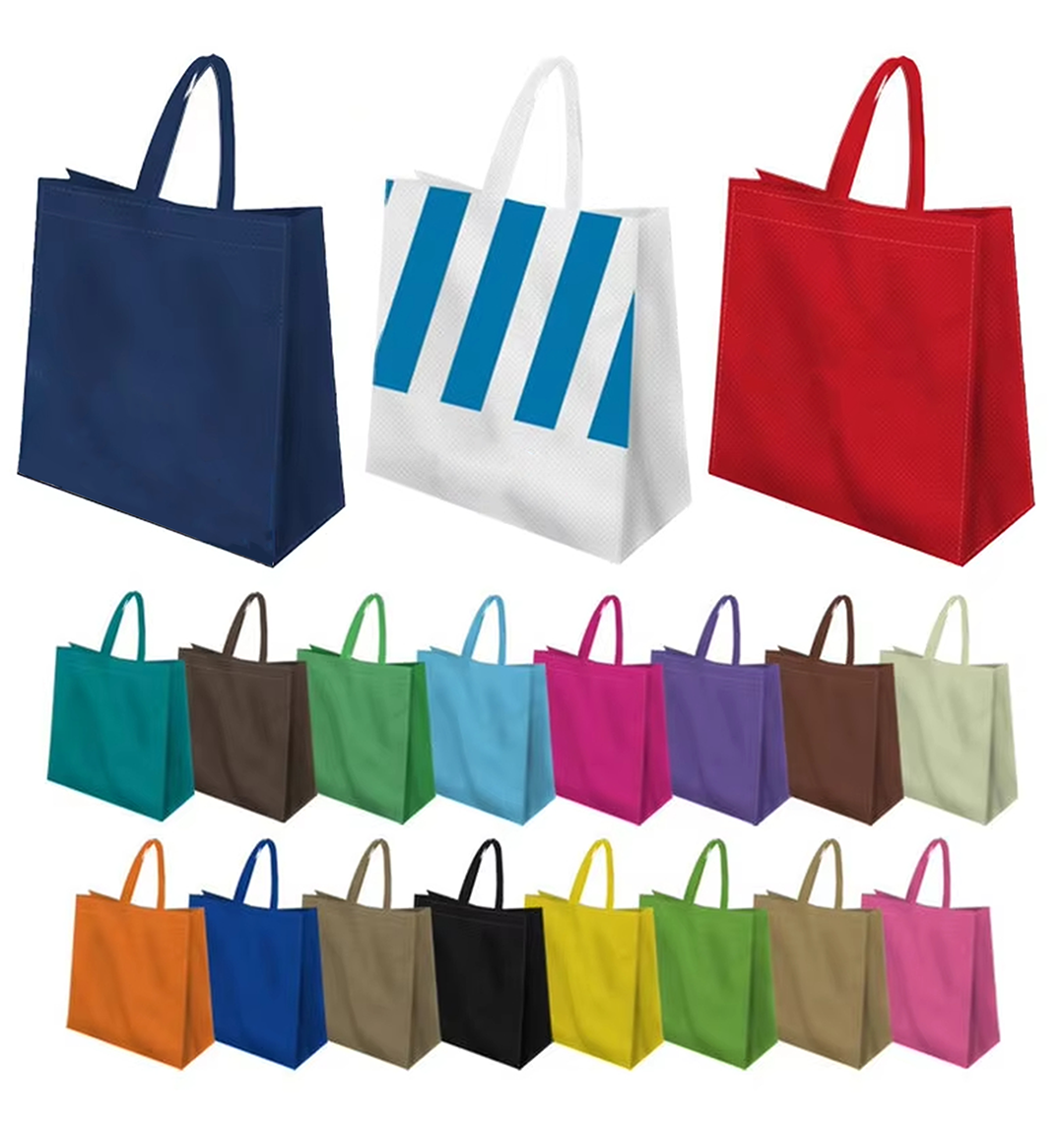
When buyers and brand managers evaluate reusable packaging options, one of the most common questions is whether a non-woven shopping bag can genuinely hold up under heavy-duty conditions. The short answer is yes — but the full picture depends on fabric weight, construction quality, and how the bag is designed. Understanding these variables helps procurement teams and retailers make smarter sourcing decisions rather than guessing at performance based on appearance alone.
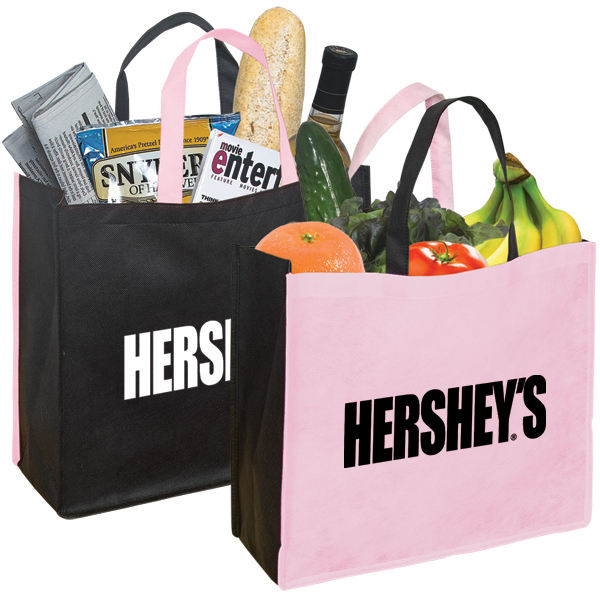
A non-woven shopping bag is made from bonded polypropylene fibers rather than woven threads, which gives it a distinctive texture and structural flexibility. This manufacturing process allows the non-woven shopping bag to be produced in a wide range of fabric weights, typically measured in grams per square meter (GSM). The GSM rating is the single most important factor in determining whether a non-woven shopping bag is appropriate for carrying heavy or bulky items. A non-woven shopping bag produced at 80 GSM or above typically demonstrates the kind of structural integrity needed for heavy grocery loads, promotional retail use, and repeated daily handling.
The Structural Strength of a Non-Woven Shopping Bag
Fabric Weight and Load Capacity
The load-bearing performance of a non-woven shopping bag is directly tied to its GSM value. A non-woven shopping bag manufactured at 60 GSM is lightweight and suitable for light promotional use, but it lacks the fiber density to sustain heavy loads over time. In contrast, a non-woven shopping bag at 90 to 120 GSM offers significantly greater resistance to tearing, puncturing, and stitching failure. For heavy-duty applications such as supermarket checkout bags or large retail tote bags, sourcing a non-woven shopping bag in the 90–120 GSM range is a practical and cost-effective choice. Many suppliers offer the non-woven shopping bag in these heavier grades without a substantial price increase, making it a viable option even for bulk orders.
Stitching, Handles, and Reinforcement Points
Beyond fabric weight, the construction quality of a non-woven shopping bag determines its real-world durability. The handle attachment points are the most stress-prone areas in any non-woven shopping bag. Double-stitched seams and reinforced bottom gussets are critical features that extend the working life of a non-woven shopping bag under load. A non-woven shopping bag with a flat bottom panel and side gussets can accommodate bulkier items without distorting its shape. When evaluating a non-woven shopping bag for heavy-duty use, inspecting handle length, strap width, and stitch density gives a reliable indication of how well the bag will perform in real conditions. Wider straps distribute weight more comfortably, which matters when the non-woven shopping bag is used for heavy grocery or hardware purchases.
Performance Across Real-World Use Cases
Grocery, Retail, and Industrial Contexts
The non-woven shopping bag has proven its utility across a broad range of commercial environments. In grocery retail, the non-woven shopping bag is routinely used to carry canned goods, bottles, and produce loads that collectively weigh five to ten kilograms. A well-constructed non-woven shopping bag at adequate GSM handles this demand reliably across dozens of uses before showing wear. In fashion retail, the non-woven shopping bag is used as a branded gift bag or a customer carry-out option, where presentation matters alongside durability. For trade shows and promotional events, the non-woven shopping bag is often filled with product samples, printed materials, and branded merchandise, all of which add up in total weight. In each of these scenarios, the non-woven shopping bag performs well when its production specifications match the load requirements of the intended use.
Reusability and Long-Term Value
One of the strongest arguments for using the non-woven shopping bag in heavy-duty applications is its reusability. A single non-woven shopping bag at high GSM can withstand dozens of uses before the fabric or seams begin to degrade. This longevity directly contributes to the value per use calculation that purchasing managers use when comparing disposable and reusable packaging options. The non-woven shopping bag also resists moisture better than paper alternatives, which is important when carrying chilled or damp products. Its lightweight nature relative to fabric bags makes the non-woven shopping bag easier for customers to carry and store, increasing the likelihood of repeat use. Over time, a durable non-woven shopping bag delivers a much lower cost per use than a lower-grade alternative that fails after a few trips.
Key Factors When Selecting a Heavy-Duty Non-Woven Shopping Bag
Matching Specifications to Application Requirements
Not every non-woven shopping bag is built with heavy-duty performance as the primary goal. To ensure the right outcome, buyers should specify a minimum GSM threshold in their sourcing requirements. For general heavy-duty retail use, a non-woven shopping bag at 90 GSM with reinforced handles represents a practical baseline. For industrial or trade event applications where the non-woven shopping bag must carry dense or sharp-edged items, 110 GSM or above with a laminated interior adds an extra layer of protection. Laminated non-woven shopping bag options also improve water resistance and make the surface easier to clean, which adds value for food retail contexts. Verifying these specifications with the supplier before placing a bulk order ensures that the non-woven shopping bag delivered matches the actual performance expectations of the buyer.
Customization Without Compromising Durability
A common concern among brand managers is whether customization — such as printing, dyeing, or adding pockets — reduces the structural strength of the non-woven shopping bag. In most cases, surface printing on a non-woven shopping bag does not compromise its core strength, especially when the fabric weight is already at heavy-duty grade. Color treatments applied to the non-woven shopping bag during manufacturing are generally stable and do not weaken the fiber bond. Adding internal pockets or exterior loops to a non-woven shopping bag requires additional stitching, which, if done properly, actually reinforces rather than weakens the structure. Custom designs are fully compatible with heavy-duty performance as long as the non-woven shopping bag is built on a high-GSM base fabric and assembled with quality stitching standards throughout.
FAQ
What GSM should a non-woven shopping bag be for heavy-duty use?
For heavy-duty use, a non-woven shopping bag should have a minimum fabric weight of 90 GSM. For applications involving dense or sharp items, 110 GSM or higher is recommended. A non-woven shopping bag at lower GSM values is better suited to light promotional purposes rather than sustained heavy loads.
How many times can a non-woven shopping bag be reused?
A quality non-woven shopping bag at 90 GSM or above can typically withstand 50 or more uses under normal load conditions. The actual lifespan of a non-woven shopping bag depends on how it is handled, stored, and cleaned, as well as the quality of its stitching and handle construction.
Is a laminated non-woven shopping bag stronger than a standard one?
A laminated non-woven shopping bag adds a protective surface layer that improves moisture resistance and makes the bag easier to clean, but the core strength of the non-woven shopping bag still comes from its GSM rating and stitch construction. Lamination is a useful upgrade for food or chilled product contexts, but it works best when the underlying non-woven shopping bag fabric is already at a heavy-duty weight grade.