 EN
EN


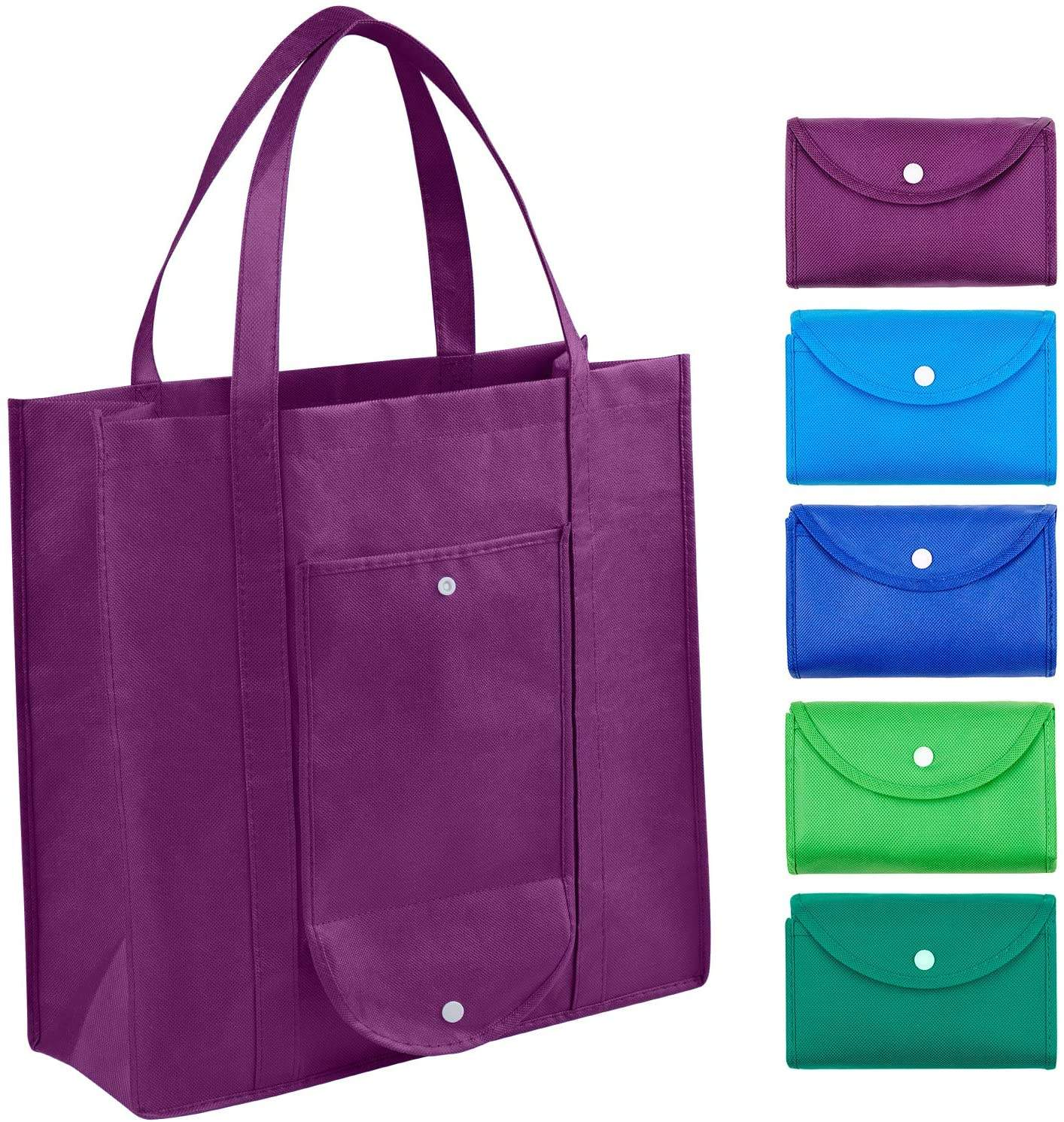
The demand for eco-friendly bags has surged as businesses and consumers prioritize environmental responsibility and brand differentiation. Understanding the wide range of customization options available for eco-friendly bags enables organizations to create distinctive products that align with their sustainability goals while maintaining strong brand visibility. These customization possibilities span material selection, printing techniques, structural modifications, and functional enhancements that transform standard eco-friendly bags into powerful marketing tools and practical solutions.
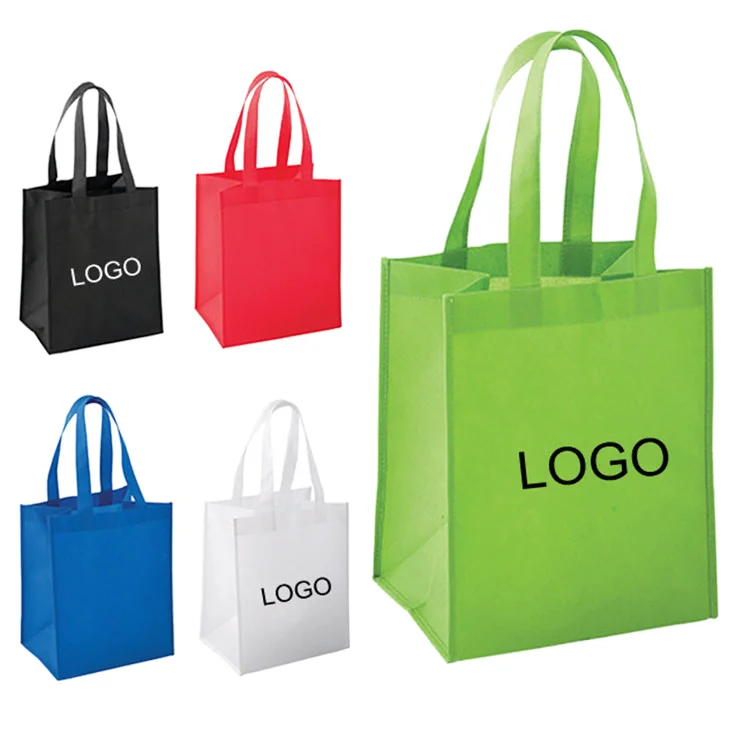
Customization flexibility represents a critical advantage of modern eco-friendly bags, allowing businesses to balance environmental consciousness with brand expression and functional requirements. From basic logo placement to comprehensive design overhauls, the customization spectrum accommodates various budget levels, quantity requirements, and aesthetic preferences. This comprehensive approach to personalization ensures that eco-friendly bags serve multiple purposes beyond simple carrying functions, becoming effective brand ambassadors and conversation starters that reinforce environmental commitments.
Material Customization and Substrate Options
Natural Fiber Variations
Cotton represents the most versatile foundation for eco-friendly bags customization, offering numerous weight options from lightweight 4oz canvas to heavy-duty 16oz materials. Organic cotton provides premium positioning while maintaining excellent printability and durability characteristics. Canvas textures range from smooth surfaces ideal for detailed graphics to textured weaves that create distinctive tactile experiences and visual depth.
Jute and burlap materials deliver rustic aesthetics perfect for agricultural, artisanal, or outdoor brands seeking authentic environmental messaging. These coarser fibers accept specialized printing techniques and can be combined with cotton panels for enhanced comfort and functionality. Hemp alternatives provide exceptional durability while supporting sustainable agriculture practices, though printing requirements differ from traditional cotton approaches.
Synthetic Sustainable Materials
Recycled polyester derived from plastic bottles creates eco-friendly bags with superior weather resistance and vibrant color retention. These materials support circular economy principles while offering consistent printing surfaces and predictable shrinkage characteristics. Non-woven polypropylene alternatives provide cost-effective customization platforms with excellent print coverage and structural stability for promotional applications.
Biodegradable polymer blends represent emerging customization substrates that decompose safely while maintaining functional performance during typical usage periods. These materials require specialized printing inks and processes but offer unique selling propositions for brands emphasizing complete lifecycle environmental responsibility. Paper-based alternatives with protective coatings create disposable eco-friendly bags suitable for short-term promotional campaigns and food service applications.
Printing and Graphics Customization Methods
Screen Printing Techniques
Screen printing remains the gold standard for high-volume eco-friendly bags customization, delivering exceptional color saturation and durability through multiple wash cycles. This technique accommodates complex multi-color designs while maintaining cost efficiency for quantities exceeding 500 units. Specialty inks including water-based, discharge, and puff formulations create diverse visual and tactile effects that enhance brand recognition.
Plastisol alternatives provide vibrant colors with excellent opacity over dark bag materials, though environmental considerations favor water-based ink systems for truly sustainable customization approaches. Foil application through screen printing creates metallic accents and premium positioning effects, while glow-in-the-dark inks add novelty elements for entertainment and safety applications.
Digital Printing Applications
Direct-to-garment printing enables photo-realistic customization of eco-friendly bags with unlimited color palettes and intricate detail reproduction. This technique excels for small quantities, personalized designs, and complex imagery that would be cost-prohibitive through traditional screen printing methods. Print-on-demand capabilities eliminate inventory risks while supporting customization programs with variable data elements.
Sublimation printing on polyester eco-friendly bags creates permanent, fade-resistant graphics that integrate completely with bag fibers. This process supports full-coverage designs and photographic quality reproduction, making it ideal for fashion applications and artistic collaborations. Heat transfer vinyl applications provide crisp text and simple graphics with excellent durability and professional appearance.
Structural and Functional Customization Features
Handle and Closure Modifications
Handle customization significantly impacts both aesthetics and functionality of eco-friendly bags, with options ranging from standard cotton webbing to premium leather alternatives. Padded handles enhance carrying comfort for heavier loads, while colored webbing creates brand coordination opportunities. Handle length variations accommodate different carrying preferences and usage scenarios from shoulder bags to tote configurations.
Drawstring closures transform basic tote designs into secure carry solutions perfect for gym equipment, laundry, or promotional giveaways. Zipper installations require careful material consideration but provide maximum security and weather protection. Magnetic snap closures offer convenient access while maintaining clean aesthetic lines that complement minimal design approaches.
Pocket and Compartment Integration
Interior pocket customization addresses specific usage requirements while adding perceived value to eco-friendly bags. Zippered security pockets protect valuables and important documents, while open pockets organize phones, pens, and business cards. Exterior pockets maintain easy access to frequently used items and create additional branding opportunities through contrasting materials or colors.
Laptop compartments with protective padding transform eco-friendly bags into professional carry solutions for business environments. Bottle holders and mesh pockets address fitness and outdoor applications, while specialized compartments for tablets, chargers, and cables appeal to technology-focused demographics. Divider systems create organized spaces for shopping trips and multipurpose applications.
Sizing and Dimensional Customization Parameters
Standard Size Modifications
Custom sizing allows eco-friendly bags to match specific application requirements while maintaining proportional aesthetics and structural integrity. Small format bags measuring 8x10 inches serve as elegant gift bags and promotional pieces, while large format options exceeding 20x15 inches accommodate grocery shopping and bulk carrying needs. Height adjustments create distinct silhouettes that differentiate brands within competitive markets.
Gusset width modifications significantly impact carrying capacity while affecting material usage and production costs. Narrow gussets create streamlined profiles suitable for books and documents, while wide gussets accommodate bulky items and three-dimensional products. Bottom panel customization provides structural support and creates opportunities for additional branding elements or care instructions.
Specialty Shape Development
Wine bag configurations require specific dimensional relationships to accommodate bottle shapes while providing adequate protection and elegant presentation. Tapered designs and reinforced bottoms address the unique requirements of beverage packaging while maintaining eco-friendly material advantages. Multi-bottle carriers incorporate divider systems and carrying comfort features.
Garment bag adaptations extend eco-friendly bags into professional and travel applications through extended length dimensions and hanging systems. Shoe bag configurations address athletic and travel markets with ventilation features and separation compartments. Conference bag formats balance document protection with networking functionality and professional appearance standards.
Color and Finish Customization Options
Natural Color Variations
Undyed natural materials showcase the inherent beauty of eco-friendly bags while supporting minimal processing environmental principles. Cotton variations range from bright white bleached options to warm cream and beige tones that complement earth-friendly branding approaches. Linen alternatives provide sophisticated neutral backgrounds that enhance printed graphics while maintaining premium positioning.
Natural color variations within single production runs create authentic artisanal character that appeals to consumers seeking unique products. These organic differences support storytelling opportunities about traditional manufacturing methods and sustainable sourcing practices. Seasonal color availability reflects agricultural cycles and reinforces environmental messaging through material selection narratives.
Dyed Color Customization
Low-impact dye processes enable vibrant color customization of eco-friendly bags without compromising environmental credentials. Fiber-reactive dyes create permanent coloration that withstands repeated washing while maintaining color intensity. Discharge dyeing techniques remove existing color for unique effects and enable complex color layering approaches.
Color matching services ensure brand consistency across different material substrates and production runs. Pantone color system integration provides precise color specification and quality control standards. Ombre and gradient effects create visual interest while supporting contemporary design trends and premium positioning strategies.
FAQ
What is the minimum order quantity for customized eco-friendly bags?
Minimum order quantities for customized eco-friendly bags typically range from 100 to 1,000 pieces depending on the complexity of customization and printing method selected. Screen printing generally requires higher minimums due to setup costs, while digital printing and heat transfer methods accommodate smaller quantities. Simple one-color designs often have lower minimums than complex multi-color artwork.
How long does the customization process take from design to delivery?
The customization timeline for eco-friendly bags generally spans 2-4 weeks from final design approval to delivery, depending on order complexity and quantity. Simple single-color designs may complete within 10-14 days, while complex multi-color or structural modifications require extended production periods. Rush orders are often available for additional fees, typically reducing timelines by 30-50 percent.
Can eco-friendly bags be customized with food-safe materials for grocery applications?
Yes, eco-friendly bags can be manufactured and customized using food-safe materials that meet FDA regulations for direct food contact. Food-grade coatings and linings provide barrier protection while maintaining customization options for logos and branding elements. However, specific material certifications and testing requirements may limit certain printing techniques and ink formulations.
What customization options work best for maximizing brand visibility on eco-friendly bags?
Maximum brand visibility on eco-friendly bags is achieved through high-contrast color combinations, strategic logo placement on both front and back panels, and consideration of bag usage patterns. Large format graphics on the main panel ensure visibility during carrying, while smaller branding elements on handles or gussets maintain brand presence when bags are set down. Reflective inks and embossed elements enhance visibility in various lighting conditions.
Table of Contents
- Material Customization and Substrate Options
- Printing and Graphics Customization Methods
- Structural and Functional Customization Features
- Sizing and Dimensional Customization Parameters
- Color and Finish Customization Options
-
FAQ
- What is the minimum order quantity for customized eco-friendly bags?
- How long does the customization process take from design to delivery?
- Can eco-friendly bags be customized with food-safe materials for grocery applications?
- What customization options work best for maximizing brand visibility on eco-friendly bags?