 EN
EN


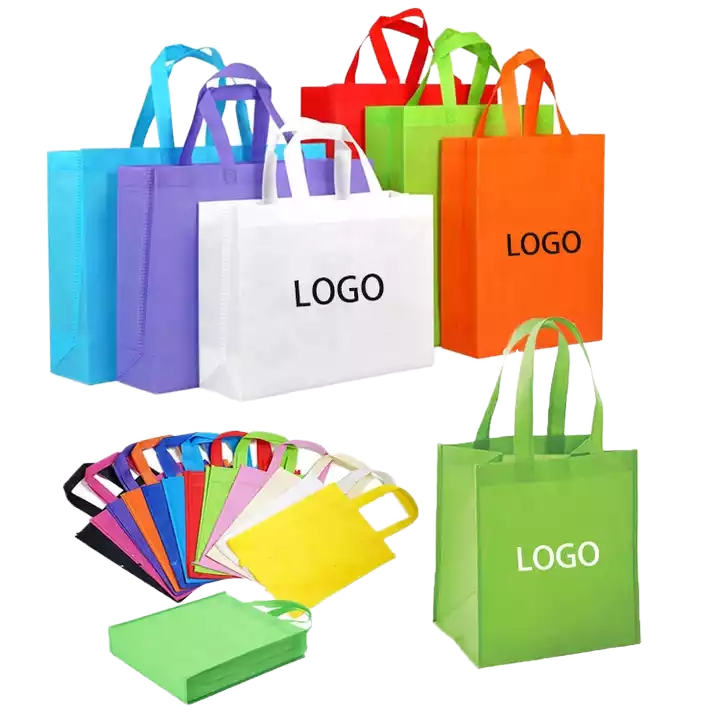
Designing a custom shopping bag requires careful consideration of multiple interconnected factors that directly impact functionality, brand representation, and customer satisfaction. The success of your custom shopping bag project depends on making informed decisions about materials, dimensions, printing techniques, handle configurations, and environmental considerations that align with your specific business objectives and target audience expectations.

Understanding these design factors before production begins ensures your custom shopping bag delivers optimal performance while effectively representing your brand identity. Each design element influences not only the bag's aesthetic appeal but also its durability, cost-effectiveness, and environmental impact throughout its lifecycle from manufacturing to end-user disposal or reuse.
Material Selection Considerations
Fabric Type and Durability Requirements
The foundation of any effective custom shopping bag lies in selecting the appropriate material that balances durability, cost, and environmental responsibility. Non-woven polypropylene remains a popular choice for custom shopping bag production due to its excellent strength-to-weight ratio and recyclability properties. This material offers superior tear resistance while maintaining flexibility for comfortable carrying, making it ideal for promotional applications where repeated use is expected.
Cotton canvas represents another viable option for custom shopping bag designs, particularly when targeting environmentally conscious consumers who value natural fiber construction. Canvas bags provide exceptional durability and can withstand heavy loads, making them suitable for grocery shopping and long-term promotional use. The natural texture of cotton also accepts various printing methods effectively, allowing for crisp brand reproduction.
Polyester materials offer water-resistant properties that enhance the functionality of your custom shopping bag in diverse weather conditions. This synthetic option provides consistent color retention and maintains structural integrity even after extensive use, making it particularly valuable for outdoor events and retail environments where bags may encounter moisture exposure.
Weight Capacity and Load Distribution
Determining the intended weight capacity for your custom shopping bag directly influences material thickness and reinforcement requirements. Standard promotional bags typically accommodate loads between 10-15 pounds, while heavy-duty grocery applications may require designs capable of supporting 25-30 pounds safely. Understanding your target load capacity ensures appropriate material selection and construction methods.
Load distribution considerations extend beyond simple weight limits to encompass how items will be carried within the bag structure. Sharp or irregularly shaped products require additional material thickness or internal reinforcement panels to prevent puncture damage. Planning for these scenarios during the design phase prevents premature bag failure and maintains positive brand associations.
Stress point reinforcement becomes critical in custom shopping bag design, particularly at handle attachment points and bottom corners where forces concentrate during use. Double-stitching these areas or incorporating fabric reinforcement patches significantly extends bag lifespan while maintaining professional appearance standards throughout extended use cycles.
Size and Dimension Planning
Optimal Bag Dimensions for Intended Use
Establishing appropriate dimensions for your custom shopping bag requires analyzing the specific items customers will transport and storage constraints they may encounter. Standard retail bags typically measure 12x15 inches, providing adequate space for clothing purchases while remaining manageable for individual carrying. However, grocery applications often benefit from larger 14x16 inch dimensions that accommodate bulk items more effectively.
Gusset depth significantly impacts the functional capacity of your custom shopping bag design. A 4-6 inch bottom gusset allows the bag to expand and accommodate three-dimensional items while maintaining structural stability when partially filled. This expandable design feature enhances user satisfaction by providing flexibility for varying purchase volumes.
Consider the folded storage dimensions when designing your custom shopping bag, particularly for promotional distribution scenarios. Bags that fold compactly enable more efficient shipping and storage while reducing distribution costs. Thin, flexible materials that compress easily without permanent creasing provide advantages in logistics and customer convenience.
Handle Configuration and Ergonomics
Handle design represents a critical ergonomic factor that directly affects user comfort and bag functionality throughout its intended lifespan. Standard parallel handles positioned 6-8 inches apart provide balanced weight distribution while accommodating various hand sizes comfortably. The handle length should allow the bag to rest naturally at hip level when carried, reducing strain during extended use.
Handle material selection impacts both durability and comfort during carrying. Matching the handle material to the main bag construction ensures consistent aging and maintains visual cohesion throughout the product lifecycle. Reinforced stitching at handle attachment points prevents premature separation under normal load conditions.
Alternative handle configurations, such as single long handles for shoulder carrying or short grab handles for brief transport, serve specific use cases effectively. Your custom shopping bag design should align handle style with anticipated carrying patterns and user preferences in your target market segment.
Printing and Branding Elements
Print Method Selection for Design Requirements
Screen printing offers exceptional durability and vibrant color reproduction for custom shopping bag applications, particularly when designs feature solid color blocks or simple graphics. This printing method provides excellent adhesion to various fabric surfaces and maintains color integrity through multiple wash cycles, making it ideal for long-term promotional use where brand visibility remains important.
Heat transfer printing enables complex multi-color designs and photographic reproduction on custom shopping bag surfaces with precise detail retention. This method works particularly well for promotional campaigns requiring high-resolution logos or intricate artwork that demands sharp edge definition. Heat transfer also allows for smaller quantity production runs with cost-effective setup requirements.
Digital printing technology provides unlimited color options and variable data capabilities for custom shopping bag personalization. This advanced printing method enables individual customization within production runs, allowing for targeted messaging or unique identifier incorporation that enhances customer engagement and brand connection.
Design Placement and Visual Impact
Strategic placement of branding elements on your custom shopping bag maximizes visibility while maintaining aesthetic appeal and functional accessibility. Front panel positioning ensures primary logo visibility during carrying, while side panel graphics can communicate additional messaging or contact information effectively. Consider how the bag folds and how handles may obscure design elements during normal use.
Color contrast between background material and printed elements significantly affects brand recognition and message readability from various distances. High contrast combinations ensure visibility in diverse lighting conditions and maintain professional appearance standards that reflect positively on your brand identity throughout the bag's useful life.
Scale considerations become particularly important when adapting existing brand elements to custom shopping bag dimensions. Logos and text must remain legible while fitting proportionally within the available print area. Testing design mockups at actual size prevents production issues and ensures final results meet brand standard requirements.
Environmental and Sustainability Factors
Eco-Friendly Material Options
Selecting environmentally responsible materials for your custom shopping bag design demonstrates corporate environmental stewardship while meeting increasing consumer expectations for sustainable products. Recycled content materials, such as post-consumer recycled polyester or recycled cotton blends, reduce environmental impact while maintaining functional performance standards required for effective bag operation.
Biodegradable material options, including natural fiber constructions and specially formulated synthetic alternatives, provide end-of-life disposal advantages that appeal to environmentally conscious consumers. These materials break down naturally under appropriate conditions, reducing long-term environmental accumulation while serving immediate promotional and functional needs effectively.
Organic cotton and hemp fabrics offer renewable resource benefits with minimal chemical processing requirements during production. These natural materials provide excellent durability while supporting sustainable agriculture practices and reducing industrial chemical usage throughout the manufacturing process.
Reusability and Lifecycle Planning
Designing your custom shopping bag for extended reuse cycles maximizes environmental benefits while providing ongoing brand exposure through repeated customer interactions. Durable construction methods, reinforced stress points, and fade-resistant printing techniques ensure the bag maintains professional appearance and structural integrity through multiple use cycles.
Easy maintenance requirements enhance the likelihood of continued customer use beyond initial purchase occasions. Materials that clean easily without special treatment encourage regular use while preventing premature disposal due to appearance deterioration. Simple care instructions printed discretely on the bag interior provide helpful guidance for maintenance.
End-of-life disposal or recycling information helps customers make responsible decisions when the custom shopping bag reaches the end of its useful service period. Clear material identification and disposal guidance printed on the bag itself supports proper waste stream management and reinforces your brand's environmental commitment.
Cost Optimization and Production Efficiency
Quantity Planning and Price Scaling
Production quantity significantly influences per-unit costs for custom shopping bag manufacturing, with larger orders typically providing substantial economies of scale. Minimum order quantities often range from 500-1000 pieces for basic designs, while complex multi-color printing may require higher minimums to justify setup costs effectively.
Material costs represent the largest component in custom shopping bag production, making efficient material utilization crucial for cost optimization. Standard size configurations that minimize material waste during cutting provide cost advantages while maintaining functional design requirements. Working within industry-standard dimensions often reduces production complexity and associated costs.
Setup fees for printing processes affect total project costs differently based on order quantity and design complexity. Simple one-color designs minimize setup requirements, while multi-color graphics require additional screen preparation and registration processes that increase initial costs but distribute more favorably across larger production runs.
Lead Time and Production Scheduling
Production lead times for custom shopping bag orders typically range from 2-4 weeks depending on material availability, design complexity, and factory scheduling. Planning promotional campaigns with adequate lead time prevents rush charges while ensuring timely delivery for marketing events and product launches.
Seasonal demand fluctuations affect production scheduling and pricing for custom shopping bag orders. Peak promotional periods, such as holiday seasons and trade show schedules, create increased demand that may extend lead times and influence pricing structures. Planning orders during off-peak periods often provides cost advantages and scheduling flexibility.
Quality control processes require adequate time allocation within production schedules to ensure final products meet design specifications and brand standards. Rushing production timelines may compromise quality control thoroughness, potentially resulting in products that fail to meet expectations or require costly corrections.
FAQ
What is the typical minimum order quantity for custom shopping bags?
Most manufacturers require minimum orders between 500-1000 pieces for basic custom shopping bag designs, though this varies based on material type, printing complexity, and manufacturer capabilities. Simple single-color designs often have lower minimums, while complex multi-color graphics typically require larger quantities to justify setup costs and maintain reasonable per-unit pricing.
How long does it take to produce custom shopping bags?
Standard production timelines range from 2-4 weeks after design approval and order confirmation, depending on material availability and factory scheduling. Rush orders may be accommodated for additional fees, while complex designs or special materials may extend production time. Planning orders well in advance of needed delivery dates ensures adequate time for quality production and shipping.
Can custom shopping bags be made from recycled materials?
Yes, many custom shopping bag options utilize recycled content materials, including post-consumer recycled polyester and recycled cotton blends. These eco-friendly alternatives provide similar durability and printing capabilities as virgin materials while reducing environmental impact. Specify recycled content requirements when requesting quotes to ensure availability and appropriate pricing.
What printing methods work best for detailed logos and graphics?
Heat transfer printing and digital printing methods provide the highest detail resolution for complex logos and photographic graphics on custom shopping bags. Screen printing works excellently for simple designs with solid colors, while heat transfer allows for unlimited colors and fine detail reproduction. Choose the printing method based on your specific design complexity and quantity requirements for optimal results and cost-effectiveness.