 EN
EN


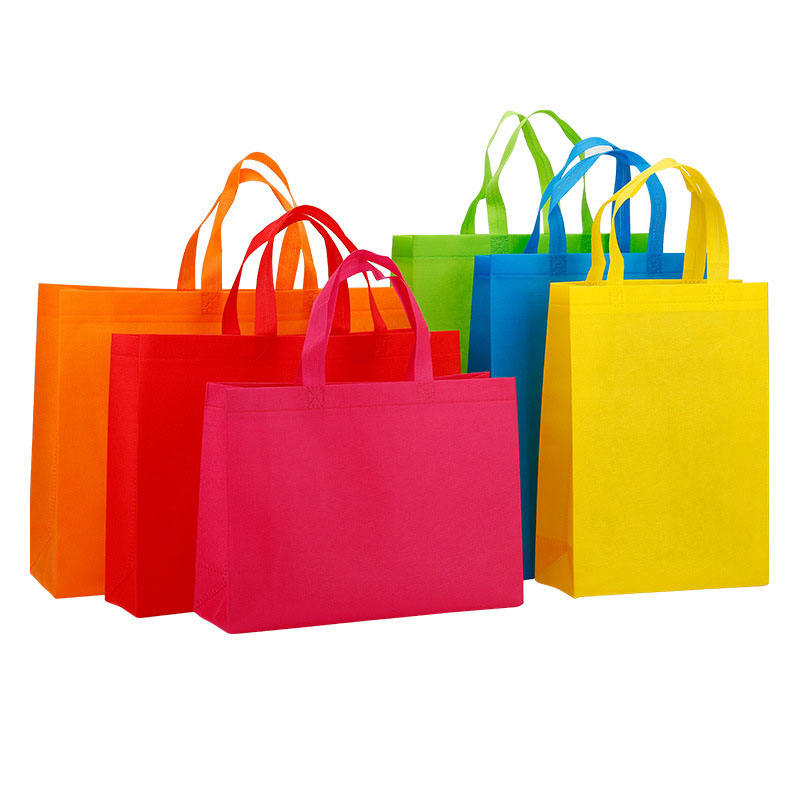
Sustainable packaging and carrying solutions have become essential priorities for businesses and consumers alike, driving unprecedented demand for environmentally conscious alternatives to traditional plastic bags. When exploring options for an eco-friendly bag, understanding the diverse range of materials available helps organizations make informed decisions that align with their sustainability goals while meeting practical requirements for durability, functionality, and cost-effectiveness.
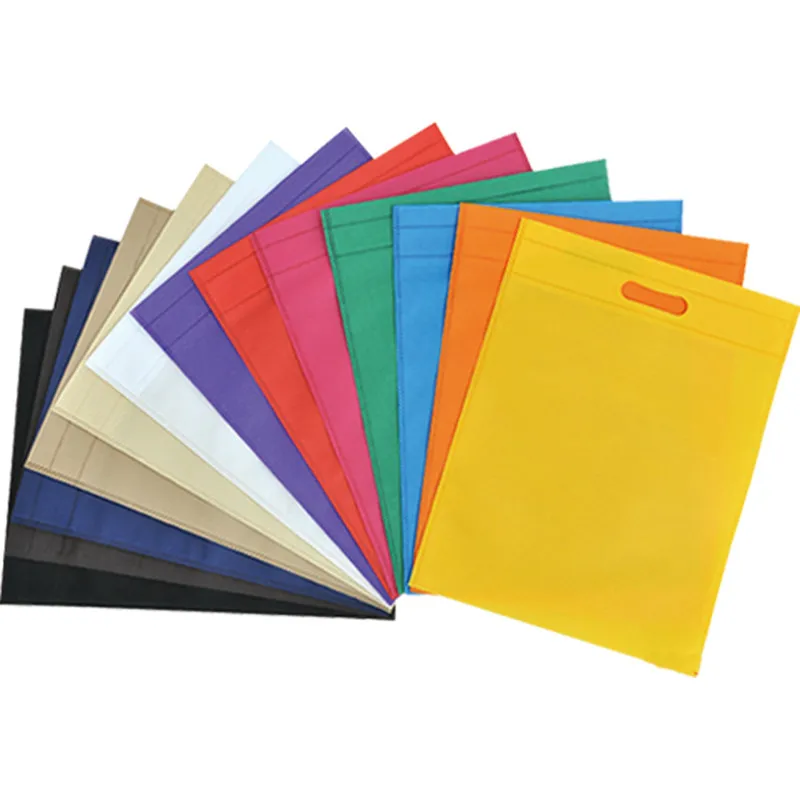
The materials used in eco-friendly bag manufacturing span from natural plant-based fibers to innovative recycled synthetics, each offering distinct advantages in terms of biodegradability, recyclability, and performance characteristics. These material choices directly impact the environmental footprint of each eco-friendly bag throughout its lifecycle, from raw material extraction through production, use, and end-of-life disposal or recycling processes.
Natural Fiber Materials for Sustainable Bags
Cotton and Organic Cotton Applications
Cotton remains one of the most widely recognized materials for eco-friendly bag production, offering excellent durability and versatility across various application scenarios. Conventional cotton cultivation requires significant water and chemical inputs, but organic cotton presents a more sustainable alternative that eliminates synthetic pesticides and fertilizers from the growing process. Each eco-friendly bag made from organic cotton provides superior breathability and natural antimicrobial properties that make it particularly suitable for food storage and grocery shopping applications.
The tensile strength of cotton fibers enables manufacturers to create robust eco-friendly bag designs that withstand repeated use while maintaining their structural integrity. Cotton bags can be easily customized through various printing and dyeing techniques, allowing businesses to incorporate branding elements without compromising environmental objectives. The natural decomposition timeline for cotton-based eco-friendly bag products typically ranges from six months to five years, depending on environmental conditions and treatment processes.
Hemp Fiber Characteristics and Benefits
Hemp represents one of the most sustainable options for eco-friendly bag manufacturing due to its rapid growth cycle and minimal environmental impact during cultivation. This versatile plant requires no pesticides and actually improves soil health through its deep root system, making hemp-based materials increasingly popular among environmentally conscious manufacturers. An eco-friendly bag constructed from hemp fibers typically exhibits exceptional strength-to-weight ratios that surpass many synthetic alternatives while maintaining complete biodegradability.
The natural resistance of hemp to mold, mildew, and UV degradation extends the useful lifespan of each eco-friendly bag significantly compared to other natural fiber options. Hemp cultivation yields approximately three times more fiber per acre than cotton while requiring substantially less water, making it an economically viable choice for large-scale eco-friendly bag production. Processing techniques continue to evolve, enabling manufacturers to create softer, more flexible hemp fabrics that rival traditional materials in terms of comfort and aesthetics.
Jute and Other Plant-Based Options
Jute stands out as another excellent material choice for eco-friendly bag applications, particularly where cost-effectiveness and biodegradability are primary considerations. This fast-growing plant produces strong, coarse fibers that create durable carrying solutions ideal for heavy-duty applications such as shopping, storage, and promotional purposes. The natural golden color of jute gives each eco-friendly bag a distinctive appearance that appeals to consumers seeking authentic, earth-friendly alternatives.
Linen, derived from flax plants, offers another natural option for premium eco-friendly bag products that require refined aesthetics combined with environmental responsibility. The production process for linen utilizes nearly every part of the flax plant, minimizing waste and maximizing resource efficiency. Bamboo fiber represents an emerging alternative that combines rapid renewability with natural antibacterial properties, though processing methods vary significantly in their environmental impact.
Recycled and Upcycled Material Solutions
Post-Consumer Recycled Plastics
Recycled plastic materials provide an effective way to divert waste from landfills while creating functional eco-friendly bag products that maintain the durability advantages of synthetic materials. Post-consumer recycled PET (polyethylene terephthalate) from plastic bottles can be transformed into strong, weather-resistant fabrics suitable for various eco-friendly bag applications. This approach addresses existing plastic waste while reducing the demand for virgin petroleum-based materials.
The recycling process for creating eco-friendly bag materials from plastic waste involves cleaning, shredding, melting, and reforming steps that require significantly less energy than producing virgin plastics. Advanced recycling technologies now enable manufacturers to create high-quality eco-friendly bag products that are virtually indistinguishable from those made with new materials. Each eco-friendly bag produced from recycled plastics can incorporate materials from dozens of plastic bottles, contributing to circular economy principles.
The versatility of recycled plastic materials allows for various fabric constructions, from woven to non-woven formats, each offering different performance characteristics for specific eco-friendly bag applications. Water resistance, tear strength, and colorfast properties can all be optimized through careful material selection and processing techniques. Quality control measures ensure that recycled content meets or exceeds performance standards established for virgin materials.
Reclaimed and Upcycled Fabric Materials
Upcycling textile waste streams provides another avenue for creating unique eco-friendly bag products while addressing the massive global textile waste problem. Post-industrial fabric scraps, overstock materials, and end-of-life textiles can be processed and reformed into durable bag materials that combine environmental benefits with distinctive aesthetic qualities. This approach often results in limited-edition eco-friendly bag designs that appeal to consumers seeking one-of-a-kind sustainable products.
The upcycling process typically involves sorting, cleaning, and mechanically processing fabric waste to create new fiber blends suitable for eco-friendly bag manufacturing. Quality considerations include evaluating the condition, composition, and contamination levels of source materials to ensure the finished eco-friendly bag meets performance requirements. Creative design approaches can highlight the recycled nature of materials as a positive aesthetic feature rather than attempting to disguise the sustainable origin.
Innovative Bio-Based and Alternative Materials
Biodegradable Synthetic Alternatives
Recent technological advances have produced biodegradable synthetic materials that combine the performance advantages of traditional plastics with improved end-of-life characteristics. Polylactic acid (PLA) derived from corn starch, sugarcane, or other plant sources creates eco-friendly bag materials that decompose under specific composting conditions. These materials address situations where natural fibers may not provide adequate moisture resistance or durability for specific applications.
Polyhydroxyalkanoates (PHAs) represent another class of bio-based polymers that bacteria produce from renewable feedstocks, resulting in completely biodegradable materials suitable for eco-friendly bag production. The performance characteristics of these materials continue to improve through ongoing research and development efforts, expanding their applicability across various eco-friendly bag market segments. Processing equipment and techniques developed for conventional plastics can often be adapted for these bio-based alternatives, facilitating adoption by existing manufacturers.
Innovative Natural Material Treatments
Advanced treatment processes now enable natural materials to achieve performance characteristics previously available only through synthetic alternatives. Water-resistant treatments derived from natural waxes, plant-based polymers, and other renewable sources can enhance the functionality of cotton, hemp, or other natural fiber eco-friendly bag products without compromising biodegradability. These treatments extend the useful life of natural material bags while maintaining their environmental advantages.
Antimicrobial treatments using silver nanoparticles or plant-based compounds can improve hygiene characteristics for eco-friendly bag applications involving food contact or medical uses. Color-fast dyeing processes using natural or low-impact synthetic dyes ensure that aesthetic qualities remain stable throughout the product lifecycle. Fire-retardant treatments derived from natural sources provide safety compliance for specialized eco-friendly bag applications without introducing harmful chemicals.
Material Selection Considerations for Different Applications
Durability and Performance Requirements
Selecting appropriate materials for eco-friendly bag production requires careful evaluation of intended use patterns, environmental exposure conditions, and performance expectations. Heavy-duty applications such as construction, agriculture, or industrial storage typically favor materials like hemp, recycled polyester, or treated natural fibers that can withstand significant stress and repeated use. The expected lifespan of each eco-friendly bag should align with its material composition to optimize both economic and environmental value.
Load-bearing capacity varies significantly among eco-friendly bag materials, with synthetic options generally providing higher strength-to-weight ratios compared to natural alternatives. However, natural materials often excel in applications requiring breathability, moisture management, or food safety compliance. Testing protocols for eco-friendly bag products should evaluate relevant performance metrics including tensile strength, tear resistance, seam integrity, and dimensional stability under various conditions.
Environmental Impact Assessment
Life cycle analysis provides essential insights for comparing the environmental impacts of different eco-friendly bag materials from production through disposal phases. Water consumption during fiber production varies dramatically between materials, with hemp and linen typically requiring less water than cotton cultivation. Energy requirements for processing and manufacturing also differ significantly, influencing the overall carbon footprint of each eco-friendly bag product.
End-of-life disposal options depend heavily on material composition, with natural fibers generally offering composting possibilities while synthetic materials may require recycling infrastructure for proper handling. Transportation distances for raw materials can significantly impact the environmental profile of eco-friendly bag products, favoring locally sourced or regionally processed materials. Packaging and distribution considerations should also factor into material selection decisions to optimize overall sustainability outcomes.
FAQ
Which natural materials offer the best durability for eco-friendly bags?
Hemp and linen typically provide the highest durability among natural materials used in eco-friendly bag production, with hemp offering exceptional tensile strength and resistance to wear while linen provides excellent longevity with proper care. Cotton, while popular and versatile, generally offers moderate durability that varies significantly based on fiber quality and weave construction.
Can recycled plastic materials match the environmental benefits of natural fibers?
Recycled plastic materials excel at diverting waste from landfills and reducing demand for virgin petroleum-based materials, though they typically cannot match the biodegradability advantages of natural fibers. The environmental benefits depend largely on the specific application, with recycled plastics often proving superior for long-term, high-durability uses while natural fibers excel in single-use or short-term applications.
How do bio-based synthetic materials compare to traditional natural fibers?
Bio-based synthetic materials like PLA and PHA often provide better moisture resistance and dimensional stability compared to natural fibers, while maintaining biodegradability under appropriate conditions. However, they typically require more energy-intensive processing and may have limited composting infrastructure availability, whereas natural fibers can decompose in various environments with minimal processing requirements.
What factors should businesses consider when choosing materials for custom eco-friendly bags?
Businesses should evaluate intended use patterns, required durability levels, aesthetic preferences, budget constraints, and available end-of-life disposal options in their target markets. Local regulations regarding biodegradable materials, recycling requirements, and sustainability claims should also influence material selection decisions, along with brand positioning and customer expectations regarding environmental responsibility.
Table of Contents
- Natural Fiber Materials for Sustainable Bags
- Recycled and Upcycled Material Solutions
- Innovative Bio-Based and Alternative Materials
- Material Selection Considerations for Different Applications
-
FAQ
- Which natural materials offer the best durability for eco-friendly bags?
- Can recycled plastic materials match the environmental benefits of natural fibers?
- How do bio-based synthetic materials compare to traditional natural fibers?
- What factors should businesses consider when choosing materials for custom eco-friendly bags?