 EN
EN


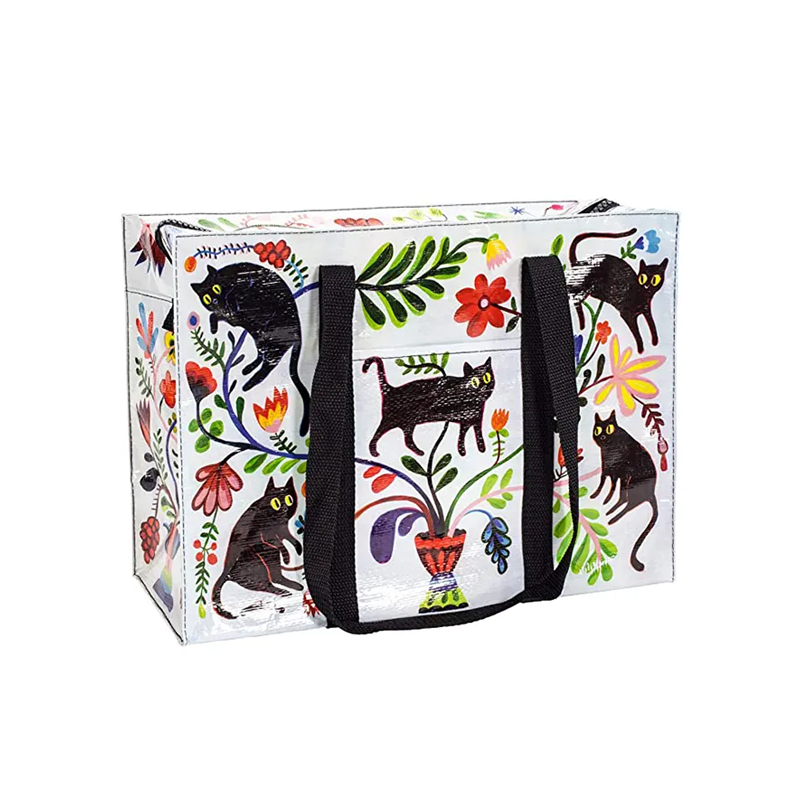
Modern outdoor enthusiasts and frequent travelers constantly seek reliable solutions to keep their food and beverages fresh during extended trips. The Non Woven Cooler Bag has emerged as a revolutionary product that addresses these needs while offering superior portability and thermal performance. These innovative bags combine advanced insulation technology with lightweight, durable materials to create the perfect companion for camping trips, beach outings, picnics, and business travel. Unlike traditional coolers that are bulky and heavy, a Non Woven Cooler Bag provides exceptional thermal retention while remaining compact and easy to transport. The unique construction materials and design features make these bags an indispensable tool for anyone who values fresh food and cold drinks during outdoor adventures or extended travel periods.
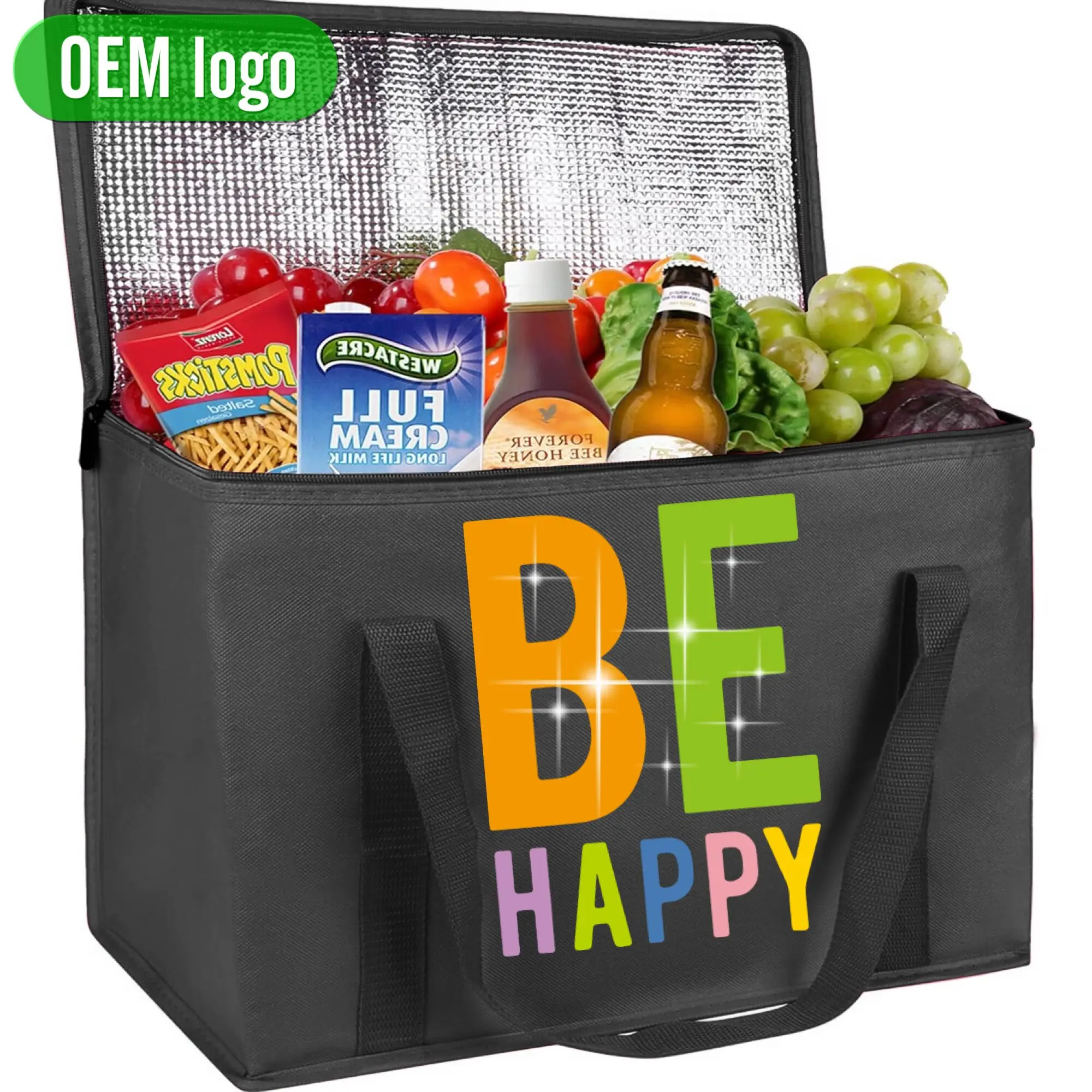
Advanced Insulation Technology in Non Woven Materials
Multi-Layer Thermal Barrier Construction
The effectiveness of any Non Woven Cooler Bag begins with its sophisticated insulation system that utilizes multiple layers of specialized materials. The outer shell consists of high-density non-woven polypropylene fabric that provides excellent durability while remaining lightweight and flexible. This material resists tears, punctures, and weather damage, ensuring long-term performance in challenging outdoor conditions. The middle layer features advanced thermal barrier materials, often incorporating reflective aluminum foil or specialized foam insulation that creates an effective temperature barrier. This combination prevents heat transfer from external sources while maintaining internal temperatures for extended periods.
The inner lining of a quality Non Woven Cooler Bag typically includes food-safe PEVA or similar materials that are easy to clean and resistant to bacterial growth. This multi-layer approach creates a comprehensive thermal management system that outperforms many traditional cooler designs. The seamless integration of these materials ensures optimal thermal performance while maintaining the bag's flexibility and portability. Advanced manufacturing techniques allow these layers to be bonded together without creating weak points or thermal bridges that could compromise insulation effectiveness.
Temperature Retention Performance Metrics
Professional testing of Non Woven Cooler Bag products demonstrates impressive temperature retention capabilities that make them suitable for extended outdoor use. High-quality models can maintain internal temperatures within acceptable ranges for 8-12 hours under normal ambient conditions. The thermal performance varies based on external temperature, sun exposure, and the initial temperature of stored items. Independent laboratory tests show that premium Non Woven Cooler Bag designs can keep ice frozen for up to 24 hours in moderate climates, making them competitive with hard-shell coolers that weigh significantly more.
These performance metrics make the Non Woven Cooler Bag particularly valuable for day trips, outdoor events, and travel situations where maintaining food safety and beverage quality is essential. The insulation efficiency also depends on proper packing techniques, including pre-chilling the bag, using appropriate ice packs, and minimizing air gaps within the storage compartment. Users who follow best practices often achieve temperature retention that exceeds manufacturer specifications, demonstrating the superior design of modern non-woven cooling technology.
Portability Advantages for Active Lifestyles
Weight Distribution and Carrying Comfort
One of the most significant advantages of choosing a Non Woven Cooler Bag for outdoor activities is the superior weight distribution and carrying comfort compared to rigid cooler alternatives. The flexible construction allows the bag to conform to the user's body, reducing strain on shoulders and back during extended carrying periods. Ergonomically designed handles and adjustable shoulder straps distribute weight evenly, preventing the concentrated pressure points common with hard-shell coolers. The lightweight non-woven materials significantly reduce the overall weight burden, allowing users to carry more food and drinks without exceeding comfortable carrying limits.
The collapsible nature of these bags provides additional convenience when storage space is limited. Empty bags fold flat for compact storage in vehicles, RVs, or camping gear collections. This space-saving characteristic makes the Non Woven Cooler Bag ideal for travelers who need to maximize luggage efficiency. The soft-sided construction also allows the bag to fit into irregular spaces where rigid coolers cannot, such as boat storage compartments, car trunks with oddly shaped cargo areas, or aircraft overhead bins for smaller models.
Versatile Size Options and Configurations
Modern Non Woven Cooler Bag designs are available in numerous size configurations to match specific use cases and group sizes. Personal-sized models accommodate individual meals and beverages for solo adventures or work commutes. Medium-capacity versions serve small groups or families during day trips and picnics. Large-format bags provide sufficient storage for extended camping trips or group events requiring substantial food and beverage quantities. The modular design approach allows users to select the optimal size for their specific needs without compromising on thermal performance or portability.
Many Non Woven Cooler Bag models feature compartmentalized interiors with removable dividers, allowing users to organize different food types and beverages efficiently. External pockets provide additional storage for utensils, napkins, bottle openers, and other accessories. Some advanced designs incorporate separate insulated compartments for items requiring different temperature zones, such as frozen goods versus refrigerated items. This versatility makes these bags suitable for diverse applications beyond simple cooling, including heated food transport and pharmaceutical storage requirements.
Durability and Weather Resistance Features
Material Composition and Longevity
The construction materials used in premium Non Woven Cooler Bag designs are specifically selected for their ability to withstand harsh outdoor conditions and repeated use cycles. High-grade polypropylene non-woven fabrics resist UV degradation, ensuring the bag maintains its structural integrity and appearance even after prolonged sun exposure. The material's inherent water resistance prevents moisture penetration that could compromise insulation performance or lead to mold and mildew growth. Advanced fabric treatments further enhance stain resistance and ease of cleaning, maintaining hygiene standards essential for food storage applications.
Reinforcement techniques used in quality Non Woven Cooler Bag manufacturing include stress-point stitching, reinforced handles, and durable zipper systems that withstand frequent opening and closing cycles. The flexible nature of non-woven materials allows the bag to absorb impact energy without cracking or breaking, unlike rigid cooler shells that may suffer permanent damage from drops or rough handling. This resilience makes these bags particularly valuable for active outdoor enthusiasts who require reliable equipment that can withstand challenging environments and intensive use.
Maintenance and Cleaning Protocols
The maintenance requirements for a Non Woven Cooler Bag are significantly simpler than those of traditional coolers, contributing to their appeal for frequent travelers and outdoor enthusiasts. The smooth interior surfaces can be quickly wiped clean with mild soap solutions or sanitizing wipes, eliminating bacteria and odors that might accumulate during use. Most models feature removable liner systems that can be machine washed or thoroughly cleaned in sinks, ensuring optimal hygiene between uses. The quick-drying properties of non-woven materials prevent moisture retention that could lead to unpleasant odors or bacterial growth.
Regular maintenance procedures for Non Woven Cooler Bag products include periodic inspection of zipper function, handle integrity, and insulation layer condition. Simple preventive care, such as avoiding sharp objects and storing the bag in dry conditions, significantly extends service life. The materials used in these bags are generally resistant to common cleaning chemicals, allowing users to maintain proper sanitation without damaging the product. This ease of maintenance makes these cooling solutions particularly attractive for commercial applications, food service operations, and institutional use where hygiene standards are critical.
Environmental Impact and Sustainability Considerations
Eco-Friendly Material Selection
Modern Non Woven Cooler Bag manufacturing increasingly emphasizes environmental responsibility through the selection of sustainable materials and production processes. Many manufacturers now utilize recycled polypropylene content in their non-woven fabric production, reducing the demand for virgin plastic materials. The long service life of quality cooler bags reduces the need for frequent replacements, minimizing waste generation compared to disposable cooling solutions. Some premium models incorporate biodegradable or compostable liner materials that break down naturally at the end of their service life, further reducing environmental impact.
The energy efficiency of Non Woven Cooler Bag production is generally superior to that required for manufacturing rigid coolers, particularly those made from molded plastics or foam materials. The simplified manufacturing process reduces carbon emissions associated with production while maintaining superior performance characteristics. Additionally, the lightweight nature of these bags reduces transportation-related emissions during distribution, contributing to a smaller overall carbon footprint. Environmental certifications and compliance with international sustainability standards are becoming increasingly common among reputable manufacturers.
Lifecycle Assessment and Recyclability
Comprehensive lifecycle assessments of Non Woven Cooler Bag products demonstrate their environmental advantages compared to alternative cooling solutions. The durability and reusability of these bags provide significant environmental benefits by replacing thousands of single-use cooling products over their service life. At the end of their useful life, many components of quality cooler bags can be recycled through standard plastic recycling programs, though separation of different material layers may be required. The non-woven polypropylene used in these bags is widely recyclable and commands good value in recycling markets.
Forward-thinking manufacturers are developing take-back programs that allow consumers to return worn-out Non Woven Cooler Bag products for proper recycling and material recovery. These initiatives support circular economy principles and reduce the environmental burden of cooling product disposal. The ongoing development of bio-based materials for cooler bag construction promises even greater environmental benefits in future product generations, with some manufacturers already introducing prototypes using renewable feedstock materials.
Cost-Effectiveness and Value Analysis
Initial Investment Versus Long-Term Value
The initial purchase price of a quality Non Woven Cooler Bag represents exceptional value when compared to the total cost of ownership over the product's lifetime. While premium models may require a higher upfront investment than basic alternatives, the superior durability and performance justify the expense through extended service life and reduced replacement costs. The versatility of these bags eliminates the need to purchase multiple specialized cooling products for different applications, providing additional economic benefits. Cost analysis studies show that users typically recover their investment within the first year of regular use through savings on ice purchases and food waste reduction.
The operational costs associated with Non Woven Cooler Bag use are minimal compared to powered cooling alternatives or frequent ice purchases. The superior insulation performance reduces the quantity of ice or cooling packs required to maintain desired temperatures, resulting in ongoing savings for frequent users. The lightweight construction also reduces transportation costs for commercial users who need to transport multiple cooling units. These economic advantages make cooler bags particularly attractive for businesses, catering operations, and organizations requiring cost-effective cold chain solutions.
Commercial and Industrial Applications
The commercial viability of Non Woven Cooler Bag solutions extends far beyond consumer outdoor recreation applications. Food service operations utilize these bags for delivery services, catering transport, and temporary storage during events. The professional appearance and customization options available make these bags suitable for branded promotional applications and corporate gifts. Healthcare providers use specialized cooler bags for pharmaceutical transport and vaccine storage, where precise temperature control and portability are essential. The cost-effectiveness and reliability of these solutions make them increasingly popular in professional applications.
Industrial applications for Non Woven Cooler Bag products include laboratory sample transport, chemical storage, and specialized manufacturing processes requiring temperature-controlled environments. The versatility and performance characteristics of modern cooler bags make them suitable for diverse commercial applications where traditional cooling methods are impractical or cost-prohibitive. The ability to customize these bags with specific features, branding, and performance characteristics provides additional value for commercial users with specialized requirements.
FAQ
How long can a Non Woven Cooler Bag keep items cold
The cooling duration of a Non Woven Cooler Bag depends on several factors including ambient temperature, initial ice quantity, and how frequently the bag is opened. Under optimal conditions, quality models can maintain cold temperatures for 8-12 hours, with some premium versions keeping ice frozen for up to 24 hours. Pre-chilling the bag, using frozen gel packs instead of ice, and minimizing air gaps can significantly extend cooling performance.
Are Non Woven Cooler Bags waterproof and suitable for beach use
Most Non Woven Cooler Bag designs feature water-resistant exterior materials and waterproof interior linings that make them suitable for beach and marine environments. The sealed seam construction and quality zippers prevent water intrusion under normal use conditions. However, these bags are not typically designed for complete submersion. The materials resist sand, salt water, and UV exposure, making them excellent choices for beach activities and boating trips.
Can I customize a Non Woven Cooler Bag for promotional or business use
Yes, Non Woven Cooler Bag products are highly customizable for promotional and business applications. Most manufacturers offer screen printing, heat transfer, or embroidered logo application services. Custom color options, size modifications, and additional features such as extra pockets or specialized insulation can be incorporated. The large surface area and professional appearance make these bags excellent promotional items that recipients will use regularly, providing ongoing brand exposure.
How do I properly clean and maintain my Non Woven Cooler Bag
Cleaning a Non Woven Cooler Bag is straightforward and requires only mild soap and warm water for routine maintenance. Wipe down interior surfaces after each use and allow the bag to air dry completely before storage. For deeper cleaning, removable liners can often be machine washed or soaked in sanitizing solutions. Avoid harsh chemicals or abrasive cleaning tools that might damage the materials. Proper storage in a dry location and avoiding sharp objects will maximize the bag's service life.