 EN
EN


ການຮູ້ຈັກຍີ່ຫໍ້ຍັງຄົງເປັນໜຶ່ງໃນຊັບສິນທີ່ສຳຄັນທີ່ສຸດສຳລັບທຸລະກິດທີ່ມຸ່ງຫວັງການເຕີບໂຕຢ່າງຍືນຍົງໃນຕະຫຼາດທີ່ມີການແຂ່ງຂັນ. ລະຫວ່າງເຄື່ອງມືສົ່ງເສີມທີ່ມີຢູ່ຫຼາຍຢ່າງ, ຖົງໄປຊື້ເຄື່ອງ ຖົງຊື້ຂອງທີ່ມີສັນຍາລັກຍີ່ຫໍ້ໄດ້ເກີດຂຶ້ນເປັນສື່ທີ່ມີປະສິດທິພາບເປັນຢ່າງຍິ່ງໃນການຂະຫຍາຍການເຫັນເປັນຍີ່ຫໍ້ ແລະ ເຮັດໃຫ້ລູກຄ້າຈື່ຈຳຍີ່ຫໍ້ໄດ້ດີຂຶ້ນ. ສິ່ງຂອງເຫຼົ່ານີ້ທີ່ມີປະໂຫຍດໃຊ້ສອງດ້ານ: ມັນໃຫ້ປະໂຫຍດໃຊ້ງານທີ່ເປັນປະຈຳແກ່ຜູ້ບໍລິໂພກ ແລະ ພ້ອມກັນນັ້ນກໍເຮັດໜ້າທີ່ເປັນປ້າຍໂຄສະນາທີ່ເคลື່ອນໄຫວ ເຊິ່ງນຳເອົາຂໍ້ຄວາມກ່ຽວກັບຍີ່ຫໍ້ໄປສູ່ບ່ອນທີ່ຫ່າງໄກອອກຈາກຈຸດທີ່ຊື້ເບື້ອງຕົ້ນ. ການເຂົ້າໃຈກົນໄກທີ່ຖົງຊື້ຂອງທີ່ມີຍີ່ຫໍ້ຊ່ວຍເພີ່ມການຮູ້ຈັກຍີ່ຫໍ້ຈະຊ່ວຍໃຫ້ທຸລະກິດສາມາດຈັດສັນການລົງທຶນດ້ານການຕະຫຼາດໄດ້ດີຂຶ້ນ ແລະ ສ້າງຄວາມຈື່ທີ່ຍືນຍົງໃນຈິດໃຈຂອງຜູ້ບໍລິໂພກເປົ້າໝາຍ.
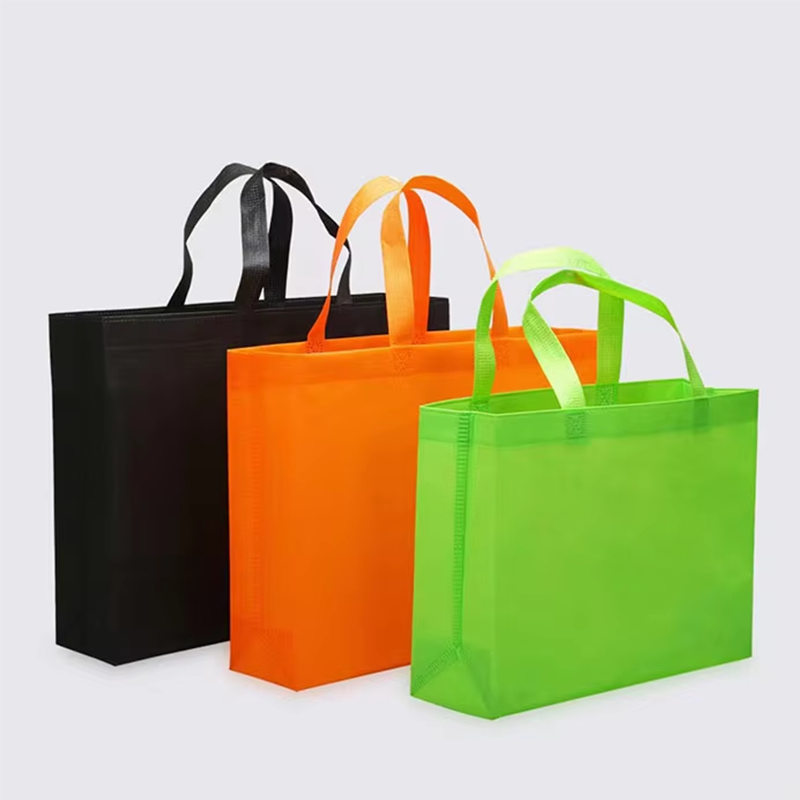
ການຈັດຕັ້ງປະຕິບັດຢ່າງເປັນຍຸດທະສາດຂອງຖົງຊື້ຂອງເປັນເຄື່ອງມືສຳລັບການສ້າງຍີ່ຫໍ້ ດຳເນີນຜ່ານທາງດ້ານຈິດໃຈວິທະຍາ ແລະ ດ້ານປະຕິບັດຫຼາຍທາງ ເຊິ່ງເຮັດໃຫ້ການເຂົ້າເຖິງຂໍ້ຄວາມເພີ່ມຂຶ້ນ. ເມື່ອລູກຄ້າຖືຖົງຊື້ຂອງທີ່ມີຍີ່ຫໍ້ໃນສະຖານທີ່ສາທາລະນະ ພວກເຂົາຈະເປັນຕົວແທນສຳລັບຍີ່ຫໍ້ຢ່າງສະເໝືອນກັບການອະນຸຍາດດ້ວຍຕົວເອງ ໂດຍເປີດເຜີຍສັນຍາລັກ ແລະ ອັตลັກສັນຂອງບໍລິສັດຕໍ່ລູກຄ້າທີ່ເປັນໄປໄດ້ຈຳນວນຮ້ອຍຫຼືພັນຄົນ ໃນໄລຍະເວລາທີ່ຖົງນັ້ນຍັງໃຊ້ງານໄດ້. ການເຂົ້າເຖິງແບບທຳມະຊາດນີ້ສ້າງຈຸດສຳຜັດຊ້ຳໆກັນກັບບຸກຄົນທີ່ແຕກຕ່າງກັນ ໃນບັນດາເຄື່ອງໝາຍປະຊາກອນ ແລະ ບັນດາເຂດພື້ນທີ່ທີ່ແຕກຕ່າງກັນ. ຄວາມມີປະສິດທິພາບເກີດຈາກການປະສົມປະສານກັນລະຫວ່າງຄວາມເຫັນໄດ້ ຄວາມເคลື່ອນໄຫວ ແລະ ການຮັບຮອງຢ່າງບໍ່ເປັນທາງການ ເຊິ່ງເກີດຂຶ້ນເມື່ອບຸກຄົນທີ່ແທ້ຈິງເລືອກທີ່ຈະໃຊ້ ແລະ ແສດງຖົງເຫຼົ່ານີ້ໃນກິດຈະກຳປະຈຳວັນຂອງເຂົາເຈົ້າ. ບໍລິສັດທີ່ເຂົ້າໃຈເຖິງເຫດຜົນດັ່ງກ່າວນີ້ສາມາດນຳໃຊ້ ถุงช้อปปิ้งแบบกำหนดเอง ເພື່ອບັນລຸຜົນໄດ້ຮັບດ້ານການຮູ້ຈັກທີ່ມີປະສິດທິພາບດ້ານຕົ້ນທຶນຢ່າງເຫຼືອເຊື່ອເທື່ອຍິ່ງເທື່ອໃດ ເມື່ອທຽບກັບຊ່ອງທາງການໂຄສະນາແບບດັ້ງເດີມ.
ເຫດຜົນດ້ານຈິດໃຈທີ່ຢູ່ເບື້ອງຫຼັງການເປີດເຜີຍສັນຍາລັກໃນຖົງຊື້ຂອງ
ການຕິດຕໍ່ທາງດ້ານທັດສະນະຊ້ຳໆກັນ ແລະ ການປະກົດຂຶ້ນຂອງຄວາມຈຳ
ສະໝອງຂອງມະນຸດປະມວນຜົນຂໍ້ມູນທາງດ້ານທັດສະນະຜ່ານຮູບແບບຂອງການເກີດຊ້ຳ ແລະ ຄວາມຄຸ້ນເຄີຍ. ເມື່ອຜູ້ບໍລິໂພກເຫັນສັນຍາລັກຂອງຍີ່ຫໍ້ໃນຖົງຊື້ຂອງຫຼາຍຄັ້ງໃນບ່ອນຕ່າງໆ, ສາຍທາງປະສາດຈະເຂັ້ມແຂງຂຶ້ນເຊິ່ງເຮັດໃຫ້ເກີດຄວາມເຊື່ອມໂຍງລະຫວ່າງສັນຍາລັກທາງດ້ານທັດສະນະກັບອັตลັກສັນຂອງບໍລິສັດ. ພະເພນອມີນີນີ້, ທີ່ເອີ້ນວ່າ 'ຜົນກະທົບຈາກການເຫັນເປັນປະຈຳ' (mere exposure effect) ໃນການຄົ້ນຄວ້າດ້ານຈິດຕະວິທະຍາ, ແສດງໃຫ້ເຫັນວ່າການເຫັນສິ່ງເຮັດໃຫ້ເກີດຄວາມຮູ້ສຶກທີ່ດີຂຶ້ນ ແລະ ການຈື່ໄດ້ດີຂຶ້ນ ເຖິງແມ່ນຈະບໍ່ມີການຮັບຮູ້ຢ່າງມີສະຕິກໍຕາມ. ຖົງຊື້ຂອງຊ່ວຍເຮັດໃຫ້ຂະບວນການນີ້ເກີດຂຶ້ນຢ່າງເປັນທຳມະຊາດ ເນື່ອງຈາກວ່າມັນມັກຈະປາກົດຢູ່ໃນສະຖານທີ່ທີ່ມີຄົນເດີນຜ່ານຫຼາຍ ໂດຍທີ່ຄົນຈຳນວນຫຼາຍຈະເຫັນມັນໃນເວລາທີ່ເຮັດກິດຈະກຳປະຈຳວັນເຊັ່ນ: ການເດີນ conmmute, ການຊື້ຂອງ, ຫຼື ການຮວມຕົວທາງສັງຄົມ.
ປັດໄຈການເຄື່ອນຍ້າຍເປັນສິ່ງທີ່ແຍກຖົງຊື້ຂອງອອກຈາກຮູບແບບການໂຄສະນາທີ່ຢູ່ນິ່ງ. ຕ່າງຈາກປ້າຍໂຄສະນາຫຼືປ້າຍທີ່ຕິດຢູ່ໜ້າຮ້ານທີ່ຢູ່ນິ່ງໃນສະຖານທີ່ດຽວ, ຖົງຊື້ຂອງທີ່ມີຊື່ຍີ່ຫໍ້ຈະເດີນທາງໄປທົ່ວບ່ອນຕ່າງໆ ເຊັ່ນ: ແຂວງເມືອງ, ເຂດທຸລະກິດ, ເຂດທີ່ຢູ່ອາໄສ, ແລະ ລະບົບຂົນສົ່ງສາທາລະນະ. ທຸກໆການເດີນທາງສ້າງໂອກາດໃໝ່ໆ ໃນການເຜີຍແຜ່ຍີ່ຫໍ້ຕໍ່ຜູ້ຊົມທີ່ອາດຈະບໍ່ເຄີຍໄປຢ້ຽມຢາມຮ້ານຄ້າຕົ້ນສັງກັດເລີຍ. ອິດທິພົວຂອງການແຈກຢາຍທີ່ມີການແຜ່ກະຈາຍທາງພູມິສາດນີ້ເຮັດໃຫ້ເຖິງຂອບເຂດການເຂົ້າເຖິງຂອງສິ່ງຂອງທີ່ມີຍີ່ຫໍ້ໜຶ່ງຊິ້ນເພີ່ມຂຶ້ນຢ່າງຫຼາຍ. ຖົງຊື້ຂອງທີ່ມີຄຸນນະພາບດີແລະສາມາດນຳໃຊ້ຄືນໄດ້ອາດຈະຖືກນຳໃຊ້ຕໍ່ເນື່ອງເປັນເວລາຫຼາຍເດືອນຫຼືຫຼາຍປີ, ເຮັດໃຫ້ເກີດຄວາມເຂົ້າໃຈເຖິງຍີ່ຫໍ້ເປັນຈຳນວນຫຼາຍຄັ້ງໃນໄລຍະເວລາທີ່ມັນຖືກນຳໃຊ້ຢ່າງມີປະສິດທິຜົນ ໂດຍບໍ່ຕ້ອງໃຊ້ງົບປະມານການຕະຫຼາດເພີ່ມເຕີມ.
ຫຼັກຖານສັງຄົມ ແລະ ການຮັບຮອງຢ່າງບໍ່ເປັນທາງການ
ເມື່ອບຸກຄົນເອົາ ຖົງໄປຊື້ເຄື່ອງ ສັນຍາລັກບໍລິສັດທີ່ເປັນຜູ້ຜະລິດແຖວລູກປືນ, ພວກເຂົາສ້າງຄວາມເຫັນດີທີ່ບໍ່ໄດ້ເວົ້າອອກຢ່າງຊັດເຈນ ເຊິ່ງມີຜົນຕໍ່ການຮັບຮູ້ຂອງຜູ້ສັງເກດ. ຜູ້ສັງເກດຈະຕີຄວາມຫມາຍຢ່າງບໍ່ຮູ້ຕົວວ່າການຖືຖົງທີ່ມີຊື່ຍີ່ຫໍ້ເປັນການສະແດງໃຫ້ເຫັນວ່າຜູ້ຖືໄດ້ເຂົ້າໃຊ້ບໍລິການຂອງບໍລິສັດນັ້ນ ແລະ ມີຄວາມພໍໃຈຕໍ່ປະສົບການດັ່ງກ່າວເຖິງຂັ້ນທີ່ຍັງຄົງໃຊ້ສິນຄ້າຂອງເຂົາຢູ່. ໂມດູນຂອງການຢືນຢັນຈາກສັງຄົມນີ້ເຮັດວຽກໄດ້ຢ່າງມີປະສິດທິພາບໃນຂະບວນການຕັດສິນໃຈຂອງຜູ້ບໍລິໂภກ, ເນື່ອງຈາກຄົນເຮົາມັກຈະເບິ່ງການກະທຳ ແລະ ການເລືອກຂອງຄົນອື່ນເພື່ອນຳມາປະກົດໃນຄວາມເປັນເອກະລາດຂອງຕົນ ແລະ ການμີການຕັດສິນໃຈເພື່ອຊື້ສິນຄ້າ.
ຄວາມຖືກຕ້ອງທາງດ້ານຄວາມຈິງຂອງການຮັບຮອງນີ້ມີນ້ຳໜັກເປັນພິເສດ ເນື່ອງຈາກມັນເກີດຂຶ້ນຢ່າງເປັນທຳມະຊາດ ມິໄດ້ຖືກຊື້ມາ. ຕ່າງຈາກການຮັບຮອງຈາກບຸກຄົນທີ່ມີຊື່ສຽງທີ່ຈ່າຍເງິນ ຫຼື ການເນື້ອຫາທີ່ໄດ້ຮັບການສະໜັບສະໜູນ ທີ່ຜູ້ບໍລິໂພກເລີ່ມເຫັນດ້ວຍຄວາມສົງໃສຫຼາຍຂຶ້ນ ການເຫັນຄົນທົ່ວໄປໃຊ້ຖົງຊື້ຂອງທີ່ມີຍີ່ຫໍ້ໃນສະຖານະການປົກກະຕິປະຈຳວັນຈະຖືກຮັບຮູ້ວ່າເປັນສິ່ງທີ່ແທ້ຈິງ ແລະ ເປັນທີ່ໄວ້ວາງໃຈ. ຄວາມແຕກຕ່າງດ້ານຄວາມຖືກຕ້ອງທາງດ້ານຄວາມຈິງລະຫວ່າງການໂຄສະນາແບບດັ້ງເດີມ ແລະ ການໃຊ້ຜະລິດຕະພັນໃນຊີວິດຈິງເຮັດໃຫ້ຖົງທີ່ມີຍີ່ຫໍ້ມີຄຸນຄ່າເປັນພິເສດເປັນຢ່າງຍິ່ງໃນການສ້າງຄວາມເຊື່ອຖື ແລະ ຄວາມສຳພັນທາງບວກຕໍ່ຍີ່ຫໍ້. ທຸລະກິດຈະໄດ້ຮັບປະໂຫຍດຈາກເຫຼົ່ານີ້ຢ່າງມີປະສິດທິພາບທີ່ສຸດເມື່ອພວກເຂົາຮັບປະກັນວ່າຖົງຊື້ຂອງຂອງພວກເຂົາມີຄຸນນະພາບສູງໃນການຜະລິດ ແລະ ມີຮູບແບບທີ່ນ่าດຶງດູດ ເຊິ່ງຜູ້ໃຊ້ຈະຕ້ອງການສະແດງອອກ ແລະ ໃຊ້ຄືນໃໝ່ຢ່າງແທ້ຈິງ.
ການເຊື່ອມໂຍງຕາມບ່ອນ ແລະ ການພັດທະນາບຸກຄົລລັກສະນະຂອງຍີ່ຫໍ້
ສະພາບແວດລ້ອມ ແລະ ສະຖານະການທີ່ຄົນເຮົາສັງເກດເຫັນຖົງຊື້ຂອງມີຜົນຕໍ່ການເຊື່ອມໂຍງຍີ່ຫໍ້ໃນຈິດໃຈຂອງຜູ້ບໍລິໂພກຢ່າງມີນັກ. ຖົງທີ່ມີການອອກແບບຢ່າງດີ ແລະ ມີຊື່ຍີ່ຫໍ້ທີ່ຖືກນຳໃຊ້ໃນເຂດຊື້ຂາຍທີ່ມີລະດັບສູງ, ພື້ນທີ່ອຳນວຍການທີ່ມີຄວາມເປັນມືອາຊີບ, ຫຼື ສະຖານທີ່ດ້ານວັດທະນະທຳ ຈະສ້າງຄວາມເຊື່ອມໂຍງທີ່ແຕກຕ່າງຈາກຖົງດຽວກັນທີ່ເຫັນໄດ້ເປັນຫຼັກໃນສະຖານທີ່ຂາຍສິນຄ້າທີ່ມີລາຄາຖືກ. ສັນຍານຕ່າງໆ ເຫຼົ່ານີ້ທີ່ເກີດຈາກບ່ອນໃຊ້ງານ ຊ່ວຍປະກົດຄວາມເຂົ້າໃຈກ່ຽວກັບການຈັດຕັ້ງຕຳແໜ່ງຍີ່ຫໍ້, ມາດຕະຖານຄຸນນະພາບ, ແລະ ກຸ່ມລູກຄ້າເປົ້າໝາຍ. ທຸລະກິດທີ່ມີຍຸດທະສາດຈະພິຈາລະນາວ່າຖົງຊື້ຂອງຂອງເຂົາຈະຖືກນຳໃຊ້ ແລະ ກະຈາຍຢູ່ໃນບ່ອນໃດ ເມື່ອອອກແບບການຈັດວາງສັນຍາລັກ, ສີ, ແລະ ລັກສະນະທັງໝົດ.
ຖົງຊື້ຂອງຍັງສື່ສານຄຸນຄ່າຂອງຍີ່ຫໍ້ຜ່ານການເລືອກວັດຖຸແລະອົງປະກອບການອອກແບບ. ບໍລິສັດທີ່ມີຈິດສຳນຶກດ້ານສິ່ງແວດລ້ອມ ເຊິ່ງໃຊ້ວັດຖຸທີ່ຜ່ານການຮີໄຊເຄີນ ຫຼື ວັດຖຸທີ່ສາມາດແຕກສลายໄດ້ຢ່າງເປັນມິດຕໍ່ສິ່ງແວດລ້ອມສຳລັບຖົງທີ່ມີຍີ່ຫໍ້ຂອງພວກເຂົາ ແມ່ນສະແດງເຖິງຄວາມມຸ່ງໝັ້ນຕໍ່ຄວາມຍືນຍົງ ແລະ ດຶງດູດຜູ້ບໍລິໂພກທີ່ມີຄວາມຄິດຄ່ອຍຄືກັນ ເຊິ່ງໃຫ້ຄວາມສຳຄັນກັບຄວາມຮັບຜິດຊອບດ້ານນິເວດວິທະຍາ. ຍີ່ຫໍ້ລັກຊຸຣີທີ່ລົງທຶນໃນວັດຖຸທີ່ມີຄຸນນະພາບສູງ ແລະ ການອອກແບບທີ່ລະອຽດລະອ່ອຍ ສື່ສານເຖິງຄວາມເປັນເອກະລັກ ແລະ ມາດຕະຖານຄຸນນະພາບ. ລັກສະນະທາງຮ່າງກາຍເຫຼົ່ານີ້ເຮັດວຽກຮ່ວມກັບການເຫັນເດັ່ນຂອງເຄື່ອງໝາຍ (logo) ເພື່ອສ້າງເລື່ອງລາວຂອງຍີ່ຫໍ້ຢ່າງຄົບຖ້ວນ ເຊິ່ງເກີນໄປຈາກການຈື່ຊື່ຍີ່ຫໍ້ເທົ່ານັ້ນ. ຄຸນລັກສະນະທີ່ສາມາດຈັບຕ້ອງໄດ້ຂອງຖົງຊື້ຂອງເຮັດໃຫ້ຍີ່ຫໍ້ສາມາດສະແດງຄຸນຄ່າຂອງຕົນຜ່ານການກະທຳ ແທນທີ່ຈະເປັນພຽງການກ່າວເຖິງໃນຂໍ້ຄວາມການໂຄສະນາເທົ່ານັ້ນ.
ອົງປະກອບການອອກແບບເຊິ່ງມີເປົ້າໝາຍເພື່ອເພີ່ມປະສິດທິຜົນຂອງການຮູ້ຈັກຍີ່ຫໍ້
ການຈັດວາງເຄື່ອງໝາຍ (logo) ແລະ ການເພີ່ມປະສິດທິຜົນຂອງລຳດັບຄວາມສຳຄັນດ້ານທັດສະນີ
ການຈັດຕັ້ງ ແລະ ຂະໜາດຂອງສັນຍາລັກໃນຖົງຊື້ຂອງເຮືອນມີຜົນຕໍ່ອັດຕາຄວາມເຫັນ ແລະ ອັດຕາການຈື່ໄດ້ໂດຍກົງ. ການຈັດສັນສັນຍາລັກຢູ່ດ້ານໜ້າໃນລະດັບຕາຈະຮັບປະກັນການເຫັນທີ່ດີທີ່ສຸດເມື່ອຄົນເຂົ້າມາຫາຜູ້ຖືຖົງຈາກມຸມມອງທີ່ພົບເຫັນເລື້ອຍທີ່ສຸດ. ຖົງຊື້ຂອງເຮືອນທີ່ມີຊື່ສຽງຫຼາຍຄັ້ງຈະມີສັນຍາລັກຢູ່ເທິງພື້ນທີ່ຫຼາຍໆດ້ານເພື່ອຮັກສາຄວາມເຫັນໄດ້ຢູ່ເທິງຖົງໃນທຸກໆທ່າທີ່ທີ່ຖົງຖືກຖື ຫຼື ຈັດຕັ້ງ. ນ້ຳໜັກທາງດ້ານທັດສະນະ ແລະ ຄວາມຕົກຕ່າງຂອງສັນຍາລັກຕໍ່ພື້ນຫຼັງຂອງຖົງຈະກຳນົດວ່າຜູ້ສັງເກດຈະສາມາດຈື່ແລະຈີ່ຈຳຍີ່ຫໍ້ໄດ້ໄວເທົ່າໃດຈາກໄລຍະທາງທີ່ຫ່າງ, ສະນັ້ນການເລືອກສີ ແລະ ຂະໜາດທີ່ເໝາະສົມຈຶ່ງເປັນການμຕັດສິນໃຈທີ່ສຳຄັນຫຼາຍໃນການອອກແບບ.
ການອອກແບບສັນຍາລັກທີ່ມີປະສິດທິຜົນໃນຖົງຊື້ຂອງ ຕ້ອງຮັກສາຄວາມເດັ່ນຊັດເຈນໄວ້ພ້ອມກັບຄວາມດຶງດູດດ້ານສຸນทรຽນ. ການຈັດຕັ້ງສິ່ງທີ່ເປັນຕົວແທນຂອງຍີ່ຫໍ້ທີ່ຮຸນແຮງເກີນໄປ ຫຼື ມີຄວາມເຕັມເອີ້ນເກີນໄປ ສາມາດເຮັດໃຫ້ຖົງເຫຼົ່ານີ້ເປັນທີ່ບໍ່ຕ້ອງການສຳລັບການນຳໃຊ້ຊື້ເປັນປະຈຳ ຈຶ່ງຈຳກັດການແຜ່ກະຈາຍຂອງມັນ ແລະ ລົດຕ່ຳລົງຜົນກະທົບຕໍ່ການຮັບຮູ້ໂດຍລວມ. ວິທີການທີ່ປະສົບຜົນສຳເລັດທີ່ສຸດ ແມ່ນການປະສົມປະສານອົງປະກອບຂອງຍີ່ຫໍ້ເຂົ້າກັບການອອກແບບທັງໝົດທີ່ດຶງດູດຢ່າງກ່ຽວເນື່ອງກັນ ເພື່ອສ້າງຖົງຊື້ຂອງທີ່ຜູ້ບໍລິໂພກເຫັນວ່າເປັນເຄື່ອງປະດັບຫຼືເຄື່ອງໃຊ້ສ່ວນຕົວ ແທນທີ່ຈະເປັນພຽງແຕ່ບໍ່ລຸ້ມທີ່ຖືກທິ້ງທີ່ໃຊ້ແລ້ວ. ປັດໄຈຄວາມຕ້ອງການນີ້ມີຄວາມສຳພັນໂດຍກົງກັບຄວາມຖີ່ ແລະ ອາຍຸການໃຊ້ງານ ທີ່ໃນທີ່ສຸດຈະກຳນົດຈຳນວນຄັ້ງທັງໝົດທີ່ຖົງແຕ່ລະຊິ້ນຈະຖືກເຫັນ ຫຼື ຖືກນຳໃຊ້.
ຈິດຕະວິທະຍາສີ ແລະ ການເລື່ອນໄປຂ້າງໆຂອງການຈື່ຈຳຍີ່ຫໍ້
ການເລືອກສີຂອງຖົງຊື້ຂອງແມ່ນມີນ້ຳໜັກທາງຈິດໃຈຢ່າງຫຼວງຫຼາຍ ແລະ ຊ່ວຍເພີ່ມຄວາມໄວໃນການຈື່ຈຳຍີ່ຫໍ້. ການປະສົມສີທີ່ເປັນເອກະລັກຊ່ວຍໃຫ້ຍີ່ຫໍ້ສ້າງຕັ້ງອັດຕາລັກສະນະທາງທັດສະນະທີ່ເປັນເອກະລັກ ເຊິ່ງຜູ້ບໍລິໂພກສາມາດຈື່ໄດ້ເຖິງແມ່ນຈະຍັງບໍ່ທັນໄດ້ອ່ານຂໍ້ຄວາມ ຫຼື ສັງເກດລາຍລະອຽດຂອງສັນຍາລັກ. ການໃຊ້ສີຢ່າງສອດຄ່ອງກັນທົ່ວຖົງຊື້ຂອງທີ່ມີຍີ່ຫໍ້ ແລະ ວັດສະດຸການຕະຫຼາດທັງໝົດ ຈະເຮັດໃຫ້ຄວາມເຊື່ອມໂຍງເຫຼົ່ານີ້ເຂັ້ມແຂງຂຶ້ນຜ່ານການສຳຫຼັບເຫັນຢ່າງຕໍ່ເນື່ອງ. ບໍລິສັດທີ່ຮັກສາມາດຕະຖານສີຢ່າງເຂັ້ມງວດໃນສິນຄ້າສົ່ງເສີມຂອງພວກເຂົາຈະໄດ້ຮັບປະໂຫຍດຈາກການຈື່ຈຳທີ່ສັ່ງສີເຂົ້າໃນຈິດໃຈຂອງຜູ້ບໍລິໂພກຢ່າງຕໍ່ເນື່ອງ ເຊິ່ງຈະເພີ່ມຂຶ້ນເທື່ອລະນ້ອຍໆ ເມື່ອຜູ້ບໍລິໂພກເຫັນແຕ່ລະສີທີ່ເປັນເອກະລັກໃນບໍລິບົດທີ່ແຕກຕ່າງກັນ.
ການຕອບສະຫນອງດ້ານອາລົມທີ່ຖືກເຮັດໃຫ້ເກີດຂຶ້ນຈາກສີຕ່າງໆຍັງມີຜົນຕໍ່ການຮັບຮູ້ແລະຄຸນນະພາບຂອງການຮັບຮູ້ຍີ່ຫໍ້. ສີທີ່ມີອຸນຫະພູມສູງເຊັ່ນ: ສີແດງ ແລະ ສີອຳພັນສ້າງເອັນເນີຈີ ແລະ ຄວາມຕື່ນເຕັ້ນ, ໃນຂະນະທີ່ສີທີ່ມີອຸນຫະພູມຕ່ຳເຊັ່ນ: ສີຟ້າ ແລະ ສີຂຽວສື່ເຖິງຄວາມເຊື່ອຖື ແລະ ຄວາມໝັ້ນຄົງ. ຖົງຊື້ຂອງເປັນພື້ນທີ່ສາມມິຕິທີ່ຊ່ວຍໃຫ້ຍີ່ຫໍ້ນຳໃຊ້ຈິດຕະວິທະຍາສີຢ່າງມີເປົ້າໝາຍ. ຄວາມມີຢູ່ທາງດ້ານຮ່າງກາຍ ແລະ ອາຍຸການເຫັນທີ່ຍາວນານຂອງຖົງເຮັດໃຫ້ການເລືອກສີມີຜົນກະທົບຫຼາກຫຼາຍກວ່າການໂຄສະນາດິຈິຕອນທີ່ເກີດຂຶ້ນໄວໆ. ທຸລະກິດຄວນຈັດສີຂອງຖົງຊື້ຂອງໃຫ້ສອດຄ່ອງກັບຍຸດທະສາດການຈັດຕັ້ງຕຳແໜ່ງຍີ່ຫໍ້ໂດຍລວມເພື່ອຮັບປະກັນຄວາມເປັນເອກະລາດ ແລະ ສູງສຸດເຖິງຜົນລວມຂອງຈຸດສຳຜັດທັງໝົດຂອງຍີ່ຫໍ້.
ຄຳພິຈາລະນາດ້ານຄຸນນະພາບຂອງວັດສະດຸ ແລະ ອາຍຸການໃຊ້ງານ
ຄວາມໝັ້ນຄົງ ແລະ ຄວາມສາມາດໃນການນຳໃຊ້ຊື້ເຄື່ອງໄດ້ຫຼາຍຄັ້ງຂອງຖົງຊື້ເຄື່ອງ ມີຜົນຕໍ່ປະສິດທິພາບຂອງມັນເປັນເຄື່ອງມືສຳລັບການສ້າງຄວາມຮູ້ຈັກຍີ່ຫໍ້ໃນໄລຍະຍາວໂດຍກົງ. ຖົງທີ່ບໍ່ແຂງແຮງ ແລະ ສາມາດເຖິງແຕກຫຼື ເສື່ອມສະພາບໄດ້ຢ່າງໄວວ່າ ຈະໃຫ້ການເປີດເຜີຍຍີ່ຫໍ້ໄດ້ຈຳນວນໜ້ອຍກ່ອນຈະຖືກທິ້ງ, ໃນຂະນະທີ່ວັດຖຸດິບທີ່ແຂງແຮງ ແລະ ສາມາດນຳໃຊ້ຊື້ເຄື່ອງໄດ້ຫຼາຍຄັ້ງຈະສືບຕໍ່ສົ່ງເສີມການເຫັນເຖິງຍີ່ຫໍ້ໄດ້ເປັນເວລາດົນນານ. ຖົງຊື້ເຄື່ອງທີ່ສາມາດນຳໃຊ້ຊື້ເຄື່ອງໄດ້ຫຼາຍຄັ້ງ ແລະ ປະກອບດ້ວຍວັດຖຸດິບທີ່ແຂງແຮງເຊັ່ນ: ວັດຖຸດິບທີ່ບໍ່ໄດ້ຈັກ (non-woven fabrics), ຜ້າການເວັນ (canvas), ຫຼື ວັດຖຸດິບທີ່ມີການເສີມແຂງ ມີປະສິດທິພາບດີເລີດໃນການຄືນທຶນ (ROI) ໂດຍເຮັດຫນ້າທີ່ເປັນສະຖານທີ່ສຳລັບການໂຄສະນາຢ່າງຕໍ່ເນື່ອງ ໂດຍບໍ່ຕ້ອງໃຊ້ຈ່າຍເພີ່ມເຕີມຫຼັງຈາກການຜະລິດເບື້ອງຕົ້ນ.
ຄວາມຮູ້ສຶກດ້ານຄຸນນະພາບທີ່ເກີດຂື້ນຈາກການສຳຜັດ ແລະ ສຳຫຼັບຖົງຊື້ເຄື່ອງຈະຖ່າຍໂອນໄປຫາຄວາມຮູ້ສຶກທັງໝົດຕໍ່ຍີ່ຫໍ້. ຜູ້ບໍລິໂພກທີ່ຈັບຖືຖົງທີ່ຖືກອອກແບບແລະຜະລິດໄດ້ດີຈະເຊື່ອມໂຍງຄຸນລັກສະນະທາງຮ່າງກາຍທີ່ດີເຫຼົ່ານີ້ເຂົ້າກັບຍີ່ຫໍ້ເອງ, ແລະ ສົມມຸດວ່າບໍລິສັດທີ່ຮັກສາມາດຕະຖານສູງສຳລັບສິນຄ້າທີ່ໃຊ້ສຳລັບການສົ່ງເສີມຈະນຳໃຊ້ມາດຕະຖານຄຸນນະພາບທີ່ຄ້າຍຄືກັນກັບສິນຄ້າຫຼັກຂອງຕົນ. ຜະລິດຕະພັນ ຫຼື ບໍລິການ. ຜົນກະທົບຂອງຮັດສະໝີນີ້ເຮັດໃຫ້ການເລືອກວັດຖຸເປັນການμຕັດສິນໃຈທີ່ມີຄວາມສຳຄັນຕໍ່ການສ້າງຍີ່ຫໍ້ ແທນທີ່ຈະເປັນພຽງແຕ່ການພິຈາລະນາດ້ານຕົ້ນທຶນເທົ່ານັ້ນ. ທຸລະກິດທີ່ມີມຸມມອງໄປຂ້າງໜ້າຈະເບິ່ງເອົາຖົງຊື້ຂອງເປັນການລົງທຶນໃນຍີ່ຫໍ້ທີ່ຍືນຍາວ ແທນທີ່ຈະເປັນຄ່າໃຊ້ຈ່າຍສຳລັບການຫໍ່ຫຸ້ມທີ່ຖືກທິ້ງທີ່ມີໄລຍະສັ້ນ, ໂດຍເລືອກວັດຖຸ ແລະ ວິທີການຜະລິດທີ່ຈະເຮັດໃຫ້ອາຍຸການໃຊ້ງານທີ່ເປັນປະໂຫຍດສູງສຸດ ແລະ ຮັກສາຮູບລັກສະໜີທີ່ດຶງດູດໄວ້ໄດ້ຕະຫຼອດໄລຍະເວລາທີ່ໃຊ້ງານຢ່າງຕໍ່ເນື່ອງ.
ຮູບແບບການເຄື່ອນທີ່ ແລະ ຜົນກະທົບຂອງການທະວີຄຳເຫັນ
ເຂດທີ່ໃຊ້ງານທາງພູມີສາດທີ່ກວ້າງກວ່າເຂດຕະຫຼາດຫຼັກ
ຖົງຊື້ຂອງທີ່ມີຍີ່ຫໍ້ເດີນທາງໄປໄກເກີນແຕ່ເຂດທີ່ຢູ່ໃກ້ຄຽງກັບຈຸດຈັດສົ່ງ ໂດຍນຳເອົາຂໍ້ຄວາມດ້ານຍີ່ຫໍ້ເຂົ້າໄປໃນເຂດບ້ານ ແລະ ເຂດພື້ນທີ່ຕ່າງໆ ທີ່ບໍລິສັດອາດຈະມີການເຂົ້າເຖິງທາງຮ່າງກາຍຈຳກັດ ຫຼື ບໍ່ມີເລີຍ. ຜູ້ບໍລິໂພກທີ່ໄດ້ຮັບຖົງຊື້ຂອງເວລາເດີນທາງ ຫຼື ໃນການມອບຂອງຂວັນ ຈະນຳເອົາຍີ່ຫໍ້ເຂົ້າໄປໃນຕະຫຼາດທີ່ເປັນເຂດພື້ນທີ່ໃໝ່ທັງໝົດ ໂດຍບໍ່ມີຄວາມພະຍາຍາມຂະຫຍາຍຕົວຢ່າງເປັນທາງການຈາກບໍລິສັດ. ການແຜ່ກະຈາຍທາງພູມິສາດແບບອັດຕະໂນມັດນີ້ສ້າງຄວາມຮູ້ສຶກເຖິງຍີ່ຫໍ້ໃນເຂດທີ່ອາດຈະເປັນໂອກາດໃນການເຕີບໂຕໃນອະນາຄົດ ໂດຍເຮັດຫນ້າທີ່ເປັນການທົດສອບຕະຫຼາດ ແລະ ນຳເອົາຍີ່ຫໍ້ເຂົ້າໄປໃນເຂດດັ່ງກ່າວດ້ວຍຕົ້ນທຶນຕ່ຳ ໂດຍທີ່ການຈັດຕັ້ງແຄັມເປນການຕະຫຼາດຢ່າງເປັນທາງການຈະຕ້ອງໃຊ້ງົບປະມານຫຼາຍ.
ຮูບແບບການເຄື່ອນທີ່ທີ່ບໍ່ສາມາດທຳนายໄດ້ຂອງຖົງຊື້ຂອງຍັງສ້າງຄວາມເປີດເຜີຍທີ່ເກີດຂື້ນຢ່າງບັງເອີນໃຫ້ແກ່ຜູ້ຟັງທີ່ບໍລິສັດອາດຈະບໍ່ໄດ້ຕັ້ງເປົ້າໝາຍໄວ້ຢ່າງເຈດຕະນາ. ຖົງທີ່ເດີມທີ່ຖືກຈັດສົ່ງໃນສະຖານທີ່ຂາຍຍ່ອຍໃນເຂດເມືອງອາດຈະເດີນທາງໄປຫາຊຸມຊົນເຂດປະເທດຊານ, ເຂດຊົນນະບົດ, ຫຼື ກຸ່ມປະຊາກອນທີ່ແຕກຕ່າງກັນ ເມື່ອມັນຖືກສົ່ງຕໍ່ລະຫວ່າງຜູ້ໃຊ້ ຫຼື ເດີນທາງຮ່ວມກັບເຈົ້າຂອງເດີມໄປຍັງຈຸດປະສົງທີ່ແຕກຕ່າງກັນ. ການຈັດສົ່ງທີ່ເກີດຂື້ນຢ່າງສຸ່ມນີ້ສ້າງຄວາມຮູ້ຈັກທີ່ກວ້າງຂວາງ ເຊິ່ງເ erg complement ຄວາມເລິກເຊິ່ງທີ່ບັນລຸໄດ້ຜ່ານການໂຄສະນາທີ່ມີການຕັ້ງເປົ້າໝາຍຢ່າງເຈດຕະນາ. ທຸລະກິດຈະໄດ້ຮັບປະໂຫຍດຈາກທັງຄວາມຖືກຕ້ອງທາງດ້ານການຕະຫຼາດທີ່ມີການວາງແຜນໄວ້ ແລະ ການເຂົ້າເຖິງເພີ່ມເຕີມທີ່ເກີດຈາກຄວາມເคลື່ອນໄຫວທຳມະຊາດຂອງຖົງຊື້ຂອງທີ່ມີປະໂຫຍດໃຊ້ງານ.
ຜູ້ໃຊ້ທີສອງ ແລະ ການຕະຫຼາດທີ່ມີວົງຈອນຊີວິດຍາວນານ
ຖົງຊື້ຂອງຫຼາຍຄັ້ງປະສົບກັບວຟົງການເປັນເຈົ້າຂອງຫຼາຍຄັ້ງ ເນື່ອງຈາກຖືກມອບໃຫ້, ສະເໜີເປັນທາດ, ຫຼື ນຳໃຊ້ໃໝ່ໂດຍຜູ້ໃຊ້ທີສອງ. ການຖ່າຍໂອນເຈົ້າຂອງແຕ່ລະຄັ້ງຈະນຳເອົາຍີ່ຫໍ້ໄປສູ່ຜູ້ຮັບຟັງໃໝ່ໆ ທີ່ຈະໄດ້ເຫັນສັນຍາລັກຜ່ານການນຳໃຊ້ສ່ວນບຸກຄົນຂອງພວກເຂົາຕໍ່ຖົງ. ຮ້ານຂາຍຂອງເກົ່າ, ສູນຮັບບໍລິຈາກ, ແລະ ການແລກປ່ຽນຢ່າງບໍ່ເປັນທາງການລະຫວ່າງເພື່ອນ ແລະ ສະມາຊິກໃນຄອບຄົວ ແມ່ນເປັນຊ່ອງທາງການຈັດສົ່ງທີ່ເກີດຂຶ້ນໂດຍບໍ່ໄດ້ຕັ້ງໃຈ ເຊິ່ງຂະຫຍາຍການເຂົ້າເຖິງຍີ່ຫໍ້ໂດຍບໍ່ຕ້ອງລົງທຶນເພີ່ມເຕີມດ້ານການຕະຫຼາດ. ການລົມວຽນທີສອງນີ້ເປັນປະໂຫຍດຢ່າງໃຫຍ່ຫຼວງຕໍ່ຍີ່ຫໍ້ທີ່ຕ້ອງການສ້າງຄວາມຮູ້ຈັກໃນບັນດາຜູ້ບໍລິໂພກທີ່ໃຫ້ຄວາມສຳຄັນກັບຄຸນຄ່າ ເຊິ່ງມັກຈະເຂົ້າຮ່ວມໃນເສດຖະກິດຂອງສິນຄ້າມື້ສອງ.
ການນຳໃຊ້ຄືນ ຖົງໄປຊື້ເຄື່ອງ ຖົງຊື້ຂອງທີ່ມີຄວາມໝັ້ນຄົງສຳລັບການນຳໃຊ້ອື່ນໆນອກຈາກການຊື້ຂອງໃນຮ້ານເຄື່ອງອຸປະໂພກຍັງເຮັດໃຫ້ອາຍຸການໂຄສະນາຂອງມັນຍືນຍົງຂຶ້ນອີກ. ຜູ້ບໍລິໂພກມັກນຳໃຊ້ຖົງຊື້ຂອງທີ່ໝັ້ນຄົງຄືນເພື່ອເກັບເຄື່ອງນຸ່ງກິລາ, ໄປທະເລ, ເກັບປຶ້ມ, ວັດຖຸສຳລັບການເຮັດສິ່ງຂອງ, ແລະ ການນຳໃຊ້ອື່ນໆອີກຫຼາຍຢ່າງ. ການນຳໃຊ້ແຕ່ລະຮູບແບບທີ່ແຕກຕ່າງກັນ ການນຳໃຊ້ ຮັກສາຄວາມເຫັນເດັ່ນຂອງຍີ່ຫໍ້ໃນບໍລິບົດແລະສະພາບແວດລ້ອມໃໝ່ໆ ເຊິ່ງເປີດໂອກາດໃຫ້ສັນຍາລັກຖືກເຫັນໂດຍບ່ອນທີ່ຕ່າງກັນ. ຖົງຊື້ຂອງທີ່ເລີ່ມຕົ້ນຊີວິດໃນສະຖານທີ່ຂາຍຍ່ອຍອາດຈະຖືກນຳໃຊ້ຕໍ່ໄປໃນສະຖານທີ່ຝຶກອົບຮົມການກິລາ, ສະຖາບັນການສຶກສາ, ສະຖານທີ່ສຳລັບການພັກຜ່ອນ ຫຼື ສະຖານທີ່ເຮັດວຽກ, ເຊິ່ງສ້າງໂອກາດການເຫັນທີ່ຫຼາກຫຼາຍ ແລະ ເພີ່ມທະວີຄວາມເຫັນເດັ່ນຂອງຍີ່ຫໍ້ຈາກການຈັດສົ່ງເດີມ.
» ຄວາມເປັນໄປໄດ້ທີ່ຈະແຜ່ລາມຢ່າງໄວວາຜ່ານການອອກແບບທີ່ດຶງດູດ ແລະ ການແບ່ງປັນໃນສື່ສັງຄົມ
ຖົງຊື້ຂອງທີ່ຖືກອອກແບບໄດ້ຢ່າງດີເລີດ ອາດຈະບັນລຸການຮັບຮູ້ທີ່ແຜ່ຂະຫຍາຍຢ່າງໄວວາ (viral) ໃນສື່ສັງຄົມ ເມື່ອຜູ້ບໍລິໂພກຖ່າຍຮູບແລະແບ່ງປັນຮູບພາບຢ່າງສະໝັກໃຈ. ຖົງທີ່ມີອົງປະກອບການອອກແບບທີ່ຫຼາກຫຼາຍ, ການຮ່ວມມືດ້ານສິນທຳ ຫຼື ຂໍ້ຄວາມທີ່ເກີດຂື້ນຕາມບ່ອນ ຈະກາຍເປັນຫົວຂໍ້ທີ່ຄົນເວົ້າກັນ ແລະ ສ້າງການມີສ່ວນຮ່ວມຢ່າງເປັນທຳມະຊາດໃນສື່ສັງຄົມ. ການຂະຫຍາຍຜົນດິຈິຕອນນີ້ເຮັດໃຫ້ການຮັບຮູ້ເພີ່ມຂື້ນຫຼາຍກວ່າການແຈກຢາຍທາງດ້ານຮ່າງກາຍເທົ່ານັ້ນ ແລະ ສະເໜີຍີ່ຫໍ້ໃຫ້ແກ່ຜູ້ຊົມທົ່ວໂລກທີ່ອາດຈະບໍ່ເຄີຍໄດ້ເຫັນຖົງເຫຼົ່ານີ້ເປັນການຈິງ. ບໍລິສັດທີ່ລົງທຶນໃນແນວຄິດການອອກແບບທີ່ເປັນເອກະລັກ ແລະ ສາມາດແບ່ງປັນໄດ້ສຳລັບຖົງຊື້ຂອງຂອງພວກເຂົາ ຈະສາມາດຈັບຈຸດເຫຼົ່ານີ້ເພື່ອຮັບຜົນປະໂຫຍດຈາກຜົນກະທົບທີ່ແຜ່ຂະຫຍາຍຢ່າງໄວວາ (viral effects) ເຫຼົ່ານີ້.
ການຕັດກັນຂອງການສະແດງອອກຍີ່ຫໍ້ທີ່ເປັນຮູບພາບ ແລະ ດິຈິຕອລ໌ ສ້າງຄວາມເຂົ້າໃຈທີ່ມີອຳນາດເປັນຢ່າງຍິ່ງ. ເມື່ອຜູ້ບໍລິໂພກແບ່ງປັນຮູບຖ່າຍຂອງຕົນເອງທີ່ກຳລັງໃຊ້ຖົງຊື້ຂອງທີ່ມີຍີ່ຫໍ້, ພວກເຂົາຈະໃຫ້ເນື້ອຫາທີ່ເປັນອັນຕີທີ່ເຮັດໃຫ້ຄວາມເຊື່ອຖື ແລະ ຄວາມຕ້ອງການຍີ່ຫໍ້ເຂັ້ມແຂງຂຶ້ນ. ການຮັບຮອງຈາກຜູ້ໃຊ້ເຫຼົ່ານີ້ມີອຳນາດໃນການເຮັດໃຫ້ເກີດຄວາມເຊື່ອຖືຫຼາຍກວ່າການໂຄສະນາທີ່ບໍລິສັດເຮັດຂຶ້ນເອງ ເນື່ອງຈາກມັນສະແດງເຖິງຄວາມເປັນຢູ່ທີ່ແທ້ຈິງຂອງລູກຄ້າ ແທນທີ່ຈະເປັນການສົ່ງເສີມທີ່ໄດ້ຮັບຄ່າຈ້າງ. ບໍລິສັດສາມາດສົ່ງເສີມພຶດຕິກຳນີ້ໄດ້ດ້ວຍການອອກແບບຖົງຊື້ຂອງທີ່ມີຄວາມງາມທີ່ເໝາະສົມສຳລັບການແບ່ງປັນໃນ Instagram ແລະ ປະກອບດ້ວຍອົງປະກອບການອອກແບບທີ່ເປັນເອກະລັກຢ່າງບໍ່ເດັ່ນຊັດເຈນ ເຊິ່ງຈະເຮັດໃຫ້ຜູ້ບໍລິໂພກມີຄວາມຢາກເຫັນເພີ່ມເຕີມ, ເຮັດໃຫ້ເກີດຄວາມຕັ້ງໃຈທີ່ຈະຖ່າຍຮູບ ແລະ ແບ່ງປັນຮູບພາບທີ່ສະແດງເຖິງຍີ່ຫໍ້.
ການວັດແທກ ແລະ ການປັບປຸງການມີສ່ວນຮ່ວມຂອງຖົງຊື້ຂອງໃນການສ້າງຄວາມເຂົ້າໃຈຍີ່ຫໍ້
ເຄື່ອງມືການຕິດຕາມສຳລັບການຕິດຕາມການເຄື່ອນຍ້າຍ ແລະ ການປະມານປະລິມານການສະແດງອອກ
ໃນເວລາທີ່ການແຜ່ກະຈາຍຖົງຊື້ຂອງທີ່ມີລັກສະນະກະຈາຍຢ່າງກວ້າງຂວາງເຮັດໃຫ້ການວັດແທກຢ່າງຖືກຕ້ອງເປັນເລື່ອງທີ່ທ້າທາຍ, ທຸລະກິດສາມາດນຳໃຊ້ວິທີການຕ່າງໆເພື່ອປະເມີນຜົນກະທົບຕໍ່ຄວາມຮູ້ຈັກແລະປັບປຸງຍຸດທະສາດຖົງທີ່ມີຍີ່ຫໍ້ຂອງພວກເຂົາ. ການສຳຫຼວດລູກຄ້າທີ່ຖາມເຖິງແຫຼ່ງທີ່ເຮັດໃຫ້ເກີດການຮູ້ຈັກຍີ່ຫໍ້ມັກຈະເປີດເຜີຍວ່າຖົງຊື້ເປັນປັດໄຈທີ່ສຳຄັນໃນການເຮັດໃຫ້ເກີດຄວາມຮູ້ຈັກ ໂດຍເປັນພິເສດສຳລັບທຸລະກິດທ້ອງຖິ່ນ. ການຕິດຕາມການປ່ຽນແປງຂອງຕົວຊີ້ວັດຄວາມຮູ້ຈັກຍີ່ຫໍ້ຫຼັງຈາກການນຳເຂົ້າຖົງຊື້ໃໝ່ ຫຼື ການອອກແບບຖົງຊື້ໃໝ່ ສາມາດຊ່ວຍແຍກສ່ວນສ່ວນຮ່ວມທີ່ເປັນເອກະລັກຂອງຖົງຊື້ຕໍ່ການເຕີບໂຕທັງໝົດຂອງຄວາມຮູ້ຈັກ. ການວິເຄາະເຂດທີ່ຕັ້ງຂອງຮູບແບບການດຶງດູດລູກຄ້າໃໝ່ສາມາດເປີດເຜີຍວ່າການແຜ່ກະຈາຍຖົງທີ່ມີຍີ່ຫໍ້ມີຄວາມສຳພັນກັບການຂະຫຍາຍຕົວໄປສູ່ຕະຫຼາດທີ່ກ່ອນໜ້ານີ້ບໍ່ໄດ້ຮັບການເຂົ້າເຖິງຢ່າງພໍສົມຄວນຫຼືບໍ່.
ບໍລິສັດບາງແຫ່ງທີ່ມີຄວາມຄິດສ້າງສັນໄດ້ປະກອບເຂົ້າ QR code ຫຼື ລະຫັດສົ່ງເສີມທີ່ເປັນເອກະລັກໃສ່ຖົງຊື້ຂອງເພື່ອສ້າງຈຸດຕິດຕໍ່ທີ່ສາມາດຕິດຕາມໄດ້ ເຊິ່ງໃຫ້ຂໍ້ມູນກ່ຽວກັບຮູບແບບການເຄື່ອນຍ້າຍຂອງຖົງ ແລະ ປະສິດທິຜົນຂອງການປ່ຽນແປງ. ເມື່ອຜູ້ບໍລິໂภກສະແກນລະຫັດ ຫຼື ນຳໃຊ້ຂໍ້ເ Ange ພິເສດ, ທຸລະກິດຈະໄດ້ຮັບຄວາມເຫັນເຖິງສະຖານທີ່ທີ່ຖົງຂອງເຂົາໄດ້ເດີນທາງໄປ ແລະ ກຸ່ມຜູ້ຟັງທີ່ມີການມີສ່ວນຮ່ວມກັບຖົງເຫຼົ່ານີ້ຢ່າງເຂັ້ມແຂງທີ່ສຸດ. ຂໍ້ມູນນີ້ຈະເປັນເຄື່ອງມືໃນການຕັດສິນໃຈໃນອະນາຄົດກ່ຽວກັບການອອກແບບ, ຍຸດທະສາດການຈັດສົ່ງ, ແລະ ການຈັດສັນງົບປະມານສຳລັບການຜະລິດຖົງຊື້. ການຕິດຕາມທີ່ເຮັດໄດ້ດ້ວຍເຕັກໂນໂລຊີໄດ້ປ່ຽນຖົງຊື້ຈາກເຄື່ອງມືສົ່ງເສີມທີ່ບໍ່ມີການເຮັດວຽກເປັນເຄື່ອງມືເກັບຂໍ້ມູນທີ່ເຮັດວຽກໄດ້ຈິງ ເຊິ່ງໃຫ້ຂໍ້ມູນທີ່ເປັນປະໂຫຍດຕໍ່ການເຮັດໃຫ້ການຕະຫຼາດມີປະສິດທິຜົນຫຼາຍຂຶ້ນ.
ການວິເຄາະຄວາມຄຸ້ມຄ່າເມື່ອທຽບກັບການໂຄສະນາແບບດັ້ງເດີມ
ການປະເມີນຜົນກະທົບຕໍ່ຄວາມຮູ້ສຶກຂອງຖົງຊື້ຂອງຕ້ອງໃຊ້ການເປີຽບเทັບຕົ້ນທຶນຕໍ່ການເຫັນ (cost-per-impression) ຂອງຖົງເຫຼົ່ານີ້ເທີບກັບຊ່ອງທາງການໂຄສະນາອື່ນໆ. ຖົງຊື້ທີ່ໃຊ້ໄດ້ຊ້ຳຄັ້ງເດີ່ມໆອັນໜຶ່ງອັນທີ່ຖືກນຳໃຊ້ຢູ່ເປັນເວລາສອງປີ ແລະ ສ້າງຄວາມເຫັນທີ່ຄາດຄະເນໄດ້ປະມານຫ້າພັນຄັ້ງ ຈະໃຫ້ຕົ້ນທຶນຕໍ່ການເຫັນແຕ່ລະຄັ້ງຕ່ຳຫຼາຍເທົ່າທຽບກັບການໂຄສະນາດິຈິຕອນ, ສື່ສິ່ງພິມ, ຫຼື ການຈັດຕັ້ງໂຄສະນາທາງທີວີ ແລະ ວິທະຍຸ. ຄຸນສົມບັດທີ່ທົນທານຂອງຖົງຊື້ທີ່ມີຄຸນນະພາບຈະເຫັນໄດ້ຢ່າງຊັດເຈນເປັນພິເສດໃນການຄຳນວນເຫຼົ່ານີ້, ເນື່ອງຈາກອາຍຸການໃຊ້ງານທີ່ຍາວນານຈະຫຼຸດຜ່ອນຕົ້ນທຶນຕໍ່ການເຫັນແຕ່ລະຄັ້ງຢ່າງຫຼວງຫຼາຍ, ໃນຂະນະທີ່ການໂຄສະນາແບບດັ້ງເດີມຕ້ອງໃຊ້ຈ່າຍຢ່າງຕໍ່ເນື່ອງເພື່ອຮັກສາການມີ presence.
ທຳມະຊາດຫຼາຍໆດ້ານຂອງຖົງຊື້ຂອງຍັງຊ່ວຍເພີ່ມຄວາມຄຸ້ມຄ່າໃນການລົງທຶນອີກດ້ວຍການເຮັດໜ້າທີ່ທີ່ເປັນປະໂຫຍດຕໍ່ຜູ້ໃຊ້ງານ ພ້ອມທັງເຮັດໜ້າທີ່ດ້ານການຕະຫຼາດ. ຕ່າງຈາກສິ່ງຂອງທີ່ເປັນພຽງແຕ່ເຄື່ອງມືສົ່ງເສີມທີ່ມີເພີ່ງເພື່ອການໂຄສະນາເທົ່ານັ້ນ, ຖົງຊື້ຂອງໃຫ້ຄຸນຄ່າທີ່ແທ້ຈິງແກ່ຜູ້ຮັບຜ່ານຄວາມເປັນປະໂຫຍດໃນການໃຊ້ງານຈິງ. ຄວາມເປັນຫຼາຍໆດ້ານນີ້ເຮັດໃຫ້ອັດຕາການຍອມຮັບແລະອັດຕາການໃຊ້ງານເພີ່ມຂຶ້ນ, ເຮັດໃຫ້ການລົງທຶນດ້ານການຕະຫຼາດຖືກປ່ຽນເປັນການເຜີຍແຜ່ທີ່ເກີດຂຶ້ນຈິງ ແທນທີ່ຈະຖືກທິ້ງທີ່ທັນທີ. ທຸລະກິດຄວນພິຈາລະນາຂໍ້ດີດ້ານການນຳໃຊ້ເຫຼົ່ານີ້ເຂົ້າໄປໃນການຄຳນວນ ROI ເມື່ອຈັດສັນງົບປະມານດ້ານການຕະຫຼາດລະຫວ່າງຖົງຊື້ຂອງ ແລະ ວິທີການອື່ນໆທີ່ໃຊ້ສຳລັບການສ້າງຄວາມເຂົ້າໃຈ.
ການປັບປຸງຢ່າງຕໍ່ເນື່ອງຜ່ານການທົດລອງການອອກແບບ ແລະ ຄຳແນະນຳ
ການສູງສຸດເຮັດໃຫ້ຜົນກະທົບຕໍ່ການຮູ້ຈັກຍີ່ຫໍ້ຜ່ານຖົງຊື້ຂອງຕ້ອງມີການປັບປຸງຢ່າງຕໍ່ເນື່ອງໂດຍອີງໃສ່ການສັງເກດການນຳໃຊ້ ແລະ ຄຳຕອບຮັບຈາກລູກຄ້າ. ທຸລະກິດຄວນປະເມີນຢ່າງເປັນປະຈຳວ່າ ຖົງແບບໃດທີ່ສ້າງຄວາມນິຍົມໃນການນຳໃຊ້ຢ່າງເຕັມທີ່ ແລະ ມີໄລຍະເວລາການນຳໃຊ້ທີ່ຍາວທີ່ສຸດ. ຄຳຄິດເຫັນຈາກລູກຄ້າກ່ຽວກັບຄວາມເໝາະສົມໃນການນຳໃຊ້, ຄວາມງາມຂອງຮູບຮ່າງ, ແລະ ຄວາມໝັ້ນຄົງຂອງຖົງ ແມ່ນເປັນຂໍ້ມູນທີ່ມີຄຸນຄ່າສຳລັບການປັບປຸງໃນອະນາຄົດ. ບໍລິສັດທີ່ພິຈາລະນາການອອກແບບຖົງຊື້ຂອງເປັນຂະບວນການຍຸດທະສາດທີ່ມີການພັດທະນາຕໍ່ເນື່ອງ ແທນທີ່ຈະເປັນການμຕັດສິນໃຈຄັ້ງດຽວ ຈະໄດ້ຮັບປະໂຫຍດຈາກການຮຽນຮູ້ທີ່ສັ່ງສົມໄປເລື່ອຍໆ ເຊິ່ງຈະປັບປຸງປະສິດທິຜົນໃຫ້ດີຂຶ້ນຢ່າງຕໍ່ເນື່ອງ.
ຄວາມແຕກຕ່າງຂອງລະດູການ ແລະ ຖົງຊື້ຂອງທີ່ຜະລິດຈຳກັດເປັນພິເສດ ສ້າງໂອກາດໃຫ້ທົດສອບວິທີການອອກແບບທີ່ແຕກຕ່າງກັນ ໂດຍຮັກສາຄວາມສົດໃສ ແລະ ຄວາມສົນໃຈຂອງຜູ້ບໍລິໂພກໄວ້. ຖົງຊື້ຂອງທີ່ຜະລິດເປັນພິເສດເພື່ອເຊື່ອມໂຍງກັບເຫດການຕ່າງໆ, ການສົ່ງເສີມເຫດຜົນທາງສັງຄົມ ຫຼື ການຮ່ວມມືກັບພາກສ່ວນອື່ນໆ ຈະສ້າງຄວາມສົນໃຈ ແລະ ການສົນທະນາເພີ່ມເຕີມ ເຊິ່ງເຮັດໃຫ້ການຮັບຮູ້ຍີ່ຫໍ້ມີຄວາມກວ້າງຂວາງຫຼາຍຂຶ້ນເທິງຮູບແບບການຈັດສົ່ງທົ່ວໄປ. ການປ່ຽນແປງເຫຼົ່ານີ້ທີ່ຖືກອອກແບບຢ່າງມີເປົ້າໝາຍຍັງເປັນການທົດສອບທີ່ເກີດຂື້ນຢ່າງເປັນທຳມະຊາດ ເຊິ່ງເປີດເຜີຍວ່າອົງປະກອບການອອກແບບໃດທີ່ສົ່ງຜົນຕໍ່ຜູ້ບໍລິໂພກເປົ້າໝາດໄດ້ດີທີ່ສຸດ. ຂໍ້ມູນ ແລະ ຄວາມເຂົ້າໃຈທີ່ໄດ້ຮັບຈາກການທົດສອບຢ່າງມີເປົ້າໝາຍເຫຼົ່ານີ້ ຊ່ວຍໃຫ້ທຸລະກິດສາມາດປັບປຸງການອອກແບບຖົງຊື້ຂອງທີ່ໃຊ້ທົ່ວໄປໃຫ້ມີປະສິດທິຜົນສູງສຸດ ເພື່ອສ້າງຄວາມຮູ້ຈັກຍີ່ຫໍ້ໃນໄລຍະຍາວ.
ຄຳຖາມທີ່ຖືກຖາມເລື້ອຍໆ
ຫຼັກການໃດທີ່ເຮັດໃຫ້ຖົງຊື້ຂອງມີປະສິດທິຜົນຫຼາຍຂຶ້ນໃນການສ້າງຄວາມຮູ້ຈັກຍີ່ຫໍ້ເມື່ອທຽບກັບສິນຄ້າສົ່ງເສີມອື່ນໆ?
ຖົງຊື້ຂອງສະເໜີຄວາມໄດ້ປຽດທີ່ເປັນເອກະລັກ ລວມທັງ ຄວາມເคลື່ອນໄຫວສູງ ທີ່ສາມາດນຳເອົາຂໍ້ຄວາມຂອງຍີ່ຫໍ້ໄປສູ່ເຂດພື້ນທີ່ທີ່ຕ່າງກັນ ແລະ ກຸ່ມປະຊາກອນທີ່ແຕກຕ່າງກັນ, ອາຍຸການໃຊ້ງານທີ່ຍາວນານ ທີ່ສາມາດສ້າງຄວາມເຫັນເຖິງຫຼາຍພັນຄັ້ງຕໍ່ໜຶ່ງໆ ຫໍ່, ແລະ ຄວາມເໝາະສົມໃນການໃຊ້ງານຈິງ ທີ່ຮັບປະກັນວ່າຈະຖືກນຳໃຊ້ຢ່າງເປັນຈິງ ແທນທີ່ຈະຖືກທິ້ງທັນທີ. ພື້ນທີ່ໜ້າເນື້ອທີ່ໃຫຍ່ຊ່ວຍໃຫ້ສາມາດສະແດງສັນຍາລັກ (logo) ຂອງຍີ່ຫໍ້ໄດ້ຢ່າງເດັ່ນຊັດ ແລະ ສາມາດເຫັນໄດ້ຈາກໄລຍະທາງທີ່ຫ່າງໄກ, ໃນຂະນະທີ່ການຖືຖົງໃນທີ່ສາທາລະນະນັ້ນສ້າງຄວາມເຊື່ອຖືທາງສັງຄົມຢ່າງເງົຽບໆ ທີ່ການໂຄສະນາແບບດັ້ງເດີມບໍ່ສາມາດເຮັດໄດ້. ການປະສົມປະສານກັນລະຫວ່າງຄວາມເຫັນເດັ່ນ, ຄວາມເຄື່ອນໄຫວ, ຄວາມໝັ້ນຄົງ, ແລະ ຄວາມເຊື່ອຖືທາງສັງຄົມ ເຮັດໃຫ້ຖົງຊື້ຂອງເປັນເຄື່ອງມືທີ່ມີປະສິດທິພາບດ້ານຕົ້ນທຶນຢ່າງຍິ່ງ ໃນການສ້າງຄວາມເຂົ້າໃຈຕໍ່ຍີ່ຫໍ້ຢ່າງຕໍ່ເນື່ອງ.
ຖົງຊື້ຂອງທີ່ມີຊື່ຍີ່ຫໍ້ປົກກະຕິຈະສືບຕໍ່ສ້າງຄວາມເຂົ້າໃຈຕໍ່ຍີ່ຫໍ້ໄດ້ດົນປານໃດ?
ອາຍຸການທີ່ສາມາດສ້າງຄວາມເຂົ້າໃຈແບບເປັນເວລາແຕກຕ່າງກັນຢ່າງຫຼາຍ ຂື້ນກັບຄຸນນະພາບຂອງວັດຖຸດິບ ແລະ ຄວາມໝັ້ນຄົງຂອງການຜະລິດ. ຖົງຊື້ຂອງທີ່ເຮັດຈາກພາສຕິກ ຫຼື ສາຍເປືອກທີ່ໃຊ້ແລ້ວທິ້ງ ມັກຖືກນຳໃຊ້ເປັນເວລາບໍ່ກີ່ຄືກັນ ພຽງບໍ່ກີ່ຄືກັນ ຫຼື ບໍ່ກີ່ຄືກັນກ່ອນຈະຖືກທິ້ງ, ເຊິ່ງສ້າງຄວາມເຂົ້າໃຈທັງໝົດໄດ້ຈຳນວນໜ້ອຍ. ຖົງຊື້ຂອງທີ່ນຳໃຊ້ໄດ້ຫຼາຍຄັ້ງທີ່ມີຄຸນນະພາບສູງ ແລະ ຜະລິດຈາກວັດຖຸດິບທີ່ໝັ້ນຄົງເຊັ່ນ: ວັດຖຸທີ່ບໍ່ໄດ້ຖືກຖັກ (non-woven) ທີ່ເຂັ້ມແຂງ ຫຼື ຜ້າການເວັດ ມັກຈະຢູ່ໃນການນຳໃຊ້ຢ່າງຕໍ່ເນື່ອງເປັນເວລາ 1 ເຖິງ 3 ປີ, ໃນບາງກໍລະນີຖົງທີ່ມີຄຸນນະພາບສູງຈະຖືກນຳໃຊ້ຕໍ່ເນື່ອງເຖິງ 5 ປີ ຫຼື ນານກວ່ານັ້ນ. ໃນໄລຍະເວລາທີ່ຍາວນານນີ້, ຖົງໜຶ່ງໆອາດຈະສ້າງຄວາມເຂົ້າໃຈຕໍ່ຍີ່ຫໍ້ໄດ້ຫຼາຍພັນຄັ້ງ ເມື່ອມັນຖືກນຳໃຊ້ຢູ່ໃນບ່ອນສາທາລະນະ. ຄວາມແຕກຕ່າງຢ່າງຫຼວງຫຼາຍໃນອາຍຸການລະຫວ່າງຖົງທີ່ໃຊ້ແລ້ວທິ້ງ ແລະ ຖົງທີ່ນຳໃຊ້ໄດ້ຫຼາຍຄັ້ງ ເຮັດໃຫ້ການເລືອກວັດຖຸດິບເປັນປັດໄຈທີ່ສຳຄັນຫຼາຍໃນການສູງສຸດເຮັດໃຫ້ການລົງທຶນເພື່ອສ້າງຄວາມເຂົ້າໃຈຕໍ່ຍີ່ຫໍ້ມີປະສິດທິຜົນ.
ບໍລິສັດນ້ອຍໆທີ່ມີງົບປະມານຈຳກັດສາມາດນຳໃຊ້ຖົງຊື້ຂອງເພື່ອສ້າງສາຍຍີ່ຫໍ້ໄດ້ຢ່າງມີປະສິດທິຜົນຫຼືບໍ່?
ຖົງຊື້ຂອງເປັນເຄື່ອງມືທີ່ເຮັດໃຫ້ເກີດຄວາມຮູ້ຈັກຍີ່ຫໍ້ຢ່າງມີຄຸນຄ່າເປັນພິເສດສຳລັບທຸລະກິດຂະໜາດນ້ອຍ ເນື່ອງຈາກມັນມີປະສິດທິພາບດ້ານຕົ້ນທຶນທີ່ດີເລີດ ແລະ ສາມາດເຮັດໃຫ້ເກີດຄວາມສາມາດໃນການແຂ່ງຂັນທີ່ເທົ່າທຽມກັບຄູ່ແຂ່ງຂັນທີ່ໃຫຍ່ກວ່າ ເຊິ່ງມີງົບປະມານການໂຄສະນາທີ່ຫຼາຍກວ່າ. ເຖິງແຕ່ຈະເປັນການຜະລິດໃນປະລິມານນ້ອຍໆ ເຊັ່ນ: ຈຳນວນຫຼາຍຮ້ອຍຖົງທີ່ມີຄຸນນະພາບດີກໍສາມາດສ້າງຄວາມຮູ້ຈັກໃນທ້ອງຖິ່ນໄດ້ຢ່າງມີນັກ, ຜ່ານການຈັດສົ່ງຢ່າງເຂັ້ມຂົ້ນໃນເຂດຕະຫຼາດເປົ້າໝາຍ. ທຸລະກິດຂະໜາດນ້ອຍໄດ້ຮັບປະໂຫຍດເປັນຢ່າງຫຼາຍຈາກເອຟີກົດຂອງການເວົ້າຕໍ່ມື້ (word-of-mouth) ແລະ ຄວາມເປັນທີ່ຍອມຮັບຈາກສັງຄົມ (social proof) ທີ່ຖົງທີ່ມີຍີ່ຫໍ້ຊ່ວຍສ້າງຂຶ້ນພາຍໃນຊຸມຊົນທີ່ມີຄວາມສຳພັນທີ່ເຂັ້ມແຂງ. ການເລີ່ມຕົ້ນດ້ວຍຈຳນວນຖົງທີ່ມີການອອກແບບດີ ແລະ ມີຄວາມໝັ້ນຄົງໃນປະລິມານນ້ອຍ ສາມາດຊ່ວຍໃຫ້ທຸລະກິດທີ່ມີງົບປະມານຈຳກັດທົດສອບປະສິດທິຜົນກ່ອນທີ່ຈະເພີ່ມການລົງທຶນ, ໃນຂະນະທີ່ໄລຍະເວລາທີ່ຖົງຄຸນນະພາບດີຖືກນຳໃຊ້ຢູ່ໃນສັງຄົມນັ້ນຍາວນານ ສິ່ງນີ້ຈຶ່ງໝາຍຄວາມວ່າ ການຈັດສົ່ງເບື້ອງຕົ້ນທີ່ຈຳກັດກໍຍັງສາມາດສ້າງຄວາມຮູ້ຈັກໄດ້ຢ່າງຕໍ່ເນື່ອງເປັນເວລາດົນນານ.
ຂໍ້ຜິດພາດໃນການອອກແບບໃດທີ່ເຮັດໃຫ້ປະສິດທິຜົນຂອງຖົງຊື້ຂອງໃນການສ້າງຄວາມຮູ້ຈັກຍີ່ຫໍ້ຫຼຸດລົງ?
ຂໍ້ຜິດພາດທີ່ເກີດຂື້ນບໍ່ແປກໃຈໃນການອອກແບບ ເຊິ່ງຈຳກັດຜົນກະທົບຕໍ່ການຮັບຮູ້ ລວມເຖິງ: ຂະໜາດຂອງສັນຍາລັກທີ່ເລັກເກີນໄປ ເຮັດໃຫ້ຍາກຕໍ່ການຈຳແນກຈາກໄລຍະທາງໄກ, ຄວາມຕົງກັນຂອງສີທີ່ບໍ່ພຽງພໍ ເຮັດໃຫ້ການຈຳແນກອັດຕະລັກຍີ່ຫໍ້ເປັນໄປຢາກ, ການອອກແບບທີ່ເຕັມໄປດ້ວຍລາຍລະອຽດຫຼາຍເກີນໄປ ເຮັດໃຫ້ເກີດຄວາມສັບສົນ ແທນທີ່ຈະເຮັດໃຫ້ອັດຕະລັກຍີ່ຫໍ້ຊັດເຈນ, ແລະ ການເລືອກວັດຖຸທີ່ບໍ່ເໝາະສົມ ເຮັດໃຫ້ເກີດການສວຍເສື່ອມ ຫຼື ສຶກຫັກກ່ອນເວລາ. ການອອກແບບທີ່ເນັ້ນເຖິງດ້ານການຄ້າຫຼາຍເກີນໄປ ເຊິ່ງເຮັດໃຫ້ເບິ່ງຄືນີ້ເປັນປ້າຍໂຄສະນາທີ່ເດີນໄດ້ ແທນທີ່ຈະເປັນອຸປະກອນທີ່ດຶງດູດ ຈະຫຼຸດຜ່ອນຄວາມເຕັມໃຈຂອງຜູ້ໃຊ້ໃນການນຳໃຊ້ຖົງໃນທີ່ສາທາລະນະ ເຮັດໃຫ້ການແຜ່ກະຈາຍ ແລະ ການເຂົ້າເຖິງຂອງຜູ້ຄົນຫຼຸດລົງ. ການອອກແບບທີ່ທົ່ວໄປ ເຊິ່ງບໍ່ສາມາດສະທ້ອນບຸກຄະລິກຂອງຍີ່ຫໍ້ໄດ້ຢ່າງເດັ່ນຊັດ ຈະເຮັດໃຫ້ຖົງເປັນສິ່ງທີ່ຄົນຈະລືມໄດ້ງ່າຍ ແລະ ຫຼຸດຄຸນນະພາບຂອງການຮັບຮູ້ທີ່ເກີດຂື້ນ. ຖົງຊື້ຂອງທີ່ມີການອອກແບບຢ່າງມີປະສິດທິພາບທີ່ສຸດ ຈະສາມາດຮັກສາດຸລິຍະພາບລະຫວ່າງການສະແດງອັດຕະລັກຍີ່ຫໍ້ຢ່າງເດັ່ນຊັດ ແລະ ຄວາມງາມທາງດ້ານສິລະປະ ເຊິ່ງຈະເປັນການຈູງໃຈໃຫ້ຜູ້ໃຊ້ນຳໃຊ້ຊີ້ນີ້ເປັນປະຈຳ ໂດຍໃຊ້ວັດຖຸທີ່ຖືກອອກແບບມາເພື່ອຄວາມໝັ້ນຄົງ ເພື່ອຮັກສາຮູບຮ່າງທີ່ດີເລີດໄວ້ໄດ້ເຖິງແມ່ນຈະນຳໃຊ້ເປັນເວລາດົນ.
ບົດສາລະບານ
- ເຫດຜົນດ້ານຈິດໃຈທີ່ຢູ່ເບື້ອງຫຼັງການເປີດເຜີຍສັນຍາລັກໃນຖົງຊື້ຂອງ
- ອົງປະກອບການອອກແບບເຊິ່ງມີເປົ້າໝາຍເພື່ອເພີ່ມປະສິດທິຜົນຂອງການຮູ້ຈັກຍີ່ຫໍ້
- ຮູບແບບການເຄື່ອນທີ່ ແລະ ຜົນກະທົບຂອງການທະວີຄຳເຫັນ
- ການວັດແທກ ແລະ ການປັບປຸງການມີສ່ວນຮ່ວມຂອງຖົງຊື້ຂອງໃນການສ້າງຄວາມເຂົ້າໃຈຍີ່ຫໍ້
-
ຄຳຖາມທີ່ຖືກຖາມເລື້ອຍໆ
- ຫຼັກການໃດທີ່ເຮັດໃຫ້ຖົງຊື້ຂອງມີປະສິດທິຜົນຫຼາຍຂຶ້ນໃນການສ້າງຄວາມຮູ້ຈັກຍີ່ຫໍ້ເມື່ອທຽບກັບສິນຄ້າສົ່ງເສີມອື່ນໆ?
- ຖົງຊື້ຂອງທີ່ມີຊື່ຍີ່ຫໍ້ປົກກະຕິຈະສືບຕໍ່ສ້າງຄວາມເຂົ້າໃຈຕໍ່ຍີ່ຫໍ້ໄດ້ດົນປານໃດ?
- ບໍລິສັດນ້ອຍໆທີ່ມີງົບປະມານຈຳກັດສາມາດນຳໃຊ້ຖົງຊື້ຂອງເພື່ອສ້າງສາຍຍີ່ຫໍ້ໄດ້ຢ່າງມີປະສິດທິຜົນຫຼືບໍ່?
- ຂໍ້ຜິດພາດໃນການອອກແບບໃດທີ່ເຮັດໃຫ້ປະສິດທິຜົນຂອງຖົງຊື້ຂອງໃນການສ້າງຄວາມຮູ້ຈັກຍີ່ຫໍ້ຫຼຸດລົງ?