 EN
EN



ပြန်လည်အသုံးပြုနိုင် စျေးဝယ်အိတ်များ သဘောတူညီချက်များသည် ပတ်ဝန်းကျင်ဆိုင်ရာ အကျိုးသက်ရောက်မှုကို လျှော့ချရန်နှင့် ကုမ္ပဏီများ၏ ရှိရှိသမျှ စွမ်းအားသုံးစွမ်းမှု ရည်မှန်းချက်များနှင့် စားသုံးသူများ၏ ရှိရှိသမျှ စွမ်းအားသုံးစွမ်းမှု ရည်မှန်းချက်များကို အောင်မြင်စေရန် ကမ္ဘာလုံးဆိုင်ရာ အောင်မြင်မှုများတွင် အရေးပါသော ကိရိယာတစ်ခုအဖြစ် ထွက်ပေါ်လာခဲ့သည်။ ညစ်ညမ်းမှုကို ဖြစ်စေပြီး စွန်းထောင်များတွင် ပြည့်နေမှုနှင့် သဘောဝအရင်းအမြစ်များ ကုန်ခမ်းမှုကို ဖြစ်စေသည့် တစ်ကြိမ်သုံး ပလပ်စတစ်အိတ်များနှင့် ကွဲပြားစွာ ပြန်လည်အသုံးပြုနိုင်သည့် စျေးဝယ်အိတ်များသည် စွန်းထောင်များတွင် ပြည့်နေမှုကို လျှော့ချရန် ရည်မှန်းချက်များ၊ ကာဗွန်အိမ်သို့ ရောက်သည့် အကျိုးသက်ရောက်မှုကို စီမံခန့်ခွဲရန်နှင့် စီးပွားရေး စက်ဝိုင်း အခြေခံများကို လိုက်နာရန် လက်တွေ့ကျပြီး တိက်တိက်ကျောက်ကျောက် ဖြေရှင်းနည်းတစ်ခုကို ပေးစေသည်။ ဤအိတ်များသည် ရှိရှိသမျှ စွမ်းအားသုံးစွမ်းမှု ရည်မှန်းချက်များကို မည်သို့ ပံ့ပိုးပေးသည်ကို နားလည်ရန်အတွက် အိတ်များ၏ အသက်တာ အဆင့်များတွင် အကျိုးကျေးဇူးများ၊ ပစ္စည်းအသုံးပြုမှု ထိရောက်မှု၊ အပြုအမှုများကို ပြောင်းလဲပေးနိုင်မှုနှင့် လုပ်ငန်းများ၊ အစိုးရများနှင့် စားသုံးသူများတွင် အသုံးပြုသည့် ပတ်ဝန်းကျင်ဆိုင်ရာ အကျဥ်းတွင် ပါဝင်သည့် အခြေခံများကို စုံစမ်းရန် လိုအပ်ပါသည်။
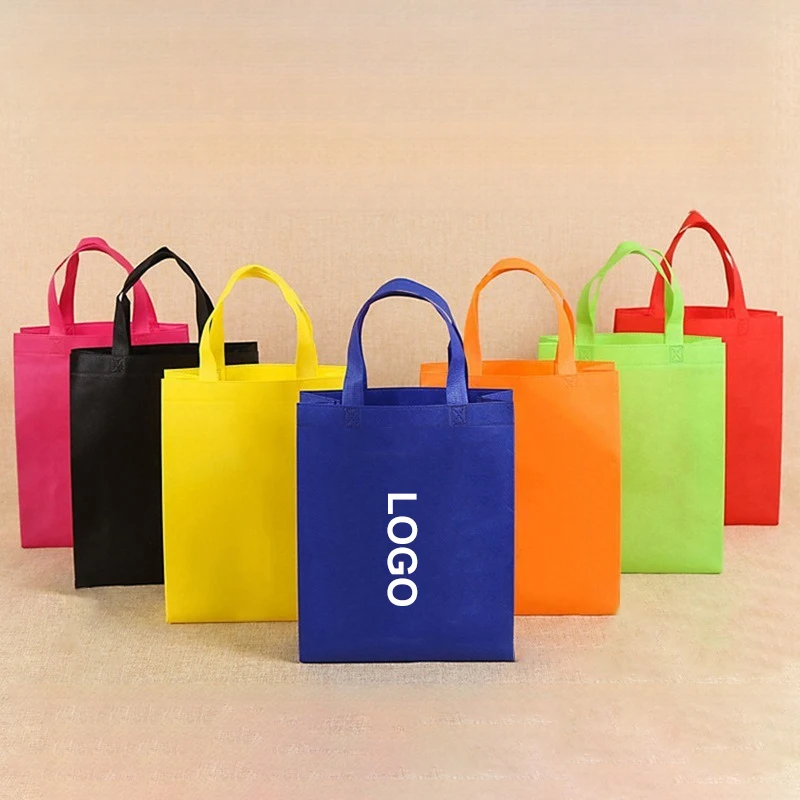
စုပ်သုတ်စရာအိတ်များမှ ထပ်ခါထပ်ခါသုံးနိုင်သော အိတ်များသို့ ပြောင်းလဲခြင်းသည် ရိုးရှင်းသော ထုတ်ကုန်အစားထိုးမှုထက် ပိုမိုကြီးမားသော အရေးကြီးသော ပြောင်းလဲမှုကို ကိုယ်စားပြုပါသည်။ ဤပြောင်းလဲမှုသည် စားသုံးမှုပုံစံများ၊ ပစ္စည်းအရင်းအမြစ်များ စီမံခန့်ခွဲမှုနှင့် စိတ်ဝင်စားသူများ၏ တာဝန်ယူမှုတွင် အခြေခံကျသော ပြောင်းလဲမှုကို ဖော်ပြပါသည်။ ရေရှည်တည်တံ့သော စီမံကိန်းများကို အကောင်အထည်ဖော်နေသော အဖွဲ့အစည်းများသည် ထပ်ခါထပ်ခါသုံးနိုင်သော စုပ်သုတ်စရာအိတ်များသည် မှိုအိတ်များ (virgin plastics) အပေါ် မှီခိုမှုကို လျော့နည်းစေပါသည်၊ ထုတ်လုပ်မှုနှင့် စွန့်ပစ်မှုနှင့် ဆောင်ပါသော ဂါဇ်များ ထုတ်လွှတ်မှုကို လျော့နည်းစေပါသည်၊ ထို့အပြင် ပတ်ဝန်းကျင်နှင့် ကိုက်ညီသော တန်ဖိုးများနှင့် အမှတ်တံဆိပ် ညှိနှိုင်းမှုအတွက် အခွင့်အရေးများကို ဖန်တီးပေးပါသည်။ ဤဆောင်းပါးတွင် ထပ်ခါထပ်ခါသုံးနိုင်သော စုပ်သုတ်စရာအိတ်များသည် ရေရှည်တည်တံ့သော ရည်မှန်းချက်များကို မည်သို့အထောက်အကူပုံဖော်ပေးသည်ကို အထူးသဖြင့် စူးစမ်းလေ့လာပါသည်။ ထို့အပြင် ၎င်းတို့၏ ပတ်ဝန်းကျင်ဆိုင်ရာ စွမ်းဆောင်ရည်၊ စီးပွားရေးဆိုင်ရာ အကျိုးသက်ရောက်မှုများ၊ အပြုအမှုဆိုင်ရာ အရှုပ်အထွေးများနှင့် ရေရှည်တည်တံ့သော စီမံကိန်းများတွင် ပေါင်းစပ်မှုကို စုံစမ်းလေ့လာပါသည်။
ပစ္စည်း၏ ဘဝစက်ဝန်းကို အကောင်းဆုံးဖော်ထုတ်ခြင်းဖြင့် ပတ်ဝန်းကျင်ဆိုင်ရာ သက်ရောက်မှုကို လျော့နည်းစေခြင်း
အရင်းအမြစ် စားသုံးမှုနှင့် ပစ္စည်းအရ ထိရောက်မှု
အကြိမ်ကြိမ်သုံးနိုင်တဲ့ စျေးဝယ်ရေးအိတ်တွေဟာ တစ်ကြိမ်သုံး အစားထိုးပစ္စည်းတွေနဲ့စာရင် ပိုကောင်းတဲ့ ပစ္စည်းထိရောက်မှုကြောင့် ရေရှည်တည်တံ့မှု ရည်မှန်းချက်တွေကို ထောက်ပံ့ပါတယ်။ တစ်ခါသုံး ပလပ်စတစ်အိတ်ထုတ်လုပ်ရာတွင် ရေနံအခြေခံ အရင်းအမြစ်များ လိုအပ်ပြီး ဖန်လုံအိမ်ဓာတ်ငွေ့ထုတ်လွှတ်မှုနှင့် ဓာတုပစ္စည်း ဘေးထွက်ပစ္စည်းများ ဖြစ်ပေါ်စေသော ထုတ်လုပ်မှု လုပ်ငန်းစဉ်များ ရှိသည်။ ဆန့်ကျင်ဘက်အနေနဲ့ polypropylene nonwoven fabric, recycled PET, organic cotton, or jute လို ပစ္စည်းတွေနဲ့ ထုတ်လုပ်ထားတဲ့ ပြန်သုံးလို့ရတဲ့ စျေးဝယ်ရေးအိတ်တွေမှာ သက်တမ်းတိုးဖို့ ပုံစံထုတ်ထားတဲ့ ပစ္စည်းတွေ သုံးပါတယ်။ တစ်ကြိမ်သုံးလို့ရတဲ့ အိတ်တစ်အိတ်ဟာ အသုံးဝင်တဲ့ သက်တမ်းအတွင်းမှာ တစ်ခါသုံး အိတ်ရာနဲ့ ထောင်နဲ့ချီတဲ့ အိတ်တွေကို အစားထိုးနိုင်ပြီး စားသုံးသူရဲ့ သယ်ဆောင်ရေး လိုအပ်ချက်တွေကို ဖြည့်ဆည်းဖို့ လိုအပ်တဲ့ ပစ္စည်း စုစုပေါင်း ထုတ်ကုန်ကို သိသိသာသာ လျှော့ချပေးပါတယ်။
ပြန်လည်အသုံးပြုနိုင်သော စျေးဝယ်ရေးအိတ်များ၏ ပတ်ဝန်းကျင်ဆိုင်ရာ အကျိုးကျေးဇူးသည် ကုန်ကြမ်းထုတ်ယူခြင်း၊ ထုတ်လုပ်မှု စွမ်းအင်သုံးစွဲမှု၊ သယ်ယူပို့ဆောင်ရေး သက်ရောက်မှုနှင့် သက်တမ်းကုန်ဆုံးသည့် အမှိုက်ပစ်လွှတ်မှုတို့ကို ထည့်သွင်းစဉ်းစားသည့် သက်တမ်းပတ်လည် အကဲဖြတ်မှုများ ပြုလုပ်ရာတွင် ထင်ရှားလာသည်။ အကြိမ်ကြိမ်သုံးနိုင်တဲ့ အိတ်တွေဟာ တစ်ကြိမ်သုံး အိတ်တွေထက် ကြိုတင် ရင်းမြစ်တွေ ပိုလိုအပ်ပေမဲ့ သူတို့ရဲ့ အသုံးပြုမှုအဆင့် တိုးချဲ့မှုက ဒီပတ်ဝန်းကျင်ဆိုင်ရာ ကုန်ကျစရိတ်ကို စျေးဝယ်ခရီးများစွာမှာ ဖြန့်ဝေပါတယ်။ လေ့လာမှုတွေက ပြန်သုံးလို့ရတဲ့ စျေးဝယ်ရေးအိတ်တွေဟာ ပစ္စည်းအမျိုးအစားနဲ့ နှိုင်းယှဉ်မှု အခြေခံအဆင့်ကို မူတည်ပြီး သုံးစွဲမှု ဆယ်စုနှစ်အနည်းငယ်ကနေ ရာနဲ့ချီတဲ့ ပတ်ဝန်းကျင်ဆိုင်ရာ ချွတ်ယွင်းမှုအဆင့်ကို ရောက်ရှိပြီး နောက်မှာ တစ်ခါသုံး အစားထိုးပစ္စည်းတွေ ထုတ်လုပ်မှု ရှောင်ရှားခြင်းကနေ ပတ်ဝန်းကျင်အတွက် ပမာ
အမှိုက်စီးကြောင်းကို ပြောင်းရွှေ့ခြင်းနှင့် ညစ်ညမ်းမှု ကာကွယ်ခြင်း
ပြန်လည်အသုံးပြုနိုင်သော စျေးဝယ်အိတ်များသည် ရေရှည်တွင် စွမ်းအင်ခွဲခြမ်းစိတ်ဖြာမှုဆိုင်ရာ ရည်မှန်းချက်များကို ထောက်ပံ့ပေးရာတွင် အထင်ရှားဆုံးနည်းလမ်းများထဲမှ တစ်ခုမှာ စွန်းထောက်မှုများကို စွန်းထောက်မှုစင်တာများနှင့် သဘောတော်သမျှ ပတ်ဝန်းကျင်များမှ ဖယ်ရှားပေးခြင်းဖြစ်သည်။ တစ်ကြိမ်သုံး ပလပ်စတစ်အိတ်များသည် စျေးရောင်းဆိုင်များနှင့် သက်ဆိုင်သော စွန်းထောက်မှုများ၏ အရေးကြီးသော အစိတ်အပိုင်းတစ်ခုဖြစ်ပြီး နှစ်စဥ် ကမ္ဘာတစ်ဝှမ်းလုံးတွင် အိတ်သန်းပေါင်းများစွာသည် စွန်းထောက်မှုစီးဆင်းမှုထဲသို့ ဝင်ရောက်လာပါသည်။ ဤအိတ်များသည် စွန်းထောက်မှုစုဆောင်းမှုစနစ်များမှ မက်ထောက်မှုများ ဖြစ်ပေါ်စေပြီး မြေပြင်နှင့် သမုဒ္ဒရာ စနစ်များတွင် ရှည်လျားစွာ ကြာမှုရှိသော ညစ်ညမ်းမှုများအဖြစ် ဖြစ်ပေါ်လာပါသည်။ ထိုအိတ်များသည် မြေကြီးနှင့် ရေကို ညစ်ညမ်းစေသည့် မိုက်ခရိုပလပ်စတစ်များအဖြစ် အစိတ်အပိုင်းငယ်များအဖြစ် ကွဲထွက်လေ့ရှိပါသည်။ ပြန်လည်အသုံးပြုနိုင်သော စျေးဝယ်အိတ်များသည် ဤစွန်းထောက်မှုများကို အရင်းအမြစ်မှ ဖယ်ရှားပေးပါသည်။ ထို့ကြောင့် အသုံးပြုပြီးနောက် ဆယ်စုနှစ်ပေါင်းများစွာ သို့မဟုတ် ရှေးနောက်ကြာမှုရှိသော ဇီဝအားဖြင့် မကွဲပွဲနိုင်သော ပစ္စည်းများ၏ စုပုံမှုကို ကာကွယ်ပေးပါသည်။
ညစ်ညမ်းမှုကာကွယ်ရေးဆိုသည့် အချက်သည် အမြဲတမ်းမဟုတ်သော အမှိုက်စုပုံမှုစီမံခန့်ခွဲမှုကို ကျော်လွန်၍ ထုတ်လုပ်မှုနှင့် ဆက်စပ်သော ပတ်ဝန်းကျင်ဆိုင်ရာ ထုတ်လွှတ်မှုများကို လျော့နည်းစေရန် အထိ ပါဝင်ပါသည်။ အသုံးပြုပြီးသော ပလပ်စတစ်အိတ်များကို ထုတ်လုပ်သည့် စက်ရုံများသည် လေထုထုတ်လွှတ်မှုများ၊ ရေထုထုတ်လွှတ်မှုများနှင့် အန္တရာယ်ရှိသော အမှိုက်စီးကြောင်းများကို ထုတ်လုပ်ကြောင်းဖြစ်စေပါသည်။ ထိုအမှိုက်စီးကြောင်းများကို ကုသမှုနှင့် စီမံခန့်ခွဲမှုလိုအပ်ပါသည်။ ပုံမှန်အသုံးပြုပြီးသော အိတ်များအစား ပြန်လည်အသုံးပြုနိုင်သော ဝယ်ယူရေးအိတ်များကို ပိုမိုအသုံးပြုခြင်းဖြင့် အသုံးပြုပြီးသော အိတ်များထုတ်လုပ်ရေးအတွက် လိုအပ်သည့် ဝယ်လုံးများကို လျော့နည်းစေခြင်းဖြင့် ဤလုပ်ငန်းစဉ်များ၏ ပတ်ဝန်းကျင်ဆိုင်ရာ အကျိုးသက်ရောက်မှုများကို အချိုးကျစွာ လျော့နည်းစေပါသည်။ ဤစနစ်တက်သော လျော့နည်းမှုသည် ပေးသွင်းရေးကွန်ရက်၏ ပတ်ဝန်းကျင်ဆိုင်ရာ စွမ်းဆောင်ရည်နှင့် သက်ဆိုင်သည့် အဖွဲ့အစည်း၏ ရေရှည်တည်တံ့ခံနိုင်ရေး ရည်မှန်းချက်များကို ပံ့ပိုးပေးပါသည်။ ထို့အပ alongside ထုတ်လုပ်မှုနေရာများတွင် ဒေသတွင်း လေထုနှင့် ရေထုအရည်အသွေး မြင့်မားလာရေးကိုလည်း အထောက်အပံ့ပေးပါသည်။
တန်ဖိန်းတန်ဖိန်း လျော့နည်းမှု (Carbon Footprint Reduction) – တန်ဖိန်းတန်ဖိန်း တန်ဖိန်းတန်ဖိန်း တန်ဖိန်းတန်ဖိန်း တန်ဖိန်းတန်ဖိန်း တန်ဖိန်းတန်ဖိန်း တန်ဖိန်းတန်ဖိန်း တန်ဖိန်းတန်ဖိန်း တန်ဖိန်းတန်ဖိန်း တန်ဖိန်းတန်ဖိန်း တန်ဖိန်းတန်ဖိန်း တန်ဖိန်းတန်ဖိန်း တန်ဖိန်းတန်ဖိန်း တန်ဖိန်းတန်ဖိန်း တန်ဖိန်းတန်ဖိန်း တန်ဖိန်းတန်ဖိန်း တန်ဖိန်းတန်ဖိန်း တန်ဖိန်းတန်ဖိန်း တန်ဖိန်းတန်ဖိန်း တန်ဖိန်းတန်ဖိန်း တန်ဖိန်းတန်ဖိန်း တန......
ရာသီဥတုပြောင်းလဲမှုကို လျော့ပါးစေရန် ဆောင်ရွက်ခြင်းသည် ခေတ်မှီ စွမ်းအင်ခွင့်အာဏာနှင့် ရေရှည်တည်တံ့သော ဖွံ့ဖြိုးမှုနောက်ခံမှုများ၏ အဓိက အချက်အချို့ဖြစ်ပြီး ပြန်လည်အသုံးပြုနိုင်သော စျေးဝယ်အိတ်များသည် မတူညီသော နည်းလမ်းများဖြင့် ဂရီန်ဟောက်စ်ဂက်စ်ထုတ်လုပ်မှုကို လျော့ပါးစေပါသည်။ အသစ်သော ပလပ်စတစ်ကို ထုတ်လုပ်ရန်အတွက် စွမ်းအင်အသုံးများသော ပိုလီကြေးမ် ဓာတုလုပ်ငန်းစဉ်များ လိုအပ်ပါသည်။ ထို့အတူ ပြန်လည်အသုံးပြုနိုင်သော အိတ်များကို ပြန်လည်အသုံးပြုထုတ်လုပ်ထားသော သို့မဟုတ် ပြန်လည်မွေးဖွားနိုင်သော ပစ္စည်းများဖြင့် ထုတ်လုပ်ခြင်းသည် အသုံးပြုမှုအလုပ်အကိုင်အတွက် ကုန်ကုန်ကုန်သုံးစွဲမှု အနည်းငယ်သာ လုပ်ဆောင်ရန် လိုအပ်ပါသည်။ စားသုံးသူများသည် စျေးဝယ်အိတ်များ အကြိမ်ကြိမ် အသုံးပြုကြသည့်အခါ တစ်ခါသုံးပွဲအိတ်များနှင့် နှိုင်းယှဉ်ပါက စျေးဝယ်ခရီးတစ်ခါလျှင် အသုံးပြုမှုအလုပ်အကိုင်အတွက် ကုန်ကုန်ကုန်သုံးစွဲမှုသည် သိသိသာသာ လျော့နည်းလာပါသည်။
သယ်ယူပို့ဆောင်ရေးနှင့် ဖြန့်ဖြူးရေး လော်ဂီစ်တစ်ကုန်စည်များသည်လည်း ကာဗွန်အထုပ်တွင် အရေးပါသော အချက်များဖြစ်ပါသည်။ အသုံးပြုပြီးသော အိတ်များထက် ပုံမှန်အားဖြင့် ပြန်လည်အသုံးပြုနိုင်သော အိတ်များသည် အလေးချိန်များပြီး အရှုပ်ထွေးမှုများသောကြောင့် တစ်ခုလျှင် ပိုမိုများပြားသော လောင်စာကုန်သုံးမှုကို လိုအပ်သော်လည်း ဤအားနည်းချက်သည် အစားထိုးရန် လိုအပ်သည့် အကြိမ်ရေအား အလွန်အမင်း လျော့နည်းသောကြောင့် ဖြေရှင်းနိုင်ပါသည်။ ထို့အပ besides၊ ပြန်လည်အသုံးပြုနိုင်သော အိတ်များအတွက် အစီအစဉ်များအများစုတွင် ဒေသတွင်း (သို့) ဒေသခွဲတွင်း ထုတ်လုပ်မှုများကို ပါဝင်စေပါသည်။ ထိုသို့ဖြင့် ကမ္ဘာလုံးဆိုင်ရာ အသုံးပြုပြီးသော အိတ်များ ထုတ်လုပ်မှုနှင့် နှိုင်းယှဉ်ပါက ပိုမိုတိုတောင်းသော ပေးပို့ရေး လမ်းကြောင်းများနှင့် သယ်ယူပို့ဆောင်ရေး အကွာအဝေးများကို ရရှိစေပါသည်။ Scope 3 အား စောင်းထောက်မှုများကို ခြေရှားနေသည့် အဖွဲ့အစည်းများအနက် အရောင်းအဝယ်လုပ်ငန်းများကို ပြန်လည်အသုံးပြုနိုင်သော အိတ်များသို့ ပြောင်းလဲခြင်းသည် ကာဗွန်အောက်စိုက်ခြင်း ပန်းတော်များနှင့် သိပ္ပံနည်းကျ အခြေခံသော အားနည်းချက်များ လျော့နည်းရေး ကတိများသို့ တိကျသော အဆင့်များကို အောင်မြင်စေပါသည်။
ရေရှည်တွင် စွမ်းအင်ခြေလှမ်းမှုများနှင့် စားသုံးသူများ၏ ပါဝင်မှုများ
မြင်သာသော ရေရှည်တွင် စွမ်းအင်ခြေလှမ်းမှုများကို ဖန်တီးခြင်း
ပြန်လည်အသုံးပြုနိုင်သော ဝယ်ထောင်အိတ်များသည် စွမ်းအင်ခွဲခြမ်းစိတ်ဖြာမှုဆိုင်ရာ ရည်မှန်းချက်များနှင့် လူတစ်ဦးချင်းစီ၏ လက်တွေ့ကျသော လုပ်ရပ်များကြား ကွာဟခြင်းကို ဖြည့်သွင်းပေးသည့် အမြင်အားဖြင့် သိသာထင်ရှားသော နေ့စဉ်အသုံးပြုမှုများဖြစ်ပါသည်။ ပုံမှန်အားဖြင့် ပေးသွင်းရေးကွန်ရက်များ သို့မဟုတ် ထုတ်လုပ်မှုလုပ်ငန်းစဉ်များတွင် နောက်ကွယ်တွင် ဖြစ်ပေါ်လာသည့် အခြားသော စွမ်းအင်ခွဲခြမ်းစိတ်ဖြာမှုဆိုင်ရာ လုပ်ရှားမှုများနှင့် ကွဲပါသည်။ ပြန်လည်အသုံးပြုနိုင်သော ဝယ်ထောင်အိတ်များကို အသုံးပြုခြင်းသည် ပတ်ဝန်းကျင်ထိန်းသိမ်းရေးအတွက် မှုခဲ့သော အမြင်အားဖြင့် သိသာထင်ရှားပြီး ပါဝင်ပါဝင်ပါဝင်သော အစိတ်အပိုင်းတစ်ခုဖြစ်ပါသည်။ ဤအမြင်အားဖြင့် သိသာထင်ရှားမှုသည် စိတ်ပိုင်းဆိုင်ရာ ပါဝင်မှုကို ဖော်ပေးပေးပါသည်။ ထို့ကြောင့် စွမ်းအင်ခွဲခြမ်းစိတ်ဖြာမှုဆိုင်ရာ အပြုအမှုများကို ပိုမိုမှုခဲ့စေပါသည်။ ထိုအပြုအမှုများသည် အိတ်အသုံးပြုမှုကို ကျော်လွန်၍ အခြားသော စားသုံးမှုဆိုင်ရာ ဆုံးဖြတ်ချက်များသို့ ပျံ့နှံ့သွားတတ်ပါသည်။ ဤအပြုအမှုဆိုင်ရာ အရှုပ်အထွေးကို အသုံးချသည့် စျေးဆိုင်များနှင့် အဖွဲ့အစည်းများသည် ပြန်လည်အသုံးပြုနိုင်သော ဝယ်ထောင်အိတ်များသည် စွမ်းအင်ခွဲခြမ်းစိတ်ဖြာမှုဆိုင်ရာ ပညာရေးနှင့် စျေးကွက်အဖွဲ့ဝင်များနှင့် ပူးပေါင်းဆောင်ရွက်မှုများအတွက် အစပေးသည့် အရာများဖြစ်ကြောင်း တွေ့ရှိခဲ့ကြပါသည်။
စားသောက်ကုန်အိတ်များကို မှတ်မိခြင်း၊ ယူဆောင်လာခြင်းနှင့် ပြန်လည်အသုံးပြုခြင်းသည် စားသောက်ကုန်ဝယ်ယူမှုပုံစံများနှင့် စွန်းထောင်စရာများ ထုတ်လုပ်မှုအပေါ် သတိပေးမှုကို ဖော်ထုတ်ပေးပါသည်။ ဤသတိပေးမှုသည် စွန်းထောင်စရာများကို ပုံမှန်အားဖြင့် လက်ခံလေ့ရှိပြီး အရင်းအမြစ်များကို အသုံးပြုပြီး စွန်းထောင်စရာများ ဖော်ထုတ်ခြင်းကို အားပေးသည့် အဆင်ပေးမှုအပေါ် အခြေခံသော စိတ်နေသော အမြင်ကို ဆန့်ကျင်ပါသည်။ စားသောက်ကုန်အိတ်များကို ပြန်လည်အသုံးပြုရန် စားသောက်ကုန်ဝယ်ယူသူများ တက်ကြွစွာ ရွေးချယ်သည့်အခါ သူတို့သည် ရေရှည်တွင် စွမ်းအင်ခြောက်ခြောက်နှင့် ပတ်ဝန်းကျင်ထိန်းသိမ်းရေးတန်ဖိုးများနှင့် ကိုက်ညီသည့် ပတ်ဝန်းကျင်ထိန်းသိမ်းရေးနေရာတွင် ပါဝင်ခြင်းကို ပြသပါသည်။ ပြန်လည်အသုံးပြုနိုင်သည့် စားသောက်ကုန်အိတ်များကို မြှင့်တင်ပေးသည့် အဖွဲ့အစည်းများသည် ဤအပြုအမှုပြောင်းလဲမှုသည် အခြားသော ပတ်ဝန်းကျင်ထိန်းသိမ်းရေးဆောင်ရွက်မှုများကို လက်ခံရန် ပိုမိုဖွင့်လှစ်လာခြင်းနှင့် ဆက်စပ်နေကြောင်း သတိပြုမိပါသည်။ ထိုသို့သော အခြေခံအားဖြင့် ပတ်ဝန်းကျင်ထိန်းသိမ်းရေးဆောင်ရွက်မှုများသည် ထုတ်ကုန်ဒီဇိုင်း၊ ထုပ်ပိုးမှုလျှော့ချခြင်းနှင့် စိတ်ကူးယဉ်သော စီးပွားရေးစနစ်များအထိ ကျယ်ပေါ်စွာ ပြန်လည်အသုံးပြုခြင်းကို အားပေးပါသည်။
လူမှုရေးအများပြောင်းလဲမှုနှင့် အသိုင်းအဝိုင်းအဆင့်တွင် အကျော်အထင်ဖြစ်မှု
ပြန်လည်အသုံးပြုနိုင်သော စျေးဝယ်အိတ်များကို အသုံးများလာခြင်းသည် လူမှုရေးအရ စံနှုန်းများ ဖော်ပေးခြင်း အကျိုးသက်ရောက်မှုများကို ဖန်တီးပေးပြီး အသိုင်းအဝိုင်းနှင့် ဈေးကွက်အဆင့်တွင် ရေရှည်တည်တံ့သော ဖွံ့ဖြိုးမှုကို အရ быстрее ဖော်ဆောင်ပေးပါသည်။ ပြန်လည်အသုံးပြုနိုင်သော အိတ်များသည် စျေးဆိုင်များတွင် ပိုမိုများပားလာသည်နှင့်အမျှ ၎င်းတို့၏ အသုံးပြုမှုသည် ထူးခြားသော အသုံးပြုမှုမှ မျှော်လင့်ထားသော အသုံးပြုမှုသို့ ပြောင်းလဲသွားပါသည်။ ထိုသို့သော ပြောင်းလဲမှုသည် တာဝန်ယူမှုရှိသော စားသုံးမှုအတွက် အသစ်သော အခြေခံစံနှုန်းများကို သတ်မှတ်ပေးပါသည်။ ဤသို့သော လူမှုရေးအရ စံနှုန်းများ ပြောင်းလဲမှုသည် အသုံးပြုမှုကို လက်ခံရေးအတွက် လူမှုရေးအရ အတားအဆီးများကို လျော့နည်းစေပြီး အသုံးပြုမှု ပိုမိုများပားလာခြင်းကို အားပေးသော အပေါ်ယံအကျိုးသက်ရောက်မှုများ (positive feedback loops) ကို ဖန်တီးပေးပါသည်။ အိတ်များအတွက် စည်းမျဉ်းများ သို့မဟုတ် လျှော့ချရေးအစီအစဉ်များကို အကောင်အထည်ဖော်နေသော အသိုင်းအဝိုင်းများနှင့် မြို့နယ်များသည် ပြန်လည်အသုံးပြုနိုင်သော စျေးဝယ်အိတ်များကို စုပေါင်းသော ပတ်ဝန်းကျင်ဆိုင်ရာ လုပ်ရွက်မှုများအတွက် အဓိကအချက်အဖြစ် အသုံးပြုကြပါသည်။ ထိုသို့သော လုပ်ရွက်မှုများသည် ရေရှည်တည်တံ့သော ဖွံ့ဖြိုးမှုရည်မှန်းချက်များသို့ ရောက်ရှိရေးအတွက် အကောင်အထည်ဖော်နိုင်သော အဆင့်များကို ပြသပေးပါသည်။
လူမှုရေးဆိုင်ရာ အချက်များသည် အများသိမှုရှိသော အများသုံး အမှတ်တံဆိပ်များနှင့် ကုမ္ပဏီ၏ ဂုဏ်သတ္တိအပေါ် သက်ရောက်မှုအထိ ကျယ်ပေါ်လာပါသည်။ အများသုံး အမှတ်တံဆိပ်ဖြင့် ထပ်မံအသုံးပြုနိုင်သော စားဝတ်နေရေးအိတ်များကို ဖြန့်ဖြူးပေးနေသည့် ကုမ္ပဏီများသည် စွမ်းအင်ခွဲခြမ်းစိတ်ဖြာမှုနှင့် ပတ်ဝန်းကျင်ထိန်းသိမ်းရေးအတွက် အောင်မြင်မှုရှိသည့် ခေါင်းဆောင်များအဖြစ် ကိုယ်ကိုယ်ကို တင်ပြကြသည်။ ထို့အပေါ်အခြေခံ၍ ပတ်ဝန်းကျင်ထိန်းသိမ်းရေးအတွက် ကုမ္ပဏီ၏ ကတိမှုများကို လှုပ်ရှားမှုအဖြစ် ဖော်ပေါ်စေသည့် လှုပ်ရှားမှုများကို ဖန်တီးပေးပါသည်။ ထိုနှစ်မျှော်မှုနှစ်ခုသည် စျေးကွက်ရေးရာ ရည်မှန်းချက်များကို ပံ့ပိုးပေးသည့်အပေါ်အခြေခံ၍ စွမ်းအင်ခွဲခြမ်းစိတ်ဖြာမှုနှင့် စွမ်းအင်ခွဲခြမ်းစိတ်ဖြာမှုကို လျော့နည်းစေရန် ယဉ်ကျေးမှုအပေါ် ပိုမိုကျယ်ပေါ်သော အပေါ်မှုများကို ဖန်တီးပေးပါသည်။ စျေးကွက်ရေးရာ အဖွဲ့အစည်းများသည် စျေးကွက်ရေးရာ အဖွဲ့အစည်းများ၏ အမြင်များကို တိုင်းတာသည့်အခါ ထပ်မံအသုံးပြုနိုင်သော စားဝတ်နေရေးအိတ်များကို အသုံးပြုသည့် စွမ်းအင်ခွဲခြမ်းစိတ်ဖြာမှုဆိုင်ရာ လှုပ်ရှားမှုများသည် ပိုမိုမှုန်းမှုရှိသည့် စျေးကွက်ရေးရာ လှုပ်ရှားမှုများထက် ပိုမိုအပေါ်မှုရှိသည့် အဖွဲ့အစည်းများကို ဖန်တီးပေးသည်ဟု တွေ့ရှိရပါသည်။ ထို့ကြောင့် ပတ်ဝန်းကျင်ထိန်းသိမ်းရေးအတွက် ထင်ရှားသည့် လှုပ်ရှားမှုများသည် ပတ်ဝန်းကျင်ထိန်းသိမ်းရေးအတွက် စိတ်ဝင်စားသည့် စျေးကွက်ရေးရာ အဖွဲ့အစည်းများအကြား ယုံကြည်မှုနှင့် အများသုံး အမှတ်တံဆိပ်အပေါ် အောင်မြင်မှုရှိသည့် အဖွဲ့အစည်းများကို ဖန်တီးပေးရန် အရေးကြီးပါသည်။
ပညာရေးဆိုင်ရာ ပလက်ဖောင်းများနှင့် အချက်အလက်များ ဖြန့်ဖြူးခြင်း
ပြန်လည်အသုံးပြုနိုင်သော ဝယ်ယစ်အိတ်များသည် ရေရှည်တည်တံ့သော ဖွံ့ဖေါ်ရေးဆိုင်ရာ ပညာရေးနှင့် အချက်အလက်များ မျှဝေရေးအတွက် ထူးခြားသော အခွင့်အလမ်းများကို ပေးစေပါသည်။ အဖွဲ့အစည်းများစွာတွင် ပတ်ဝန်းကျင်ဆိုင်ရာ မှုန်းသော စာသားများ၊ အသုံးပြုနည်းများ သို့မဟုတ် ရေရှည်တည်တံ့သော ဖွံ့ဖေါ်ရေးဆိုင်ရာ အချက်အလက်များကို အိတ်များ၏ မျက်နှာပြင်ပေါ်တွင် ပုံနှိပ်လေ့ရှိပါသည်။ ထိုသို့ဖွံ့ဖေါ်ရေးဆိုင်ရာ အသုံးပြုမှုများသည် နေ့စဥ်ဝယ်ယစ်မှုများအတွင်း အများပြားသော ပရိသတ်များအထိ ရောက်ရှိနိုင်သော လှုပ်ရှားနေသော ပညာရေးဆိုင်ရာ ကိရိယာများအဖြစ် အိတ်များကို ပြောင်းလဲပေးပါသည်။ ဤပညာရေးဆိုင်ရာ လုပ်ဆောင်ချက်သည် ပတ်ဝန်းကျင်ဆိုင်ရာ စိန်ခေါ်မှုများအကြောင်း သတိပေးခြင်း၊ အပြုအမှုဆိုင်ရာ အကောင်းမွန်ဆုံး လုပ်ဆောင်နည်းများကို မြှင့်တင်ခြင်းနှင့် အဖွဲ့အစည်းများ၏ ပတ်ဝန်းကျင်ဆိုင်ရာ ကတိများကို ထုတ်ဖော်ပြခြင်းတို့ဖွဲ့စည်းပီး ရေရှည်တည်တံ့သော ဖွံ့ဖေါ်ရေးဆိုင်ရာ ရည်မှန်းချက်များကို ပံ့ပိုးပေးပါသည်။ အိတ်များကို ပုံမှန်အားဖြင့် အသုံးပြုခြင်းကြောင့် ဖြစ်ပေါ်လာသော ထပ်ခါထပ်ခါ ထိတွေ့မှုများသည် တစ်ကြိမ်သာ ထိတွေ့မှုရှိသော ဆက်သွယ်ရေးနည်းလမ်းများထက် ပိုမိုထိရောက်စွာ စာသားများကို မှတ်သားစေပါသည်။ ထိုသို့ဖွံ့ဖေါ်ရေးဆိုင်ရာ သတိပေးမှုများသည် ပတ်ဝန်းကျင်ဆိုင်ရာ သတိပိုမိုမြင့်မားလာခြင်းနှင့် တန်ဖိုးများ ရေရှည်တွင် ပြောင်းလဲလာခြင်းတို့ကို အထောက်အကူပုံဖေးပေးပါသည်။
ပြန်လည်အသုံးပြုနိုင်သော စျေးဝယ်အိတ်များနှင့် ဆက်စပ်သော ပညာရေးဆောင်ရွက်မှုများသည် ပလပ်စတစ်ညစ်ညမ်းမှု၊ ပြန်လည်အသုံးပြုခြင်းစနစ်များ၊ ရေရှည်တည်တံ့သော စိုက်ပျိုးရေးနှင့် ရာသီဥတုပြောင်းလဲမှု စသည့် ပိုမိုကျယ်ပေါင်းသော ရေရှည်တည်တံ့သောဖွံ့ဖြိုးမှုဆိုင်ရာ အကြောင်းအရာများကို မက်ထားလေ့ရှိပါသည်။ နေ့စဉ်အသုံးပြုသော အရာဝတ္ထုများကို ပိုမိုကြီးမားသော ပတ်ဝန်းကျင်ဆိုင်ရာ အခြေအနေများနှင့် ချိတ်ဆက်ပေးခြင်းဖြင့် ဤအစီအစဉ်များသည် စားသုံးသူများအား ကိုယ်ပိုင်လုပ်ရပ်များသည် စနစ်တကျဖွဲ့စည်းထားသော ပတ်ဝန်းကျင်ဆိုင်ရာ အကျိုးဆက်များနှင့် မည်သို့ဆက်စပ်နေကြောင်းကို နားလည်စေပါသည်။ ရေရှည်တည်တံ့သောဖွံ့ဖြိုးမှုဆိုင်ရာ စုံလင်သော ဗျူဟာများကို အကောင်အထည်ဖော်နေသော အဖွဲ့အစည်းများသည် ပြန်လည်အသုံးပြုနိုင်သော စျေးဝယ်အိတ်များကို စကားစမှုအစပေးသော အရာများအဖြစ် အသုံးပြုကြပါသည်။ ထိုသို့သော အရာများသည် ပတ်ဝန်းကျင်ဆိုင်ရာ အကြောင်းအရာများနှင့် ပိုမိုနက်ရှိုင်းစွာ ပါဝင်ပါဝင်ဆောင်ရွက်နိုင်ရန် အခွင့်အလမ်းများကို ဖန်တီးပေးပါသည်။ ထို့အပါအဝင် စွန်းထောက်စွန်းလျှော့ချရေးအစီအစဉ်များ၊ ထုတ်ကုန်အကြီးအကဲမှုဆိုင်ရာ စီမံကိန်းများနှင့် စျေးရောင်းလုပ်ငန်းများကို ကျော်လွန်သော ပူးပေါင်းဆောင်ရွက်မှုများတွင် စုပ်သွင်းမှုများကို ဖန်တီးပေးပါသည်။
စီးပွားရေးဆိုင်ရာ အရံ့များနှင့် လုပ်ငန်းအကျိုးကျေးနှံ့မှုနှင့် ကိုက်ညီမှု
ကျေးကျင်ခြင်းနှင့် လုပ်ငန်းစဉ်အထောက်အပံ့
ပြန်လည်အသုံးပြုနိုင် စျေးဝယ်အိတ်များ ပတ်ဝန်းကျင်ဆိုင်ရာ အစီအစဉ်များအတွက် စီးပွားရေးအခြေအနေကို အားဖြည့်ပေးသော စီးပွားရေး အကျိုးကျေးဇူးများ ရရှိစေရင်း ရေရှည်တည်တံ့မှု ရည်မှန်းချက်များကို ထောက်ပံ့ပေးခြင်း။ တစ်ခါသုံးအိတ်တွေကို အခမဲ့ပေးတာမှ ပြန်သုံးလို့ရတဲ့ အစားထိုးပစ္စည်းတွေကို ရောင်းချဖို့ ဒါမှမဟုတ် ကြော်ငြာဖို့ ပြောင်းနေတဲ့ လက်လီရောင်းသူတွေဟာ အိတ်ဝယ်ယူမှု ကုန်ကျစရိတ် လျှော့ချမှုကြောင့် တိုက်ရိုက် ကုန်ကျစရိတ် သက်သာမှုကို တွေ့ရှိရပါတယ်။ အကြိမ်ကြိမ်သုံးနိုင်တဲ့ စျေးဝယ်ရေးအိတ်တွေဟာ တစ်ယူနစ်အတွက် သုံးစွဲလို့ရတဲ့ ရွေးချယ်မှုထက် ပိုမြင့်တဲ့ ကုန်ကျစရိတ်တွေ ရှိပေမဲ့၊ ဖောက်သည်တွေ သူတို့ကိုယ်ပိုင် အိတ်တွေ ပေးတဲ့အခါ စုစုပေါင်း ကုန်ကျစရိတ်က လျော့ကျသွားပြီး တချိန်လုံး အစားထိုးဖို့ လိုအပ်မှု မရှိတော့ပါဘူး။ ဒီသက်သာမှုကို အခြားတည်တံ့မှု ရင်းနှီးမြှုပ်နှံမှုဆီ ပြန်လည် ဦးတည်နိုင်ပြီး လုပ်ငန်းတစ်ခုလုံးမှာ တိုးတက်တဲ့ ပတ်ဝန်းကျင် တိုးတက်မှုအတွက် ငွေကြေးထောက်ပံ့တဲ့ ကောင်းမွန်တဲ့ စက်ဝန်းတွေ ဖန်တီးတယ်။
စီးပွားရေးအကျိုးကျေးနဲ့မှုများသည် တိုက်ရိုက်သုံးစွဲသည့် ပစ္စည်းစုံစုံစမ်းစရိတ်များကို ကျော်လွန်၍ စွန်းထောင်စုံစုံစမ်းစရိတ်များအထိ ပါဝင်ပါသည်။ စုံစုံစမ်းအိတ်များ ဖြန့်ဝေမှုကို လျှော့ချခြင်းဖြင့် စျေးဆိုင်များမှ ထုတ်လုပ်သည့် စုံစုံစမ်းပမာဏကို လျှော့ချနိုင်ပါသည်။ ထိုစုံစုံစမ်းများကို စုဆောင်းခြင်း၊ သယ်ဆောင်ခြင်းနှင့် စုံစုံစမ်းဖျက်ဆီခြင်း လုပ်ငန်းများအတွက် လိုအပ်သည့် ပမာဏကို လျှော့ချနိုင်ပါသည်။ စုံစုံစမ်းသယ်ဆောင်ရေး စာချုပ်များသည် ပမာဏအလိုက် စုံစုံစမ်းသယ်ဆောင်စရိတ်များကို သတ်မှတ်လေ့ရှိပါသည်။ ထို့ကြောင့် စုံစုံစမ်းအိတ်များမှ ထုတ်လုပ်သည့် စုံစုံစမ်းပမာဏကို လျှော့ချခြင်းဖြင့် ဝန်ဆောင်မှုစရိတ်များကို လျှော့ချနိုင်ပါသည်။ ထို့အတူ လုပ်ငန်းဆောင်တာများကို ပိုမိုထိရောက်စေနိုင်ပါသည်။ စုံစုံစမ်းစရိတ်စုစုံမှတ်တမ်းများကို စောင်းမှတ်ထားသည့် အဖွဲ့အစည်းများသည် ပုံမှန်အိတ်များအစား ပုံမှန်အသုံးပြုနိုင်သည့် စုံစုံစမ်းအိတ်များ အစီအစဉ်များတွင် ရင်းနှီးမှုများသည် အချိန်အတော်လေး တိုတောင်းသည့် ကာလအတွင်း အကျိုးအမြတ်များကို ဖော်ထုတ်နိုင်ကြောင်း တွေ့ရှိရပါသည်။ ထိုအကျိုးအမြတ်များသည် ပလပ်စတစ်အိတ်များကို တားမြစ်ခြင်း သို့မဟုတ် အခက်အခဲများကို စီမံခန့်ခွဲသည့် နေရာများတွင် စီမံခန့်ခွဲမှုအတွက် လိုက်နာရမည့် စံနှုန်းများကို ရှောင်ရှားနိုင်သည့် စရိတ်များကို ထည့်သွင်းစဉ်းစားသည့်အခါ ပိုမိုထင်ရှားလေးနက်ပါသည်။
လျှပ်စစ်သို့ မှတ်တမ်းတင်ခြင်းနှင့် အချိန်အတွင်းရှိ အဆင်မပြေရာများကို မြှင့်တင်ခြင်း
အသုံးပြုပြီးသော ပလတ်စတစ်များကို ပိတ်ပင်ရန် စည်းမျဉ်းများ တိုးချဲ့လာခြင်းသည် ထပ်မံအသုံးပြုနိုင်သော ဝယ်ယူရေးအိတ်များကို စည်းမျဉ်းနှင့်အညီ လုပ်ဆောင်ရန်နှင့် စွန်းထောက်မှုများကို လျှော့ချရန်အတွက် အရေးကြီးသော ကိရိယာများဖြစ်စေသည်။ ကမ္ဘာတစ်ဝှမ်းရှိ အစိုးရများသည် စွန်းထောက်မှုများကို တားမြစ်ခြင်း၊ အခက်အခဲများ သတ်မှတ်ခြင်းနှင့် ကန့်သတ်ခြင်းများကို အကောင်အထည်ဖော်ခဲ့ပြီး စီးပွားရေးလုပ်ငန်းများအနက် စတိုးရိုးများသည် ထပ်မံအသုံးပြုနိုင်သော အစားထိုးနည်းလမ်းများသို့ ပြောင်းလဲရန် ဥပဒေရေးရာ တာဝန်များကို ဖန်တီးပေးခဲ့သည်။ ထပ်မံအသုံးပြုနိုင်သော ဝယ်ယူရေးအိတ်များကို ကြိုတင်၍ အသုံးပြုသည့် အဖွဲ့အစည်းများသည် စည်းမျဉ်းများ၏ ရှေ့နောက်အကြောင်းအရာများကို ကြိုတင်သိရှိထားပြီး အရေးပေါ်အခြေအနေများတွင် စည်းမျဉ်းနှင့်အညီ လုပ်ဆောင်ရန် အချိန်မှုန်းမှုများနှင့် အလားအလာရှိသော အရေးယူမှုများကို ရှောင်ရှားနိုင်ပါသည်။ ထို့အပါအဝင် ပတ်ဝန်းကျင်ထိန်းသိမ်းရေး ခေါင်းဆောင်မှုကို ပြသရန် အခွင့်အလမ်းများကိုလည်း ဖန်တီးပေးပါသည်။ ထိုသို့သော အနာဂတ်ကို ကြိုတင်စဥ်းစားသည့် ချဉ်းကပ်မှုသည် ရှေးနှင့်အညီ စီမံကိန်းရေးဆွဲမှုနှင့် စွန်းထောက်မှုစီမံခန့်ခွဲမှု အစီအစဉ်များတွင် ပတ်ဝန်းကျင်နှင့် သက်ဆိုင်သော အကြောင်းအရာများကို ထည့်သွင်းစဉ်းစားခြင်းဖြင့် ရေရှည်တည်တံ့သော ဖွံ့ဖြိုးမှု ရည်မှန်းချက်များကို ပံ့ပိုးပေးပါသည်။
စည်းမျဉ်းစည်းကမ်းဆိုင်ရာ အခြေအနေများသည် ပလတ်စတစ်စွန့်ပစ်ပစ္စည်းများကို ပိုမိုတင်းကြပ်စွာ ထိန်းချုပ်ရန်၊ ထုတ်လုပ်သူများ၏ တာဝန်ယူမှုကို ချဲ့ထွင်ပေးရန်နှင့် စက်ဝိုင်းစီးပွားရေး (circular economy) အတွက် အမိန့်များကို အကောင်အထည်ဖော်ရန် ဆက်လက်ပြောင်းလဲလျက်ရှိပါသည်။ ပြန်လည်အသုံးပြုနိုင်သော စျေးဝယ်အိတ်များသည် နယ်မြေအလိုက် ကွဲပြားသော စည်းမျဉ်းစည်းကမ်းများနှင့် ကိုက်ညီသော လျော့ရှင်းနိုင်သော ဖြေရှင်းနည်းများဖြစ်ပါသည်။ ထို့ကြောင့် နေရာအများအပြားတွင် လုပ်ဆောင်နေသည့် လုပ်ငန်းများအတွက် စည်းမျဉ်းစည်းကမ်းနှင့် ကိုက်ညီမှု ရှုပ်ထွေးမှုကို လျော့နည်းစေပါသည်။ ပြန်လည်အသုံးပြုနိုင်သော အိတ်များကို စံနှုန်းတူညီစေရန် စီမံချက်များကို စံနှုန်းတူညီစေခြင်းဖြင့် အဖွဲ့အစည်းများသည် ဒေသအလိုက် ကွဲပြားသော လိုအပ်ချက်များကို လက်ခံနိုင်သည့် စီမံကုန်းများကို ဖန်တီးပေးပါသည်။ ထို့အပေါ်တွင် စွဲမ်းမှုရှိသော ရေရှည်တွင် အသုံးပြုနိုင်သည့် စီမံကုန်းများကို ထိန်းသိမ်းပေးပါသည်။ ထို့အပေါ်တွင် စွဲမ်းမှုရှိသော ရေရှည်တွင် အသုံးပြုနိုင်သည့် စီမံကုန်းများကို ထိန်းသိမ်းပေးပါသည်။ ထို့အပေါ်တွင် စွဲမ်းမှုရှိသော ရေရှည်တွင် အသုံးပြုနိုင်သည့် စီမံကုန်းများကို ထိန်းသိမ်းပေးပါသည်။ ထို့အပေါ်တွင် စွဲမ်းမှုရှိသော ရေရှည်တွင် အသုံးပြုနိုင်သည့် စီမံကုန်းများကို ထိန်းသိမ်းပေးပါသည်။ ထို့အပေါ်တွင် စွဲမ်းမှုရှိသော ရေရှည်တွင် အသုံးပြုနိုင်သည့် စီမံကုန်းများကို ထိန်းသိမ်းပေးပါသည်။ ထို့အပေါ်တွင် စွဲမ်းမှုရှိသော ရေရှည်တွင် အသုံးပြုနိုင်သည့် စီမံကုန်းများကို ထိန်းသိမ်းပေးပါသည်။ ထို့အပေါ်တွင် စွဲမ်းမှုရှိသော ရေရှည်တွင် အသုံးပြုနိုင......
အမှတ်တံဆိပ် ကွဲပြားမှုများမှ တန်ဖိုးဖန်တီးခြင်း
စျေးကွက်သုတေသနများသည် စားသုံးသူများသည် အမှန်တကယ်သော ပတ်ဝန်းကျင်ထိန်းသိမ်းရေး လုပ်ဆောင်မှုများကို ပြသသည့် အများကြီးသော အမှတ်တံဆိပ်များကို ပိုမိုနှစ်သက်လာကြကြောင်း အမြဲတမ်း ဖော်ပြပေးပါသည်။ ထို့ကြောင့် ပတ်ဝန်းကျင်ထိန်းသိမ်းရေး ဗျူဟာများတွင် ပုံမှန်အသုံးပြုနိုင်သည့် စျေးဝယ်အိတ်များကို ပေါင်းစပ်ခြင်းဖြင့် စီးပွားရေးအခွင့်အလမ်းများ ဖန်တီးပေးနိုင်ပါသည်။ အမှတ်တံဆိပ်တပ် ပုံမှန်အသုံးပြုနိုင်သည့် အိတ်များသည် ဖောက်သည်အတွက် တန်ဖိုးမြင့် အရေးပါသည့် အရာများဖြစ်ပြီး ဖောက်သည်အတွေ့အကြုံကို မြှင့်တင်ပေးသည့်အတွက် ပတ်ဝန်းကျင်ထိန်းသိမ်းရေး တန်ဖိုးများကို ဖော်ပြပေးပါသည်။ ထုတ်ကုန်များ အရည်အသွေးမြင့် စျေးဝယ်ဆိုင်များသည် ဆွဲဆောင်မှုရှိပြီး ခံနိုင်ရည်ရှိသည့် စျေးဝယ်အိတ်များကို ပေးအပ်ခြင်းဖြင့် လုပ်ဆောင်ချက်အရ အသုံးဝင်သည့် အရာများကို ဖောက်သည်များ စိတ်ဝင်စားစွာဖြင့် ဝယ်ယူကြပြီး ထပ်ခါထပ်ခါအသုံးပြုလေ့ရှိသည့် ဆွဲဆောင်မှုရှိသည့် အလှအပအရာများအဖြစ် ပေါင်းစပ်ပေးပါသည်။ ထိုသို့ဖောက်သည်များကို ထပ်ခါထပ်ခါအသုံးပြုစေခြင်းဖြင့် ဝင်ငွအပိုရရှိစေပါသည်။ ထို့အတူ စွန်းထွက်စရိတ်လျှော့ချရေး ရည်မှန်းချက်များကိုလည်း အကောင်အထည်ဖော်ပေးပါသည်။ စီးပွားရေးနှင့် ပတ်ဝန်းကျင်ထိန်းသိမ်းရေး ရည်မှန်းချက်များကို တစ်ပါတည်း ညှိနေခြင်းသည် ရှယ်ယာများ အကောင်အထည်ဖော်ခြင်းကို ဖန်တီးပေးနိုင်သည့် ပတ်ဝန်းကျင်ထိန်းသိမ်းရေး လုပ်ဆောင်မှုများ၏ ဥပမာဖြစ်ပါသည်။ ထို့အတူ စုံစမ်းစစ်ဆေးမှုများကို စုံစမ်းစစ်ဆေးမှုများအဖြစ် မှန်ကန်စွာ ဖော်ပြပေးပါသည်။
အမှတ်တံဆိပ်ကွဲပြားခြားနားမှု အလားအလာဟာ စီးပွားရေးလုပ်ငန်းတွေအကြားမှာ တိုးတိုးပြီး တည်တံ့မှု စံတွေကို ထည့်သွင်းထားတဲ့ ကုမ္ပဏီဝယ်ယူမှု ဆုံးဖြတ်ချက်တွေရှိတဲ့ အခြေအနေတွေအထိ ကျယ်ပြန့်ပါတယ်။ အလုပ်သမားတွေ၊ ပွဲတက်သူတွေ၊ ဒါမှမဟုတ် စီးပွားရေး မိတ်ဖက်တွေကို ပြန်သုံးလို့ရတဲ့ စျေးဝယ်ရေးအိတ်တွေ ပေးတဲ့ အဖွဲ့အစည်းတွေဟာ လက်တွေ့ အသုံးဝင်မှု ဖန်တီးရင်း ပတ်ဝန်းကျင်ဆိုင်ရာ ကတိတွေကို ဆက်သွယ်ပေးကြတယ်။ ဒီအက်ပ်တွေက ကုမ္ပဏီတွေရဲ့ လူမှုရေး တာဝန်ယူမှု အစီရင်ခံစာတွေ၊ သက်ဆိုင်တဲ့ အဖွဲ့အစည်းတွေရဲ့ ပါဝင်မှု ရည်မှန်းချက်တွေနဲ့ ယှဉ်ပြိုင်နိုင်စွမ်းကို မြှင့်တင်ပေးတဲ့ တည်တံ့မှု စျေးကွက်တင်ပြမှု အစီအစဉ်တွေကို ထောက်ပံ့ပါတယ်။ အမှတ်တံဆိပ်တန်ဖိုးကို တိုင်းတာတဲ့ ကုမ္ပဏီတွေဟာ မကြာခဏ တွေ့ရှိတာက ပြန်သုံးလို့ရတဲ့ စျေးဝယ်အိတ်တွေလို နေ့စဉ်သုံးပစ္စည်းတွေနဲ့ ပတ်သက်တဲ့ မြင်သာတဲ့ တည်တံ့မှု လုပ်ဆောင်ချက်တွေဟာ သိမြင်မှုနဲ့ အကြိုက်ဆုံးမှုအပေါ် မမျှတတဲ့ အပြုသဘော သက်ရောက်မှုတွေ ဖြစ်ပေါ်စေပြီး ထိတွေ့မှု နည်းတဲ့ ပတ်ဝန်းကျင် ရင်းနှီး
ရှုပ်ထွေးတဲ့ ရေရှည်တည်တံ့မှုဆိုင်ရာ ဘောင်များနှင့် ပေါင်းစပ်ခြင်း
စက်ဝန်းစီးပွားရေး အခြေခံမူများနှင့် ပိတ်လှည့်စနစ်များ
ပြန်သုံးလို့ရတဲ့ စျေးဝယ်ရေးအိတ်တွေဟာ ထုတ်ကုန်တွေရဲ့ သက်တမ်းရှည်မှု၊ ပစ္စည်း ပြန်လည်သုံးစွဲမှု၊ ရင်းမြစ် စက်ဝန်းကို မျဉ်းကြောင်းယူ-ထုတ်-ဖြုတ်ချတဲ့ ပုံစံတွေထက် ဦးစားပေးခြင်းဖြင့် စက်ဝန်းစီးပွားရေး တွေးခေါ်မှုကို ဥပမာပြပါတယ်။ အဆင့်မြင့် ပြန်သုံးလို့ရတဲ့ အိတ် အစီအစဉ်တွေမှာ ရေရှည်ခံနိုင်မှုအတွက် ဒီဇိုင်း၊ ပစ္စည်း ပြန်သုံးနိုင်မှုနဲ့ ကုန်ပစ္စည်းတွေကို ထုတ်လုပ်မှုအတွက် အသုံးပြုနိုင်အောင် ထိန်းသိမ်းတဲ့ သက်တမ်းကုန်တဲ့ စုဆောင်းရေး စနစ်တွေ ပါဝင်ပါတယ်။ စက်ဝန်းစီးပွားရေး အခြေခံမူတွေကို ကျင့်သုံးတဲ့ အဖွဲ့အစည်းတွေဟာ ပြန်သုံးထားတဲ့ ပစ္စည်းကနေ ထုတ်လုပ်တဲ့ စျေးဝယ်ရေးအိတ်တွေကို ရယူပြီး ပစ္စည်းခွဲဖို့ ထုတ်ကုန်တွေကို ဒီဇိုင်းထုတ်ပြီး အသစ်တွေအဖြစ် ပြန်သုံးဖို့ အဝတ်လျှော်အိတ်တွေကို ပြန်ယူတဲ့ အစီအစဉ်တွေ ထူထောင်တယ်။ ဒီစနစ်ကျတဲ့ ချဉ်းကပ်မှုက ဝယ်စရာအိတ်တွေကို တစ်ခါသုံး ကုန်ပစ္စည်းတွေကနေ ပိတ်ထားတဲ့ စက်ဝန်းထဲက ကုန်ကြမ်းစီးဆင်းမှုထဲမှာ ပေါင်းစပ်ထားတဲ့ ရေရှည်ကုန်ပစ္စည်းတွေအဖြစ် ပြောင်းလဲစေတယ်။
စက်ဝန်းအခြေပုံစံ စီးပွားရေးစနစ်ကို ပေါင်းစပ်ခြင်းသည် ပစ္စည်းများတွင် ဆန်းသစ်မှုများနှင့် အမြဲတမ်း တိုးတက်မှုများအထိ ပါဝင်ပါသည်။ နောက်ထပ်မျှော်မှန်းထားသော အသုံးပြုနိုင်သော ဝယ်ယူရေးအိတ်များကို ဖန်တီးနေသည့် ထုတ်လုပ်သူများသည် ဇီဝအခြေပြုပစ္စည်းများ၊ အသုံးပြုမှုအလုပ်အကိုင်အလိုက် ပိုမိုသင့်တော်သော ပေါင်းစပ်နိုင်သော အစားထိုးပစ္စည်းများနှင့် အစိတ်အပိုင်းများကို အစားထိုးနိုင်သည့် ပုံစံများ (မှုန်းမှုန်းပါသည့် အသုံးပြုမှုများ) တွင် စမ်းသပ်မှုများကို ပြုလုပ်နေကြသည်။ ဤဆန်းသစ်မှုများသည် မှုန်းမှုန်းပါသည့် အသုံးပြုမှုများကို လျော့နည်းစေခြင်း၊ စွန်းထွက်မှုများကို အနည်းဆုံးဖြစ်အောင် လျော့နည်းစေခြင်းနှင့် ပတ်ဝန်းကျင်ဆိုင်ရာ တန်ဖိုးများကို ပြန်လည်ထောက်ပံ့ပေးသည့် ပြန်လည်ထွက်ပေါ်လာသည့် စနစ်များကို ဖန်တီးခြင်းတို့ဖြင့် ရေရှည်တည်တံ့သော ရည်မှန်းချက်များကို ပံ့ပိုးပေးပါသည်။ စက်ဝန်းအခြေပုံစံ စီးပွားရေးစနစ်ဆိုင်ရာ စံနှုန်းများကို ခြေရှားနေသည့် အဖွဲ့အစည်းများသည် အသုံးပြုနိုင်သော အိတ်များ၏ ပစ္စည်းများကို ပြန်လည်ရယူမှုနှုန်းများ၊ ပြန်လည်အသုံးပြုသည့် ပစ္စည်းများ၏ အခြေအနေများနှင့် ထုတ်ကုန်များ၏ အသုံးပြုနိုင်သည့် ကာလကို တိုးမှုများကို အဓိက စွမ်းဆောင်ရည်ညွှန်းကိန်းများအဖြစ် ခြေရှားလေ့လာကြသည်။
စိတ်ဝင်စားသူများ အများအပြားပါဝင်သည့် ပူးပေါင်းဆောင်ရွက်မှုနှင့် မိတ်ဖက်ဖွဲ့စည်းမှုများ
ထိရောက်သော ပြန်လည်အသုံးပြုနိုင်သော စျေးဝယ်အိတ်များ အစီအစဉ်များကို အကောင်အထည်ဖော်ရန်အတွက် စျေးဆိုင်များ၊ ထုတ်လုပ်သူများ၊ စားသုံးသူများ၊ စွန်းထွက်ပစ္စည်းစီမံခန့်ခွဲမှုစနစ်များနှင့် မူဝါဒချမ်းသာက်သူများအကြား ပူးပေါင်းဆောင်ပုပ်မှု လိုအပ်ပါသည်။ ပြန်လည်အသုံးပြုနိုင်သော အိတ်များမှတစ်ဆင့် ရေရှည်တည်တံ့သော ဖြစ်နိုင်ရေး ရည်မှန်းချက်များကို အကောင်အထည်ဖော်နေသည့် အဖွဲ့အစည်းများသည် များသောအားဖြင့် လုပ်ငန်းလုပ်ဖော်ကိုင်ဖက်များ ပူးပေါင်းမှုများ၊ အစိုးရ-ပုဂ္ဂလိက ပူးပေါင်းမှုများနှင့် စုံလင်သော စိတ်ဝင်စားမှုရှိသူများ ပါဝင်သည့် စီမံကိန်းများတွင် ပါဝင်ကြပါသည်။ ထိုသည့် ပူးပေါင်းဆောင်ပုပ်မှုများသည် အိတ်များ၏ ဒီဇိုင်း၊ စွမ်းဆောင်ရည် အချက်များနှင့် ပတ်ဝန်းကျင်ဆိုင်ရာ အဆိုအမိန့်များအတွက် အတူတက် စံနှုန်းများကို သတ်မှတ်ပေးပါသည်။ ထို့အပ besides စားသုံးသူများအား ပညာပေးရေးနှင့် အခြေခံအဆောက်အအိမ်များ ဖွံ့ဖော်ရေးအတွက် အရင်းအမြစ်များကို စုစည်းပေးပါသည်။ ပူးပေါင်းဆောင်ပုပ်မှု ချဉ်းကပ်မှုသည် အဖွဲ့အစည်းတစ်ခုချင်းစီ၏ ကြိုးပမ်းမှုများကို ပိုမိုအားကောင်းစေပါသည်။ ထို့ကြောင့် ဈေးကွက်အဆင့်တွင် ပြောင်းလဲမှုများကို ဖန်တီးပေးပါသည်။ ထိုသည့် ပြောင်းလဲမှုများကို တစ်ခုတည်းသော အဖွဲ့အစည်းတစ်ခုဖြင့် သီးသန့် အကောင်အထည်ဖော်နိုင်မည်မဟုတ်ပါ။
အောင်မြင်သော ပူးပေါင်းဆောင်ရွက်မှုပုံစံများတွင် စားသုံးသူများ၏ အဆင်ပြေမှု စိုးရိမ်မှုများ၊ ကုန်ကျစရိတ်ဆိုင်ရာ အာရုံခံမှုနှင့် သန့်ရှင်းမှုဆိုင်ရာ အမြင်များအပါအဝင် ပြန်လည်အသုံးပြုနိုင်သော စျေးဝယ်ရေးအိတ်များ အသုံးပြုမှုအတွက် အတားအဆီးများကို ဖြေရှင်းနိုင်သည်။ လက်လီလုပ်ငန်းတွေ အပြန်အလှန် ပူးပေါင်းဆောင်ရွက်မှုတွေက တစ်ကြိမ်သုံး ရွေးချယ်မှုတွေကနေ ပြောင်းရွေ့မှုမှာ တင်းမာမှုကို လျော့စေတဲ့ အိတ်ဝယ်ယူခြင်း အစီအစဉ်တွေ၊ ချေးငွေစနစ်တွေနဲ့ အဆင်ပြေတဲ့ ဝယ်ယူမှု နေရာတွေကို ဖန်တီးပေးပါတယ်။ မြို့နယ် ပူးပေါင်းဆောင်ရွက်မှုများသည် ပြန်လည်အသုံးပြုနိုင်သော အိတ်များအား လူမျိုးစုံသို့ ရောက်ရှိစေသော အမှိုက်လျှော့ချရေး လှုံ့ဆော်မှုများ၊ ရပ်ရွာအစီအစဉ်များနှင့် ပတ်ဝန်းကျင်ဆိုင်ရာ ပညာရေး အစီအစဉ်များတွင် ပေါင်းစပ်ပေးသည်။ ဒီညီညွတ်တဲ့ အားထုတ်မှုတွေဟာ အခြေခံအဆောက်အအုံတွေ၊ လူမှုရေး စံတွေနဲ့ ရယူလို့ရတဲ့ အခြားရွေးချယ်မှုတွေနဲ့ ထောက်ပံ့တဲ့ ပြန်သုံးလို့ရတဲ့ စျေးဝယ်အိတ်တွေ အလိုအလျောက် ရွေးချယ်မှုဖြစ်လာတဲ့ ကျယ်ပြန့်တဲ့ အခွင့်အလမ်းရှိတဲ့ ပတ်ဝန်းကျင်တွေ တည်ဆောက်ခြင်းကနေ တည်တံ့မှု ရည်မှန်းချက်တွေကို ထောက်ပ
တိုင်းတာခြင်း၊ အစီရင်ခံခြင်းနှင့် ဆက်တိုက် တိုးတက်မှု
ကြီးမားသော တိက်မှုစနစ်များသည် ပုံမှန်အသုံးပြုနိုင်သော ဝယ်ထည့်ရန်အိတ်များသည် အရေအတွက်ဖော်ပြထားသော စွမ်းအားခွင့်ပေးမှုဆိုင်ရာ ပန်းများသို့ မည်သို့ပါဝင်ပေးနေကြောင်း အဖွဲ့အစည်းများအနေဖြင့် ခြေရာခံနိုင်ရန် အထောက်အကူပေးပါသည်။ ခေါင်းဆောင်မှုရှိသော ကုမ္ပဏီများသည် စုပ်သုံးသော အိတ်များ၏ အသုံးပြုမှုနှုန်းကို အခြေခံသော စံချိန်များ သတ်မှတ်ပြီး သိပ္ပံနည်းကျ ရည်မှန်းချက်များနှင့် ကိုက်ညီသော လျော့ချရေးရည်မှန်းချက်များကို သတ်မှတ်ကာ ပုံမှန်အားဖြင့် အစီရင်ခံချက်များ ပေးပို့ခြင်းဖြင့် အဆင့်ဆင့် အောင်မှုများကို စောင်းကြည့်ပါသည်။ အဓိက စွမ်းဆောင်ရည်ညွှန်းကိန်းများတွင် တစ်ခါတည်းသော လုပ်ဆောင်မှုတွင် ဖြန့်ဝေသော အိတ်များ၏ အရေအတွက်၊ ပုံမှန်အသုံးပြုနိုင်သော အိတ်များကို အသုံးပြုသော နှုန်း၊ စွန်းထွက်မှုများကို အခြားနေရာသို့ ရွှေ့ပေးခြင်း (waste diversion) အတွက် ပမ်းထားသော ပမာဏများနှင့် တစ်ခါသုံး အစားထိုးများကို ဖယ်ရှားခြင်းဖြင့် ရှောင်လွှဲနိုင်သော ပတ်ဝန်းကျင်ဆိုင်ရာ အကျိုးသက်ရောက်မှုများ အကဲဖော်မှုများ ပါဝင်ပါသည်။ ဤအချက်အလက်များအပေါ် အခြေခံသော ချဉ်းကပ်မှုသည် တာဝန်ယူမှုကို အားပေးပေးပြီး မှုန်းမှုများကို ရှာဖွေနေပါသည်။ ထို့အပေါ် ပတ်ဝန်းကျင်ဆိုင်ရာ ကတိများသို့ အမှန်တကယ် ရှေးရှုနိုင်သော အဆင့်များကို ပြသပေးပါသည်။
ပြန်လည်သုံးလို့ရတဲ့ စျေးဝယ်ရေးအိတ်များ အစီအစဉ်ရဲ့ စွမ်းဆောင်ရည်ကို ပွင့်လင်းမြင်သာစွာ အစီရင်ခံပေးခြင်းက သက်ဆိုင်ရာအဖွဲ့အစည်းတွေရဲ့ ယုံကြည်မှုကို တည်ဆောက်ပြီး ဆက်တိုက် တိုးတက်မှုကို တွန်းပေးပါတယ်။ ရေရှည်တည်တံ့မှု အစီရင်ခံစာ ထုတ်ဝေတဲ့ အဖွဲ့အစည်းတွေဟာ အမှိုက်လျှော့ချရေး အစီအစဉ်တွေကို ပိုပိုပြီး ကွဲပြားစွာ ရည်စူးကာ ပတ်ဝန်းကျင် ထိန်းသိမ်းမှုဆိုင်ရာ တိကျတဲ့ နမူနာတွေအဖြစ် ပြန်သုံးလို့ရတဲ့ အိတ် အစီအစဉ်တွေကို အသားပေးနေပါတယ်။ တတိယဖက်မှ စစ်ဆေးရေးနှင့် အထောက်အထားပေးရေး စနစ်များသည် ပတ်ဝန်းကျင်ဆိုင်ရာ အဆိုပြုချက်များကို လွတ်လပ်စွာ အတည်ပြုပေးခြင်းဖြင့် အဖွဲ့အစည်းများအကြား ယုံကြည်မှုနှင့် နှိုင်းယှဉ်နိုင်မှုကို မြှင့်တင်ပေးသည်။ ပြန်လည်အသုံးပြုနိုင်သော စျေးဝယ်အိတ်များအနီးရှိ တိုင်းတာခြင်းနှင့် အစီရင်ခံစာထုတ်ပြန်မှု အခြေခံအဆောက်အအုံသည် အချိန်ကြာလာခြင်းဖြင့် ရေရှည်တည်တံ့မှု ရလဒ်များကို တိုးတက်စွာ အားဖြည့်ပေးသော အစီအစဉ်ချဲ့ထွင်မှုများ၊ ပစ္စည်းရွေးချယ်မှု တိုးတက်မှုများနှင့် သက်ဆိုင်သူများ ပါဝင်မှု တိုးတက်မှုများ
မေးလေ့ရှိသောမေးခွန်းများ
တစ်ခါသုံး ပလပ်စတစ်အိတ်တွေထက် ပြန်သုံးလို့ရတဲ့ စျေးဝယ်အိတ်တွေကို ပိုပြီး တည်တံ့အောင် လုပ်ပေးတာက ဘာလဲ။
ပြန်လည်အသုံးပြုနိုင်သော စျေးဝယ်ရေးအိတ်များသည် ရာနှင့်ချီသော သို့မဟုတ် ထောင်နှင့်ချီသော အသုံးပြုမှုများတွင် ပတ်ဝန်းကျင်ဆိုင်ရာ သက်ရောက်မှုကို ဖြန့်ဝေသည့် ထုတ်ကုန်သက်တမ်းတိုးခြင်းဖြင့် ပိုမိုမြင့်မားသော တည်တံ့မှု စွမ်းဆောင်ရည်ကို ရရှိသည်။ ပြန်လည်သုံးလို့ရတဲ့ အိတ်တွေကို ထုတ်လုပ်ဖို့ တစ်ကြိမ်သုံး အိတ်တွေ ထုတ်လုပ်တာထက် ရှေ့ပိုင်းမှာ အရင်းအမြစ် ပိုလိုအပ်ပေမဲ့ ၎င်းတို့ရဲ့ တည်တံ့မှုကြောင့် အဆက်မပြတ် အစားထိုးဖို့ လိုအပ်မှုကို ဖယ်ရှားပေးပြီး စုစုပေါင်း ပစ္စည်းသုံးစွဲမှု၊ စွမ်းအင်သုံးစွဲမှုနဲ့ အမှိုက်ထုတ်လုပ်မှုကို သိသိသာသာ လျှော့ချပေးပါတယ်။ ရေရှည်တည်တံ့မှုအကျိုးကျေးဇူးသည် အချိန်ကြာလာသောအခါ ထပ်မံအသုံးပြုမှုတစ်ခုစီသည် တစ်ကြိမ်သုံး အစားထိုးပစ္စည်းများနှင့် ဆက်စပ်သော ထုတ်လုပ်မှု၊ သယ်ယူပို့ဆောင်ရေးနှင့် ရှင်းလင်းမှု သက်ရောက်မှုများကို ရှောင်ရှားပေးသည်နှင့်အတူ သက်တမ်းတစ်လျှောက် ပတ်ဝန်းကျင်ဆိုင်ရာ ခြေရာများကို သက်ဆိုင်ရာ အချိန်ကာလများတွင် အကဲဖြတ်ရာတွင် သိသိ
ပတ်ဝန်းကျင်အပေါ် သက်ရောက်မှုကို လျော့ကျစေဖို့ အကြိမ်ကြိမ် သုံးနိုင်တဲ့ စျေးဝယ်အိတ်ကို ဘယ်နှစ်ကြိမ် သုံးရမလဲ။
ပတ်ဝန်းကျင်ဆိုင်ရာ ထိခိုက်မှုအဆင့်ကို ရရှိရန်အတွက် ပြန်လည်အသုံးပြုနိုင်သော စျေးဝယ်ရေးအိတ်များအတွက် လိုအပ်သော အသုံးပြုမှု အရေအတွက်သည် ပစ္စည်းအမျိုးအစား၊ ထုတ်လုပ်မှုလုပ်ငန်းစဉ်များနှင့် နှိုင်းယှဉ်မှု အခြေခံအဆင့်များအပေါ် မူတည်၍ ကွဲပြားသည်။ ပလတ်စတစ်အိတ်များနှင့်ယှဉ်လျှင် ပလတ်စတစ်အိတ်များ၏ ထုတ်လုပ်မှုသက်ရောက်မှုကို လျော့ကျစေရန် polypropylene nonwoven bag များသည် ပုံမှန်အားဖြင့် အသုံးပြုမှု ၁၀ မှ ၂၀ ကြားတွင် လိုအပ်ပြီး စိုက်ပျိုးရေးဝင်ကုန်များနှင့် ထုတ်လုပ်မှုနည်းလမ်းများပေါ် မူတည်၍ ဝါဂွမ်းအိတ်များအတွက် အသုံးပြု အထူးပြန့်ပွားမှုအဆင့်က ဒီအဆင့်တွေကို ကျော်လွန်ပြီး ကျောပိုးအိတ်တွေကို တက်ကြွတဲ့ အသုံးပြုမှုမှာ ဆက်ရှိစေတာထက် ပိုအရေးမကြီးပါဘူး။ အရည်အသွေးရှိတဲ့ ပြန်သုံးလို့ရတဲ့ စျေးဝယ်ရေးအိတ်တွေဟာ သင့်တော်တဲ့ စောင့်ရှောက်မှုနဲ့ ထိန်းသိမ်းမှုနဲ့ နှစ်တွေကြာကြာ ကြာရှည်ခံနိုင်တာကြောင့် စားသုံးသူ
အသုံးပြုပြီးနောက် ပြန်လည်အသုံးပြုနိုင်သော စျေးဝယ်အိတ်များကို ပြန်လည်အသုံးပြုနိုင်သော ပစ္စည်းများအဖြစ် ပြန်လည်စုစည်းနိုင်ပါသလား။
ပြန်လည်အသုံးပြုနိုင်သော စျေးဝယ်ရေးအိတ်များစွာကို polypropylene၊ PET နှင့် သဘာဝအမျှင်အချို့အပါအဝင် ပြန်လည်သုံးနိုင်သော ပစ္စည်းများမှ ထုတ်လုပ်ထားသော်လည်း ပြန်လည်သုံးနိုင်မှုသည် ဒေသတွင်း အမှိုက်စီမံခန့်ခွဲမှု အခြေခံအဆောက်အအုံနှင့် ပစ္စည်းဖွဲ့စည်းမှုအပေါ် မူတည်သည်။ ရှုပ်ထွေးတဲ့ laminations သို့မဟုတ် attachments မရှိတဲ့ single-material bags တွေဟာ ပလပ်စတစ် (သို့) အထည်အလိပ် ပြန်လည်သုံးစွဲမှု စီးကြောင်းတွေကနေ အလွယ်တကူ ပြန်လည်သုံးနိုင်တာပါ။ စက်ဝန်းစီးပွားရေးမူတွေကို ကျင့်သုံးတဲ့ အဖွဲ့အစည်းတွေဟာ မကြာခဏတော့ ပစ္စည်းတွေ ပြန်လည်သုံးဖို့ အဝတ်လျှော်ထားတဲ့ အိတ်တွေကို စုဆောင်းတဲ့ ပြန်လည်သုံးတဲ့ အစီအစဉ်တွေ ချမှတ်ပြီး သက်တမ်းကုန်ဆုံးမှု စီမံခန့်ခွဲမှုကို ရေရှည်တည်တံ့မှု ရည်မှန်းချက်တွေနဲ့ ကိုက်ညီစေပါတယ်။ စားသုံးသူတွေဟာ အိတ်တွေကို ၎င်းတို့ရဲ့ သက်တမ်းပြည့်အတွက် သုံးခြင်းဖြင့် ပတ်ဝန်းကျင် အကျိုးကျေးဇူးတွေကို အများဆုံး ရရှိနိုင်ပြီး အိတ်တွေဟာ မူလ ရည်ရွယ်ချက်အတွက် မဆောင်ရွက်နိုင်တော့တဲ့အခါမှာ ဒုတိယ အသုံးများအတွက် ပြန်လည်သုံးစွဲခြင်းနဲ့ ပြန်သုံးရေး အစီအစဉ်တွေကို သုံးနိုင်ပါတယ်။
ပြန်သုံးလို့ရတဲ့ စျေးဝယ်အိတ် အစီအစဉ်တွေက သန့်ရှင်းရေးနဲ့ အစားအစာ ဘေးကင်းမှု စိုးရိမ်မှုတွေကို ဘယ်လို ဖြေရှင်းပေးလဲ။
သန့်ရှင်းရေးစည်းမျဉ်းများကို မှန်ကန်စွာလိုက်နာခြင်းဖြင့် ပြန်လည်အသုံးပြုနိုင်သော ဝယ်ယူရေးအိတ်များကို အစားအစာဘေးကင်းလုံခြုံရေးစံနှုန်းများနှင့် ကိုက်ညီစေနိုင်ပါသည်။ ထို့အပ alongside ပတ်ဝန်းကျင်အကျိုးကျေးဇူးများကိုလည်း ရရှိစေပါသည်။ ပြန်လည်အသုံးပြုနိုင်သော အိတ်များကို မှုန်းမှုန်းပေးနေသည့် အဖွဲ့အစည်းများသည် အိတ်များ၏ ပစ္စည်းအမျိုးအစားနေရာတွင် သင့်လျော်သော ပုံမှန်သန့်စင်ရေးနည်းလမ်းများ၊ အစားအစာနှင့် အစားအစာမဟုတ်သည့်ပစ္စည်းများကို ခွဲခြားသိမ်းဆောင်ခြင်းနှင့် ညစ်ပတ်မှုများကို ကာကွယ်ရန် သင့်လျော်သော သိမ်းဆောင်မှုနည်းလမ်းများအကြောင်း စားသုံးသူများအား ပညာပေးလေ့ရှိပါသည်။ ခေတ်မှီပြန်လည်အသုံးပြုနိုင်သော ဝယ်ယူရေးအိတ်များအများစုတွင် လွယ်ကူစွာသန့်စင်နိုင်ပြီး မြန်မြန်ခြောက်သွေ့နိုင်သည့် ပစ္စည်းများကို အသုံးပြုထားပါသည်။ စျေးဆိုင်များတွင် အိတ်များကို စစ်ဆေးခွင့်ပေးသည့် မူဝါဒများကို အကောင်အထည်ဖော်ကာ အစားအစာနေရာများတွင် အသုံးပြုရန် မှုန်းမှုန်းပေးထားသည့် အိတ်များကို အသုံးပြုခွင့်မေးမှုများမှ ဖျက်သိမ်းထားပါသည်။ သုတေသနများအရ ရိုးရှင်းသည့် သန့်ရှင်းရေးစည်းမျဉ်းများဖြင့် ညစ်ပတ်မှုအန္တရာယ်များကို ထိရောက်စွာ စီမံခန့်ခွဲနိုင်ပါသည်။ ထို့ကြောင့် အသုံးပြုသူများက အကောင်အထည်ဖော်ထားသည့် သန့်ရှင်းရေးညွှန်ကြားချက်များကို လိုက်နာပါက ပြန်လည်အသုံးပြုနိုင်သော အိတ်များသည် ပြည်သူ့ကျန်းမ်ားရေးကို ထိခိုက်စေခြင်းမရှိဘဲ ရေရှည်တွင် စွမ်းအင်ခွဲခြမ်းစိတ်ဖြာမှုအား အောင်မြင်စွာ ပံ့ပိုးပေးနိုင်ပါသည်။
အကြောင်းအရာများ
-
ပစ္စည်း၏ ဘဝစက်ဝန်းကို အကောင်းဆုံးဖော်ထုတ်ခြင်းဖြင့် ပတ်ဝန်းကျင်ဆိုင်ရာ သက်ရောက်မှုကို လျော့နည်းစေခြင်း
- အရင်းအမြစ် စားသုံးမှုနှင့် ပစ္စည်းအရ ထိရောက်မှု
- အမှိုက်စီးကြောင်းကို ပြောင်းရွှေ့ခြင်းနှင့် ညစ်ညမ်းမှု ကာကွယ်ခြင်း
- တန်ဖိန်းတန်ဖိန်း လျော့နည်းမှု (Carbon Footprint Reduction) – တန်ဖိန်းတန်ဖိန်း တန်ဖိန်းတန်ဖိန်း တန်ဖိန်းတန်ဖိန်း တန်ဖိန်းတန်ဖိန်း တန်ဖိန်းတန်ဖိန်း တန်ဖိန်းတန်ဖိန်း တန်ဖိန်းတန်ဖိန်း တန်ဖိန်းတန်ဖိန်း တန်ဖိန်းတန်ဖိန်း တန်ဖိန်းတန်ဖိန်း တန်ဖိန်းတန်ဖိန်း တန်ဖိန်းတန်ဖိန်း တန်ဖိန်းတန်ဖိန်း တန်ဖိန်းတန်ဖိန်း တန်ဖိန်းတန်ဖိန်း တန်ဖိန်းတန်ဖိန်း တန်ဖိန်းတန်ဖိန်း တန်ဖိန်းတန်ဖိန်း တန်ဖိန်းတန်ဖိန်း တန်ဖိန်းတန်ဖိန်း တန......
- ရေရှည်တွင် စွမ်းအင်ခြေလှမ်းမှုများနှင့် စားသုံးသူများ၏ ပါဝင်မှုများ
- စီးပွားရေးဆိုင်ရာ အရံ့များနှင့် လုပ်ငန်းအကျိုးကျေးနှံ့မှုနှင့် ကိုက်ညီမှု
- ရှုပ်ထွေးတဲ့ ရေရှည်တည်တံ့မှုဆိုင်ရာ ဘောင်များနှင့် ပေါင်းစပ်ခြင်း
-
မေးလေ့ရှိသောမေးခွန်းများ
- တစ်ခါသုံး ပလပ်စတစ်အိတ်တွေထက် ပြန်သုံးလို့ရတဲ့ စျေးဝယ်အိတ်တွေကို ပိုပြီး တည်တံ့အောင် လုပ်ပေးတာက ဘာလဲ။
- ပတ်ဝန်းကျင်အပေါ် သက်ရောက်မှုကို လျော့ကျစေဖို့ အကြိမ်ကြိမ် သုံးနိုင်တဲ့ စျေးဝယ်အိတ်ကို ဘယ်နှစ်ကြိမ် သုံးရမလဲ။
- အသုံးပြုပြီးနောက် ပြန်လည်အသုံးပြုနိုင်သော စျေးဝယ်အိတ်များကို ပြန်လည်အသုံးပြုနိုင်သော ပစ္စည်းများအဖြစ် ပြန်လည်စုစည်းနိုင်ပါသလား။
- ပြန်သုံးလို့ရတဲ့ စျေးဝယ်အိတ် အစီအစဉ်တွေက သန့်ရှင်းရေးနဲ့ အစားအစာ ဘေးကင်းမှု စိုးရိမ်မှုတွေကို ဘယ်လို ဖြေရှင်းပေးလဲ။