 EN
EN


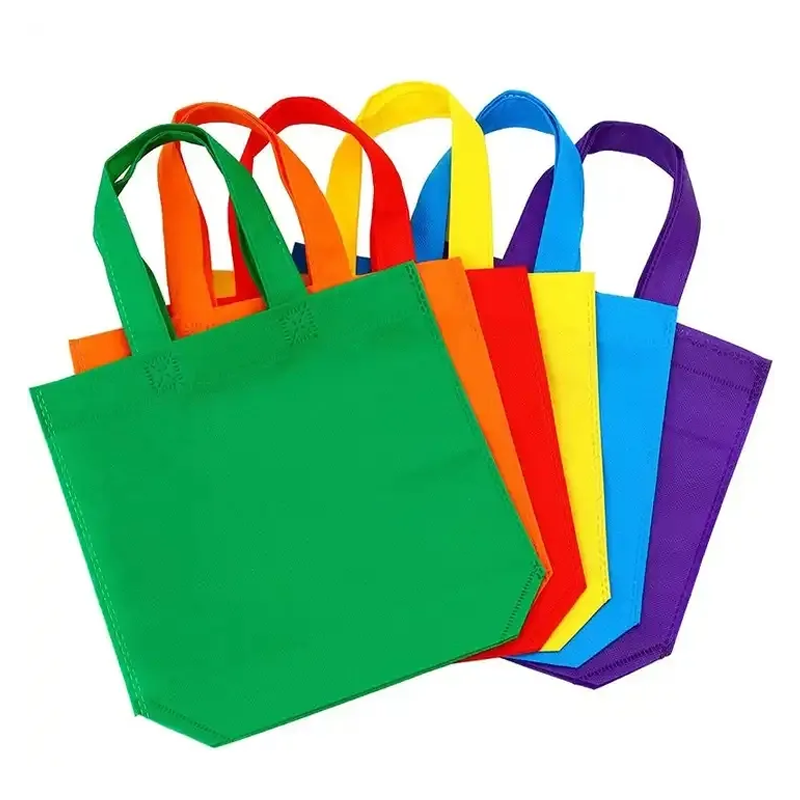
The question of whether a customized Non Woven Bag can be produced using recycled materials is one that more and more businesses are asking as sustainability becomes a central pillar of modern procurement strategy. The short answer is yes — and the longer answer involves understanding how recycled fibers are processed, what performance trade-offs exist, and how customization options hold up when the base material shifts from virgin polypropylene to post-consumer or post-industrial recycled content. For brands, retailers, and procurement teams evaluating eco-friendly packaging alternatives, this distinction matters enormously.
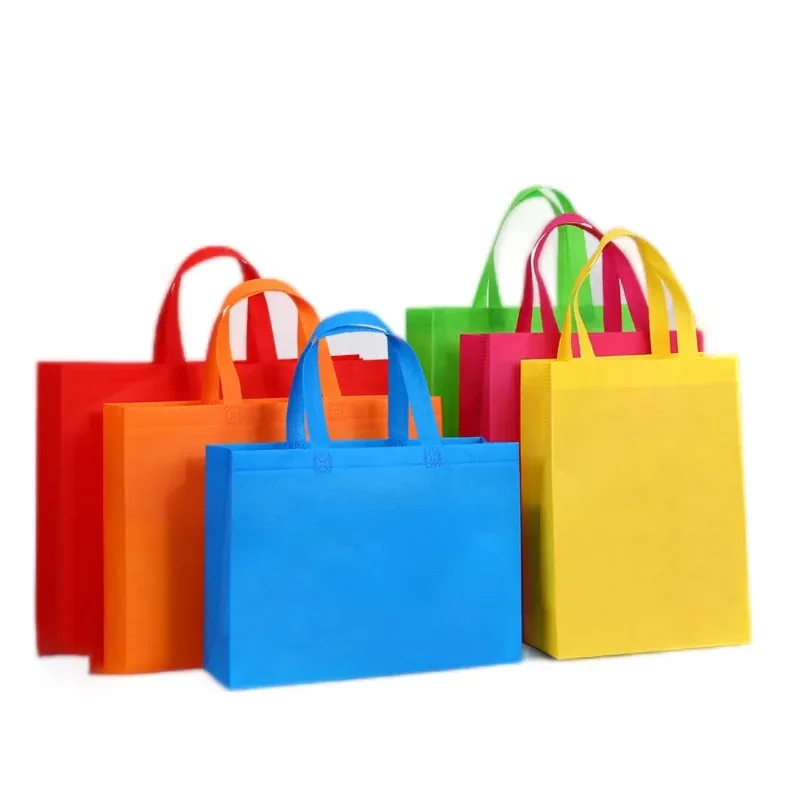
A Non Woven Bag made from recycled materials is not a compromise product. When manufactured correctly, it retains the structural integrity, printability, and load-bearing capacity that buyers expect from standard non woven fabric bags. The key lies in the sourcing and processing of the recycled fiber, the bonding method used during fabric formation, and the quality controls applied throughout production. This article examines each of these dimensions in detail so that decision-makers can approach recycled non woven bag sourcing with clarity and confidence.
Understanding Recycled Materials in Non Woven Fabric Production
What Recycled Content Actually Means in This Context
When manufacturers refer to recycled content in a Non Woven Bag, they are typically referring to one of two sources: post-consumer recycled (PCR) material or post-industrial recycled (PIR) material. Post-consumer recycled content comes from items that have already been used by end consumers — such as plastic bottles, packaging films, or discarded textiles — and have been collected, cleaned, and reprocessed into fiber form. Post-industrial recycled content, by contrast, comes from manufacturing offcuts and production waste that never reached the consumer market.
Both types of recycled input can be converted into polypropylene or polyester fibers suitable for non woven fabric production. The most common recycled fiber used in a Non Woven Bag today is rPET, which stands for recycled polyethylene terephthalate, derived primarily from PET plastic bottles. This fiber is spun into filaments, bonded through thermal or chemical processes, and rolled into the fabric sheets that form the basis of the finished bag. The resulting material is functionally comparable to virgin non woven fabric in most standard applications.
It is important to note that 'recycled' does not automatically mean 'inferior.' The quality of recycled non woven fabric depends heavily on the purity of the input material, the consistency of the fiber diameter, and the bonding density of the finished sheet. Reputable manufacturers apply rigorous sorting and processing standards to ensure that recycled-content Non Woven Bag products meet the same tensile strength and durability benchmarks as their virgin-material counterparts.
The Role of rPP and rPET in Non Woven Bag Manufacturing
Recycled polypropylene (rPP) and recycled polyethylene terephthalate (rPET) are the two dominant recycled polymers used in Non Woven Bag production. Each has distinct processing characteristics and end-use suitability. rPP is derived from post-industrial polypropylene waste and is commonly used in spunbond non woven fabric, which is the most widely used substrate for promotional and retail bags. rPET, sourced from bottle-grade plastic, is more commonly used in needle-punch or thermally bonded non woven fabrics that require a softer hand feel.
The choice between rPP and rPET for a Non Woven Bag depends on the intended application. For grocery and supermarket shopping bags that require stiffness and shape retention, rPP spunbond fabric is generally preferred. For bags targeting a premium or fashion-forward market where softness and drape are valued, rPET-based non woven fabric offers a more appealing tactile experience. Both materials support full customization including printing, lamination, and handle attachment.
Manufacturers working with recycled polymers must also manage color consistency more carefully than with virgin materials. Recycled feedstocks can introduce slight color variation in the base fabric, which is why most recycled Non Woven Bag products are produced in natural, grey, or dark base tones and then printed or laminated to achieve the desired brand appearance. This is a manageable constraint rather than a fundamental limitation.
Customization Capabilities on Recycled Non Woven Bags
Printing and Branding on Recycled Fabric
One of the most common concerns buyers raise when considering a recycled Non Woven Bag is whether the surface quality supports high-quality printing. The answer is yes, provided the fabric has been properly processed and the appropriate printing method is selected. Screen printing, heat transfer printing, and flexographic printing all work effectively on recycled non woven fabric surfaces. The key variable is surface smoothness and fiber density, both of which are controlled during fabric manufacturing.
For brands that require sharp logo reproduction and vibrant color output, laminated recycled Non Woven Bag options are particularly effective. A thin BOPP (biaxially oriented polypropylene) or matte laminate film applied over the recycled fabric creates a smooth, consistent printing surface that supports photographic-quality graphics. This lamination layer also adds water resistance and improves the overall durability of the bag, making it suitable for repeated use across retail, promotional, and trade show contexts.
Embossing and debossing are also achievable on certain recycled non woven substrates, particularly those with higher GSM (grams per square meter) ratings. For a Non Woven Bag intended for premium gifting or corporate branding, these finishing options add a tactile dimension that reinforces perceived quality. The recycled origin of the material does not diminish the effectiveness of these customization techniques when the base fabric meets the required density and surface standards.
Size, Shape, and Structural Customization
A recycled Non Woven Bag can be manufactured in virtually any size, shape, or structural configuration that a virgin-material bag can achieve. This includes standard tote formats, drawstring bags, box-bottom bags, wine bottle carriers, and die-cut handle bags. The structural performance of the bag — including handle attachment strength, seam integrity, and load capacity — is determined by the GSM of the fabric and the stitching or ultrasonic welding method used in assembly, not by whether the fabric contains recycled content.
For applications requiring higher load capacity, such as supermarket shopping bags or bulk retail carriers, manufacturers typically specify recycled non woven fabric in the 80–120 GSM range. This weight range provides sufficient tensile strength for loads of 5–10 kilograms while keeping the bag lightweight and foldable. A Non Woven Bag in this specification made from recycled material performs comparably to its virgin equivalent in standard use conditions.
Gussets, reinforced base panels, and secondary lining materials can all be incorporated into a recycled Non Woven Bag design without compromising the sustainability credentials of the product. When the primary fabric is certified recycled content, the overall environmental footprint of the bag remains significantly lower than a virgin-material equivalent, even when minor structural components use conventional materials. Buyers should request material composition documentation from suppliers to verify the recycled content percentage accurately.
Performance and Durability Considerations
Tensile Strength and Load-Bearing Capacity
A well-manufactured recycled Non Woven Bag demonstrates tensile strength and load-bearing performance that meets or closely approaches that of virgin-material bags at equivalent GSM ratings. Independent testing of rPET and rPP non woven fabrics consistently shows that the bonding integrity of the fiber matrix — rather than the virgin or recycled origin of the polymer — is the primary determinant of mechanical performance. This means that a 90 GSM recycled non woven fabric produced by a quality-controlled manufacturer will perform similarly to a 90 GSM virgin fabric from the same production method.
Handle attachment is a critical performance point for any Non Woven Bag, and this is equally true for recycled variants. Reinforced handle attachment zones, whether achieved through stitching, ultrasonic welding, or heat bonding, must be specified carefully to ensure the handle does not separate under load. Buyers sourcing recycled non woven bags for heavy-duty retail or grocery applications should request pull-force test data from suppliers to confirm that handle attachment meets their minimum performance requirements.
Repeated use performance is another dimension worth examining. A Non Woven Bag made from recycled content is designed for multiple use cycles, which is central to its environmental value proposition. Fabric pilling, color fading, and seam degradation over repeated wash and use cycles are the most common performance concerns. These can be mitigated through appropriate GSM selection, lamination, and quality stitching — all of which are available in recycled non woven bag production.
Environmental Certifications and Compliance
For businesses that need to substantiate their sustainability claims, a recycled Non Woven Bag can be produced with supporting certifications that verify the recycled content and responsible manufacturing practices. The Global Recycled Standard (GRS) is the most widely recognized certification for recycled-content textile and fabric products. GRS certification provides chain-of-custody documentation from the recycled feedstock through to the finished bag, giving buyers credible evidence to support their environmental marketing claims.
OEKO-TEX certification is another relevant standard for Non Woven Bag products, particularly those intended for food contact or consumer-facing retail applications. OEKO-TEX Standard 100 certifies that the fabric has been tested for harmful substances and meets safety thresholds for direct skin contact. This certification is available for recycled non woven fabrics and provides an additional layer of assurance for buyers in regulated markets.
Buyers should be aware that not all suppliers offering 'recycled' Non Woven Bag products hold formal certifications. In the absence of third-party certification, buyers should request material test reports, recycled content declarations, and supplier audit documentation to verify claims independently. Certification adds cost but also adds credibility — a consideration that matters significantly for brands making public sustainability commitments.
Business and Procurement Implications
Cost Comparison with Virgin Material Bags
A recycled Non Woven Bag typically carries a modest price premium over an equivalent virgin-material bag, reflecting the additional processing steps involved in converting recycled feedstock into usable fiber and fabric. This premium varies depending on the recycled content percentage, the certification requirements, and the order volume. For large-volume orders, the per-unit cost difference between recycled and virgin non woven bags has narrowed considerably as recycled fiber supply chains have matured and scaled.
For procurement teams evaluating total cost of ownership rather than unit price alone, the recycled Non Woven Bag often presents a favorable case. Brands that can credibly communicate the recycled content of their bags to consumers derive marketing value that offsets the material cost premium. Retailers operating under extended producer responsibility (EPR) regulations or corporate sustainability targets may also find that sourcing recycled non woven bags contributes to compliance metrics that carry their own financial implications.
Minimum order quantities (MOQs) for customized recycled Non Woven Bag products are generally comparable to those for virgin-material bags, particularly for standard formats and sizes. Custom shapes, specialty certifications, or very high recycled content percentages may require higher MOQs due to the complexity of the production setup. Buyers should discuss MOQ requirements with suppliers early in the sourcing process to align expectations and avoid delays.
Supplier Selection and Quality Assurance
Selecting the right manufacturing partner is critical when sourcing a customized recycled Non Woven Bag. Buyers should prioritize suppliers with demonstrated experience in recycled-content fabric production, transparent supply chain documentation, and the ability to provide third-party test reports. A supplier's willingness to share material composition data, production process details, and quality control procedures is a strong indicator of their reliability and commitment to the recycled content claims they make.
Pre-production sampling is strongly recommended for any customized recycled Non Woven Bag order. Samples allow buyers to evaluate print quality, fabric hand feel, structural integrity, and color accuracy before committing to full production. This step is particularly important for recycled-content bags because base fabric color variation and surface texture can differ from virgin-material equivalents, and these differences are best assessed through physical samples rather than digital specifications alone.
Quality assurance protocols during production — including in-line fabric weight checks, print registration verification, and handle pull-force testing — should be agreed upon with the supplier before production begins. For buyers sourcing a Non Woven Bag for high-visibility retail or promotional use, third-party factory audits and pre-shipment inspections provide an additional layer of quality assurance that protects against costly defects or non-conformances.
FAQ
Is a recycled Non Woven Bag as durable as one made from virgin materials?
Yes, in most standard applications a recycled Non Woven Bag manufactured to the correct GSM specification and quality standards performs comparably to a virgin-material bag. The key factors are fabric density, bonding method, and construction quality — not whether the polymer originated from recycled or virgin sources. Buyers should specify the required GSM and request tensile strength test data to confirm performance before placing orders.
What recycled content percentage is typically available in a Non Woven Bag?
Recycled content in a Non Woven Bag typically ranges from 30% to 100% depending on the fabric type and supplier capability. rPET-based non woven fabrics are commonly available at 100% recycled content, while rPP-based fabrics may range from 30% to 80% recycled content depending on the processing method. Buyers seeking to maximize recycled content should specify their requirements clearly and request GRS certification documentation to verify the claimed percentage.
Can a recycled Non Woven Bag be printed with full-color brand graphics?
Yes, full-color printing is fully achievable on a recycled Non Woven Bag, particularly when a lamination layer is applied to the fabric surface. Screen printing, flexographic printing, and heat transfer printing all work effectively on recycled non woven substrates. For photographic-quality graphics or complex multi-color designs, a BOPP-laminated recycled non woven fabric provides the smoothest and most consistent printing surface.
Does sourcing a recycled Non Woven Bag require higher minimum order quantities?
For standard formats and sizes, the minimum order quantities for a recycled Non Woven Bag are generally comparable to those for virgin-material bags. Highly customized specifications, specialty certifications, or very high recycled content percentages may require higher MOQs due to production complexity. Buyers should discuss MOQ requirements with their supplier during the initial inquiry stage to ensure alignment with their order volume and budget.
Table of Contents
- Understanding Recycled Materials in Non Woven Fabric Production
- Customization Capabilities on Recycled Non Woven Bags
- Performance and Durability Considerations
- Business and Procurement Implications
-
FAQ
- Is a recycled Non Woven Bag as durable as one made from virgin materials?
- What recycled content percentage is typically available in a Non Woven Bag?
- Can a recycled Non Woven Bag be printed with full-color brand graphics?
- Does sourcing a recycled Non Woven Bag require higher minimum order quantities?