 EN
EN


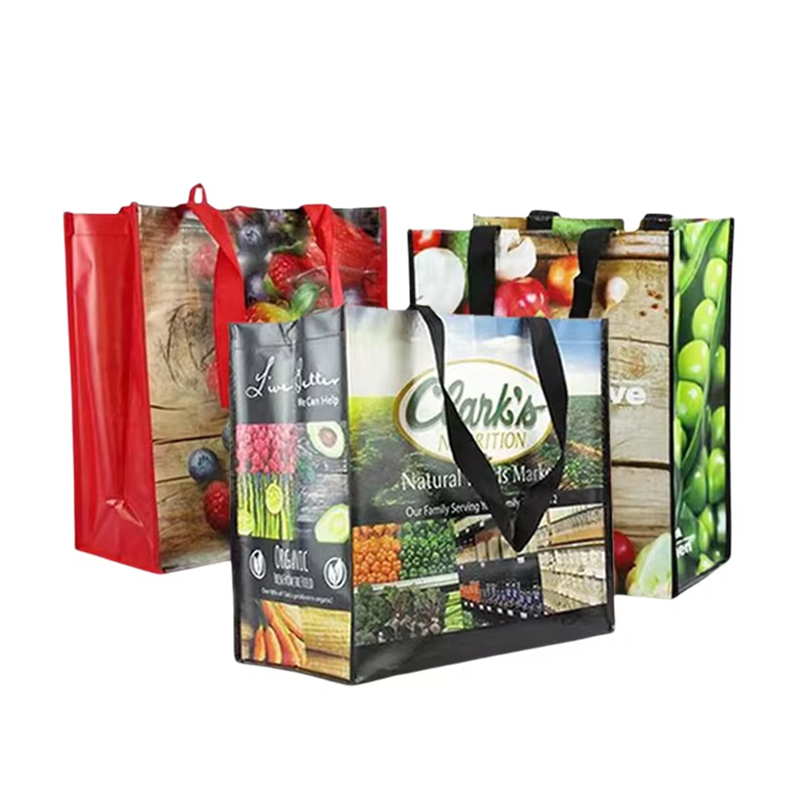
In today's competitive retail and B2B landscape, every touchpoint a customer has with your brand carries weight. The humble Shopping Bag has evolved far beyond its original function of carrying goods from one place to another. Businesses across industries are discovering that the type of bag they offer customers at the point of sale — or as a branded gift — sends a powerful signal about their values, their quality standards, and their commitment to the customer experience. When that bag is reusable, the signal becomes even stronger and more lasting.
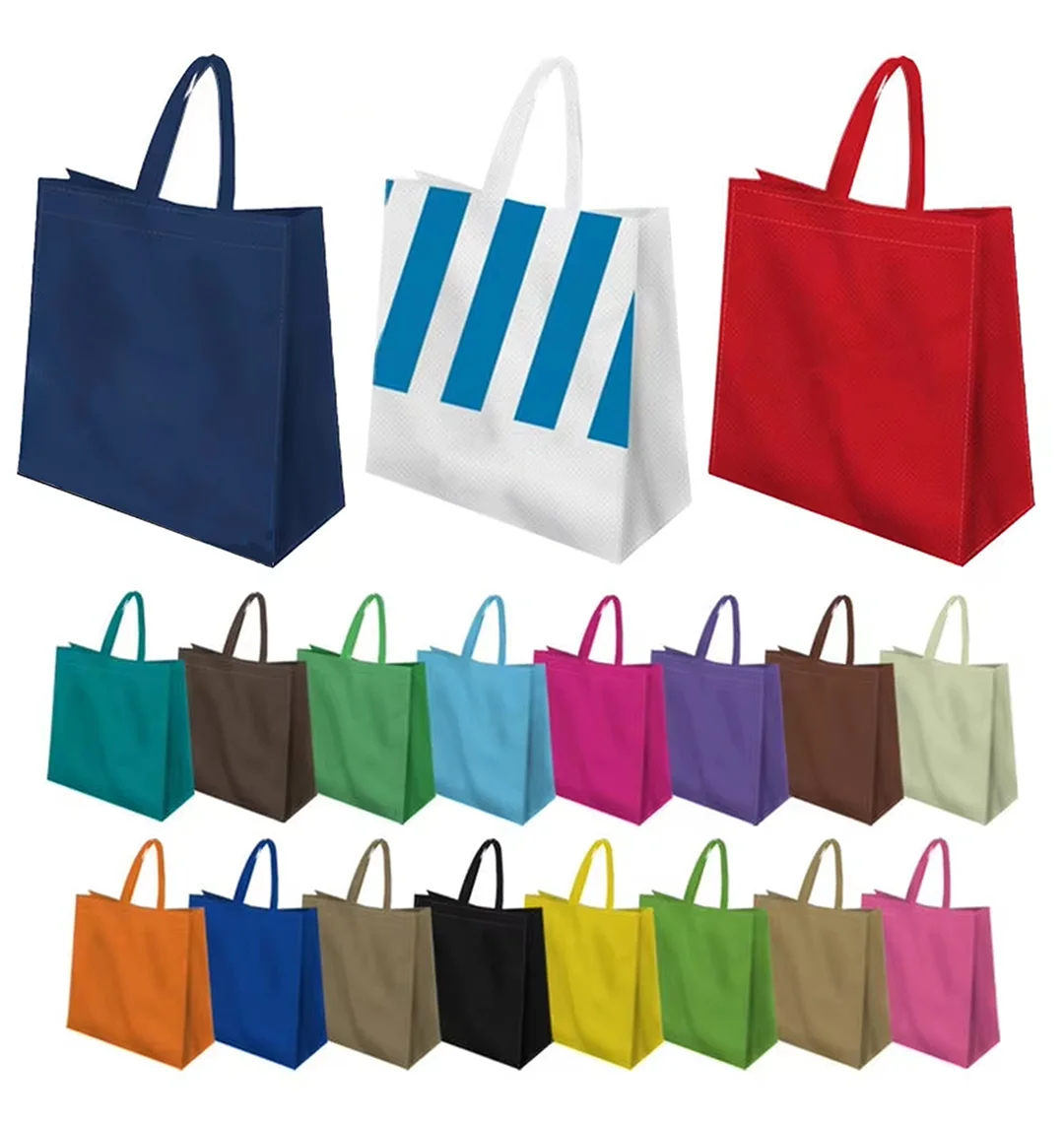
The question of whether a reusable shopping bag can genuinely increase business value perception is not merely theoretical. It is a practical concern for brand managers, procurement teams, and retail operators who want to make smarter investments in customer-facing materials. This article examines the mechanisms through which a well-designed, reusable shopping bag shapes how customers perceive a brand, why that perception translates into measurable business value, and what factors determine whether the investment pays off in the long run.
The Psychology Behind the Shopping Bag as a Brand Signal
First Impressions and Tangible Brand Cues
When a customer receives a shopping bag at the end of a transaction, that bag becomes the final physical impression of the entire purchase experience. Research in consumer psychology consistently shows that tangible, physical objects carry disproportionate weight in shaping memory and perception. A flimsy, single-use plastic bag communicates disposability — not just of the bag itself, but subtly of the brand behind it. A sturdy, well-constructed reusable shopping bag communicates the opposite: durability, thoughtfulness, and quality.
This effect is amplified when the shopping bag carries a brand logo, a distinctive color palette, or a design that reflects the company's identity. Customers do not consciously analyze these cues, but they absorb them. Over time, repeated exposure to a well-made branded shopping bag reinforces positive associations with the business that provided it. The bag becomes a portable, ongoing advertisement that also functions as a trust signal every time it is used.
For B2B buyers and procurement professionals, the logic is equally relevant. When a supplier or vendor presents products in a high-quality reusable shopping bag, it signals attention to detail and a willingness to invest in the customer relationship beyond the transaction itself. These subtle cues influence vendor selection and long-term partnership decisions more than many businesses realize.
The Reusability Factor and Perceived Value
A single-use bag is consumed and discarded. A reusable shopping bag, by contrast, enters the customer's daily life. It travels to grocery stores, farmers markets, offices, and gyms. Every time it is used, the brand printed on it receives another impression — not just from the original customer, but from everyone who sees it in use. This extended lifecycle fundamentally changes the value equation of the shopping bag as a marketing asset.
From a perception standpoint, the reusability of the bag also signals that the brand cares about more than the immediate sale. Customers increasingly associate reusable products with responsible business practices, environmental awareness, and long-term thinking. When a business chooses to offer a reusable shopping bag instead of a disposable alternative, it positions itself as a brand that considers the broader impact of its operations — a quality that resonates strongly with modern consumers and B2B buyers alike.
The perceived value of the shopping bag itself also reflects on the perceived value of the products inside it. Premium packaging and premium carriers elevate the perceived quality of the contents. This is why luxury retailers have long understood that the bag is not an afterthought — it is part of the product experience. Reusable bags extend this principle to a wider range of businesses and price points.
How Reusable Shopping Bags Build Brand Equity Over Time
Repeated Exposure and Brand Recall
Brand equity is built through consistent, positive exposure over time. A reusable shopping bag is one of the most cost-effective tools available for generating that exposure. Unlike a digital advertisement that disappears after a few seconds, a durable shopping bag can remain in active use for months or even years. Each use is an organic brand impression that costs the business nothing beyond the initial investment in the bag itself.
The cumulative effect of this repeated exposure is significant. Customers who use a branded shopping bag regularly develop a familiarity with the brand that goes beyond simple recognition. Familiarity breeds trust, and trust is the foundation of brand equity. When those customers are ready to make a repeat purchase or recommend a supplier to a colleague, the brand that has been present in their daily life through a well-used shopping bag has a meaningful advantage.
For businesses operating in competitive markets, this kind of passive, ongoing brand presence is difficult to replicate through other marketing channels at the same cost-per-impression ratio. The shopping bag works continuously without requiring additional spend, making it an unusually efficient brand-building tool when viewed over its full useful life.
Emotional Connection and Customer Loyalty
There is an emotional dimension to the reusable shopping bag that goes beyond rational brand recall. When a customer chooses to keep and use a branded bag, they are making an active decision to incorporate that brand into their routine. This is a form of brand endorsement that carries genuine emotional weight. The customer is not just remembering the brand — they are choosing to be associated with it in their daily life.
This emotional connection has a direct impact on customer loyalty. Customers who feel positively connected to a brand are more likely to return, more likely to recommend the brand to others, and more likely to forgive occasional service failures. The shopping bag, as a physical token of the brand relationship, plays a small but real role in sustaining that emotional connection between purchase occasions.
For B2B relationships, the dynamic is slightly different but equally important. A well-chosen reusable shopping bag given as part of a product delivery or trade show interaction signals that the supplier values the relationship and has invested thought in the customer experience. This kind of gesture builds goodwill that can influence contract renewals, referrals, and long-term partnership decisions.
Environmental Positioning and Its Effect on Value Perception
Sustainability as a Business Value Driver
The shift toward sustainability in business is no longer a niche trend — it is a mainstream expectation. Customers, investors, and business partners increasingly evaluate companies based on their environmental practices and commitments. Offering a reusable shopping bag is one of the most visible and immediate ways a business can demonstrate its commitment to sustainable operations.
This visibility matters because sustainability perception directly influences purchasing decisions. Studies across multiple industries consistently show that customers are willing to pay a premium for products and services from companies they perceive as environmentally responsible. By replacing single-use bags with reusable alternatives, a business signals alignment with these values in a way that is tangible, practical, and immediately understandable to customers.
For B2B buyers, sustainability credentials have become a formal part of vendor evaluation in many industries. A supplier that demonstrates environmental responsibility through its packaging and customer-facing materials — including the shopping bag it provides — is better positioned to meet procurement criteria that increasingly include sustainability metrics. This is not just a perception benefit; it can be a concrete competitive advantage in tender processes and supplier selection decisions.
Aligning the Shopping Bag with Brand Values
The environmental benefit of a reusable shopping bag is most powerful when it is consistent with the broader values the brand communicates. A business that positions itself as quality-focused, customer-centric, or environmentally responsible gains the most from offering a reusable shopping bag because the bag reinforces and extends those existing brand messages. Conversely, a business that offers a reusable bag without any broader alignment to sustainable or quality values may see less impact on perception.
This means that the decision to invest in reusable shopping bags should be part of a broader brand strategy conversation, not just a procurement decision. The material, construction, design, and branding of the shopping bag should all reflect the values the business wants to communicate. A non-woven tote bag with a clean logo and thoughtful design communicates something very different from a generic bag with a hastily printed logo, even if both are technically reusable.
When the shopping bag is designed with care and aligned with brand values, it becomes a coherent part of the brand experience rather than an afterthought. This coherence is what transforms a functional item into a genuine value perception driver.
Practical Considerations for Maximizing Value Perception Impact
Design, Material, and Construction Quality
The impact of a reusable shopping bag on value perception is directly tied to its quality. A bag that tears after a few uses, fades quickly, or feels cheap in the hand will undermine rather than enhance brand perception. Investing in quality materials and construction is therefore not optional — it is the foundation of the entire value perception strategy.
Non-woven polypropylene, canvas, and recycled materials are among the most commonly used materials for reusable shopping bags in B2B and retail contexts. Each material communicates something slightly different: canvas suggests premium quality and durability, non-woven polypropylene offers a balance of cost-effectiveness and practicality, and recycled materials emphasize environmental commitment. The choice of material should align with the brand's positioning and the expectations of its target customer.
Construction details such as reinforced handles, gussets for capacity, and clean stitching all contribute to the perceived quality of the shopping bag. These details are noticed by customers even when they are not consciously evaluated. A bag that holds its shape, carries weight comfortably, and looks good after repeated use is one that customers will continue to use — and that continued use is the engine of the brand exposure and loyalty benefits described earlier.
Customization and Brand Consistency
A reusable shopping bag that carries a brand's logo, colors, and design language is significantly more effective as a value perception tool than a generic bag. Customization transforms the bag from a commodity into a brand asset. It ensures that every impression the bag generates is directly attributed to the business that provided it, rather than being lost in a sea of similar-looking generic bags.
Brand consistency is equally important. The shopping bag should look and feel like it belongs to the same family as the business's other branded materials — its packaging, its signage, its digital presence. Inconsistency in brand presentation creates cognitive dissonance that subtly undermines trust and perceived quality. A cohesive brand experience, in which the shopping bag is a natural extension of the overall brand identity, reinforces the sense that the business is professional, organized, and attentive to detail.
For businesses ordering in volume, customization is typically available at a range of price points, making it accessible even for smaller operations. The key is to treat the shopping bag as a brand investment rather than a cost to be minimized. The return on that investment, measured in brand impressions, customer loyalty, and value perception, typically justifies a higher per-unit spend than the cheapest available option.
FAQ
Does the type of material used in a reusable shopping bag affect how customers perceive the brand?
Yes, material choice has a direct impact on perceived quality and brand values. Premium materials like canvas or thick non-woven fabric signal durability and investment in the customer experience. Recycled or eco-certified materials reinforce sustainability positioning. The material should align with the brand's overall identity and the expectations of its target audience to maximize the positive perception effect.
How many times does a reusable shopping bag need to be used to justify the investment over a single-use alternative?
From a pure cost-per-impression standpoint, a reusable shopping bag typically generates far more brand exposures than a single-use bag even if it is only used a handful of times. When factoring in the brand equity, loyalty, and environmental positioning benefits, the investment case becomes even stronger. Most businesses find that the total value delivered by a quality reusable shopping bag significantly exceeds the incremental cost over a disposable alternative.
Is a reusable shopping bag relevant for B2B businesses, or is it mainly a retail tool?
Reusable shopping bags are highly relevant in B2B contexts. They are used effectively as trade show giveaways, product delivery packaging, corporate gifting items, and vendor relationship tools. In B2B settings, a well-designed shopping bag signals professionalism, attention to detail, and investment in the customer relationship — all of which influence vendor selection, contract renewals, and long-term partnership decisions.
What design elements make a reusable shopping bag most effective for value perception?
The most effective reusable shopping bags for value perception combine clear, high-quality logo placement with a design that reflects the brand's visual identity. Consistent use of brand colors, clean typography, and quality printing techniques all contribute to a professional appearance. Functional design elements such as reinforced handles and adequate capacity also matter, because a bag that performs well in daily use generates more positive associations with the brand than one that looks good but fails in practice.
Table of Contents
- The Psychology Behind the Shopping Bag as a Brand Signal
- How Reusable Shopping Bags Build Brand Equity Over Time
- Environmental Positioning and Its Effect on Value Perception
- Practical Considerations for Maximizing Value Perception Impact
-
FAQ
- Does the type of material used in a reusable shopping bag affect how customers perceive the brand?
- How many times does a reusable shopping bag need to be used to justify the investment over a single-use alternative?
- Is a reusable shopping bag relevant for B2B businesses, or is it mainly a retail tool?
- What design elements make a reusable shopping bag most effective for value perception?