 EN
EN


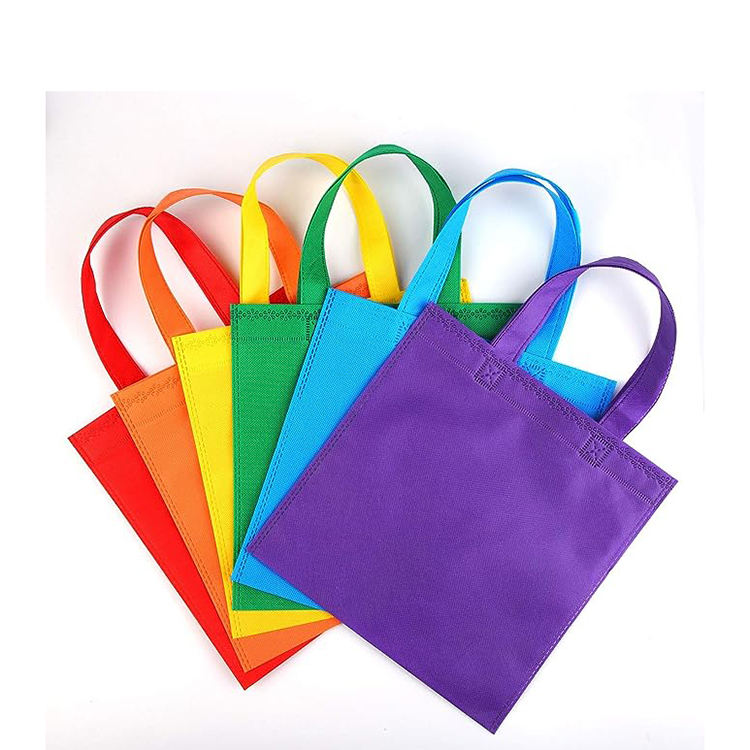
For businesses looking to strengthen their brand presence while offering customers a practical, reusable carry solution, the Non-Woven Shopping Bag has become one of the most versatile and cost-effective promotional tools available today. Whether you operate a retail store, a grocery chain, a trade show booth, or a corporate gifting program, a well-customized non-woven shopping bag communicates your brand values every time a customer carries it out the door. The challenge, however, is not simply ordering bags — it is customizing them in a way that is strategic, visually compelling, and aligned with your business objectives.
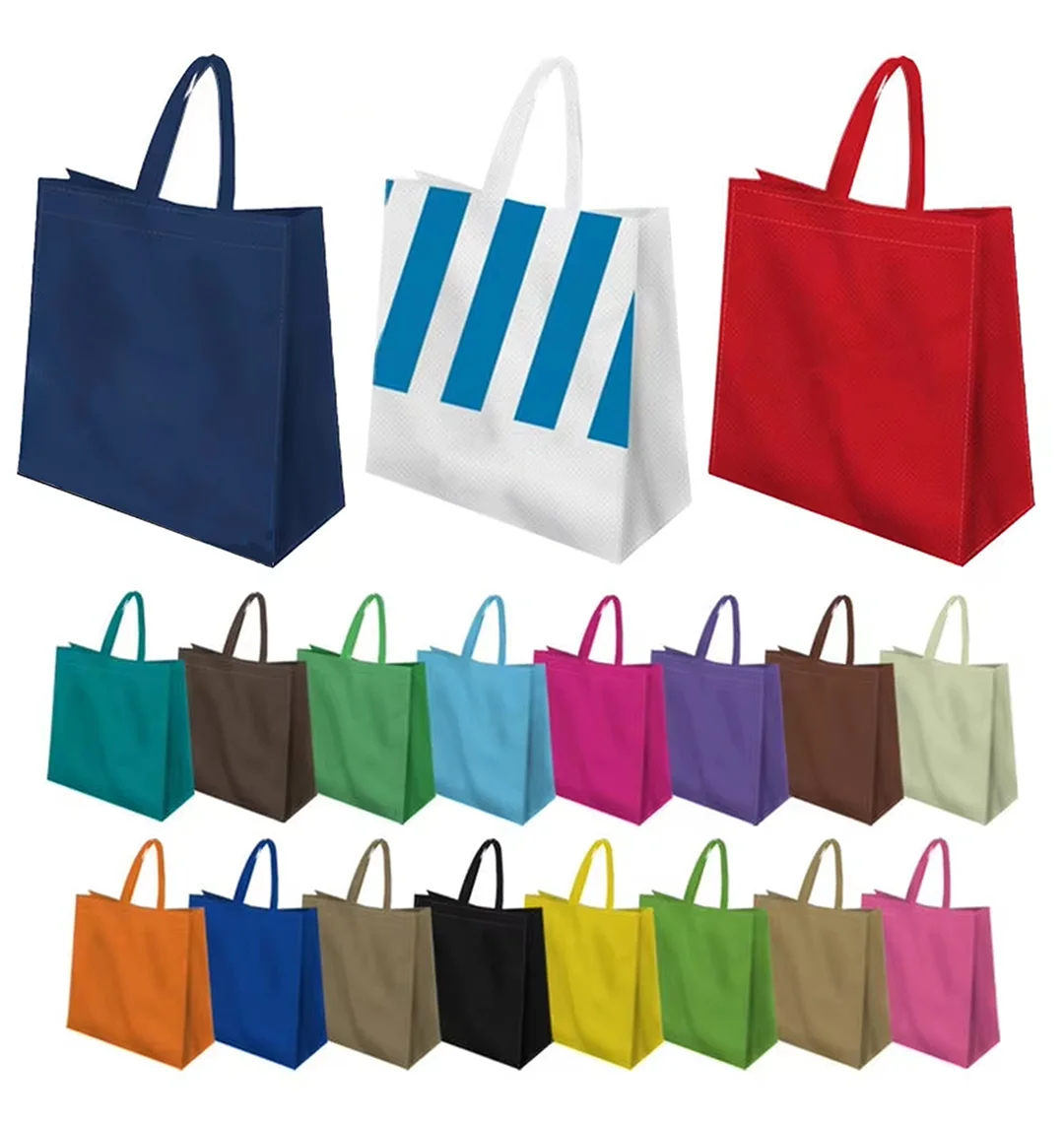
Effective customization of a non-woven shopping bag goes far beyond slapping a logo on a generic product. It involves deliberate decisions about material weight, bag dimensions, handle style, printing technique, color palette, and structural reinforcement — all of which affect how the final product looks, performs, and reflects on your brand. This article walks through the key dimensions of effective customization so that businesses can make informed decisions and get the most value from every bag they produce.
Understanding the Material Foundation of a Non-Woven Shopping Bag
What Non-Woven Fabric Actually Is
Before customizing a non-woven shopping bag, it helps to understand what the material is and why it behaves the way it does. Non-woven fabric is produced by bonding or felting fibers together through mechanical, thermal, or chemical processes rather than weaving or knitting them. The result is a flat, flexible sheet material that is lightweight yet surprisingly durable, making it well-suited for repeated use as a shopping carrier.
The most common base material used in a non-woven shopping bag is polypropylene (PP), which offers a good balance of strength, water resistance, and printability. The fabric is available in a range of GSM (grams per square meter) ratings, typically from 60 GSM on the lighter end to 120 GSM or higher for heavier-duty applications. Understanding this spectrum is essential because the GSM you choose directly affects how the bag feels in a customer's hands and how long it will last under regular use.
A non-woven shopping bag made from 80 GSM fabric is generally considered a standard weight suitable for everyday retail use, while 100 GSM and above is preferred for grocery, hardware, or trade show applications where heavier loads are expected. Choosing the right GSM is one of the first and most impactful customization decisions a business will make.
Selecting the Right Fabric Weight for Your Use Case
Different business contexts demand different performance levels from a non-woven shopping bag. A fashion boutique distributing bags as part of a premium unboxing experience will have very different requirements compared to a supermarket chain ordering bags in bulk for point-of-sale distribution. Matching the fabric weight to the intended use case ensures that the bag performs as expected and does not disappoint the end user.
For lightweight promotional giveaways at events or trade shows, a 60–70 GSM non-woven shopping bag keeps unit costs low while still providing a functional carry solution. For retail environments where customers will reuse the bag regularly, 80–90 GSM strikes the right balance between cost and durability. For industrial, grocery, or premium gifting applications, investing in 100 GSM or higher fabric ensures the bag holds its shape, resists tearing, and maintains a quality appearance over time.
Communicating your intended use case clearly to your supplier at the outset of the customization process will help ensure you receive the right material specification without unnecessary back-and-forth or costly revisions later.
Designing the Visual Identity of Your Non-Woven Shopping Bag
Printing Methods and Their Impact on Brand Appearance
The printing method you choose for your non-woven shopping bag has a significant effect on how your brand appears in the real world. The two most widely used techniques are screen printing and heat transfer printing, each with distinct advantages depending on your design complexity and order volume.
Screen printing is the most common method for customizing a non-woven shopping bag at scale. It works by pushing ink through a mesh screen onto the fabric surface, producing bold, vibrant colors that hold up well over time. Screen printing is cost-effective for designs with a limited number of solid colors and is particularly well-suited for logos, wordmarks, and simple graphic elements. The more colors in your design, the higher the per-unit cost, since each color requires a separate screen.
Heat transfer printing, on the other hand, allows for full-color photographic or gradient designs to be applied to a non-woven shopping bag with high precision. This method is better suited for complex artwork, multi-color illustrations, or designs that include photographic elements. While the per-unit cost is generally higher than screen printing, heat transfer delivers a level of visual detail that screen printing cannot match, making it a strong choice for premium brand applications.
Color Strategy and Brand Consistency
Color is one of the most powerful tools in customizing a non-woven shopping bag for brand recognition. The base fabric color of the bag itself forms the background canvas for your design, so choosing a bag color that complements your brand palette is just as important as the printed artwork on top of it.
Most non-woven shopping bag suppliers offer a wide range of standard fabric colors, and some can produce custom-dyed fabric for larger orders. When selecting colors, consider how the bag will look in different lighting environments — under retail store lighting, in natural daylight, and in photography for marketing materials. Colors that appear vibrant on screen may look different when printed on fabric, so requesting physical samples before committing to a full production run is strongly recommended.
Maintaining consistency between your non-woven shopping bag colors and your broader brand identity — including your website, packaging, and signage — reinforces brand recognition and creates a cohesive customer experience. Providing your supplier with Pantone color codes rather than relying on digital color references is the most reliable way to achieve accurate color matching across production batches.
Structural Customization Options for a Non-Woven Shopping Bag
Handle Styles and Their Functional Implications
The handle is one of the most functionally critical elements of any non-woven shopping bag, and it is also one of the most customizable. The three most common handle configurations are short loop handles, long shoulder handles, and reinforced flat handles, each suited to different carrying scenarios and aesthetic preferences.
Short loop handles are the standard choice for most retail non-woven shopping bag designs. They allow the bag to be carried comfortably by hand and are easy to produce, keeping costs manageable. Long shoulder handles are preferred when customers need to carry the bag hands-free, making them popular for grocery shopping, gym use, or commuter contexts. Reinforced flat handles, often made from the same non-woven material as the bag body but folded and stitched for added strength, are the best choice when the bag will regularly carry heavy loads.
Handle length, width, and attachment method — whether sewn directly into the bag body or attached via reinforced stitching panels — all affect the bag's load-bearing capacity and overall durability. Discussing these specifications with your supplier and requesting load testing data for heavier-duty applications will help you avoid handle failures that could damage your brand reputation.
Bag Dimensions, Gussets, and Structural Reinforcement
The dimensions of your non-woven shopping bag should be driven by what your customers will actually carry in it. A bag designed for clothing retail will have different proportions than one designed for grocery shopping or trade show literature. Standard dimensions vary widely, but most suppliers offer a range of preset sizes as well as the ability to produce custom dimensions for larger orders.
Adding a bottom gusset — an expandable fold at the base of the bag — significantly increases the bag's carrying capacity and allows it to stand upright when filled. This is a particularly valuable feature for grocery, pharmacy, or hardware retail applications where customers are likely to carry multiple items of varying sizes. A non-woven shopping bag with a well-designed gusset feels more premium and functional than a flat-bottomed alternative.
For applications where the bag will carry heavy or sharp-edged items, adding a cardboard or plastic insert to the base provides additional structural support and prevents the bottom from sagging or tearing. These reinforcement options add a small amount to the per-unit cost but can meaningfully extend the usable life of the bag, which is especially important if the bag is intended to serve as a long-term brand ambassador rather than a single-use promotional item.
Practical Considerations for Ordering and Production
Minimum Order Quantities and Lead Times
One of the most practical aspects of customizing a non-woven shopping bag at the business level is understanding the relationship between order volume, unit cost, and lead time. Most suppliers set minimum order quantities (MOQs) that reflect the economics of custom production — setting up screens, cutting fabric to custom dimensions, and running quality checks all involve fixed costs that need to be spread across a sufficient number of units to be economically viable.
For businesses ordering for the first time or testing a new design, it is worth seeking out suppliers who offer lower MOQs, even if the per-unit cost is slightly higher. This allows you to validate the design, assess quality, and gauge customer response before committing to a large production run. As order volumes increase, per-unit costs typically decrease significantly, making larger runs more economical for established programs.
Lead times for a custom non-woven shopping bag typically range from two to six weeks depending on order complexity, supplier location, and current production schedules. Businesses planning seasonal promotions, product launches, or event-based distributions should factor in these lead times and place orders well in advance to avoid delays that could disrupt their marketing timelines.
Quality Control and Pre-Production Sampling
Requesting a pre-production sample before approving a full run is one of the most important steps in the customization process for any non-woven shopping bag order. A physical sample allows you to evaluate the fabric weight, color accuracy, print quality, handle strength, and overall construction before committing your full budget to production.
When reviewing a sample, pay attention to the consistency of the print across the entire surface, the evenness of the stitching along seams and handle attachment points, and whether the bag holds its shape when loaded with a representative weight. Any issues identified at the sample stage are far less costly to correct than discovering them after a full production run has been completed.
Establishing clear written specifications — including fabric GSM, bag dimensions, handle length and width, print colors in Pantone codes, and acceptable tolerance ranges — before production begins gives both you and your supplier a shared reference point for quality assessment. This documentation also protects you in the event of a dispute over whether the delivered product meets the agreed specifications.
Maximizing the Brand Value of Your Non-Woven Shopping Bag
Designing for Reuse and Long-Term Brand Exposure
The true marketing value of a non-woven shopping bag is realized not at the moment of distribution but over the weeks, months, and years that a customer continues to use it. A bag that is durable, attractive, and genuinely useful will be carried repeatedly, exposing your brand to a wide audience every time it appears in a store, on public transport, or at a market. Designing with reuse in mind is therefore one of the most strategically sound decisions a business can make.
This means prioritizing quality over the lowest possible unit cost, choosing designs that are visually appealing rather than purely promotional, and selecting dimensions and features that make the bag genuinely useful for everyday tasks. A non-woven shopping bag that customers actually want to use is worth far more in brand exposure than a cheaper bag that gets discarded after a single use.
Consider also the messaging on the bag beyond just your logo. A well-chosen tagline, a visually interesting graphic, or a design that reflects your brand's values can make the bag more appealing to carry and more memorable to those who see it. The non-woven shopping bag is a mobile billboard — treat it with the same creative investment you would give to any other brand communication.
Aligning Bag Customization with Sustainability Messaging
One of the reasons the non-woven shopping bag has gained such widespread adoption in retail and B2B contexts is its association with environmental responsibility. Compared to single-use plastic bags, a reusable non-woven shopping bag represents a meaningful reduction in plastic waste when used consistently over time. Businesses that communicate this benefit clearly on the bag itself — through messaging, icons, or certifications — can strengthen their sustainability positioning with customers.
If your business has specific environmental commitments, consider whether your non-woven shopping bag supplier can provide material certifications, recycled content options, or documentation supporting environmental claims. Being able to back up sustainability messaging with verifiable information adds credibility and protects your brand from greenwashing accusations.
Incorporating sustainability messaging into the design of your non-woven shopping bag does not require a complete redesign — even a small printed note about the bag's reusability or material composition can reinforce your brand's environmental values and give customers an additional reason to keep and use the bag rather than discarding it.
FAQ
What is the minimum order quantity for a custom non-woven shopping bag?
Minimum order quantities vary by supplier, but many manufacturers offer custom non-woven shopping bag production starting from as few as 100 to 500 units for standard designs. More complex customizations involving unique dimensions, special fabric weights, or multi-color prints may require higher MOQs to be economically viable. It is always worth discussing your volume requirements directly with your supplier to find a solution that fits your budget and timeline.
Which printing method produces the best results on a non-woven shopping bag?
Screen printing is the most widely used and cost-effective method for a non-woven shopping bag with simple logo or text designs involving a limited number of solid colors. For designs with gradients, photographic elements, or high color complexity, heat transfer printing delivers superior visual results. The best method depends on your specific design requirements, order volume, and budget — discussing both options with your supplier and requesting printed samples of each is the most reliable way to make the right choice.
How do I ensure color accuracy when ordering a custom non-woven shopping bag?
The most reliable way to ensure color accuracy is to provide your supplier with Pantone color codes for all printed elements rather than relying on digital color files or screen references. Fabric printing can shift colors slightly compared to digital previews, so requesting a physical pre-production sample and approving it before the full run begins is essential. Establishing written color tolerance standards in your order specifications also gives you a clear basis for quality assessment upon delivery.
Can a non-woven shopping bag be made with recycled or eco-certified materials?
Yes, many suppliers now offer non-woven shopping bag options made from recycled polypropylene or other materials with environmental certifications. If sustainability credentials are important to your brand, ask your supplier specifically about recycled content options, available certifications, and any documentation they can provide to support environmental claims. Verifying these claims before incorporating them into your marketing materials protects your brand and ensures your sustainability messaging is accurate and credible.
Table of Contents
- Understanding the Material Foundation of a Non-Woven Shopping Bag
- Designing the Visual Identity of Your Non-Woven Shopping Bag
- Structural Customization Options for a Non-Woven Shopping Bag
- Practical Considerations for Ordering and Production
- Maximizing the Brand Value of Your Non-Woven Shopping Bag
-
FAQ
- What is the minimum order quantity for a custom non-woven shopping bag?
- Which printing method produces the best results on a non-woven shopping bag?
- How do I ensure color accuracy when ordering a custom non-woven shopping bag?
- Can a non-woven shopping bag be made with recycled or eco-certified materials?