 EN
EN



In today's fast-paced retail environment, convenience is no longer a luxury — it is an expectation. Shoppers want solutions that fit seamlessly into their daily routines, and the Foldable Shopping Bag has emerged as one of the most practical answers to that demand. Compact, lightweight, and easy to carry, this type of bag removes the friction that traditional shopping bags create, making every trip to the store a smoother experience for the customer.
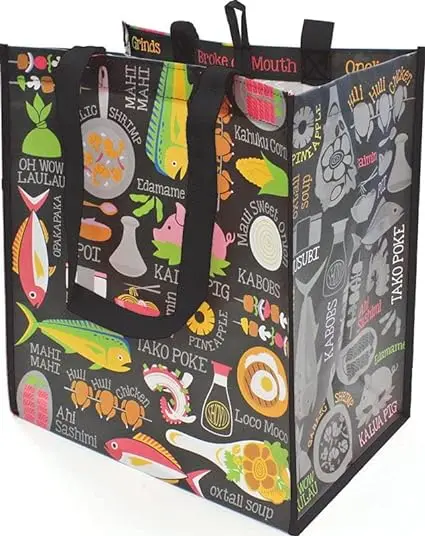
The rise of the foldable shopping bag is not simply a trend driven by environmental awareness, though sustainability certainly plays a role. It is fundamentally about how this product solves real, everyday problems for shoppers. From fitting into a coat pocket to surviving hundreds of reuse cycles, the foldable shopping bag addresses convenience at every stage of the customer journey — before, during, and after the shopping experience. Understanding exactly how it achieves this helps both retailers and consumers make smarter, more informed choices.
The Core Convenience Advantage of a Foldable Shopping Bag
Portability That Fits Any Lifestyle
The most immediate convenience benefit of a foldable shopping bag is its portability. Unlike bulky reusable bags that require dedicated storage space, a foldable shopping bag compresses into a small pouch or flat square that can slip into a handbag, backpack, briefcase, or even a jacket pocket. This means customers are never caught unprepared at the checkout counter.
For urban shoppers who make frequent, unplanned stops at grocery stores or markets, this portability is transformative. The foldable shopping bag becomes a permanent fixture in their everyday carry, always available without adding noticeable weight or bulk. This 'always-ready' quality is a direct improvement to the shopping experience that rigid or single-use bags simply cannot match.
Retailers who offer a foldable shopping bag as part of their customer experience are effectively removing a common pain point. Customers no longer need to remember to bring a bag from home or pay for a disposable one at the register. The convenience is built into the product itself, and that ease of use creates a positive association with the brand providing it.
Lightweight Design Without Sacrificing Capacity
A well-engineered foldable shopping bag achieves something that seems contradictory at first glance: it is extremely light when empty yet capable of holding a substantial load when in use. Materials such as non-woven polypropylene or ripstop nylon allow manufacturers to create bags that weigh only a few grams while supporting several kilograms of groceries or retail goods.
This balance between weight and capacity is central to the convenience story. Customers do not want to feel burdened by the bag itself before they have even started shopping. A foldable shopping bag that weighs almost nothing in the pocket but expands to carry a full grocery run gives shoppers the best of both worlds — minimal effort to carry, maximum utility when needed.
The structural integrity of a quality foldable shopping bag also contributes to convenience. Reinforced handles, strong seams, and durable base panels mean the bag does not fail mid-trip, which would create frustration and inconvenience. Customers can trust the bag to perform reliably, and that reliability is itself a form of convenience.
How a Foldable Shopping Bag Simplifies the Entire Shopping Journey
Convenience Before the Store Visit
Convenience begins before the customer even enters the store. With a foldable shopping bag already tucked into their everyday bag, shoppers eliminate the mental checklist item of 'did I bring a bag?' This reduction in cognitive load is a genuine quality-of-life improvement, particularly for people managing busy schedules with multiple errands.
The compact nature of a foldable shopping bag also means it can be stored in a car's glove compartment, a desk drawer at the office, or a gym locker. Customers can position multiple bags in strategic locations so they are always within reach. This kind of distributed convenience is only possible because the bag folds down to a negligible size.
For businesses that distribute a foldable shopping bag as a promotional item or loyalty gift, the pre-shopping convenience factor becomes a powerful brand touchpoint. Every time a customer reaches for that bag before heading out, they interact with the brand in a positive, practical context — reinforcing recognition and goodwill without any additional marketing effort.
Convenience During the Shopping Experience
Inside the store, a foldable shopping bag continues to deliver convenience through its ease of use. Most designs unfold quickly and intuitively, requiring no assembly or adjustment. Shoppers can open the bag with one hand while managing a cart or basket with the other, which is a small but meaningful ergonomic advantage.
The open structure of a typical foldable shopping bag also makes packing easier. Wide openings and flexible walls allow items of various shapes and sizes to be loaded efficiently. Customers spend less time wrestling with a rigid bag and more time moving through the store at their own pace. This fluidity in the packing process contributes directly to a more pleasant shopping experience.
For shoppers who prefer self-checkout lanes, the foldable shopping bag is particularly well-suited. Its lightweight construction means it does not interfere with bagging area weight sensors, a common frustration with heavier reusable bags. This technical compatibility with modern retail infrastructure is an underappreciated convenience feature that makes the foldable shopping bag a practical choice across different store formats.
Convenience After the Purchase
Once the shopping is done, the foldable shopping bag continues to serve the customer. Carrying groceries or retail purchases home is easier when the bag has comfortable, well-positioned handles that distribute weight evenly. Customers who walk, cycle, or use public transport particularly benefit from a bag that sits securely and does not swing awkwardly.
After unloading, the foldable shopping bag folds back down in seconds and returns to its compact form, ready for the next use. There is no need to find storage space for a large, unwieldy bag. This post-use convenience is one of the reasons customers consistently prefer a foldable shopping bag over traditional reusable alternatives that take up significant space in the home.
The durability of a quality foldable shopping bag also means customers do not need to replace it frequently. A bag that holds up through hundreds of uses delivers ongoing convenience without the recurring inconvenience of sourcing a replacement. This long service life is both a practical and economic benefit that resonates strongly with value-conscious shoppers.
The Role of a Foldable Shopping Bag in Retail and Brand Strategy
Enhancing the Customer Experience at the Point of Sale
Retailers who integrate a foldable shopping bag into their customer experience strategy are making a deliberate investment in convenience. Offering a branded foldable shopping bag at checkout — whether as a purchase option, a loyalty reward, or a complimentary gift — signals that the brand understands and values the customer's time and comfort.
This signal matters in competitive retail environments where product differentiation is difficult. When two stores offer similar products at similar prices, the one that makes the overall experience more convenient earns greater loyalty. A foldable shopping bag is a tangible, functional expression of that commitment to convenience, and customers notice and remember it.
The branding potential of a foldable shopping bag also extends the convenience narrative beyond the store. A well-designed bag with a clear logo and attractive color scheme becomes a mobile advertisement that travels with the customer through their daily life. Every time the bag is used in public, it communicates the brand's identity in a context associated with practicality and ease — a powerful positioning advantage.
Supporting Sustainability Without Sacrificing Usability
Modern consumers increasingly expect the products they use to align with their environmental values, and a foldable shopping bag delivers on this expectation without asking customers to compromise on convenience. Because the bag is reusable, it replaces dozens or even hundreds of single-use plastic bags over its lifetime, reducing waste in a way that feels effortless to the user.
The key distinction here is that the foldable shopping bag makes sustainable behavior the path of least resistance. Customers do not need to make a special effort to be environmentally responsible — they simply use the bag they already have in their pocket. This alignment between convenience and sustainability is a significant driver of adoption and repeat use.
For businesses, offering a foldable shopping bag made from eco-friendly materials such as non-woven fabric or recycled polyester reinforces corporate social responsibility commitments in a visible, practical way. It demonstrates that sustainability and customer convenience are not competing priorities but complementary ones, which strengthens brand credibility with environmentally aware consumers.
Design Features That Directly Drive Convenience
Folding Mechanisms and Storage Efficiency
The specific folding mechanism of a foldable shopping bag has a direct impact on how convenient it is to use. Bags that fold into an integrated pouch — where the bag folds into its own pocket — are particularly user-friendly because there is no separate storage case to lose. The entire system is self-contained, which simplifies both storage and retrieval.
Other designs use a simple flat-fold approach that reduces the bag to a thin rectangle, ideal for slipping into a wallet-sized compartment or the back pocket of a pair of jeans. The variety of folding options available means that different customer segments can find a foldable shopping bag format that suits their specific lifestyle and storage preferences.
Ease of refolding is equally important. A foldable shopping bag that is difficult to return to its compact form after use will quickly frustrate customers and reduce the likelihood of repeat use. Designs that refold intuitively and quickly — ideally in under ten seconds — maintain the convenience promise throughout the product's lifespan.
Material Choices and Their Impact on User Experience
The material of a foldable shopping bag influences not just its durability but also its tactile convenience. Non-woven polypropylene is a popular choice because it is soft, flexible, and easy to fold repeatedly without cracking or stiffening. It also resists moisture, which means the bag remains functional and hygienic even when used to carry fresh produce or chilled items.
Ripstop nylon and polyester variants offer a different set of convenience advantages, including greater tear resistance and a smoother surface that is easy to wipe clean. For customers who use their foldable shopping bag across multiple contexts — grocery runs, gym visits, travel — these material properties translate into a more versatile and reliably convenient product.
The choice of handle material and attachment method also affects convenience. Padded handles or wide webbing straps distribute weight more comfortably over longer carries, while reinforced attachment points prevent the handles from tearing away under load. These design details may seem minor in isolation, but together they determine whether a foldable shopping bag feels genuinely convenient or merely adequate.
FAQ
What makes a foldable shopping bag more convenient than a standard reusable bag?
A foldable shopping bag compresses to a fraction of its full size, making it easy to carry at all times without dedicating storage space to it. Standard reusable bags are often too bulky to keep on hand consistently, which means customers frequently forget them. The foldable shopping bag eliminates this problem by being small enough to live permanently in a pocket or everyday bag.
How durable is a foldable shopping bag with regular use?
A well-constructed foldable shopping bag made from quality non-woven or nylon materials can withstand hundreds of use cycles without significant degradation. The key durability factors are reinforced seams, strong handle attachments, and a material that tolerates repeated folding without cracking. Customers who use their foldable shopping bag daily can typically expect it to last one to three years or longer depending on care and usage intensity.
Can a foldable shopping bag handle heavy grocery loads?
Yes, most foldable shopping bags are engineered to carry loads of five to fifteen kilograms despite their lightweight construction. The load capacity depends on the material weight, seam construction, and handle design. For heavy grocery runs, choosing a foldable shopping bag with reinforced base panels and wide, padded handles will provide the most reliable performance without compromising the compact folding feature.
How does a foldable shopping bag benefit businesses that use it for promotions?
A branded foldable shopping bag functions as a long-term mobile marketing asset. Because customers use it repeatedly in public settings, the brand impression is reinforced far more often than with a single-use promotional item. The practical utility of the foldable shopping bag also creates positive brand associations, linking the company's identity with convenience, quality, and environmental responsibility in the customer's mind.