 EN
EN


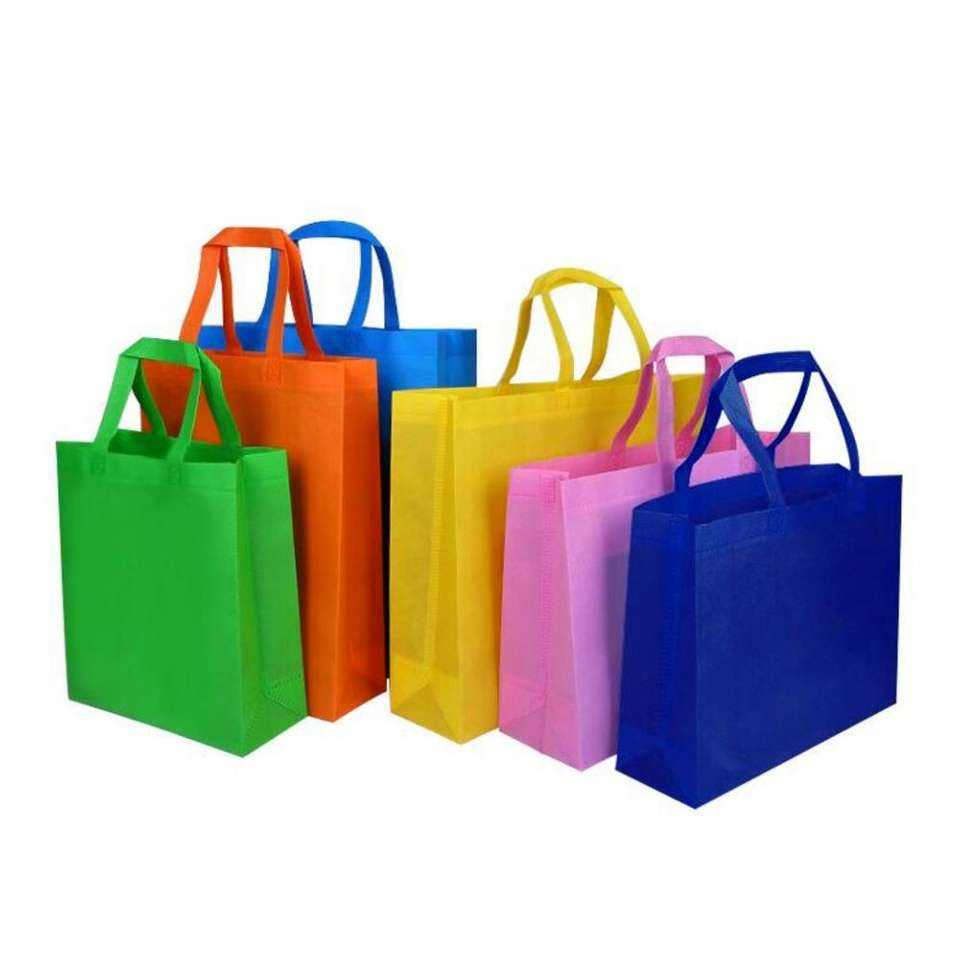
In today's highly competitive marketplace, the way a business presents itself to the world matters enormously. Sustainability has moved from a niche concern to a mainstream expectation, and companies that fail to demonstrate genuine environmental commitment risk losing ground to more conscientious competitors. One of the most practical and cost-effective tools businesses are using to signal that commitment is the Non Woven Bag. Far from being a simple carrying accessory, this product has become a powerful symbol of a brand's values, a walking advertisement that consumers carry through streets, shopping centers, and workplaces every day.
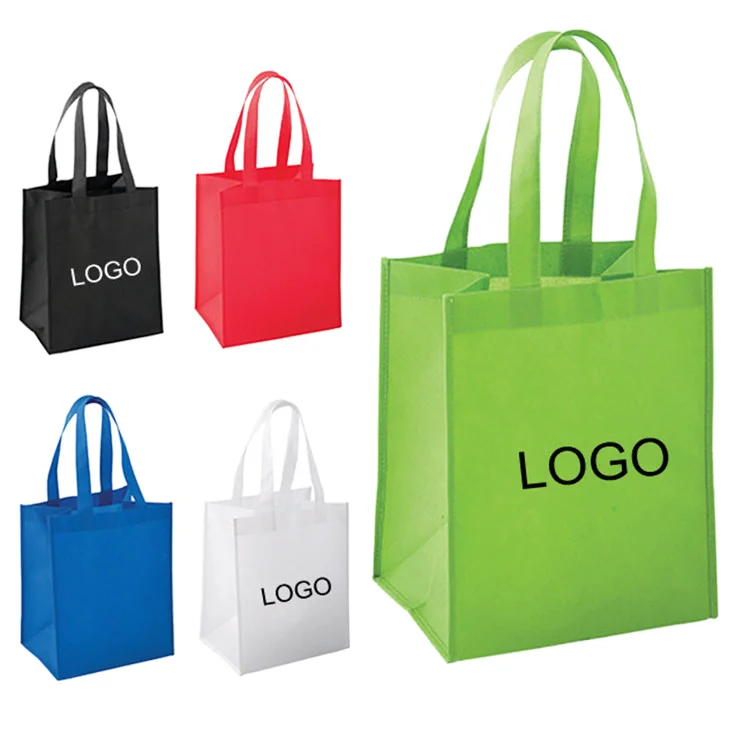
The connection between a Non Woven Bag and green brand identity is not accidental. It is rooted in the material's genuine environmental advantages, its long usable life, and its capacity to carry prominent, full-color brand messaging wherever it travels. Businesses across retail, hospitality, healthcare, trade shows, and corporate gifting are increasingly turning to the Non Woven Bag as a strategic branding asset — one that delivers both ecological credibility and measurable marketing reach. This article explains precisely how that works, and why the investment pays off for brands that want to be seen as responsible, modern, and genuinely green.
The Environmental Foundation of the Non Woven Bag
Material Composition and Eco Credentials
Understanding why the Non Woven Bag supports a green brand image requires a clear look at what it is made of and how that differs from conventional plastic alternatives. Non woven fabric is typically produced from polypropylene fibers that are bonded together through heat or chemical processes rather than weaving. This results in a durable, flexible material that is significantly more resource-efficient than single-use plastic film in repeated-use scenarios.
When a Non Woven Bag is reused consistently over months or even years, its overall environmental footprint per use drops considerably. Unlike a thin plastic carrier that is typically discarded after a single trip, a well-constructed non woven carrier can handle dozens or even hundreds of uses before it reaches the end of its service life. This durability is the cornerstone of its environmental claim, and it is precisely this quality that consumers and regulators are beginning to recognize.
Many non woven fabrics are also available in recyclable grades, and some variants incorporate recycled polypropylene content. For brands seeking third-party certifications or sustainability reporting alignment, sourcing a Non Woven Bag with documented recycled content or recyclability credentials strengthens the environmental narrative considerably. This is not simply a marketing talking point — it reflects genuine lifecycle improvements that can be verified and communicated credibly to stakeholders.
Comparison with Single-Use Plastics in a Brand Context
The regulatory and social pressure against single-use plastic bags has intensified in virtually every major market. Many jurisdictions have implemented outright bans or steep taxes on thin plastic carriers, making the transition to reusable alternatives both a compliance necessity and a branding opportunity. A business that proactively switches to a Non Woven Bag positions itself ahead of regulatory requirements, signaling foresight and corporate responsibility.
From a consumer perception standpoint, the visual difference between a flimsy plastic bag and a structured, logo-printed Non Woven Bag is immediate and impactful. Shoppers notice the difference, and they associate the quality and sustainability of the packaging with the quality and values of the brand inside it. This association is not superficial — it influences repeat purchase behavior and brand loyalty in measurable ways.
Businesses in competitive sectors such as apparel, organic food retail, wellness products, and premium cosmetics have been early adopters of the Non Woven Bag for exactly this reason. Their customers are already environmentally aware, and receiving their purchase in a reusable, branded carrier reinforces the brand's alignment with those values at the most emotionally significant moment — the point of purchase.
Brand Visibility and Marketing Reach Through the Non Woven Bag
Custom Printing as a Mobile Brand Billboard
One of the most compelling marketing advantages of the Non Woven Bag is its large printable surface area. Unlike a paper bag or a cardboard box that is often discarded immediately, a reusable non woven carrier travels with the consumer through multiple environments. Every time it is used in a different location, it exposes the brand logo, slogan, website address, or visual identity to a new set of potential customers.
Modern printing techniques allow for vibrant, full-color designs on non woven fabric, including screen printing, heat transfer, and lamination finishes. This means a Non Woven Bag can carry sophisticated brand artwork that matches a company's full visual identity system — not just a simple logo stamp. The professional finish elevates the perceived quality of the bag itself, reinforcing the premium or responsible positioning the brand wants to project.
The cumulative impression value of a well-designed Non Woven Bag over its useful life far exceeds that of most other branded promotional materials at a comparable cost per unit. A single bag seen by an average of five to ten people per outing, used twenty or more times, generates hundreds of brand impressions from a single production investment. For businesses that rely on community presence and word-of-mouth growth, this is a form of ambient advertising that works continuously without additional spend.
Trade Shows, Corporate Gifting, and Event Branding
The Non Woven Bag is an exceptionally versatile branding tool in event and B2B contexts. At trade shows and industry conferences, a branded non woven carrier filled with product samples, brochures, and promotional items creates an immediate professional impression. Attendees carry these bags throughout the event, providing continuous brand exposure to all other participants on the floor.
In corporate gifting programs, a high-quality Non Woven Bag used as the packaging for a gift set elevates the entire presentation. The recipient associates the care and quality of the bag with the thoughtfulness of the gift and the professionalism of the sending organization. Unlike disposable wrapping that is torn off and thrown away, the bag itself becomes a lasting branded item that the recipient may use for grocery shopping, gym visits, or travel — extending the brand's daily visibility substantially.
For retail businesses running seasonal promotions or loyalty programs, offering a branded Non Woven Bag as part of a purchase threshold reward creates strong incentive while simultaneously spreading the brand's green identity through the community. This approach transforms a functional item into a sought-after branded accessory, which carries far more social credibility than a paper receipt or a discount coupon.
How the Non Woven Bag Communicates Green Values to Consumers
Tangible Proof of Environmental Commitment
Consumers today are increasingly skeptical of vague environmental claims. Phrases like 'eco-friendly' or 'committed to sustainability' carry little weight without tangible, observable evidence. The Non Woven Bag provides exactly that evidence in a highly visible form. When a consumer receives their purchase in a reusable, well-made carrier instead of a disposable plastic bag, the brand's environmental commitment is demonstrated, not just claimed.
This distinction matters significantly in building trust. A business can print 'we care about the planet' on a single-use plastic bag and no one will believe it. The same business offering a durable, reusable Non Woven Bag is showing, through a concrete operational choice, that it is willing to invest in sustainable packaging. That investment speaks louder than any tagline or corporate social responsibility report.
The ongoing visibility of the Non Woven Bag in public spaces also functions as a form of social proof. When people see others carrying a brand's reusable bag, it communicates that the brand has enough loyal, environmentally conscious customers to sustain a visible presence in the community. This kind of organic visibility builds brand credibility in a way that paid advertising simply cannot replicate.
Alignment with Consumer Lifestyle and Identity
For a growing segment of consumers, the choice to carry a reusable bag is part of a broader lifestyle identity centered on environmental responsibility, health consciousness, and considered consumption. When a brand provides a high-quality Non Woven Bag, it is offering something that fits naturally into this lifestyle identity. The consumer does not just carry the bag — they integrate it into their daily routine and, in doing so, maintain a consistent connection with the brand.
This integration is particularly powerful for brands in sectors where lifestyle alignment is a key driver of loyalty. Organic food retailers, sustainable fashion labels, wellness brands, and ethical cosmetics companies all benefit from the symbolic alignment between their brand positioning and the environmental statement made by a reusable Non Woven Bag. The product becomes a subtle but persistent reminder of shared values every time it is used.
Brands that invest in thoughtful design for their Non Woven Bag — choosing aesthetically pleasing colors, clean typography, and practical formats such as tote styles, drawstring bags, or reinforced shopper formats — will find that consumers are genuinely happy to use them. A bag that looks good and functions well will be used more often, generating more impressions and deeper brand association over time.
Strategic Considerations for Businesses Adopting the Non Woven Bag
Selecting the Right Specifications for Brand Goals
Not all non woven carriers are created equal, and the specifications a business chooses will directly impact how effectively the bag supports its green brand image. Fabric weight is one of the most important variables. A heavier gsm (grams per square meter) rating typically indicates a more durable, structured bag that communicates quality and longevity. A flimsy, lightweight Non Woven Bag may undermine the premium and sustainable message a brand is trying to convey.
Reinforced stitching, strong handle attachments, and gusseted bases all contribute to a Non Woven Bag that genuinely lasts through repeated use. Businesses should view these specifications not as optional upgrades but as essential requirements for a bag that will honestly deliver on the reusability promise that underpins its environmental claim. A bag that falls apart after three uses is not reusable — it is simply delayed waste.
Color selection, finish type, and printing method also carry strategic weight. A laminated finish adds moisture resistance and gives the bag a premium look that aligns well with upscale retail positioning. A matte, natural-toned finish may be more appropriate for brands emphasizing an organic or earthy aesthetic. The Non Woven Bag should be designed as a cohesive extension of the brand's visual identity, not as a generic promotional item with a logo stamped on it.
Integrating the Non Woven Bag into a Broader Green Brand Strategy
The Non Woven Bag delivers maximum brand-building impact when it is positioned as part of a coherent sustainability strategy rather than as an isolated gesture. Businesses that communicate the reasons behind their choice of reusable packaging — through in-store signage, social media content, website copy, and staff training — turn a simple operational decision into a compelling brand story.
Encouraging customers to bring back their Non Woven Bag for future purchases, offering a small loyalty reward for doing so, or running campaigns that track the collective environmental impact of bag reuse all serve to deepen the connection between the brand and its sustainability narrative. These initiatives transform the bag from a passive branded item into an active participant in a shared environmental mission, which resonates deeply with values-driven consumers.
For B2B companies, supplying branded non woven carriers to retail clients or including them in distributor welcome kits extends the green brand message through the supply chain. Each recipient of a well-designed Non Woven Bag becomes a carrier of the originating brand's environmental identity, multiplying the reach of the sustainability message far beyond the immediate customer base. This layered visibility is one of the most cost-efficient forms of green brand amplification available to businesses operating in competitive industrial or commercial markets.
FAQ
Why is a Non Woven Bag considered more eco-friendly than a standard plastic bag?
A Non Woven Bag is designed for repeated use, which significantly reduces the total environmental impact per use compared to a single-use plastic carrier. When used consistently over its full service life, it generates less waste per shopping trip. Additionally, many non woven fabrics incorporate recyclable materials and are produced using processes that consume fewer resources than conventional plastic film manufacturing at comparable use volumes.
How many times does a Non Woven Bag need to be reused to justify its environmental claim?
The exact number varies based on the specific material grade, production process, and what it is being compared to. However, a quality Non Woven Bag is typically capable of handling fifty or more uses without structural failure, which in most lifecycle assessments is more than sufficient to demonstrate a net environmental benefit over repeated single-use plastic alternatives. The key factor is that the bag must actually be reused — which is why design quality and aesthetic appeal matter for achieving genuine sustainability outcomes.
Can small businesses benefit from using a branded Non Woven Bag, or is it only suitable for large retailers?
Small businesses can absolutely benefit from adopting a branded Non Woven Bag. Many suppliers offer custom printing at relatively low minimum order quantities, making it accessible for independent retailers, boutique stores, service businesses, and local brands. For a small business, a well-designed reusable carrier can punch well above its weight as a brand-building tool, creating a professional, eco-conscious impression that helps the business compete credibly against larger players in the same market.
What printing options are available for a custom Non Woven Bag, and how do they affect the result?
The most common printing methods for a Non Woven Bag include screen printing, which works well for bold logos and limited color designs; heat transfer printing, which allows for photographic quality and complex multi-color artwork; and full-surface lamination with offset or digital printing, which delivers the most premium and detailed result. The choice of printing method should align with the complexity of the brand artwork and the desired perceived quality level of the finished bag. For brands where visual identity precision is important, investing in a higher-quality print method pays dividends in the brand impression the bag creates.
Table of Contents
- The Environmental Foundation of the Non Woven Bag
- Brand Visibility and Marketing Reach Through the Non Woven Bag
- How the Non Woven Bag Communicates Green Values to Consumers
- Strategic Considerations for Businesses Adopting the Non Woven Bag
-
FAQ
- Why is a Non Woven Bag considered more eco-friendly than a standard plastic bag?
- How many times does a Non Woven Bag need to be reused to justify its environmental claim?
- Can small businesses benefit from using a branded Non Woven Bag, or is it only suitable for large retailers?
- What printing options are available for a custom Non Woven Bag, and how do they affect the result?