 EN
EN


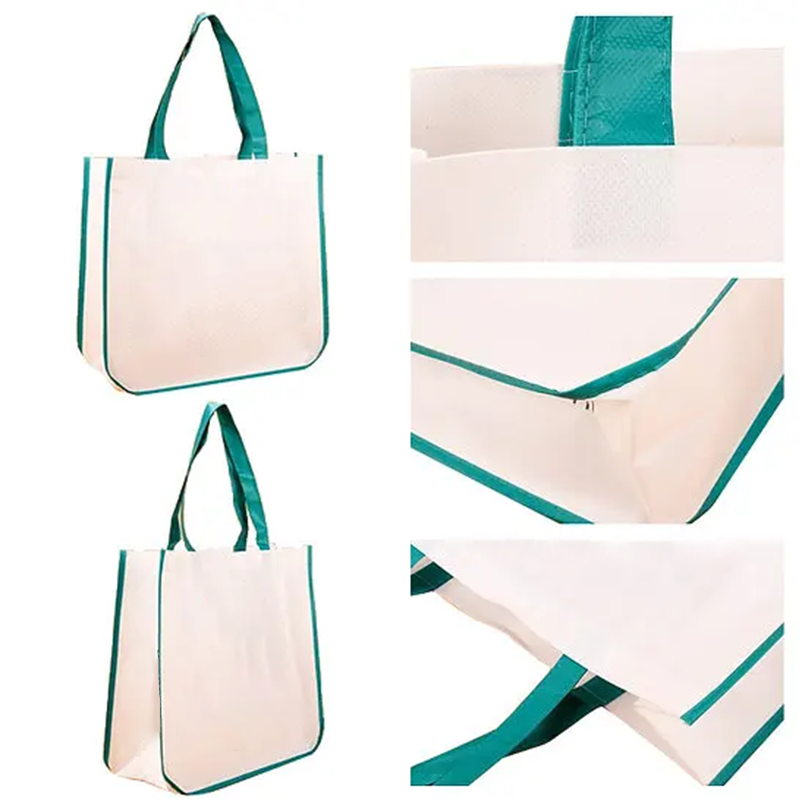
The debate between reusable alternatives and single-use plastics has intensified across global retail and industrial markets. At the center of this discussion sits the Non-Woven Bag, a product that has earned significant attention from businesses looking to align operational practices with environmental responsibility. Unlike traditional plastic bags, which are manufactured from petrochemical-derived polyethylene and discarded after a single use, non-woven alternatives are engineered for repeated use, structural durability, and a significantly reduced ecological footprint. Understanding how these two product types compare requires more than a surface-level look—it demands an examination of material science, lifecycle value, regulatory context, and end-user practicality.
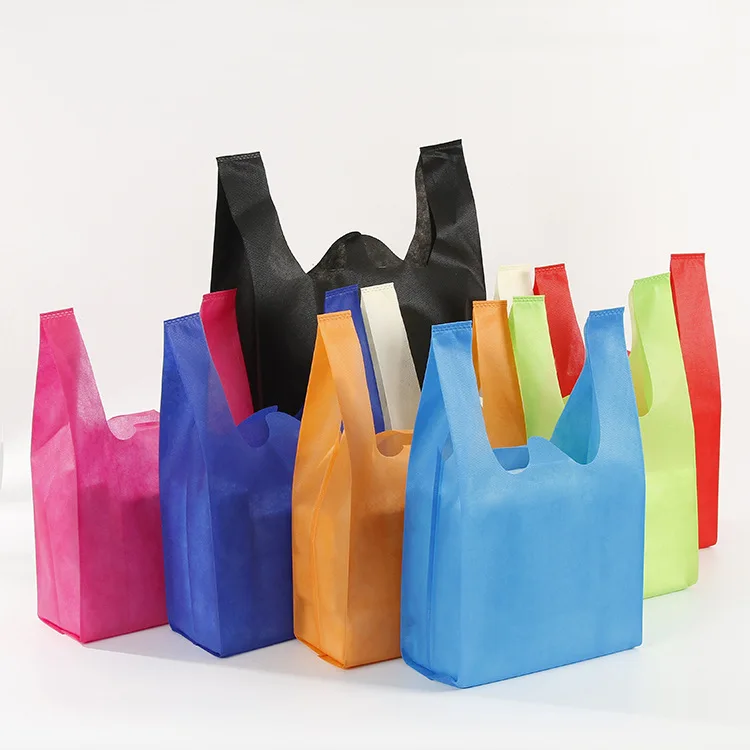
As procurement teams, retail brands, and logistics managers reassess their packaging strategies, the Non-Woven Bag has emerged as the leading alternative to conventional plastic carrier bags. Made predominantly from polypropylene fibers bonded through heat, pressure, or chemical processes rather than woven or knitted, these bags deliver a textile-like feel, substantial load capacity, and the ability to carry brand printing with impressive visual clarity. The comparison with traditional plastic bags reveals important distinctions that ultimately affect purchasing decisions, brand reputation, and compliance with tightening sustainability regulations worldwide.
Material Composition and Manufacturing Differences
How Traditional Plastic Bags Are Made
Traditional plastic bags are produced from low-density polyethylene (LDPE) or high-density polyethylene (HDPE), both of which are derived from fossil fuels. The manufacturing process involves extruding molten plastic into thin films, cutting them into bag shapes, and sealing the edges with heat. This process is energy-intensive and results in a product with minimal material thickness—typically measured in microns—which contributes to its notoriously poor mechanical resilience after limited handling.
Because conventional plastic bags are designed for cost efficiency over durability, they tear easily under moderate loads and are rarely suitable for reuse beyond one or two occasions. Their very thin film construction also makes them difficult to recycle through standard municipal waste streams, since most recycling facilities cannot process film plastics alongside rigid containers. The result is an accumulation of plastic waste across landfills, waterways, and ocean ecosystems that takes centuries to decompose.
How Non-Woven Bags Are Constructed
A Non-Woven Bag is manufactured from polypropylene (PP) spunbond fabric, a material produced by bonding continuous filaments through thermal or chemical means without weaving or knitting. This process creates a fabric-like sheet that combines the structural integrity of textile materials with the cost-effective production of synthetic polymers. The resulting material is lightweight yet significantly stronger per gram than conventional polyethylene film, making it capable of supporting heavier loads across more usage cycles.
The construction of a Non-Woven Bag also allows for greater customization than plastic alternatives. Manufacturers can laminate the surface for water resistance, adjust the fabric weight (measured in grams per square meter) for different load requirements, and apply high-definition printing for branding purposes. These engineering advantages explain why the Non-Woven Bag has been rapidly adopted across grocery retail, promotional merchandise, pharmaceutical distribution, and event marketing sectors globally.
Durability, Reusability, and Load Capacity
Structural Performance Under Real Conditions
One of the most decisive differences between a Non-Woven Bag and a traditional plastic bag lies in practical load-bearing performance. Standard polypropylene non-woven bags with fabric weights of 80–120 GSM can carry loads ranging from 5 to 15 kilograms without tearing, compared to standard LDPE plastic bags that typically fail under loads exceeding 3–5 kilograms. This structural gap becomes even more pronounced in real-world conditions involving sharp-edged products, heavy groceries, or industrial components.
The seam construction of a Non-Woven Bag further enhances its performance. Heat-sealed or sewn side panels distribute load stress more evenly across the bag body, reducing the risk of failure at connection points. Traditional plastic bags, by contrast, rely on heat-sealed seams along thin film edges—a configuration that is inherently prone to stress fractures under repeated use or concentrated weight.
Lifespan and Reuse Cycles
A well-constructed Non-Woven Bag is designed to withstand anywhere from 50 to several hundred use cycles depending on fabric weight and handling conditions. This extended lifespan fundamentally changes the unit economics of bag usage. When amortized across multiple uses, the per-use cost of a Non-Woven Bag drops well below that of single-use plastic alternatives, even accounting for the higher upfront production cost.
Traditional plastic bags, by design, are not built for repeated use. Their material degrades quickly under UV exposure, heat, and mechanical stress, meaning that even if a consumer attempts to reuse a plastic bag, its useful service life rarely extends beyond a few cycles. In contrast, a Non-Woven Bag maintains its structural and aesthetic integrity across extended periods, making it a far more economically rational choice for businesses distributing branded carry bags at scale.
Environmental Impact and Lifecycle Assessment
End-of-Life Considerations for Plastic Bags
The environmental case against traditional plastic bags is well-documented and commercially significant for B2B buyers who face increasing pressure from regulators, institutional clients, and end consumers. Single-use plastic bags contribute substantially to global plastic pollution, with billions entering the waste stream annually. Their low density makes them prone to wind dispersal into natural environments, where they break into microplastics that infiltrate soil, water systems, and biological food chains.
Recycling rates for plastic film bags remain extremely low in most markets, typically below 10%, due to contamination issues and the technical limitations of film plastic processing. This means the vast majority of plastic bags produced each year end up in landfills or the environment, persisting for 400–1,000 years. For businesses sourcing large volumes of packaging materials, this lifecycle profile creates tangible reputational, regulatory, and operational risks.
The Environmental Profile of Non-Woven Bags
While a Non-Woven Bag made from polypropylene is also a petroleum-derived product, its environmental balance sheet differs substantially from that of single-use plastic bags when assessed over its full lifecycle. The extended reuse potential of a Non-Woven Bag means that the energy and resources invested in its production are spread across far more service cycles, resulting in a lower carbon cost per use. Studies on lifecycle assessments consistently show that reusable non-woven bags deliver net environmental benefits after approximately 10–15 uses compared to the cumulative impact of equivalent single-use plastic bags.
Additionally, polypropylene non-woven fabric can be recycled through dedicated PP recycling streams in markets where this infrastructure exists. Some manufacturers are also exploring the incorporation of recycled PP content into new Non-Woven Bag production, further reducing the material's lifecycle footprint. For businesses operating in regulated markets or pursuing sustainability certifications, sourcing non-woven alternatives represents a measurable and defensible environmental commitment.
Branding, Compliance, and Commercial Value
Brand Visibility and Customization Potential
From a commercial standpoint, the Non-Woven Bag offers branding advantages that thin-film plastic bags cannot match. The textured surface of non-woven polypropylene accepts screen printing, heat transfer printing, and full-color offset lamination with high definition and excellent color retention. This transforms a functional carry bag into a mobile advertising asset—one that carries brand logos, product imagery, and marketing messages across multiple shopping trips and usage occasions.
A traditional plastic bag, by comparison, offers limited branding real estate due to the transparency or simple coloring of polyethylene film. Print adhesion is less reliable, colors appear less vivid, and the overall aesthetic communicates a low-investment brand image. For businesses in retail, hospitality, food service, or promotional marketing, the Non-Woven Bag delivers a far superior return on investment from a brand equity perspective.
Regulatory Compliance and Market Access
Across Europe, North America, Asia-Pacific, and many emerging markets, legislation restricting or outright banning single-use plastic bags has significantly accelerated adoption of the Non-Woven Bag as a compliant alternative. Businesses that continue to source traditional plastic bags in regulated markets face direct financial penalties, reputational damage, and exclusion from retail partnerships that mandate sustainable packaging commitments.
The Non-Woven Bag, classified as a reusable carrier bag in most regulatory frameworks, satisfies compliance requirements while simultaneously delivering commercial and operational benefits. For procurement managers navigating complex multi-market supply chains, standardizing on non-woven alternatives provides a unified, compliant solution that reduces the risk of regulatory disruption across different jurisdictions. This compliance advantage alone justifies the transition from plastic to non-woven options for many large-scale buyers.
Beyond regulatory compliance, the adoption of the Non-Woven Bag signals organizational values to customers, institutional partners, and ESG-focused investors. In markets where sustainable procurement criteria are embedded in vendor qualification processes, the ability to demonstrate compliant, reusable packaging solutions has become a genuine competitive differentiator for suppliers and distributors alike.
Cost Structure and Procurement Considerations
Unit Cost vs. Total Cost of Ownership
The upfront unit cost of a Non-Woven Bag is higher than that of a single-use plastic bag when comparing individual items. A standard non-woven polypropylene bag may cost several times more per unit than an equivalent LDPE plastic bag at the same order volume. This cost differential is the primary objection raised by buyers considering the transition, and it deserves careful analytical treatment rather than dismissal.
When total cost of ownership is modeled across realistic use cycles, the economics shift decisively in favor of the Non-Woven Bag. A bag used 50 times delivers a per-use cost that is a fraction of a single-use plastic bag's unit cost. For businesses distributing bags through retail environments where customers bring and reuse the same bag repeatedly, the cumulative cost savings are material. Furthermore, the brand exposure generated across those repeated uses cannot be replicated by single-use plastics at any price point.
Sourcing Strategy and Volume Optimization
For B2B buyers procuring large volumes, the cost differential between a Non-Woven Bag and traditional plastic bags narrows considerably as order quantities increase. Non-woven bag production scales efficiently, and high-volume orders benefit from reduced per-unit printing costs, streamlined logistics due to the bags' foldability and compact storage profile, and extended payment terms available from established manufacturers.
Buyers should also factor in the costs associated with plastic bag procurement that are not immediately visible: regulatory compliance costs, waste disposal fees in markets with extended producer responsibility schemes, and the reputational cost of association with environmentally harmful materials. When these externalities are incorporated into a total procurement analysis, the Non-Woven Bag consistently emerges as the more strategically sound investment for forward-looking organizations.
FAQ
Is a Non-Woven Bag actually better for the environment than a plastic bag?
Yes, when used repeatedly over its full service life, a Non-Woven Bag delivers a measurably lower environmental impact per use than single-use plastic bags. The key factor is actual reuse rate—the more times the bag is used, the more favorable its lifecycle environmental profile becomes compared to replacing equivalent single-use plastic bags. At realistic reuse rates of 20 or more uses, the non-woven option offers clear environmental advantages.
Can a Non-Woven Bag carry heavy items safely?
A Non-Woven Bag manufactured with appropriate fabric weight and reinforced seams is capable of carrying significantly heavier loads than standard polyethylene plastic bags. Bags made from 90–120 GSM polypropylene fabric with reinforced handles can safely support grocery loads of 8–15 kilograms in normal use conditions. Buyers should specify fabric weight and handle construction according to their intended load requirements when placing orders.
Are Non-Woven Bags compliant with plastic bag bans?
In most jurisdictions that have enacted single-use plastic bag bans, the Non-Woven Bag qualifies as an exempt reusable carrier bag and is therefore compliant with these regulations. However, specific compliance criteria—such as minimum fabric weight, minimum reuse cycles, or material composition requirements—vary by country and region. Buyers operating across multiple markets should verify the regulatory specifications applicable in each jurisdiction to confirm compliance before finalizing procurement decisions.
How does the branding quality on a Non-Woven Bag compare to printed plastic bags?
The branding quality achievable on a Non-Woven Bag is generally superior to that possible on standard polyethylene plastic bags. Non-woven polypropylene fabric accepts screen printing and laminated printing processes that deliver sharper detail, more vibrant color reproduction, and better long-term print durability. Because the bag is reused repeatedly, the brand impression is also delivered far more times per unit produced, making the Non-Woven Bag a more cost-effective branding medium for businesses investing in promotional packaging.