 EN
EN


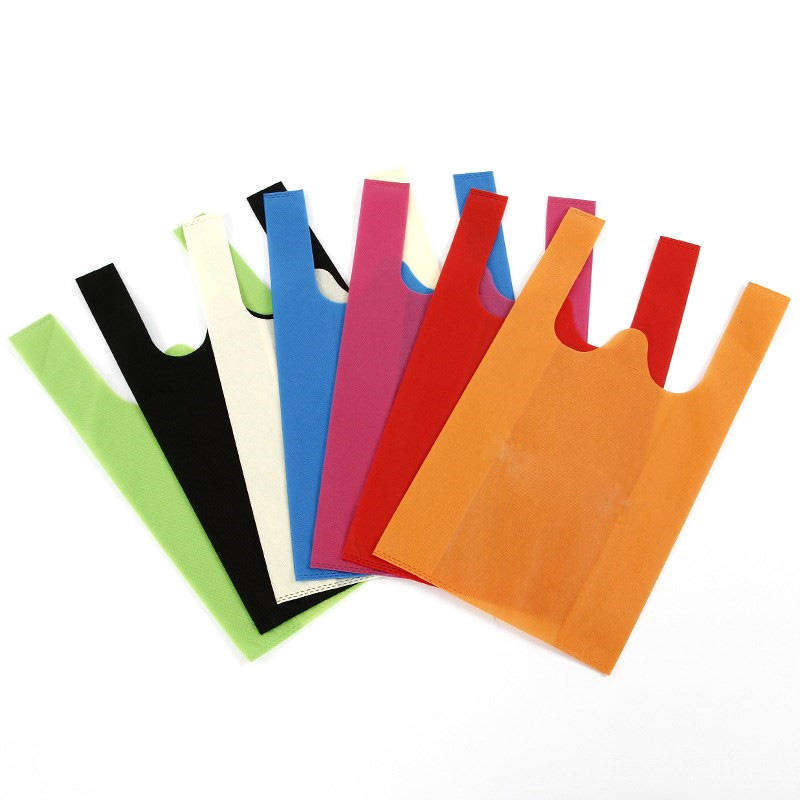
The global conversation around sustainable packaging has never been more urgent, and businesses across retail, hospitality, and manufacturing are actively seeking alternatives to single-use plastics. One solution that has steadily gained traction is the non-woven Shopping Bag. Unlike conventional plastic bags that persist in landfills for hundreds of years, these bags are engineered from polypropylene fibers that offer a compelling blend of durability, reusability, and reduced environmental footprint. Understanding how this type of bag actively contributes to sustainable packaging practices is essential for procurement managers, brand strategists, and sustainability officers making informed sourcing decisions.
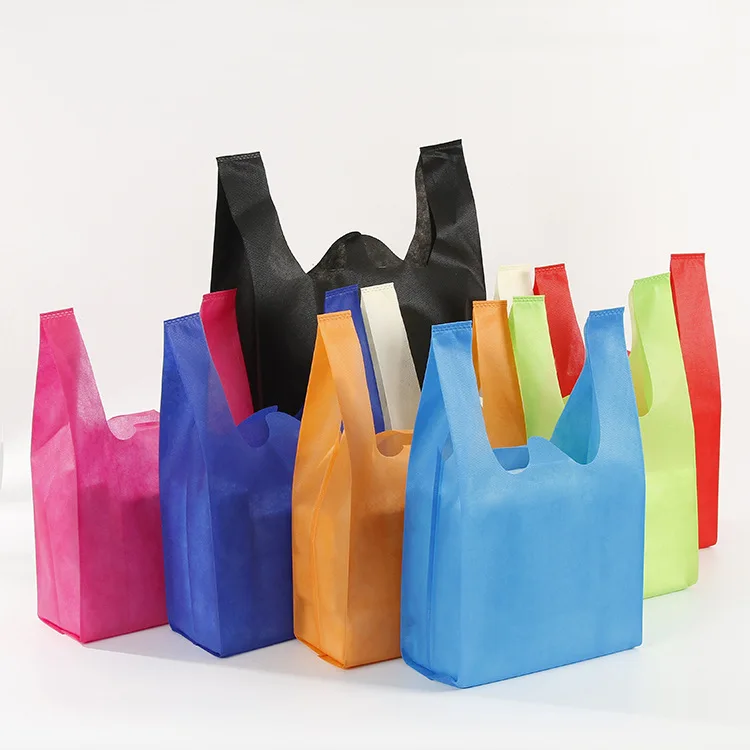
The non-woven Shopping Bag is more than a simple carrier — it represents a systemic shift in how businesses approach packaging responsibility. From its production process to its end-of-life recyclability, this product touches nearly every pillar of a modern sustainability framework. This article explores the specific mechanisms through which the non-woven Shopping Bag supports sustainable packaging practices, covering material science, lifecycle impact, branding alignment, regulatory compatibility, and operational benefits for businesses that commit to greener supply chains.
The Material Foundation of Sustainable Non-Woven Bags
Polypropylene as a Responsible Raw Material Choice
At the core of every non-woven Shopping Bag is polypropylene, a thermoplastic polymer that is bonded through heat and pressure rather than weaving or knitting. This manufacturing process uses significantly less water and energy compared to cotton or woven synthetic fabrics. The result is a material that achieves structural strength without the resource-intensive steps associated with traditional textile production. For companies evaluating sustainable packaging inputs, polypropylene non-woven fabric represents a pragmatic choice backed by measurable efficiency gains.
Polypropylene is also one of the most widely recyclable plastics in the world, classified under resin identification code 5. This means that a properly processed non-woven Shopping Bag can re-enter the material stream at the end of its useful life rather than heading directly to landfill. While the recycling infrastructure for polypropylene non-woven fabric varies by region, the inherent recyclability of the material provides a meaningful advantage over multi-layer laminates or composite materials that cannot be separated for recycling. Businesses sourcing these bags are therefore choosing a substrate with credible end-of-life credentials.
The density and weight of non-woven polypropylene can also be calibrated during manufacturing, allowing producers to optimize material usage without compromising functionality. A well-engineered non-woven Shopping Bag can carry loads of 15 to 20 kilograms while using only a fraction of the raw material that would be needed for a comparable woven or paper alternative. This material efficiency is a direct contribution to reducing the per-unit environmental impact of packaging at scale.
Comparing Non-Woven Fabric to Single-Use Alternatives
To fully appreciate how a non-woven Shopping Bag supports sustainable packaging, it helps to contextualize it against single-use plastic bags. A standard HDPE grocery bag is typically used once, takes 400 to 1,000 years to decompose, and contributes substantially to microplastic pollution in water systems. A non-woven bag, by contrast, is designed for repeated use across dozens or even hundreds of shopping cycles. When lifecycle assessments account for this reuse potential, the carbon footprint per-use drops dramatically with each additional use cycle.
Paper bags, often positioned as an eco-friendly alternative, come with their own environmental costs. Their production requires considerably more water and energy per unit than a non-woven Shopping Bag, and they perform poorly under wet or heavy-load conditions, limiting their effective use cycles. Jute and cotton bags have their sustainability merits but carry a much higher production water footprint and take longer to decompose under certain conditions. The non-woven Shopping Bag occupies a pragmatic middle ground — affordable enough to distribute at scale, durable enough to generate genuine reuse, and recoverable enough to feed into recycling programs.
Lifecycle Impact and Reusability as Sustainability Drivers
Extended Use Cycles That Multiply Environmental Savings
One of the most direct ways a non-woven Shopping Bag supports sustainable packaging practices is through its designed longevity. These bags are not promotional novelties meant to be used once and discarded. High-quality constructions feature reinforced stitching, sturdy handle attachments, and dense non-woven fabric that resists tearing under regular load. The more times a bag is used, the lower its environmental cost per use — making durability a core sustainability feature, not merely a quality attribute.
Brands that distribute a non-woven Shopping Bag as part of their packaging strategy are effectively investing in an extended-use promotional asset. Every reuse by the end consumer represents another avoided single-use plastic bag, another reduction in waste generation, and another brand impression in a public setting. This creates a virtuous cycle where sustainability and marketing reinforce each other. Retailers, grocers, and event organizers who track reuse rates have reported that well-made non-woven bags remain in active circulation for one to three years in consumer households.
From a supply chain perspective, the reusability of a non-woven Shopping Bag also reduces the total volume of packaging materials a business needs to procure annually. Once a critical mass of reusable bags is in consumer hands, the replenishment rate drops, lowering both sourcing costs and total packaging waste generation. This lifecycle efficiency is increasingly recognized in corporate sustainability reporting as a quantifiable contribution to waste reduction targets.
End-of-Life Recovery and Circularity Potential
Sustainable packaging practice is not limited to what happens during product use — it extends to what happens when a product reaches the end of its functional life. A non-woven Shopping Bag made from virgin or recycled polypropylene can, in principle, be returned to a recycling stream when it is no longer functional. Some forward-thinking brands have established take-back programs that collect worn bags at point of sale, diverting them from landfill and channeling them into material recovery facilities.
The non-woven polypropylene material can be shredded, melted, and repurposed into secondary plastic products such as outdoor furniture components, automotive parts, or industrial packaging. This circularity potential aligns with the core principles of a circular economy — keeping materials in use for as long as possible and extracting maximum value before recovery. For sustainability professionals building circular packaging programs, the non-woven Shopping Bag offers a technically viable pathway to circularity that many alternative bag materials cannot match.
Additionally, as demand for recycled polypropylene grows in industrial markets, the economic incentive to collect and process used non-woven bags is increasing. This market pull effect strengthens the practical case for including the non-woven Shopping Bag in formal take-back or deposit-return schemes, particularly for high-volume retail and food service operations.
Brand Alignment with Environmental Responsibility
How Non-Woven Bags Communicate Sustainability Commitment
The choice of packaging communicates brand values long before a customer reads any marketing copy. When a retailer or brand presents a non-woven Shopping Bag in place of a single-use plastic bag, it sends an immediate, visible signal about where the brand stands on environmental responsibility. This is particularly important for B2B buyers sourcing packaging for their own client-facing operations — the packaging choice becomes part of the brand experience and sustainability narrative they present to end consumers.
The large surface area of a non-woven Shopping Bag is ideal for printed branding elements, sustainability messaging, and certification marks. Eco-label logos, carbon footprint statements, and recycling instructions can all be incorporated into the bag's design without compromising functionality. This makes the bag both a practical carrier and a communication vehicle — one that travels through public spaces and reinforces the brand's green credentials with every use.
For companies operating in markets where consumer environmental consciousness is high, the visible use of a non-woven Shopping Bag can meaningfully influence purchase decisions and brand loyalty. Shoppers who value sustainability increasingly prefer to patronize businesses that make tangible, visible efforts to reduce packaging waste. Providing a reusable non-woven bag is one of the most straightforward and cost-effective ways to demonstrate this commitment at the point of sale.
Customization Options That Reinforce Responsible Branding
The non-woven polypropylene substrate is highly compatible with screen printing, heat transfer, and lamination processes, giving brands extensive customization flexibility. A well-designed non-woven Shopping Bag can be produced in a range of colors, sizes, and configurations — tote style, drawstring, wine carrier, or gusset bottom — each suited to different retail or promotional contexts. This versatility ensures that businesses do not have to sacrifice aesthetic appeal or brand consistency when transitioning to sustainable packaging solutions.
Customization also supports product differentiation and limited-edition sustainability campaigns. Seasonal designs, co-branded collaborations, and cause-related marketing initiatives can all be executed on a non-woven Shopping Bag format. These campaigns not only generate consumer engagement but also reinforce the narrative that sustainable packaging can be desirable, fashionable, and worth keeping — which directly extends the bag's use life and amplifies its environmental benefit.
Regulatory Compatibility and Industry Standards
Meeting Plastic Bag Bans and Extended Producer Responsibility Requirements
Regulatory environments across the globe are increasingly hostile to single-use plastic bags. Jurisdictions from the European Union to Southeast Asian nations have enacted bans, levies, or mandatory reduction targets for thin plastic bags. For businesses operating across these markets, having a compliant packaging solution is not optional — it is a prerequisite for continued operation. The non-woven Shopping Bag, by virtue of its reusability and material composition, typically satisfies the requirements of these regulatory frameworks.
Under many extended producer responsibility (EPR) schemes, brands are required to either reduce the amount of packaging they place on the market or contribute financially to its collection and recycling. A non-woven Shopping Bag with documented recyclability can help businesses demonstrate compliance with these requirements and, in some cases, reduce their financial liability under EPR fee structures. Procurement teams should work closely with their sustainability and legal departments to ensure that the specific bag specifications they source meet the applicable standards in each market they serve.
It is also worth noting that certain green procurement frameworks and corporate sustainability certifications require demonstrable progress in packaging waste reduction. Switching to a reusable non-woven Shopping Bag as part of a broader packaging audit can generate documentation and metrics that support applications for certifications such as ISO 14001, LEED, or various retailer-specific sustainability scorecards. This regulatory compatibility elevates the business case beyond ethics and into measurable operational compliance.
Certifications and Material Transparency in Supply Chains
As sustainability reporting standards tighten, buyers are increasingly demanding material transparency from their suppliers. A non-woven Shopping Bag sourced from responsible manufacturers typically comes with documentation covering material composition, weight per square meter, tensile strength, and, where applicable, third-party environmental certifications. This level of transparency supports accurate lifecycle assessments and strengthens the credibility of sustainability claims made by the buying organization.
Some polypropylene non-woven fabrics are produced using recycled content, which further enhances the sustainability profile of the finished non-woven Shopping Bag. Recycled content claims should be verified through recognized standards such as the Global Recycled Standard (GRS) or equivalent certification bodies to ensure they are defensible under scrutiny. Buyers who prioritize verified recycled content in their packaging specifications are better positioned to meet the expectations of sustainability-conscious retail partners and institutional clients.
Operational and Commercial Benefits That Support Long-Term Sustainability
Cost Efficiency Over Multiple Use Cycles
Sustainability and profitability are not mutually exclusive — in fact, the non-woven Shopping Bag demonstrates how responsible packaging choices can also make sound commercial sense. While the unit cost of a non-woven bag is higher than a single-use plastic bag at point of purchase, the total cost per use across multiple cycles is considerably lower. For retailers that sell or distribute reusable bags, the customer retention and brand visibility generated by each use adds further commercial value that is difficult to quantify but real in practice.
For B2B buyers sourcing large volumes, the non-woven Shopping Bag offers predictable cost structures, scalable customization, and reliable supply chains. Polypropylene non-woven fabric is produced at industrial scale globally, ensuring competitive pricing and consistent quality standards for bulk procurement. This commercial stability is particularly important for retail chains, supermarkets, and logistics companies that require packaging solutions capable of meeting high-volume, consistent-quality demands without frequent supplier changes.
Supply Chain Integration and Packaging Waste Reduction Programs
Integrating the non-woven Shopping Bag into a company's packaging strategy is also a practical step toward meeting internal packaging waste reduction targets. When tracked through a packaging audit, the transition from single-use plastic bags to reusable non-woven alternatives generates measurable reductions in packaging waste tonnage — a metric that is directly reportable in sustainability disclosures such as GRI, CDP, or UN SDG-aligned frameworks.
Operations teams can also benefit from the consistent physical properties of the non-woven Shopping Bag in logistics and warehousing contexts. The bags are lightweight, space-efficient when flat-packed, and resistant to moisture and tearing during transit, reducing damage-in-transit rates compared to paper alternatives. This operational durability means fewer replacement orders, less wasted inventory, and a smoother integration into existing packaging workflows.
Ultimately, businesses that embed the non-woven Shopping Bag into their packaging strategy are not just making a single product choice — they are making a structural commitment to a more responsible, efficient, and future-proof approach to packaging. As consumer expectations, regulatory requirements, and investor scrutiny around packaging sustainability continue to intensify, this commitment becomes an increasingly important competitive differentiator.
FAQ
Is a non-woven Shopping Bag truly more sustainable than a paper bag?
Yes, when reuse cycles are factored in. A non-woven Shopping Bag requires more initial resources to produce than a single paper bag, but its ability to be reused dozens of times means its per-use environmental footprint is substantially lower. Paper bags also have higher water and energy consumption per unit during production and degrade quickly when wet, limiting their effective use life.
Can a non-woven Shopping Bag be recycled after it wears out?
Most non-woven Shopping Bags made from polypropylene (PP5) are technically recyclable through appropriate plastics recycling streams. The practical availability of recycling depends on local infrastructure, but the material composition is inherently compatible with industrial recycling processes. Some brands have also introduced take-back programs to ensure proper end-of-life recovery.
How does a non-woven Shopping Bag support corporate sustainability reporting?
Switching to reusable non-woven Shopping Bags generates quantifiable reductions in single-use packaging waste, which can be reported under sustainability frameworks such as GRI, CDP, and UN SDG reporting. This data supports compliance with extended producer responsibility requirements and contributes to certifications such as ISO 14001, strengthening a company's overall sustainability credentials.
What customization options are available for non-woven Shopping Bags used in branding?
Non-woven Shopping Bags support a wide range of customization options including screen printing, heat transfer printing, lamination, and various structural configurations such as tote, drawstring, gusset-bottom, or wine-carrier styles. Full-color branding, sustainability messaging, and certification logos can all be incorporated, making the bag an effective dual-purpose packaging and brand communication tool.