 EN
EN


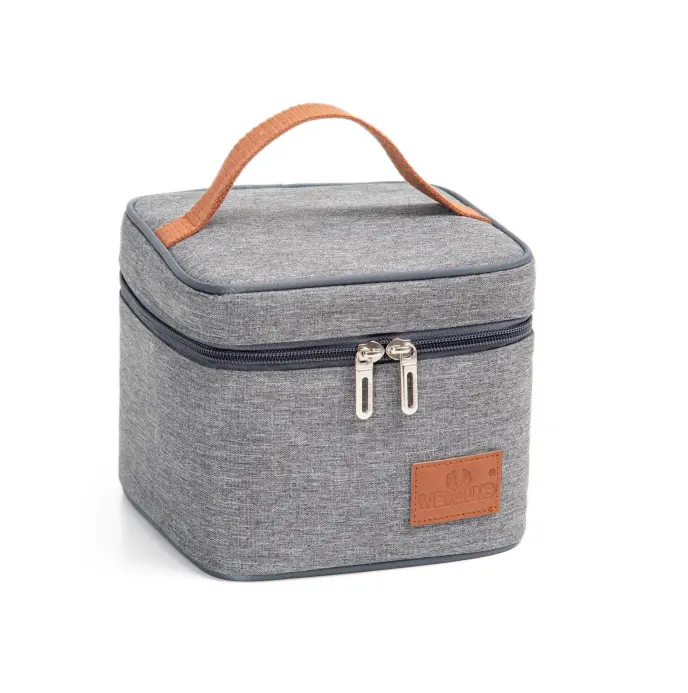
When businesses and consumers evaluate reusable bag options, the comparison between a Non Woven Tote Bag, cotton bags, and canvas bags comes up frequently. Each material has a distinct production process, environmental profile, durability range, and cost structure that makes it more or less suitable depending on how and where the bag will be used. Understanding these differences is not just a matter of preference — it is a practical decision that affects promotional value, supply chain economics, and long-term brand perception.
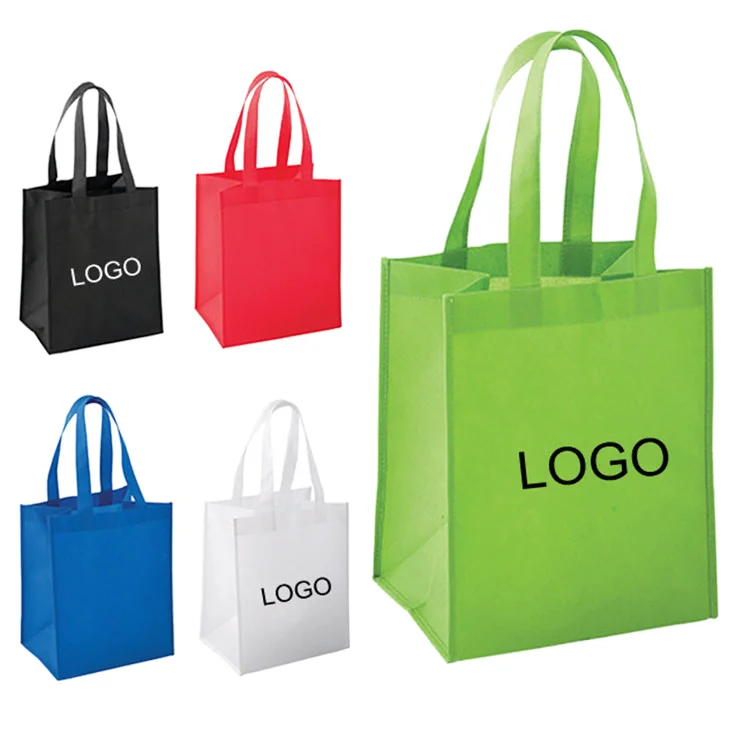
The Non Woven Tote Bag has grown into one of the most widely used alternatives to single-use plastic bags across retail, healthcare, grocery, and promotional industries. Cotton and canvas bags occupy a different tier of the market, appealing to audiences that prioritize natural materials or premium aesthetics. This article breaks down the key distinctions across material composition, durability, cost, customization, and environmental impact so you can make a genuinely informed choice rather than relying on surface-level assumptions.
Material Composition and Construction Differences
What a Non Woven Tote Bag Is Made From
A Non Woven Tote Bag is manufactured from polypropylene (PP) fibers that are bonded together through heat, pressure, or chemical processes rather than being woven on a loom. This gives the material a soft, fabric-like texture without the interlocking thread structure found in traditional textiles. The resulting sheet is lightweight, tear-resistant, and highly uniform in thickness, which makes it easy to cut and sew into bag shapes at scale.
The non-woven construction also means the material can be produced continuously at high speed, significantly reducing manufacturing lead times. Most non-woven bags use a spunbond polypropylene process, which produces a material that resists moisture and maintains its shape under load. This makes the Non Woven Tote Bag particularly well-suited for grocery, retail, and promotional applications where bags must carry moderate weight without sagging or tearing.
One important aspect of the construction is that the material is naturally receptive to printing. Heat transfer, screen printing, and ultrasonic welding can all be applied cleanly to a Non Woven Tote Bag, which supports branding efforts without the need for expensive setup processes. This is a key functional advantage over woven materials when customization speed and scale are priorities.
How Cotton and Canvas Bags Are Constructed
Cotton bags are made from natural plant-derived fibers that are spun into yarn and then woven into fabric. The weave density and yarn thickness determine the weight and durability of the final bag. Standard cotton tote bags use a relatively open weave that keeps the material lightweight and breathable, while canvas bags use a much tighter, heavier weave that produces a stiff, robust structure.
Canvas is technically a category of cotton fabric, but its higher thread count and denser construction give it properties closer to a technical material. The added thickness means canvas bags can carry heavier loads and withstand rougher handling than regular cotton totes. However, this durability comes at a cost — both in raw material price and in the energy required to produce and dye the fabric before it reaches the bag manufacturer.
Both cotton and canvas bags require more processing steps than the material used in a typical Non Woven Tote Bag. From farming and ginning raw cotton to spinning, weaving, dyeing, and finishing, the supply chain is longer and more variable. This introduces more potential for quality inconsistency and makes large-scale production more time-intensive, particularly when specific colors or prints are required.
Durability and Load-Bearing Performance
Strength Characteristics of the Non Woven Tote Bag
The durability of a Non Woven Tote Bag depends primarily on the GSM (grams per square meter) rating of the polypropylene fabric used. Bags produced at 80–100 GSM are suitable for light grocery or retail use, while those at 120 GSM and above offer significantly greater resistance to tearing, stretching, and repeated folding. For industrial or heavy-load use cases, reinforced stitching at the handle attachment points further extends the service life.
Under normal use conditions — carrying groceries, promotional materials, or retail purchases — a well-constructed Non Woven Tote Bag can withstand dozens to hundreds of uses before showing visible wear. The material does not absorb moisture readily, which means it resists mold and maintains structural integrity even when used in humid or outdoor environments. This property gives it a practical edge over natural fiber bags in certain climates and storage conditions.
The main limitation of polypropylene non-woven material is its susceptibility to prolonged UV exposure and extreme mechanical stress. Unlike woven textiles, once a non-woven fabric develops a puncture or deep tear, the damage tends to propagate more readily. For applications requiring maximum long-term durability, heavier GSM ratings and reinforced seam construction are essential when specifying a Non Woven Tote Bag.
Durability of Cotton and Canvas in Direct Use
Canvas bags are widely regarded as the most durable option among commonly available tote bag materials. The tight weave and heavy fabric weight make them highly resistant to tearing, abrasion, and repeated washing. A well-made canvas bag can last for years under consistent daily use, which is why they are often chosen for premium brand merchandise, craft markets, and long-term retail programs.
Standard cotton tote bags are less durable than canvas but more durable than many lightweight non-woven options. They are fully washable, which extends their lifespan for consumers who reuse them regularly. However, cotton bags can shrink after washing if not pre-shrunk during manufacturing, and repeated laundering does gradually weaken the fibers over time.
In head-to-head comparisons, a high-GSM Non Woven Tote Bag can approach the practical durability of a standard cotton tote for everyday use, while a canvas bag consistently outperforms both over a multi-year timeframe. The durability hierarchy matters when deciding how to position a bag in terms of price point, promotional value, and expected reuse frequency.
Cost Structure and Scalability for Businesses
Production and Unit Cost of the Non Woven Tote Bag
One of the most compelling advantages of the Non Woven Tote Bag in a B2B context is its low unit cost at scale. Because polypropylene is a synthetic material with a relatively stable supply chain and because non-woven fabric can be produced at high speed, manufacturers can offer competitive pricing even at moderate order quantities. This makes the Non Woven Tote Bag the default choice for mass promotional campaigns, trade show giveaways, and retail chain packaging programs.
Custom printing costs are also lower for non-woven bags compared to woven alternatives. The flat, smooth surface of polypropylene non-woven fabric accepts printing with minimal pretreatment, and because many non-woven bag manufacturers have integrated printing capabilities, turnaround times are faster. For businesses running large-volume or time-sensitive campaigns, a Non Woven Tote Bag typically offers the best combination of customization flexibility and unit economics.
Lead times for non-woven bags are also shorter than those for woven alternatives, particularly for custom orders. This is an important operational consideration for buyers who work with tight campaign timelines or who need to respond quickly to seasonal demand spikes. The ability to produce consistent quality at high volume with fast turnaround is a structural advantage tied directly to the non-woven manufacturing process.
Cost Implications of Cotton and Canvas Bags
Cotton and canvas bags are inherently more expensive to produce than non-woven alternatives, primarily because natural fiber sourcing, spinning, and weaving require more energy, time, and labor. The cost gap widens further when custom printing or dyeing is involved, since natural fabrics often require additional surface treatment to achieve vibrant, consistent print results.
For premium brands, corporate gifting programs, or retailers targeting environmentally conscious consumers, the higher cost of cotton or canvas bags can be justified by the perceived quality and tactile premium they provide. Canvas bags in particular carry a strong lifestyle association that some brands are willing to pay for. However, for high-volume promotional use where cost-per-impression matters more than perceived material quality, the economics favor the Non Woven Tote Bag decisively.
Minimum order quantities for cotton and canvas bags are typically higher than those for non-woven bags, and production lead times are longer. This limits the agility available to buyers who need to adjust quantities or designs between order cycles. Businesses that prioritize operational flexibility tend to gravitate toward the Non Woven Tote Bag model for this reason alone.
Environmental Impact and Sustainability Considerations
The Environmental Profile of the Non Woven Tote Bag
The environmental narrative around the Non Woven Tote Bag is more nuanced than it first appears. Because polypropylene is a petroleum-derived plastic, the material does not biodegrade under standard environmental conditions. However, polypropylene non-woven fabric is recyclable through dedicated plastic recycling streams, and the manufacturing process generates less water pollution than cotton dyeing and finishing operations.
Life cycle assessments consistently show that the environmental break-even point for reusable bags depends heavily on how many times a bag is actually reused. A Non Woven Tote Bag used 10 to 20 times already outperforms single-use plastic bags on most environmental metrics, including greenhouse gas emissions and energy consumption per use. When used consistently over months or years, the environmental case strengthens further.
Some manufacturers now offer non-woven bags made from recycled polypropylene or biodegradable non-woven alternatives. These options address the end-of-life criticism directly while maintaining the cost and production advantages that make the Non Woven Tote Bag commercially viable at scale. For brands with formal sustainability commitments, specifying recycled-content non-woven fabric is a credible and measurable improvement.
Cotton and Canvas from a Sustainability Lens
Cotton is a natural, biodegradable fiber, which gives it an intuitive environmental appeal. However, conventional cotton farming is highly water-intensive, requires significant pesticide application, and generates a large carbon footprint per kilogram of usable fiber. Life cycle studies have consistently found that a standard cotton tote bag must be reused many hundreds of times — some estimates exceed 100 uses for even modest environmental benefit — to offset its production impact compared to a single-use plastic bag.
Organic cotton and recycled cotton fabrics reduce these impacts substantially, but they come at a premium that further widens the price gap with non-woven alternatives. Canvas bags share many of the same environmental considerations as cotton, with the added impact of heavier fabric weight requiring more raw material per bag. The biodegradability of cotton and canvas at end of life is a genuine advantage, but it must be weighed against the significant upstream impacts.
The practical takeaway is that no single bag material is unambiguously the most sustainable choice across all dimensions. The Non Woven Tote Bag offers a lower production footprint and lower cost per use when bags are actually reused, while cotton and canvas offer biodegradable end-of-life properties and natural material credentials that resonate with certain consumer segments. The right choice depends on how the bag will be used, by whom, and in what volume.
Customization, Branding, and Application Fit
Branding Advantages of the Non Woven Tote Bag
From a branding and customization standpoint, the Non Woven Tote Bag offers exceptional versatility. The smooth polypropylene surface takes full-color printing cleanly, allowing for detailed logos, photographic imagery, and multi-color designs without the color bleeding or texture interference that can affect natural fabric prints. This makes it straightforward to achieve consistent, professional-looking results across large production runs.
The bag itself can be manufactured in virtually any size, shape, or color, with a wide range of handle styles, closure options, and reinforcement configurations. Gusset widths, bottom board inserts, zipper tops, and side pockets are all standard customization options available across most Non Woven Tote Bag manufacturers. This level of configurability supports precise alignment with brand guidelines and functional use case requirements.
For trade shows, retail store programs, healthcare facilities, and food service operations, the Non Woven Tote Bag is particularly well-suited because it can be produced in large quantities quickly, stored compactly, and distributed without concern for material degradation during storage. These practical logistics advantages directly support high-volume branding programs.
When Cotton or Canvas Bags Better Serve the Brand
Cotton and canvas bags deliver a different brand message — one that emphasizes craft, sustainability, and premium quality. For artisanal brands, independent retailers, wellness companies, and organizations targeting environmentally aware consumers, the tactile weight and natural feel of cotton or canvas reinforces the brand narrative in ways that synthetic materials cannot replicate. The fabric holds embroidery and screen printing well, and the resulting product has a handmade, considered aesthetic that commands higher perceived value.
Canvas bags in particular are well-suited for use as merchandise items that consumers will keep and use repeatedly. Because of their durability and premium perception, they justify higher retail price points and can function as revenue-generating products rather than purely promotional giveaways. This positions them in a different strategic category from the typical Non Woven Tote Bag use case.
The decision between a Non Woven Tote Bag and a cotton or canvas alternative ultimately comes down to matching the bag's material characteristics with the brand's positioning, budget, volume requirements, and target audience expectations. Both options are legitimate — they simply serve different strategic objectives and different points on the quality-cost spectrum.
FAQ
Is a Non Woven Tote Bag waterproof compared to cotton?
A Non Woven Tote Bag made from polypropylene is naturally water-resistant because the synthetic fibers do not absorb moisture the way cotton does. While it is not fully waterproof — water can penetrate through seams and stitching — it handles light rain and spills far better than standard cotton bags, making it more practical for grocery and outdoor retail use.
Which bag type is more suitable for high-volume promotional campaigns?
For high-volume promotions where cost efficiency, fast turnaround, and consistent custom printing are priorities, the Non Woven Tote Bag is the most practical choice. Its lower unit cost, faster production cycle, and versatile print surface make it the preferred option for trade shows, retail giveaways, and large-scale branded distribution programs.
Can a Non Woven Tote Bag be recycled or is it always landfill waste?
Standard polypropylene non-woven fabric is technically recyclable through plastic recycling streams, though not all municipal recycling programs accept it. Some manufacturers now offer Non Woven Tote Bag options made from recycled polypropylene, which lowers the product's carbon footprint. Proper end-of-life disposal through designated recycling channels significantly reduces the environmental impact compared to single-use plastic alternatives.
How does print quality differ between a Non Woven Tote Bag and a canvas bag?
The smooth, uniform surface of a Non Woven Tote Bag generally produces sharper, more vibrant full-color prints compared to canvas, which has a coarser texture that can soften fine details. Canvas is better suited for bold, simple graphics or embroidery that benefits from its textured surface. For photographic or detailed logo work, non-woven material typically delivers more consistent and cost-effective results at scale.