 EN
EN


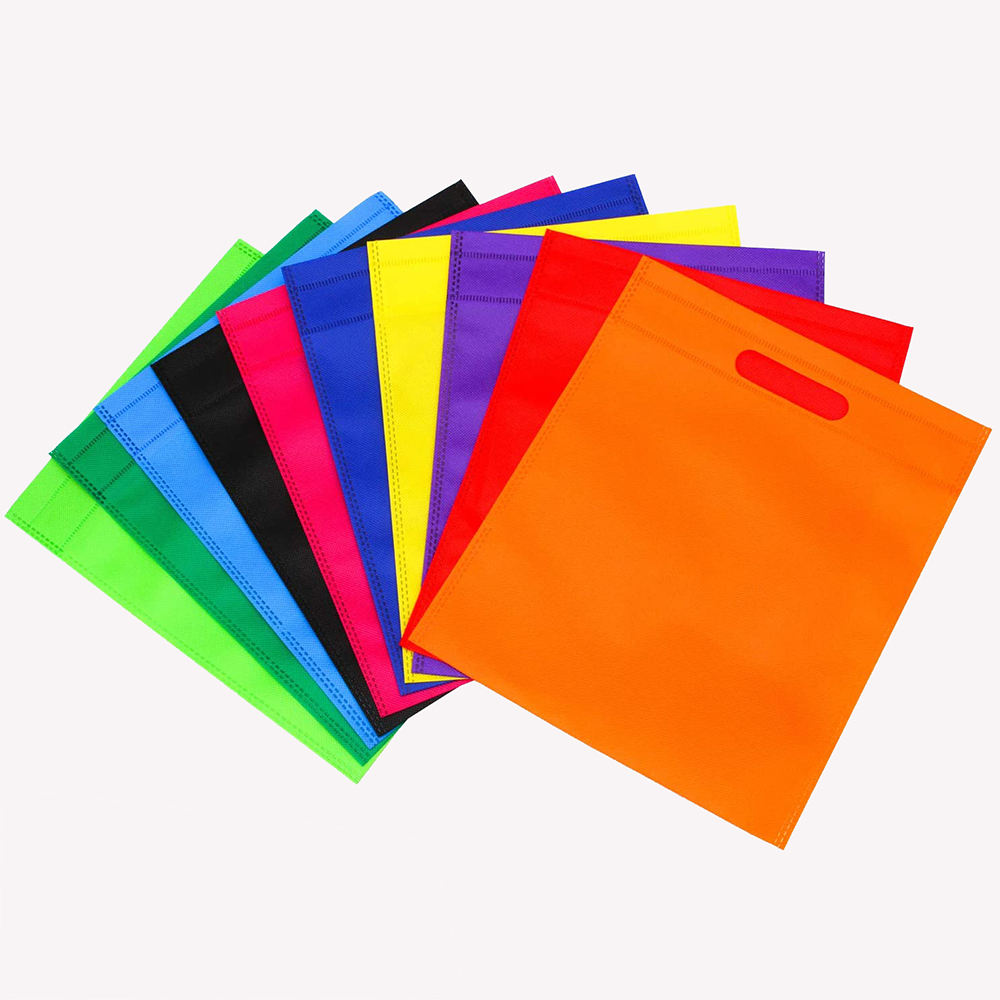
For businesses managing tight operational budgets, packaging expenditure is often one of the most overlooked areas where significant savings can be unlocked. The Non Woven Shopping Bag has emerged as a practical, cost-effective alternative to single-use plastic and paper packaging solutions across retail, grocery, promotional, and corporate gifting sectors. Understanding exactly how this material and format translates into lower packaging costs requires a closer look at production economics, reuse cycles, and brand efficiency — all of which point in a clear direction for procurement managers and business owners.
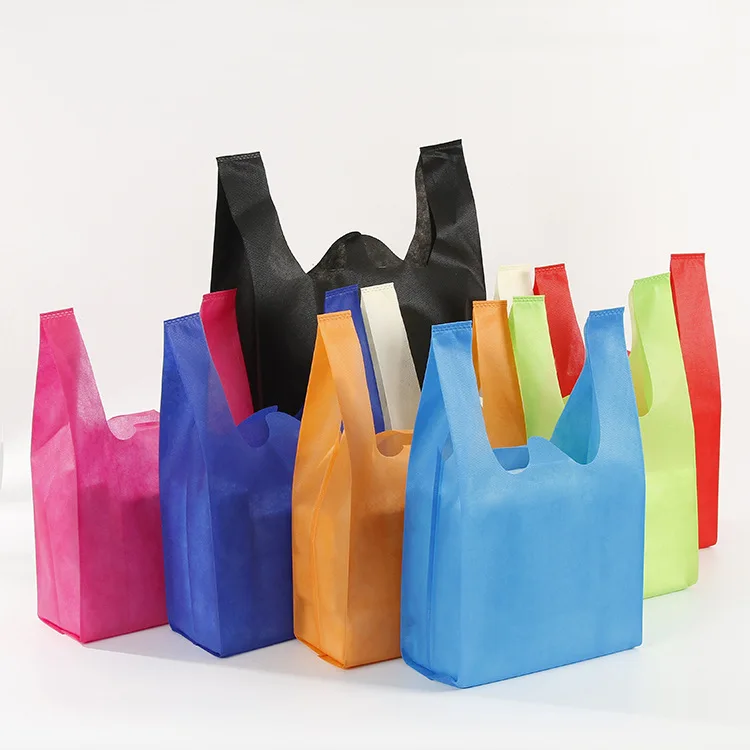
Unlike disposable packaging that delivers value once and is immediately discarded, the Non Woven Shopping Bag is engineered to be reused repeatedly, distributing its per-unit cost across multiple use cycles and creating cumulative savings for both the issuing business and the end consumer. This fundamental difference in lifecycle economics is what drives growing adoption among cost-conscious enterprises. Across industries, companies that have transitioned to non woven solutions report measurable reductions in both direct packaging spend and indirect costs tied to waste disposal and regulatory compliance.
The Raw Material Advantage of Non Woven Polypropylene
Lower Input Costs Compared to Other Bag Materials
The primary material used in a Non Woven Shopping Bag is polypropylene, a thermoplastic polymer that is widely available, lightweight, and relatively inexpensive to produce at scale. Polypropylene non woven fabric is manufactured through a spunbond process that bonds fibers together using heat and pressure rather than weaving or knitting, which significantly reduces labor and machinery costs in production. The result is a material that achieves adequate tensile strength, flexibility, and print compatibility at a cost per unit that consistently undercuts woven fabric, premium paper, and multi-layer laminate alternatives.
From a procurement standpoint, the cost of polypropylene as a raw commodity has historically remained more stable than specialty paper grades or biodegradable composite materials that require complex processing. This stability gives buyers greater predictability in budgeting, and because the material is lightweight, shipping and freight costs per unit ordered are also lower. A business ordering in bulk can typically secure per-bag pricing that makes each individual Non Woven Shopping Bag substantially cheaper than a comparable-quality kraft paper bag or coated cardboard carrier.
Additionally, polypropylene is recyclable within many industrial waste streams, which helps companies meet sustainability mandates without investing in more expensive biodegradable or compostable alternatives. The combination of accessible raw materials, efficient manufacturing, and recyclability creates a cost structure that is inherently favorable for high-volume packaging needs.
High-Volume Production Efficiency
Because non woven fabric can be produced continuously and cut into bag shapes using automated processes, manufacturers are able to achieve high output with minimal manual labor intervention. This production efficiency is passed downstream to the buyer through competitive pricing, particularly when orders reach the thousands or tens of thousands of units. The Non Woven Shopping Bag benefits from economies of scale that few other packaging formats can match at similar price points.
For retailers or promotional brands that require consistent packaging across multiple store locations or seasonal campaigns, high-volume non woven production allows for standardization without cost penalties. Printing, stitching, handle attachment, and finishing can all be automated within a single production line, reducing per-unit conversion costs considerably. This is a meaningful advantage over paper bags, where printing and lamination often require separate production stages and add up quickly in cost.
Reusability as a Long-Term Cost Reduction Mechanism
Spreading Cost Across Multiple Use Cycles
One of the most compelling cost arguments for the Non Woven Shopping Bag is its inherent reusability. A well-constructed polypropylene non woven bag can withstand dozens of use cycles before showing significant wear, meaning the initial cost of producing or purchasing the bag is spread across multiple engagements rather than absorbed in a single transaction. When a business provides a branded Non Woven Shopping Bag to a customer, that bag continues carrying the brand and functioning as packaging well beyond the initial sale.
From a pure cost-per-use calculation, a bag that costs modestly more upfront but is used thirty or forty times delivers a far lower cost per use than a single-use plastic bag costing a fraction of the price but discarded immediately. For businesses that factor total cost of ownership into their packaging decisions, the math consistently favors the reusable Non Woven Shopping Bag over disposable alternatives. This reusability logic applies not only to retail consumer bags but also to trade show giveaways, conference materials, and institutional grocery packaging.
End consumers who retain and reuse a Non Woven Shopping Bag also reduce the business's implied obligation to provide new packaging on every purchase, particularly in settings where bags are sold rather than given away free. This creates a secondary cost reduction layer that compounds over time, especially in high-transaction retail environments.
Reduced Replenishment Frequency and Inventory Pressure
Businesses that rely on single-use packaging must replenish inventory frequently, creating recurring procurement cycles, shipping costs, and storage demands. A Non Woven Shopping Bag, by contrast, stays in circulation longer, which means the business does not need to reorder as frequently for the same volume of customer transactions. This translates directly into reduced procurement overhead, fewer supplier interactions, and lower warehousing costs tied to packaging inventory turnover.
For seasonal retailers, the ability to order a larger batch of Non Woven Shopping Bag stock less frequently also opens the door to better bulk pricing from suppliers. Committing to larger order quantities triggers tiered pricing discounts that single-use packaging buyers often cannot access due to the sheer volume consumption required. Over a fiscal year, reduced replenishment frequency combined with bulk pricing can produce packaging cost savings of notable magnitude.
Branding Value That Offsets Unit Cost
Advertising Efficiency Embedded in the Packaging
A crucial but often underweighted dimension of the Non Woven Shopping Bag's cost efficiency is its dual function as both packaging and mobile advertising medium. Non woven polypropylene accepts screen printing, heat transfer, and digital printing cleanly, allowing businesses to apply logos, brand colors, slogans, and promotional messages at relatively low incremental cost. Once printed, the bag becomes a walking advertisement every time it is carried in public by the recipient.
The cost-per-impression achieved through a reusable branded Non Woven Shopping Bag is dramatically lower than through most conventional advertising channels. Market research consistently shows that branded bags generate hundreds to thousands of impressions across their use lifetime, depending on the carrier's behavior and geography. When this advertising value is factored against the bag's unit cost, the effective packaging cost becomes negative in a marketing sense — the bag pays for itself through the brand exposure it generates.
For promotional campaigns, trade exhibitions, or product launches, issuing a Non Woven Shopping Bag as part of a marketing package eliminates the need for separate promotional materials like flyers or branded sleeves, consolidating budget and reducing total campaign spend. This integration of packaging and promotion into a single item is a genuine cost reduction lever that astute marketing teams leverage effectively.
Perceived Value Supporting Premium Positioning
The tactile quality and visual appeal of a well-produced Non Woven Shopping Bag lends the brand a perception of quality that single-use plastic bags cannot convey. In competitive retail environments, packaging perception influences purchase behavior and brand loyalty, meaning the bag indirectly contributes to revenue retention. A customer who associates the brand with quality packaging is more likely to return, reducing customer acquisition costs over time.
This perceived value is achieved without the significant cost premium associated with luxury paper bags, cotton tote bags, or custom-woven fabric carriers. The Non Woven Shopping Bag occupies a favorable middle ground — durable, presentable, and cost-effective simultaneously. For mid-range and mass-market retail brands, this positioning is commercially strategic as well as operationally economical.
Regulatory and Compliance Cost Avoidance
Navigating Plastic Bag Fees and Bans
Regulatory environments in many markets are increasingly hostile toward single-use plastic packaging, with governments imposing levies, bans, or extended producer responsibility schemes that add direct financial penalties to plastic bag use. Businesses that continue to rely on conventional single-use plastic packaging face escalating compliance costs, administrative burdens, and reputational risks. The Non Woven Shopping Bag provides a compliant alternative that sidesteps these penalties entirely in most regulatory jurisdictions.
By proactively transitioning to non woven bags, businesses avoid retroactive compliance spending that can be far more disruptive than a planned transition. The cost of replacing plastic bags reactively — after a regulation takes effect — typically includes emergency procurement at unfavorable prices, customer communication costs, and potential operational disruption. Early adoption of the Non Woven Shopping Bag eliminates these risks and the associated financial exposure.
In markets where plastic bag taxes apply at the point of sale, businesses passing costs to consumers risk competitive disadvantage if competitors have already absorbed the transition to compliant packaging. The Non Woven Shopping Bag enables companies to maintain price competitiveness while staying compliant, which has indirect but measurable revenue implications.
Waste Management and Disposal Cost Reduction
Single-use packaging generates higher volumes of waste that businesses must manage, either through in-store waste collection, contributions to municipal waste systems, or compliance with producer responsibility obligations. Each of these pathways has a cost attached, whether direct disposal fees or indirect costs embedded in regulatory compliance programs. Because the Non Woven Shopping Bag remains in customer possession and circulation for an extended period, it contributes less to immediate waste streams and correspondingly reduces the business's waste-related cost burden.
In jurisdictions with extended producer responsibility frameworks, lower packaging waste volumes directly translate into lower financial obligations under those schemes. Businesses that issue packaging with longer useful lives and documented recyclability are often assessed at lower rates, creating a structural cost advantage compared to those issuing high volumes of single-use items. The Non Woven Shopping Bag thus contributes to cost reduction not only in procurement but also in downstream regulatory and waste management budgets.
FAQ
How does the unit cost of a Non Woven Shopping Bag compare to a single-use plastic bag?
On a per-unit basis, a Non Woven Shopping Bag typically costs more than a basic single-use plastic bag. However, when the cost is calculated per use across the bag's full lifecycle, non woven bags are significantly more economical. A bag reused twenty or more times delivers a fraction of the cost per use compared to a single-use plastic bag discarded after one trip. For businesses accounting for total packaging cost rather than unit sticker price, the non woven option consistently provides superior value.
What order quantity is needed to achieve meaningful cost savings with Non Woven Shopping Bags?
Most manufacturers offer tiered pricing structures where costs decrease substantially as order quantities increase. Meaningful bulk pricing benefits typically begin at order volumes of a few thousand units, with more aggressive discounts available at tens of thousands. Businesses placing their first Non Woven Shopping Bag orders should work with suppliers to identify the quantity threshold where per-unit cost drops into a range that supports their packaging budget targets. Consolidating seasonal or annual demand into fewer, larger orders is a reliable strategy for maximizing price efficiency.
Can a Non Woven Shopping Bag be customized without significantly increasing the unit cost?
Yes. Customization such as screen-printed logos and brand colors is a standard feature of non woven bag production and adds relatively modest cost at scale. Because the printing process for non woven polypropylene fabric is efficient and integrated into most manufacturers' production workflows, custom branding does not trigger the significant cost premiums associated with specialty printing on paper or fabric alternatives. For promotional or retail applications, the marketing value of a customized Non Woven Shopping Bag far exceeds the incremental customization cost.
Are Non Woven Shopping Bags compliant with current environmental packaging regulations?
Non Woven Shopping Bags made from polypropylene are generally considered reusable packaging and are therefore exempt from or treated more favorably under single-use plastic bag regulations in most markets. They are also recyclable within polypropylene-compatible industrial recycling streams. However, specific regulatory compliance should always be verified against the applicable local laws, as standards and classifications can vary by jurisdiction. Engaging with a supplier who can provide material certifications and compliance documentation is advisable for businesses operating across multiple markets.
Table of Contents
- The Raw Material Advantage of Non Woven Polypropylene
- Reusability as a Long-Term Cost Reduction Mechanism
- Branding Value That Offsets Unit Cost
- Regulatory and Compliance Cost Avoidance
-
FAQ
- How does the unit cost of a Non Woven Shopping Bag compare to a single-use plastic bag?
- What order quantity is needed to achieve meaningful cost savings with Non Woven Shopping Bags?
- Can a Non Woven Shopping Bag be customized without significantly increasing the unit cost?
- Are Non Woven Shopping Bags compliant with current environmental packaging regulations?