 EN
EN


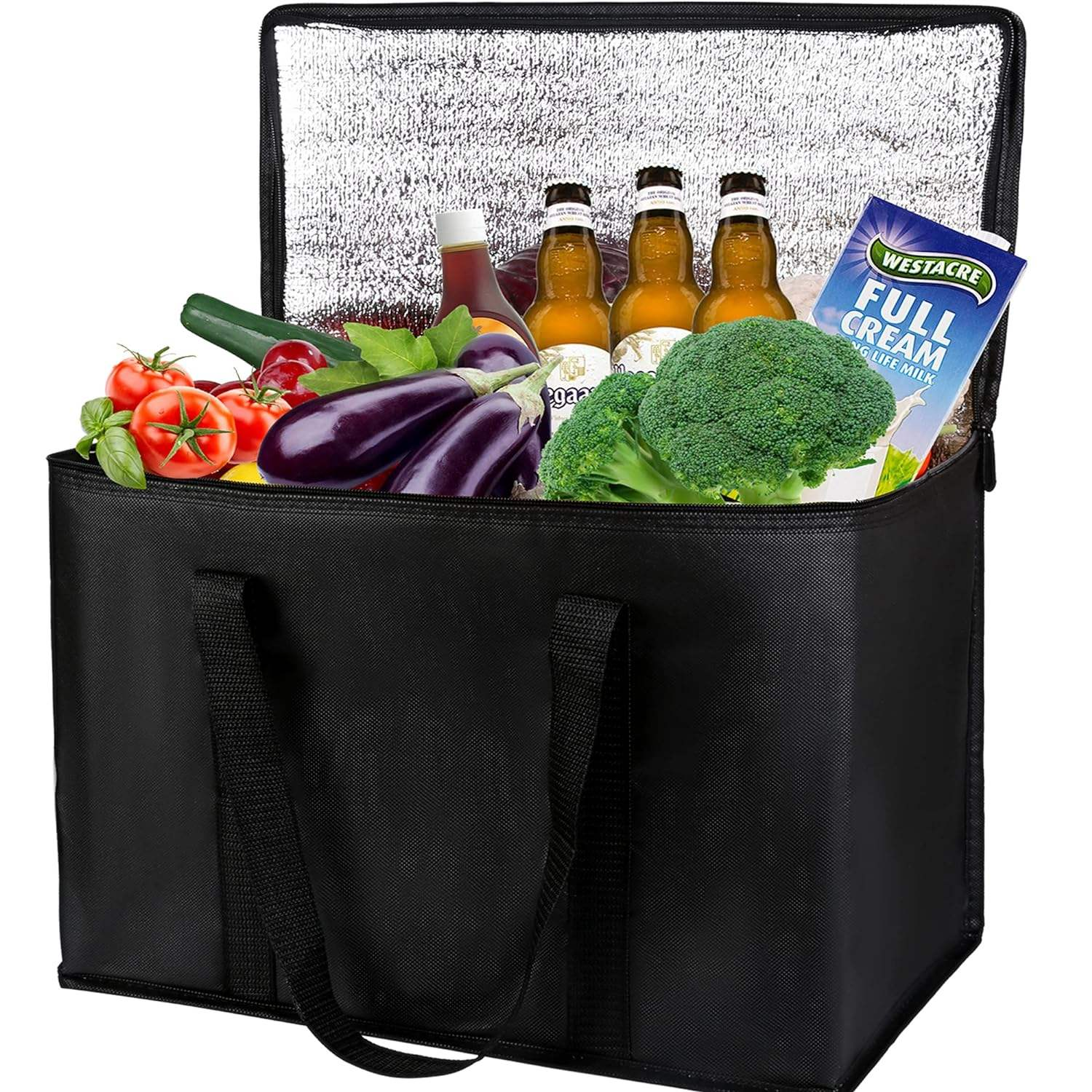
Keeping food and beverages at a safe temperature during transport is a challenge that affects everyone from daily commuters to professional caterers. A Non Woven Cooler Bag has emerged as a practical and increasingly popular solution for maintaining freshness, whether you are heading to a picnic, stocking up at the grocery store, or managing a corporate food delivery service. These bags combine smart materials engineering with lightweight portability, making them a reliable choice for temperature-sensitive loads.
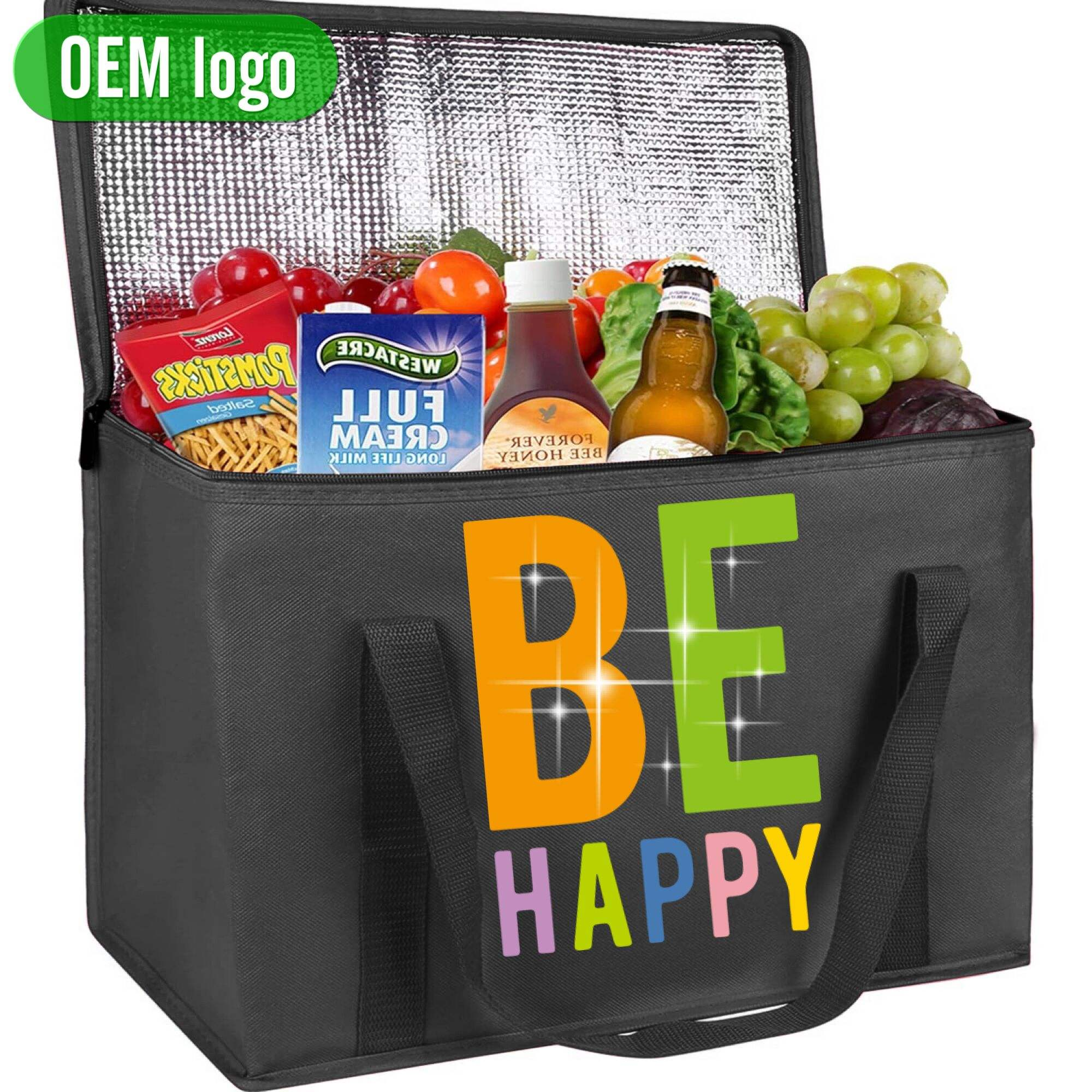
Understanding exactly how a Non Woven Cooler Bag works requires looking at its layered construction, the physics of heat transfer, and the role each material plays in slowing down temperature change. This article breaks down the science, the practical mechanics, and the real-world applications that explain why this type of bag is trusted across consumer and commercial markets alike.
The Core Construction of a Non Woven Cooler Bag
How Non Woven Fabric Forms the Structural Shell
The outer shell of a Non Woven Cooler Bag is made from polypropylene fibers that are bonded together through heat, pressure, or chemical processes rather than being woven on a loom. This bonding method creates a fabric that is both breathable and surprisingly durable, with a texture that resists tearing under normal carrying loads. Because the fibers are entangled in a uniform matrix, the material has consistent thickness throughout, which contributes to stable structural performance.
Non woven polypropylene is also lightweight, which matters enormously when the bag must be carried over distances or packed into a larger luggage setup. The outer layer provides a firm boundary that holds the insulating materials in place under real-world stress, including compression from stacked groceries or being wedged into a car boot. This structural integrity directly supports the bag's ability to maintain a sealed thermal environment inside.
From a manufacturing standpoint, the non woven outer layer is also highly compatible with printing and lamination, which allows producers to add custom branding or reinforcing coatings without compromising the bag's functional properties. This versatility makes the Non Woven Cooler Bag one of the most practical formats for businesses seeking both promotional value and real thermal performance.
The Role of Insulation Layers in Temperature Control
Inside the outer non woven shell, the functional thermal work is performed by one or more insulating layers. The most common insulation materials used in a quality Non Woven Cooler Bag are foam padding, aluminum foil lining, or a combination of both. Each material addresses a different mechanism of heat transfer, and together they create a barrier that significantly slows the rate at which ambient temperature affects the bag's contents.
Foam insulation, typically made from polyethylene or similar closed-cell foam, works primarily by trapping air within its cellular structure. Air is a poor conductor of heat, so a thick foam layer creates a buffer zone between the food inside and the warmer or cooler external environment. The thicker the foam, the longer the thermal window the bag can maintain. Most consumer-grade Non Woven Cooler Bags use foam layers between 3mm and 10mm thick, with commercial models going thicker for extended use cases.
Aluminum foil or metallized film layers are added to address radiant heat transfer. Radiant energy, including infrared radiation from sunlight or warm surfaces, passes through many materials but is reflected by metallic surfaces. The reflective lining in a well-constructed Non Woven Cooler Bag bounces radiant heat back toward its source rather than allowing it to penetrate and warm the contents. This is why bags with a shiny silver interior tend to outperform those with plain fabric linings under direct sun exposure.
The Physics Behind Freshness Retention
Conduction, Convection, and Radiation — Three Enemies of Food Freshness
Heat moves in three primary ways: conduction, which is direct contact between materials of different temperatures; convection, which involves the movement of air or liquid carrying thermal energy; and radiation, which is the emission of electromagnetic energy from warm objects. A Non Woven Cooler Bag is designed to slow all three mechanisms simultaneously, which explains why it performs so much better than a plain fabric tote or paper bag.
Conduction is addressed by the foam layer, which prevents direct thermal contact between the bag's walls and the food inside. Convection is minimized by the bag's sealed design — when the zipper or closure is shut, little air circulates in or out, reducing the exchange of warm outside air with the cooler inside air. Radiation is handled by the reflective lining. Together, these three defenses create a passive but effective system for maintaining temperature over a meaningful period of time.
It is important to note that a Non Woven Cooler Bag is a passive insulating container, not a refrigeration device. It does not generate cold. Instead, it preserves the temperature state that was loaded into the bag at the start of use. This is why pre-cooling the bag or loading it with pre-chilled items significantly extends effective freshness retention — the bag simply slows the rate of temperature change rather than creating it.
How Seal Quality Affects Freshness Outcomes
The closure mechanism of a Non Woven Cooler Bag plays a critical role in its overall thermal performance. Bags that use a full-length zipper with a tight seal prevent warm air from entering and cool air from escaping, which keeps the internal environment stable for longer. Bags with loose flap closures or open-top designs allow more air exchange and lose their thermal advantage far more quickly.
Well-designed commercial versions of the Non Woven Cooler Bag also reinforce the top edge and closure zone with additional foam or a folded material layer, reducing the thermal bridge at what is typically the weakest point in the bag's insulation. This attention to closure quality is a meaningful differentiator between budget products and professionally engineered solutions used in food logistics and promotional campaigns.
The internal capacity also interacts with seal quality. An overfilled bag that cannot close properly loses much of its insulating value. Conversely, an underfilled bag with significant air volume inside will cycle that air more rapidly and lose temperature faster. The ideal use scenario for a Non Woven Cooler Bag involves packing it adequately to minimize internal air space while still allowing the zipper or closure to seat correctly.
Practical Applications Across Industries and Lifestyles
Retail and Grocery Use Cases
One of the most widespread applications of the Non Woven Cooler Bag is in grocery retail and food shopping. Supermarkets and fresh food retailers often commission these bags as branded carry-out alternatives to single-use plastic bags, providing customers with a reusable option that also preserves the integrity of frozen and refrigerated items during the journey home. For perishable items such as dairy, meat, and frozen goods, even a 20–30 minute transport window in an uninsulated bag can result in partial thawing or quality degradation.
A properly constructed Non Woven Cooler Bag used in combination with cold items or an ice pack can extend that window to 2–4 hours under typical ambient conditions, depending on bag quality and external temperature. This makes it genuinely functional for grocery runs rather than simply aesthetic. Retailers who invest in quality insulated non woven bags see them adopted more consistently by customers, which reinforces brand visibility as well as customer loyalty.
The promotional value of a branded Non Woven Cooler Bag also extends well beyond the shopping trip. Because these bags are durable, reusable, and visibly branded, they function as ongoing mobile advertising wherever customers take them — to the office, the gym, or weekend outings. This combination of functional value and marketing exposure makes them a popular investment for retail brands and food businesses.
Corporate, Events, and Catering Applications
Beyond retail, the Non Woven Cooler Bag is widely used in corporate gifting, event hospitality, and food delivery contexts. Corporate wellness programs and employee engagement campaigns often include insulated lunch bags as part of gift sets, associating the brand with practical, quality-of-life value. Events such as outdoor festivals, product launches, and sporting events use them to distribute chilled refreshments efficiently without the cost and logistics of mechanical refrigeration at every distribution point.
In catering and meal delivery, the Non Woven Cooler Bag fills the gap between high-cost hard-shell coolers and ineffective plain tote bags. For short-haul deliveries of salads, cold platters, or beverages, the thermal retention of a well-made insulated non woven bag is entirely sufficient, and the bags are easy to store, clean, and transport in bulk. Many small food businesses and cloud kitchens rely on them as a cost-effective delivery asset that also communicates professionalism to recipients.
The customizability of the Non Woven Cooler Bag format means businesses can match size, handle style, closure type, and print design to their specific use case. Whether the application calls for a compact single-meal bag or a large family grocery format, the non woven material platform is adaptable enough to accommodate a wide range of functional and aesthetic requirements.
Factors That Determine How Long Freshness Is Maintained
Insulation Thickness and Material Quality
The single most important variable in determining how long a Non Woven Cooler Bag keeps contents fresh is the quality and thickness of its insulation layers. A bag with a 3mm foam layer and a thin foil laminate will maintain temperature meaningfully for perhaps 1–2 hours under moderate conditions. A bag with a 10mm closed-cell foam layer and a thick metallized film lining can hold temperature for 4–6 hours or more in similar conditions. For professional applications requiring longer cold chains, understanding these specifications before purchasing is essential.
Material quality also matters beyond thickness. Lower-grade foam may compress over time or after repeated use, losing the trapped-air structure that provides its insulating value. Premium insulation materials retain their performance characteristics across hundreds of use cycles, making them more cost-effective over the long term even if the initial unit price is higher. Buyers specifying a Non Woven Cooler Bag for commercial use should request material specification sheets and, ideally, independent thermal retention data before committing to large orders.
Loading Practices and Starting Temperature
How a Non Woven Cooler Bag is loaded has a direct and measurable effect on how long it maintains freshness. Items placed into the bag at ambient temperature will warm or cool toward ambient faster than items pre-chilled to the intended storage temperature. For cold applications, this means pre-chilling both the bag interior and the contents before loading gives the longest possible freshness window. Placing a reusable ice pack at the top of the load — where warm air naturally collects — improves performance further.
The ratio of ice pack or cold mass to food volume also matters. A heavily insulated Non Woven Cooler Bag loaded with a single cold beverage will lose temperature more quickly than the same bag loaded with a dense, fully chilled meal set, because the thermal mass of the contents contributes to maintaining the internal temperature equilibrium. Operators who understand this dynamic can optimize their loading practices to extract the maximum practical performance from their bags without needing to upgrade to more expensive solutions.
Exposure to direct sunlight, hot car interiors, or high ambient temperatures will accelerate temperature rise regardless of bag quality. Storing a loaded Non Woven Cooler Bag in a shaded, ventilated location rather than a hot car dashboard or direct sun position can meaningfully extend effective freshness retention even without any change to the bag itself. These usage-side factors are often as important as the bag's inherent specification in determining real-world outcomes.
FAQ
How long can a Non Woven Cooler Bag keep food cold?
The duration varies based on insulation quality, starting temperature of the contents, and ambient conditions. A well-constructed Non Woven Cooler Bag with quality foam and reflective lining can typically maintain cold temperatures for 2–6 hours under normal conditions. Using ice packs and pre-chilling the bag before loading can extend this window further.
Is a Non Woven Cooler Bag suitable for hot food as well as cold?
Yes. The same insulation principles that slow heat entry from the outside also slow heat loss from warm contents inside. A Non Woven Cooler Bag loaded with hot food will retain warmth for a similar time window as it retains cold, making it practical for transporting hot meals, soups, or beverages to events, offices, or clients.
How should a Non Woven Cooler Bag be cleaned and maintained?
Most Non Woven Cooler Bag products can be wiped clean with a damp cloth and mild detergent on the interior lining. The outer non woven fabric can also be spot-cleaned. Avoid submerging the bag in water or machine washing, as this can damage the foam insulation and the laminated foil layer, reducing the bag's thermal performance over time.
What makes a Non Woven Cooler Bag better than a standard fabric tote for grocery shopping?
A standard fabric tote offers no thermal protection — heat and cold transfer freely through the fabric walls. A Non Woven Cooler Bag, by contrast, incorporates foam and reflective insulation that actively slows temperature change for perishable items. This makes it a significantly safer choice for transporting groceries, frozen goods, or chilled produce, reducing food safety risks and improving product quality on arrival.