 EN
EN


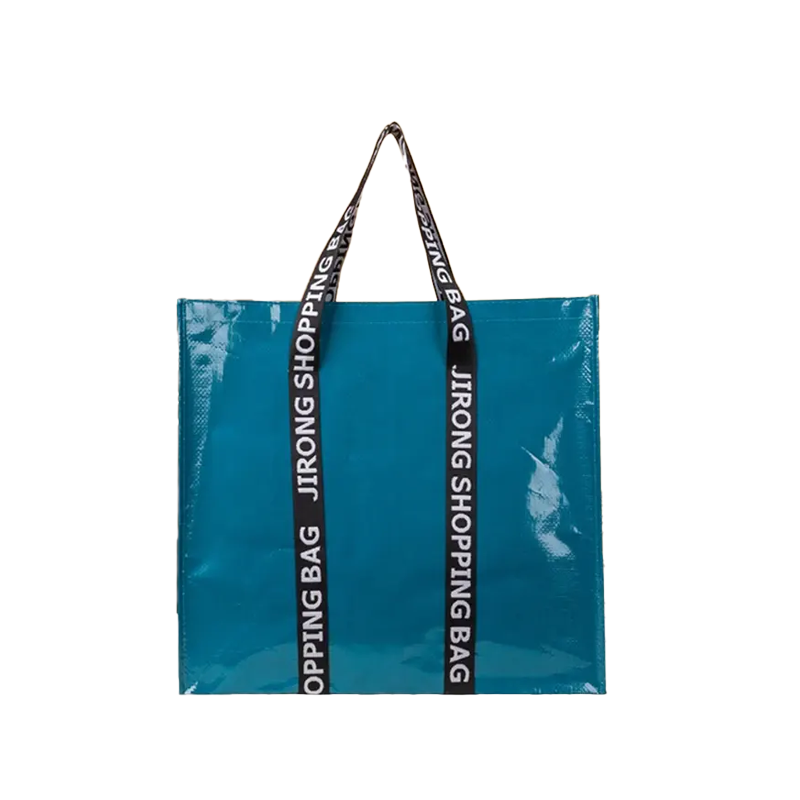
Retail packaging has evolved from a mere protective wrapper into a strategic marketing asset that influences brand perception, customer behavior, and long-term profitability. Among the most versatile tools available to modern retailers, the shopping tote bag stands out as a practical solution that transforms ordinary transactions into brand-building opportunities. When implemented thoughtfully, these reusable carriers do far more than transport purchased goods from store to home—they serve as mobile advertisements, reinforce brand values, enhance customer experience, and contribute to sustainable business practices. Understanding how shopping tote bags improve retail packaging strategy requires examining their multifaceted impact across operational efficiency, marketing reach, environmental responsibility, and customer loyalty.
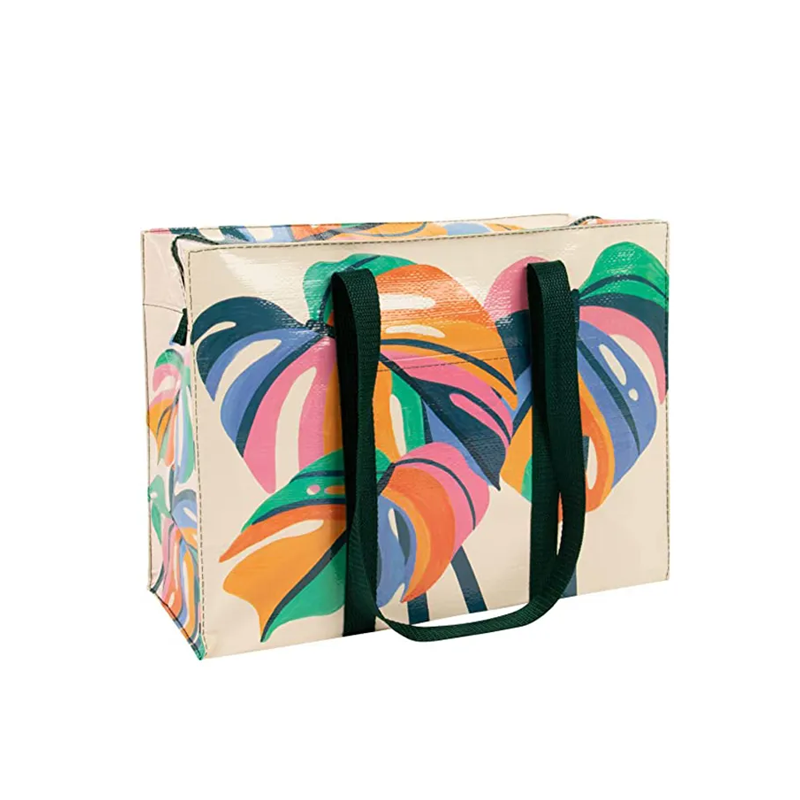
The strategic value of shopping tote bags lies in their ability to align with multiple business objectives simultaneously. Unlike traditional disposable packaging that ends up discarded immediately after purchase, a well-designed shopping tote bag extends brand exposure well beyond the point of sale. Retailers who integrate these bags into their packaging strategy benefit from reduced material costs over time, increased brand visibility in public spaces, and enhanced customer perception of corporate responsibility. This comprehensive approach to packaging transforms what was once considered a cost center into a strategic investment that delivers measurable returns across marketing, operations, and customer relationship management.
Strategic Brand Visibility and Marketing Amplification
Mobile Billboard Effect in High-Traffic Environments
The shopping tote bag functions as a walking advertisement that reaches audiences far beyond the confines of a retail location. Every time a customer carries a branded bag through streets, public transportation, shopping centers, or social gatherings, the retailer gains free exposure to potential new customers. This passive marketing channel operates continuously without additional investment, creating thousands of brand impressions that would otherwise require substantial advertising expenditure. The visibility gained through well-designed shopping tote bags often surpasses the reach of traditional print or digital campaigns, particularly in urban environments where foot traffic density ensures constant public exposure.
Research into consumer behavior demonstrates that people notice and remember brands displayed on reusable bags more frequently than static storefront signage or fleeting digital advertisements. The mobile nature of these bags ensures that brand messaging reaches diverse demographic groups across different neighborhoods, times of day, and social contexts. Retailers who invest in attractive, durable shopping tote bags effectively deploy a marketing force multiplier that operates 24/7 without ongoing costs, turning satisfied customers into voluntary brand ambassadors who carry the company message wherever they go.
Cost-Effective Long-Term Marketing Investment
When evaluated against traditional advertising channels, the shopping tote bag delivers exceptional return on investment through extended usability and repeated exposure. A single high-quality bag may remain in circulation for months or even years, generating countless brand impressions at a fraction of the cost associated with comparable advertising campaigns. Unlike digital ads that disappear after seconds or print materials that quickly become outdated, a durable shopping tote bag maintains its marketing value throughout its functional lifespan, often being used multiple times per week by loyal customers.
The economics of this approach become particularly compelling when considering cost per impression metrics. While the initial production cost of a quality shopping tote bag may exceed that of disposable alternatives, the cumulative marketing value generated through repeated public exposure far outweighs the upfront investment. Retailers who track brand awareness metrics often discover that neighborhoods with high shopping tote bag saturation show measurably increased foot traffic and new customer acquisition rates, validating the strategic importance of this packaging approach.
Brand Differentiation Through Design Excellence
Premium shopping tote bags allow retailers to express brand identity through thoughtful design choices that distinguish them from competitors. Material selection, color palettes, typography, and structural features all communicate specific brand attributes—whether that's luxury, sustainability, innovation, or accessibility. Retailers who treat their shopping tote bag as a canvas for creative expression create memorable touchpoints that reinforce positioning strategy and build emotional connections with target audiences.
The tactile and visual qualities of a well-crafted shopping tote bag communicate value propositions in ways that purely transactional packaging cannot achieve. A boutique fashion retailer might choose textured fabrics and minimalist graphics to signal sophistication, while an eco-conscious grocery chain might emphasize recycled materials and earth-tone aesthetics to reinforce environmental commitments. These design decisions transform ordinary shopping bags into brand statements that customers voluntarily incorporate into their daily lives, creating ongoing psychological associations between the retailer and positive attributes like quality, responsibility, or innovation.
Operational Efficiency and Cost Management
Reduction in Single-Use Packaging Materials
Implementing reusable shopping tote bags as a primary packaging option significantly decreases reliance on disposable materials that create ongoing procurement costs. Retailers who encourage customers to reuse quality bags reduce their consumption of paper or plastic alternatives that must be continuously replenished. This shift not only lowers material expenses but also simplifies inventory management, reduces storage space requirements, and streamlines supply chain logistics associated with packaging materials.
The cumulative cost savings become substantial over time, particularly for high-volume retailers processing hundreds or thousands of transactions daily. While the per-unit cost of a durable shopping tote bag exceeds that of a disposable bag, the extended lifespan and reuse rate create favorable economics when analyzed across annual budgets. Many retailers discover that transitioning to reusable bags as the default packaging option generates measurable bottom-line improvements while simultaneously advancing sustainability objectives and enhancing brand reputation.
Streamlined Checkout and Fulfillment Processes
Standardizing around well-designed shopping tote bags can accelerate point-of-sale operations by eliminating decision-making delays related to bag selection and sizing. When customers bring reusable bags or receive durable options at checkout, staff spend less time determining appropriate packaging for varied purchases. This efficiency gain may seem minor per transaction, but accumulates into significant time savings across thousands of daily interactions, improving customer throughput during peak periods and reducing labor costs associated with packaging-related tasks.
Additionally, shopping tote bags with standardized dimensions facilitate more efficient merchandise organization and handling. Employees can quickly assess how purchases will fit, reducing errors and improving the overall checkout experience. The structural integrity of quality bags also minimizes product damage during transport, decreasing return rates and associated processing costs while enhancing customer satisfaction through reliable product protection.
Inventory Optimization and Supply Chain Benefits
Retailers who establish shopping tote bag programs benefit from more predictable packaging inventory management compared to disposable alternatives. Reusable bags require less frequent reordering, reducing administrative overhead and allowing procurement teams to focus on strategic supplier relationships rather than constant replenishment cycles. The reduced frequency of packaging orders also lowers shipping costs and minimizes warehouse space devoted to packaging materials, freeing resources for revenue-generating inventory.
Supply chain resilience improves when retailers reduce dependency on continuous flows of disposable packaging materials. Market fluctuations, supply disruptions, or regulatory changes affecting disposable bag availability create less operational risk when businesses maintain robust reusable bag programs. This strategic buffer protects against unexpected cost increases or availability constraints that could otherwise disrupt daily operations or force emergency procurement at unfavorable terms.
Environmental Responsibility and Corporate Sustainability
Measurable Waste Reduction and Environmental Impact
The shift toward reusable shopping tote bags delivers quantifiable environmental benefits that resonate with increasingly eco-conscious consumer segments. Each durable bag that remains in circulation replaces hundreds of single-use alternatives that would otherwise contribute to landfill accumulation or pollution. Retailers can accurately measure and report the environmental impact of their shopping tote bag programs by tracking distribution numbers and estimating displacement of disposable materials, creating compelling narratives for sustainability reports and marketing communications.
These tangible environmental contributions align with corporate social responsibility objectives and help retailers meet increasingly stringent regulatory requirements around packaging waste. As municipalities implement bag bans or fees on single-use options, businesses with established reusable bag programs face smoother compliance transitions and avoid disruptions that impact competitors still reliant on disposable packaging. The proactive adoption of shopping tote bags positions retailers as environmental leaders rather than reluctant followers of regulatory mandates.
Consumer Alignment with Sustainable Values
Modern consumers, particularly millennials and younger demographics, increasingly make purchasing decisions based on corporate environmental performance. Offering and promoting shopping tote bags signals commitment to sustainability that influences brand preference and loyalty. Customers who value environmental responsibility actively seek retailers whose practices align with their personal values, and visible adoption of reusable packaging serves as an immediately recognizable indicator of shared priorities.
This alignment creates emotional bonds that transcend purely transactional relationships, transforming customers into advocates who recommend the retailer within their social networks. The shopping tote bag becomes a physical symbol of this values-based connection, reinforcing the relationship each time the customer uses the bag. Retailers who authentically integrate sustainability into their packaging strategy—rather than treating it as superficial marketing—build trust and differentiation that competitors focused solely on price or convenience struggle to replicate.
Circular Economy Integration and Material Innovation
Advanced shopping tote bag programs incorporate circular economy principles by utilizing recycled materials, designing for recyclability, and establishing take-back or exchange programs. Retailers who partner with suppliers offering bags made from recycled plastics, organic cotton, or other sustainable materials demonstrate commitment to closing resource loops and minimizing virgin material consumption. These material choices communicate environmental seriousness while maintaining the durability and functionality required for effective retail packaging.
Some progressive retailers implement bag lifecycle management programs where worn shopping tote bags can be returned for recycling or exchange, ensuring materials remain in productive use rather than becoming waste. These initiatives create additional customer touchpoints, encourage ongoing engagement, and generate positive publicity around environmental leadership. The transparency and accountability demonstrated through such programs build credibility with skeptical consumers who scrutinize corporate sustainability claims for evidence of genuine commitment versus greenwashing.
Enhanced Customer Experience and Loyalty Building
Perceived Value Addition and Purchase Incentives
High-quality shopping tote bags function as value-added benefits that enhance the overall purchase experience. Customers perceive receiving an attractive, durable bag as a tangible bonus that extends beyond the products themselves, creating positive associations with the retail brand. This perception becomes particularly powerful when the bag's quality clearly exceeds basic functional requirements, signaling that the retailer invests in customer satisfaction rather than minimizing costs.
Retailers often leverage shopping tote bags as purchase incentives or loyalty rewards, offering premium versions to customers who meet spending thresholds or join membership programs. This strategy transforms packaging into a strategic loyalty tool that drives incremental sales and encourages repeat visits. The bags serve as physical reminders of rewards earned and benefits received, maintaining psychological connections between shopping occasions and reinforcing the value of continued patronage.
Functional Benefits Beyond Basic Transportation
Well-designed shopping tote bags deliver practical utility that customers genuinely appreciate, from reinforced handles that distribute weight comfortably to water-resistant materials that protect purchases during inclement weather. These functional attributes create positive user experiences that reflect favorably on the retailer, even when customers use the bags for purposes unrelated to shopping. A bag that proves useful for beach trips, gym visits, or daily commutes maintains brand visibility while generating goodwill through genuine utility.
The versatility of quality shopping tote bags encourages frequent use across diverse contexts, maximizing both marketing exposure and customer satisfaction. When customers discover multiple applications for a retail bag—carrying library books, organizing car storage, packing picnic supplies—they develop appreciation for the retailer's thoughtfulness in providing genuinely useful items rather than disposable promotional materials. This positive sentiment translates into brand preference when customers make future purchasing decisions across relevant product categories.
Social Signaling and Community Identity
Carrying a recognizable shopping tote bag allows customers to signal affiliations, values, and taste to their social circles. Bags from respected retailers function as social currency that communicates about the carrier's identity, whether that's environmental consciousness, discerning taste, local community support, or participation in exclusive shopping experiences. This social dimension transforms the shopping tote bag from mere packaging into a personal accessory that customers voluntarily incorporate into their public presentation.
Retailers who cultivate strong brand communities find that distinctive shopping tote bags become markers of membership and belonging. Customers who identify with a brand's values or aesthetic actively seek opportunities to display affiliation through visible bag use, creating organic peer-to-peer marketing that reaches highly relevant audiences. The bag becomes conversational—prompting questions about where it came from, what the retailer offers, and why the carrier chooses to support that particular business. These organic interactions generate qualified leads and referrals that formal advertising rarely achieves.
Strategic Implementation and Program Optimization
Design Strategy Aligned with Brand Architecture
Successful shopping tote bag programs begin with design strategies that authentically reflect brand identity while addressing practical user needs. Retailers must balance aesthetic aspirations with functional requirements, ensuring bags are both visually distinctive and genuinely useful. Design decisions around size, materials, closure systems, pocket configurations, and graphic treatments should emerge from understanding target customer lifestyles and preferences rather than purely internal aesthetic preferences.
The most effective designs achieve immediate brand recognition while avoiding excessive branding that transforms bags into obvious marketing vehicles customers hesitate to use publicly. Subtle incorporation of logos, signature colors, or distinctive patterns allows shopping tote bags to signal brand affiliation without appearing overly commercial. This design restraint actually increases usage frequency and public visibility, as customers feel comfortable carrying tastefully branded bags across diverse social contexts.
Material Selection and Quality Standards
Material choices directly impact both customer perception and long-term program economics. Retailers must evaluate durability, washability, environmental profile, production costs, and aesthetic potential when selecting fabrics and construction methods. Premium materials like organic cotton canvas or recycled polyester blends communicate quality and sustainability, while non-woven polypropylene offers cost-effective durability for high-volume distribution. The optimal choice depends on brand positioning, target customer expectations, and strategic program objectives.
Quality standards should ensure shopping tote bags withstand regular use without premature failure that would undermine brand perception. Investment in reinforced stitching, robust handles, and colorfast printing maintains bag appearance and functionality throughout extended lifecycles. While higher quality increases per-unit costs, the extended lifespan and enhanced customer satisfaction justify premium investments for retailers prioritizing long-term brand building over short-term cost minimization.
Distribution Strategy and Customer Adoption
Retailers employ various distribution approaches depending on strategic objectives—from complimentary bags with all purchases to paid premium options or loyalty rewards. Free distribution maximizes adoption and visibility but requires careful budget management, while paid models generate revenue and create perceived value through investment. Many retailers use tiered approaches, offering basic bags free while selling premium versions that appeal to brand enthusiasts willing to pay for superior design or limited editions.
Customer adoption improves when staff actively encourage shopping tote bag use through positive reinforcement rather than punitive fees on alternatives. Training employees to offer bags proactively, explain environmental benefits, and demonstrate appreciation when customers bring reusable options creates supportive culture around the program. Some retailers implement incentive systems like small discounts for customers using reusable bags, creating economic motivation that accelerates behavioral change while communicating commitment to sustainability.
Performance Measurement and Continuous Improvement
Effective shopping tote bag programs incorporate metrics that track adoption rates, customer feedback, environmental impact, and return on investment. Retailers should monitor how frequently bags are distributed, what percentage of customers reuse them, and how bag presence correlates with brand awareness or sales performance. Customer surveys provide qualitative insights into bag satisfaction, usage patterns, and perceived value, informing iterative design improvements and program refinements.
Analyzing bag program data alongside broader business metrics reveals connections between packaging strategy and commercial outcomes. Retailers may discover that customers who regularly use shopping tote bags demonstrate higher lifetime value, more frequent visits, or greater receptiveness to new product introductions. These insights validate the strategic importance of packaging investments and guide resource allocation decisions across marketing, operations, and sustainability initiatives.
FAQ
What materials are most effective for retail shopping tote bags?
The most effective materials balance durability, sustainability, cost-efficiency, and brand alignment. Non-woven polypropylene offers excellent cost-effectiveness with reasonable durability and accepts high-quality printing, making it popular for widespread distribution programs. Organic cotton canvas provides premium feel and superior longevity, ideal for retailers emphasizing sustainability and quality. Recycled polyester blends combine environmental benefits with water resistance and easy maintenance. The optimal choice depends on brand positioning, target customer expectations, budget parameters, and environmental commitments, with many retailers offering multiple options across different price points or customer segments.
How do shopping tote bags influence customer purchasing decisions?
Shopping tote bags influence purchasing behavior through multiple psychological mechanisms. They create positive brand associations through perceived value addition, making customers feel appreciated beyond the core transaction. The bags serve as physical reminders of the retailer between shopping occasions, increasing top-of-mind awareness when future needs arise. Quality bags signal corporate investment in customer satisfaction and environmental responsibility, attributes that resonate particularly strongly with values-driven consumers. Additionally, customers who carry branded bags develop psychological ownership and identity connections with retailers, increasing loyalty and reducing price sensitivity when making repeat purchase decisions.
Can small retailers compete with larger chains through shopping tote bag programs?
Small retailers can absolutely leverage shopping tote bags as competitive differentiators against larger chains, often with greater effectiveness due to stronger community connections and brand authenticity. While smaller budgets may limit distribution scale, independent retailers can emphasize distinctive local designs, superior material quality, or limited edition offerings that create collectibility and exclusivity larger chains cannot replicate. Local retailers benefit from concentrated geographic marketing—every bag in circulation reaches potential customers within the trading area. Small businesses should focus on design excellence and authentic brand storytelling rather than competing on volume, turning shopping tote bags into symbols of community support and unique local character.
What return on investment should retailers expect from shopping tote bag programs?
Return on investment from shopping tote bag programs varies based on implementation approach, design quality, and measurement methodology, but well-executed programs typically deliver measurable benefits across multiple dimensions. Direct cost savings emerge from reduced disposable bag consumption, often achieving payback within 12-18 months for high-volume retailers. Marketing value proves harder to quantify precisely but can be estimated through brand impression calculations—a single bag used weekly generates thousands of views annually at minimal cost per impression. Customer lifetime value increases among active bag users often exceed program costs within the first year. Most retailers find that comprehensive programs combining operational savings, marketing impact, and customer loyalty benefits deliver returns well exceeding initial investments when evaluated holistically across 2-3 year timeframes.