 EN
EN


Customizing shopping bags to perfectly align with your brand identity requires a strategic approach that goes beyond simply adding a logo. Effective customization transforms ordinary shopping bags into powerful brand ambassadors that reinforce your company's values, aesthetic, and messaging at every customer touchpoint. The process involves careful consideration of materials, colors, design elements, and printing techniques that collectively create a cohesive brand experience.
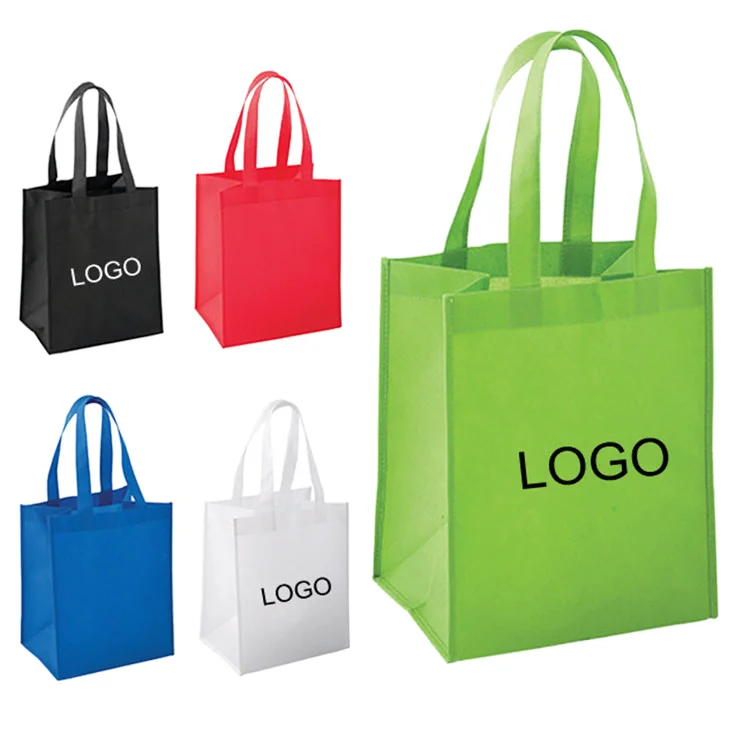
The customization of shopping bags has evolved into a sophisticated marketing tool that extends your brand's reach far beyond the initial purchase. When customers carry your branded shopping bags, they become walking advertisements that showcase your company's professional image and attention to detail. Understanding the fundamental principles of brand-aligned customization ensures that your shopping bags contribute meaningfully to your overall marketing strategy while providing practical value to customers.
Understanding Brand Identity Elements for Shopping Bag Design
Visual Identity Components
Your brand's visual identity forms the foundation for customizing shopping bags effectively. This includes your company logo, color palette, typography, and any distinctive graphic elements that customers associate with your brand. When translating these elements to shopping bags, consider how they will appear across different bag sizes and materials. The logo should maintain its clarity and impact whether printed on large tote bags or smaller boutique shopping bags.
Color consistency plays a crucial role in brand recognition, so ensure that the colors used on your shopping bags match your established brand guidelines. Consider how different materials and printing methods might affect color reproduction, and work with suppliers who can provide color matching services. The typography used for any text elements should align with your brand's font choices, maintaining readability while preserving the distinctive character of your brand's visual language.
Brand Values and Messaging
Effective customization of shopping bags should reflect your brand's core values and messaging strategy. If sustainability is important to your brand, this should influence material choices and design approaches for your shopping bags. Companies emphasizing quality craftsmanship might opt for premium materials and finishing techniques, while brands focused on innovation could incorporate unique design elements or functional features.
The messaging on your shopping bags should be consistent with your overall brand communication strategy. This might include taglines, mission statements, or subtle references to your brand's unique selling propositions. Consider how these messages can be integrated tastefully into the design without overwhelming the visual appeal of the shopping bags. The goal is to create a harmonious balance between brand promotion and aesthetic appeal.
Material Selection Strategies for Brand Alignment
Matching Materials to Brand Personality
The choice of materials for your shopping bags should reflect your brand's personality and market positioning. Luxury brands often gravitate toward premium materials like high-quality paper, canvas, or non-woven fabrics that convey sophistication and durability. These materials not only enhance the perceived value of the shopping bags but also demonstrate the brand's commitment to quality in every customer interaction.
For brands emphasizing environmental responsibility, eco-friendly materials for shopping bags become essential. Options include recycled paper, organic cotton, jute, or biodegradable non-woven materials. The material choice should align with your sustainability messaging while still providing the functionality and durability that customers expect from shopping bags. This alignment between material choice and brand values creates authenticity in your customization efforts.
Functional Considerations
The intended use of your shopping bags should influence material selection and customization approaches. Retail shopping bags need to withstand varying weights and handling conditions, while promotional shopping bags at trade shows might prioritize lightweight portability. Understanding these functional requirements helps ensure that your customized shopping bags serve their practical purpose while effectively representing your brand.
Durability considerations also impact brand perception, as shopping bags that tear or wear quickly can negatively affect customer opinions. Investing in appropriate materials and construction methods for your shopping bags demonstrates attention to quality and customer satisfaction. This investment pays dividends through extended brand exposure as customers reuse durable bags over time.
Design Customization Techniques and Methods
Printing and Application Methods
Various printing techniques offer different advantages for customizing shopping bags depending on your design requirements and budget considerations. Screen printing works well for simple designs with limited colors, providing excellent durability and vibrant results on shopping bags. Digital printing offers more flexibility for complex designs and photographs, making it suitable for detailed brand imagery or gradient effects.
Heat transfer and sublimation methods can achieve photographic quality results on certain materials, while embossing and debossing techniques add tactile elements that enhance the premium feel of shopping bags. Consider how each printing method will affect the longevity of your design, especially for reusable shopping bags that will experience repeated handling and potential washing.
Layout and Composition Strategies
The layout of design elements on shopping bags requires careful planning to maximize brand impact while maintaining visual appeal. Consider the bag's structure, including handles, seams, and fold lines that might affect the appearance of your design. Strategic placement of your logo and key messaging ensures maximum visibility while customers carry the shopping bags.
Balance is crucial in shopping bag design customization, as overcrowded layouts can appear unprofessional while sparse designs might not fully utilize the branding opportunity. Create visual hierarchy through size, color, and positioning to guide the viewer's attention to the most important brand elements. This thoughtful approach to layout design ensures that your shopping bags effectively communicate your brand message at a glance.
Implementation Process for Brand-Consistent Shopping Bags
Supplier Selection and Collaboration
Choosing the right supplier for your customized shopping bags is crucial for achieving consistent brand representation. Look for suppliers who understand brand requirements and can provide samples that demonstrate their ability to reproduce your brand elements accurately. Establish clear communication channels and provide comprehensive brand guidelines to ensure that your vision for the shopping bags is properly executed.
Quality control measures should be implemented throughout the production process to maintain consistency across all shopping bags. This includes approval of pre-production samples, periodic quality checks during production, and final inspection before delivery. Working with suppliers who have experience in brand customization helps streamline this process and reduces the risk of brand inconsistencies.
Testing and Quality Assurance
Before committing to large-scale production of customized shopping bags, conduct thorough testing to ensure that all elements meet your brand standards. Test the durability of printing, the strength of handles and seams, and the overall appearance after typical use scenarios. This testing phase helps identify potential issues before they affect customer experience or brand perception.
Gather feedback from internal stakeholders and even select customers during the testing phase to ensure that your customized shopping bags effectively represent your brand. This feedback can reveal insights about design effectiveness, practical functionality, and brand alignment that might not be apparent from internal review alone. Use this information to refine your customization approach before full production.
Measuring Success and Brand Impact
Performance Metrics and Evaluation
Establishing metrics to evaluate the success of your customized shopping bags helps justify the investment and guides future improvements. Track brand recognition improvements, customer feedback regarding the shopping bags, and any increase in brand recall associated with your customization efforts. These metrics provide valuable insights into the effectiveness of your brand alignment strategies.
Monitor how customers use and reuse your shopping bags, as this indicates both the practical success of your design choices and the extended brand exposure your customization efforts generate. High reuse rates suggest that your shopping bags successfully balance brand representation with customer value, creating ongoing marketing benefits beyond the initial purchase interaction.
Continuous Improvement Strategies
Brand customization for shopping bags should be viewed as an ongoing process rather than a one-time project. Regular review of your customization strategy allows you to adapt to changing brand needs, customer preferences, and market conditions. Stay informed about new materials, printing technologies, and design trends that might enhance your future shopping bag customization efforts.
Consider seasonal variations or special edition designs for your shopping bags while maintaining core brand consistency. These variations can generate excitement and renewed interest in your brand while demonstrating creativity and market awareness. However, ensure that any variations still clearly represent your brand identity and values to maintain the effectiveness of your customization strategy.
FAQ
What is the minimum order quantity typically required for custom shopping bags?
Most suppliers require minimum orders of 500 to 1,000 pieces for custom shopping bags, though this varies based on the complexity of customization and production methods. Simple designs with basic printing might have lower minimums, while complex customizations or premium materials often require higher order quantities. Discuss your specific needs with potential suppliers to understand their minimum requirements and how they align with your budget and timeline.
How long does the customization process typically take from design approval to delivery?
The timeline for custom shopping bags usually ranges from 2 to 6 weeks after design approval, depending on the complexity of customization, production volume, and supplier capacity. Simple printing on standard bags might be completed more quickly, while complex designs or specialized materials require additional production time. Factor in time for sample approval, potential revisions, and shipping when planning your customization timeline.
Can I use multiple colors in my shopping bag design without significantly increasing costs?
Color options depend on the printing method chosen for your shopping bags. Screen printing typically charges per color, making multi-color designs more expensive, while digital printing can handle multiple colors at similar costs. Discuss your design requirements with suppliers to understand how different printing methods will affect pricing for your specific customization needs. Consider simplifying designs or using printing methods that better accommodate your color requirements.
What factors should I consider when choosing between paper and fabric shopping bags for brand customization?
Paper shopping bags typically cost less upfront and work well for retail environments, while fabric options offer greater durability and reusability that extends brand exposure. Consider your brand image, customer expectations, budget constraints, and environmental messaging when choosing materials. Paper bags suit temporary use scenarios, while fabric shopping bags better serve brands emphasizing sustainability and long-term customer relationships. Evaluate how each material choice aligns with your overall brand strategy and customer needs.
Table of Contents
- Understanding Brand Identity Elements for Shopping Bag Design
- Material Selection Strategies for Brand Alignment
- Design Customization Techniques and Methods
- Implementation Process for Brand-Consistent Shopping Bags
- Measuring Success and Brand Impact
-
FAQ
- What is the minimum order quantity typically required for custom shopping bags?
- How long does the customization process typically take from design approval to delivery?
- Can I use multiple colors in my shopping bag design without significantly increasing costs?
- What factors should I consider when choosing between paper and fabric shopping bags for brand customization?