 EN
EN



Understanding the durability of shopping bags has become crucial for businesses and consumers seeking sustainable alternatives to single-use plastics. The pp non woven bag has emerged as a popular choice across retail, promotional, and everyday carrying applications, but questions about its real-world performance persist. When evaluating whether these bags can withstand the rigors of daily use, factors such as material composition, manufacturing quality, load-bearing capacity, and environmental exposure all play significant roles in determining actual longevity.
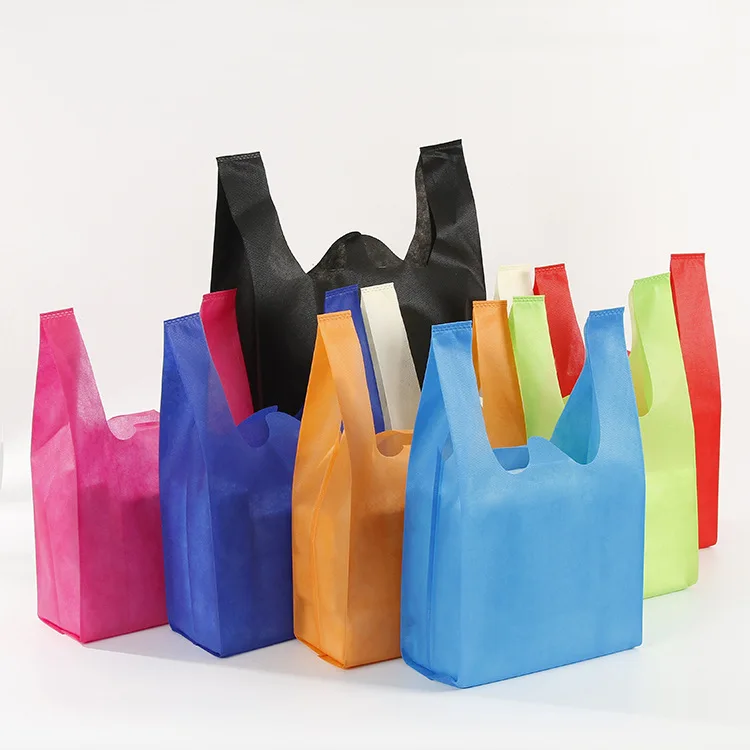
Daily use scenarios vary dramatically depending on application context, from light grocery shopping to heavy promotional distribution at trade shows. A pp non woven bag must demonstrate consistent performance across temperature fluctuations, moisture exposure, repeated folding, and varying weight loads to qualify as truly durable for regular use. This article examines the structural characteristics, performance limitations, and practical durability expectations for polypropylene non woven bags when subjected to typical daily usage patterns, providing decision-makers with realistic assessment criteria based on material science and field performance data.
Material Structure and Durability Foundations
Polypropylene Fiber Characteristics
The durability of any pp non woven bag begins with the inherent properties of polypropylene polymer fibers. These synthetic fibers exhibit high tensile strength relative to their weight, resistance to most chemical solvents, and minimal moisture absorption. Unlike natural fibers that degrade when exposed to water or biological agents, polypropylene maintains structural integrity across a wide range of environmental conditions. The molecular structure of polypropylene creates a hydrophobic surface that repels water rather than absorbing it, preventing the weakening effect that moisture causes in paper or cotton alternatives.
Manufacturing processes bond these fibers through thermal or chemical methods without weaving, creating a fabric structure that distributes stress across multiple fiber intersections. This bonding pattern directly influences how the pp non woven bag responds to weight loads and repeated use. Higher-quality production methods create more uniform fiber distribution and stronger bond points, resulting in fabric that resists tearing and maintains shape integrity under stress. The gsm measurement of the fabric reveals fiber density, with typical shopping bag applications ranging from 70 to 120 gsm depending on intended load capacity and durability requirements.
Fabric Construction Methods
Spunbond technology represents the most common manufacturing approach for pp non woven bag production, where continuous filaments are laid randomly and then thermally bonded. This process creates fabric with excellent tear resistance in multiple directions, as the random fiber orientation prevents directional weakness that woven fabrics sometimes exhibit. The bonding density and temperature during manufacturing determine how effectively individual fibers integrate into a cohesive fabric structure capable of withstanding daily stress without delamination or fiber separation.
Alternative construction methods include needle punching and chemical bonding, each offering distinct durability characteristics. Needle-punched non woven fabrics demonstrate superior puncture resistance due to mechanical fiber entanglement, while chemically bonded fabrics may offer softer hand feel at the expense of some structural robustness. For daily use applications, spunbond pp non woven bag construction generally provides the optimal balance between durability, cost efficiency, and manufacturing scalability, explaining its dominance in the reusable bag market segment.
Thickness and Weight Specifications
Fabric weight measured in grams per square meter directly correlates with durability performance for daily use scenarios. A standard pp non woven bag intended for light grocery shopping typically uses 80 gsm fabric, providing adequate strength for loads up to 5 kilograms with reasonable longevity. Heavier applications requiring repeated use with 10 kilogram loads benefit from 100 to 120 gsm construction, which significantly extends usable lifespan at modest cost increases. The relationship between fabric weight and durability is not perfectly linear, as manufacturing quality and fiber bonding consistency matter as much as raw material quantity.
Thickness perception can mislead buyers, as a stiffer pp non woven bag is not automatically more durable than a more flexible alternative. Fabric hand feel results from fiber diameter, bonding method, and finishing treatments rather than solely from weight. Optimal daily use durability emerges from balanced specifications that provide sufficient material strength without creating excessive stiffness that concentrates stress at fold points and handle attachments. Understanding these specifications helps buyers select bags appropriate for their specific daily use patterns rather than defaulting to either the lightest economical option or the heaviest available construction.
Performance Under Daily Use Conditions
Load Bearing Capacity
Real-world durability testing reveals that a properly constructed pp non woven bag with 80 gsm fabric reliably carries 5 to 7 kilograms through normal shopping trips without structural failure. The critical failure points typically occur at handle attachment zones rather than in the main body fabric, highlighting the importance of reinforced stitching and handle material selection. Double-stitched handles with reinforcement patches distribute weight stress across larger fabric areas, preventing the concentrated stress that causes premature tearing at attachment points during daily use.
Repeated loading cycles gradually weaken fiber bonds at stress concentration points, particularly along bottom fold lines and at the junction between bag body and handles. A pp non woven bag used daily for moderate grocery shopping typically maintains full functionality for 30 to 50 use cycles before showing visible wear signs such as slight handle stretching or minor seam stress. This performance exceeds disposable plastic bags by an order of magnitude while remaining below the hundreds of uses that heavy canvas totes can achieve, positioning non woven bags in the moderate durability category suitable for regular but not indefinite reuse.
Resistance to Environmental Factors
Unlike paper bags that dissolve when wet or fabric bags that develop mildew, the pp non woven bag demonstrates excellent moisture resistance that preserves structural integrity during rain exposure or when carrying damp items. The hydrophobic nature of polypropylene fibers prevents water absorption that would add weight and promote bacterial growth. Surface moisture evaporates quickly, allowing the bag to return to normal performance characteristics without the prolonged drying period required for absorbent materials. This moisture resistance contributes significantly to practical durability in climates with frequent precipitation or in applications involving fresh produce and refrigerated goods.
Temperature extremes present minimal durability concerns for polypropylene non woven bags within the range of normal environmental exposure. The material remains stable from freezing conditions up to approximately 100 degrees Celsius, well beyond temperatures encountered in vehicle storage or outdoor use. However, prolonged direct sunlight exposure introduces ultraviolet degradation that gradually weakens fiber bonds, causing the pp non woven bag to become brittle over time. Bags stored primarily indoors between uses maintain durability significantly longer than those left continuously exposed to outdoor conditions, making storage habits a meaningful factor in practical longevity.
Abrasion and Wear Patterns
Surface abrasion from rubbing against rough textures or from items shifting inside the bag during transport represents a gradual durability reduction mechanism rather than sudden failure. The pp non woven bag surface develops a slightly fuzzy appearance as individual fibers separate from bond points through repeated friction, though this cosmetic change typically occurs long before structural weakness becomes functionally significant. High-traffic contact zones such as bottom corners and external surfaces that rub against car trunks or shopping cart frames show accelerated wear compared to protected areas.
Sharp objects pose the primary puncture risk to non woven bag durability during daily use. While the fabric demonstrates reasonable resistance to blunt force and distributed pressure, pointed items can penetrate the fiber matrix and initiate tears that propagate with continued use. The random fiber orientation of spunbond pp non woven bag construction provides some tear propagation resistance, as the lack of linear grain prevents the runaway tearing that occurs in woven fabrics. Small punctures generally remain localized rather than expanding into complete structural failure, allowing continued use despite minor damage accumulation over time.
Comparative Durability Assessment
Performance Against Alternative Materials
When evaluated against traditional disposable plastic bags, the pp non woven bag delivers substantially superior durability suitable for 30 to 50 reuse cycles compared to perhaps 2 to 3 cycles for lightweight polyethylene bags before handle failure. This dramatic durability advantage justifies the higher initial cost for applications where reuse is intended and bag return systems are implemented. The non woven construction eliminates the catastrophic failure mode of plastic bags where handle attachment points tear suddenly under moderate load, instead exhibiting gradual degradation that provides advance warning before complete failure.
Compared to woven polypropylene bags that feature interlaced yarns rather than bonded fibers, the pp non woven bag typically shows lower maximum durability but superior printability and softer hand feel. Woven bags excel in applications requiring maximum load capacity and hundreds of use cycles, such as bulk grain transport or long-term reusable shopping programs. Non woven alternatives serve applications where moderate durability suffices, where print quality matters for branding purposes, and where a more premium tactile experience enhances perceived value. Neither technology universally surpasses the other; rather, each suits different daily use contexts based on specific durability requirements.
Cost-Per-Use Durability Economics
Economic analysis of pp non woven bag durability must consider both purchase price and realistic use cycles to determine true value proposition. A bag costing 0.50 USD that reliably completes 40 shopping trips delivers a cost per use of approximately 0.0125 USD, competing favorably with disposable alternatives when considering both direct cost and environmental externalities. This calculation assumes proper care and storage between uses, as neglectful handling can reduce practical durability by 30 to 50 percent through accelerated wear and premature disposal.
Bulk purchasing programs and promotional distribution models change durability economics significantly. Organizations distributing pp non woven bag products at trade shows or as customer incentives should calibrate durability expectations to match intended use frequency. A promotional bag used monthly rather than weekly may remain serviceable for years despite modest construction specifications, while the same bag subjected to daily commercial use would show significant wear within three months. Matching material specifications to actual use patterns prevents both over-engineering that wastes resources and under-specification that creates negative brand impressions through premature failure.
Lifespan Variability Factors
Individual usage patterns introduce substantial variability in observed pp non woven bag durability beyond baseline material specifications. Users who pack bags loosely with rounded items and avoid overloading achieve significantly longer service life than those who regularly exceed recommended weight limits or carry sharp angular objects. Storage methods between uses also matter considerably, as bags folded compactly and stored in controlled environments maintain structural integrity better than bags left crumpled in hot vehicles or exposed to continuous sunlight.
Quality control consistency during manufacturing represents another critical variable affecting real-world durability. Even bags with identical stated specifications from different production facilities may demonstrate performance differences due to variations in raw material quality, bonding temperature precision, and stitching consistency. This production variability explains why some pp non woven bag samples exceed durability expectations while others from the same specification category fail prematurely. Buyers seeking consistent daily use performance benefit from establishing relationships with manufacturers demonstrating reliable quality control rather than simply purchasing based on lowest unit price.
Maintenance and Longevity Optimization
Cleaning and Hygiene Practices
Regular cleaning extends pp non woven bag usable life by preventing bacterial buildup that can degrade fiber bonds and create odors that discourage continued use. Surface wiping with damp cloths removes most food residues and dirt without requiring full immersion washing that some users fear might damage the bag. The material tolerates gentle hand washing with mild detergent, though aggressive scrubbing or machine washing in harsh conditions may accelerate wear at stress points. Air drying proves superior to heat drying, as excessive temperature exposure can affect the thermal bonds holding fibers together.
Stain resistance varies with printing and coating treatments applied during manufacturing. Uncoated pp non woven bag surfaces may absorb some pigments from spilled liquids, creating permanent discoloration that reduces aesthetic appeal without necessarily compromising structural function. Laminated or coated versions demonstrate improved stain resistance and cleanability, though these treatments may slightly reduce breathability and add marginal cost. Users prioritizing longevity for daily use applications should consider cleaning feasibility when selecting between treatment options, as bags that maintain acceptable appearance through multiple cleaning cycles encourage continued use rather than premature disposal.
Storage Best Practices
Proper storage between uses significantly impacts cumulative durability for pp non woven bag products subjected to regular use patterns. Folding bags loosely rather than creating sharp permanent creases prevents stress concentration at fold lines that eventually weakens fiber bonds. Hanging storage eliminates fold stress entirely while occupying more space, making this approach practical for users with dedicated storage areas but impractical for those with limited space. The key principle involves avoiding prolonged compression and sharp bending that gradually fatigues the material structure over time.
Climate-controlled indoor storage preserves pp non woven bag durability far better than exposure to temperature extremes and direct sunlight in vehicle storage. While polypropylene demonstrates good temperature stability, repeated thermal cycling between hot and cold accelerates material aging compared to stable moderate temperatures. Ultraviolet exposure represents the most significant environmental degradation factor, as UV radiation breaks molecular bonds in the polymer chains that give fibers their strength. Bags used and stored primarily indoors may remain serviceable for several years, while those left continuously in sunny vehicle windows may become brittle and weak within months despite similar use frequency.
Repair and Extended Use
Unlike woven fabric bags where stitching repairs can extend life substantially, the pp non woven bag presents limited repair options once structural damage occurs. Small punctures can be patched with adhesive tape or iron-on patches, though these repairs rarely restore original strength and primarily serve to prevent tear propagation. Handle reinforcement represents the most practical repair intervention, as adding supplementary stitching or adhesive patches to handle attachment zones before failure occurs can extend bag life by 20 to 30 percent when handles represent the primary weak point.
Realistic expectations about repair economics matter for daily use applications. The modest initial cost of most pp non woven bag products means that repair time investment often exceeds replacement cost for typical users, making repair primarily relevant for situations where replacement is inconvenient or where environmental considerations prioritize maximum life extension. Commercial users with large bag inventories might implement systematic handle reinforcement as preventive maintenance to reduce replacement frequency, while individual consumers typically find replacement more practical than repair once significant wear becomes apparent.
Application-Specific Durability Considerations
Grocery Shopping Use Cases
Grocery shopping represents the archetypal daily use scenario for pp non woven bag products, with typical applications involving weekly trips carrying 5 to 10 kilograms of mixed items. Standard 80 gsm construction with reinforced handles reliably serves this use case for 6 to 12 months with weekly use frequency, translating to 25 to 50 shopping trips before replacement becomes necessary. Performance longevity correlates strongly with packing practices, as users who distribute weight evenly and avoid overloading individual bags achieve markedly better durability than those who regularly exceed capacity limits.
Specific grocery items create varying durability challenges for non woven bags during daily use. Boxed goods with sharp corners concentrate pressure on small fabric areas, potentially causing localized weakening over time. Bottles and canned goods create high weight concentration that stresses bottom seams and handle attachments. Fresh produce generally poses minimal durability challenges, though leaking packages can create moisture and staining issues. Understanding these item-specific impacts helps users optimize packing strategies to maximize pp non woven bag longevity within their particular shopping patterns.
Promotional and Event Distribution
Trade show and promotional contexts typically involve single or very limited use rather than sustained daily use, allowing lighter construction specifications than grocery applications. A 70 gsm pp non woven bag performs adequately for carrying promotional materials and product samples through a single event day, though it would fail quickly if subjected to regular heavy grocery shopping. Organizations should specify durability requirements based on realistic usage expectations rather than maximum theoretical performance, as over-specification wastes resources while under-specification creates negative brand impressions through premature failure.
Brand reputation considerations make durability particularly important in promotional contexts, as bag failure creates negative associations that may persist long after the event. A pp non woven bag that breaks while carrying promotional materials communicates poor quality regardless of the actual product being promoted. Conservative durability specifications that exceed minimum requirements provide insurance against the reputational damage of failure, making modest cost increases for heavier construction or reinforced handles worthwhile investments in promotional applications where brand perception matters significantly.
Retail and Takeaway Applications
Retail packaging and restaurant takeaway scenarios present distinct durability requirements compared to reusable shopping applications. Single-use retail applications benefit from the enhanced perception and printability of pp non woven bag construction while requiring minimal durability beyond a single trip from store to home. These applications optimize material specifications for minimum adequate performance rather than extended longevity, using lighter 60 to 70 gsm fabrics that reduce cost while maintaining sufficient strength for their intended single-use purpose.
Some progressive retail programs encourage customers to return and reuse branded bags through incentive systems, creating hybrid use cases between disposable and long-term reusable applications. These programs require more robust construction than single-use applications but need not match the durability of dedicated reusable shopping bags, as 5 to 10 use cycles may suffice for program economics. The pp non woven bag material adapts well to these intermediate durability requirements, offering sufficient performance for limited reuse while maintaining cost structures competitive with traditional disposable packaging options.
FAQ
How many times can I reuse a pp non woven bag before it wears out?
A standard pp non woven bag with 80 gsm fabric construction typically remains functional for 30 to 50 use cycles when carrying moderate grocery loads of 5 to 7 kilograms. Actual lifespan varies significantly based on loading practices, storage conditions, and manufacturing quality. Bags regularly overloaded or exposed to harsh conditions may fail after 15 to 20 uses, while those carefully maintained and used within capacity limits sometimes exceed 60 cycles. Handle attachment points usually represent the first failure zone rather than body fabric, making reinforced handle construction a critical durability factor for extended reuse applications.
Will a pp non woven bag fall apart if it gets wet?
Polypropylene non woven bags demonstrate excellent moisture resistance and do not lose structural integrity when exposed to water. The hydrophobic fiber composition repels moisture rather than absorbing it, preventing the weakening and disintegration that occurs with paper bags. Surface water evaporates quickly without requiring special drying procedures. However, prolonged submersion or repeated wetting and drying cycles may gradually affect lamination or coating treatments if present, and moisture can accelerate any existing wear at stress points. For normal daily use including occasional rain exposure or damp item transport, moisture presents minimal durability concerns for pp non woven bag products.
Do pp non woven bags become weaker in hot or cold weather?
Polypropylene maintains structural stability across the full range of normal environmental temperatures, from freezing conditions to approximately 100 degrees Celsius. Typical seasonal temperature variations do not meaningfully affect pp non woven bag strength or durability for daily use applications. However, extreme heat exposure such as leaving bags in hot vehicles for extended periods can accelerate ultraviolet degradation if sunlight is also present, and very high temperatures may affect adhesive bonds if bags incorporate glued components. Cold temperatures do not make the material brittle within normal climatic ranges. The primary temperature-related durability concern involves UV exposure in sunny conditions rather than heat or cold themselves.
What makes some pp non woven bags more durable than others?
Durability variations among pp non woven bag products result from several manufacturing factors beyond basic fabric weight specifications. Fiber bonding consistency and density during production significantly impact tear resistance and structural integrity. Handle attachment methods including reinforcement patches and double stitching determine load-bearing capacity and prevent premature failure at stress concentration points. Raw material quality affects both initial strength and long-term aging characteristics. Manufacturing quality control consistency ensures uniform performance across production batches. Buyers seeking maximum durability should evaluate these construction details rather than relying solely on fabric weight specifications when comparing options for daily use applications.