 EN
EN


When selecting reusable thermal carriers for commercial distribution, promotional campaigns, or retail applications, understanding the longevity of materials under continuous use becomes a critical procurement consideration. Non woven cooler bags have emerged as a cost-effective alternative to traditional insulated carriers, yet questions about their structural resilience and functional lifespan frequently arise among purchasing managers and brand marketers. The durability of these products depends on multiple interrelated factors including fabric density, seam construction quality, insulation layer composition, and the specific mechanical stresses encountered during typical use cycles.
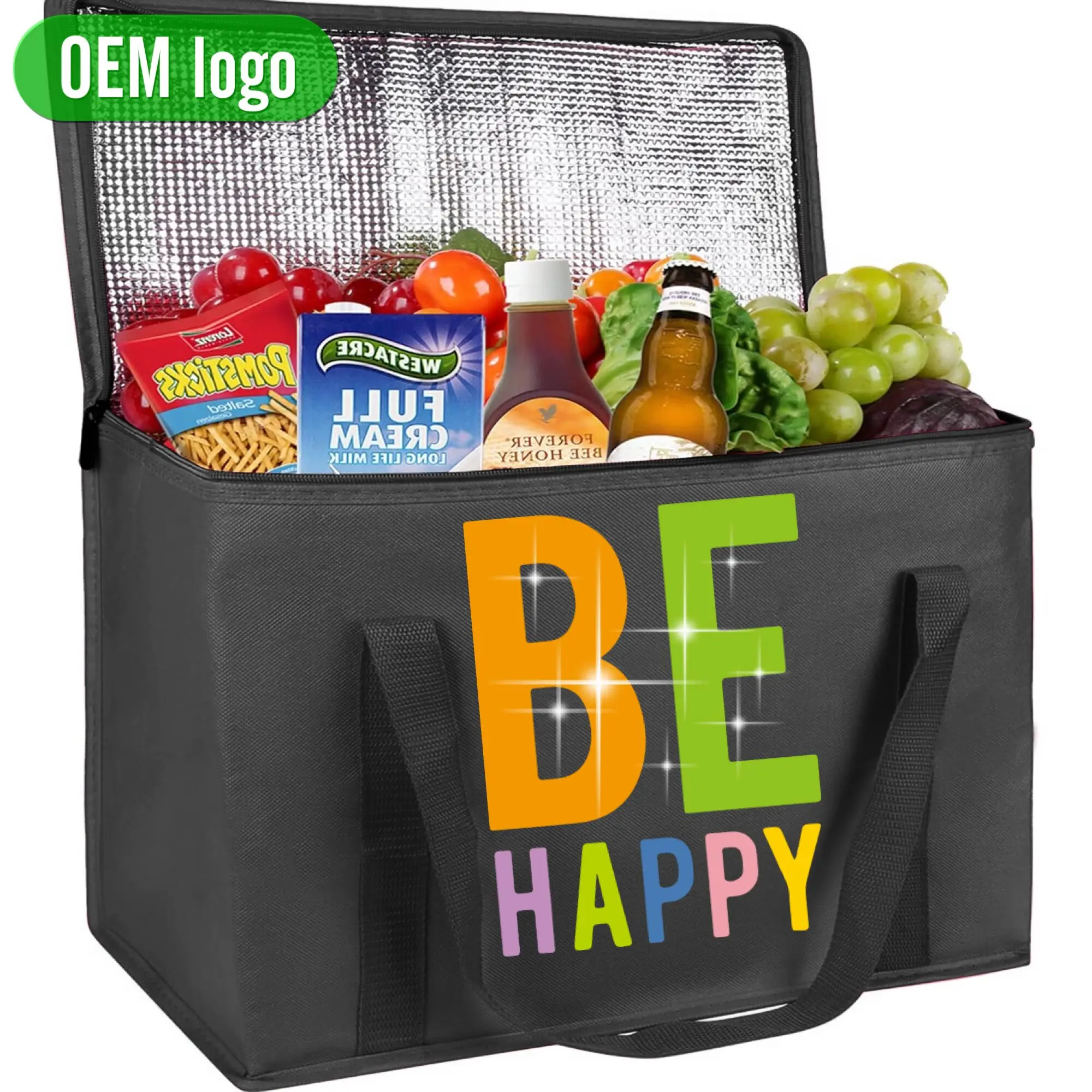
The practical durability of these thermal carriers extends beyond simple tear resistance to encompass insulation performance retention, handle attachment integrity, and aesthetic preservation across repeated loading cycles. Industrial testing protocols reveal that properly manufactured non woven cooler bags can withstand hundreds of use cycles when subjected to typical retail and distribution conditions, though performance variance exists across different production standards and material specifications. This comprehensive examination explores the specific engineering factors that determine longevity, the failure modes most commonly encountered in field applications, and the practical service life expectations that procurement professionals should apply when evaluating these products for repeated commercial use.
Material Engineering and Structural Composition
Fabric Density and Polymer Composition
The foundational durability of any non woven cooler bag begins with the polypropylene fiber density used in the primary fabric construction. Standard non woven materials range from 60 to 120 grams per square meter, with higher density fabrics demonstrating substantially greater resistance to puncture, abrasion, and tensile stress. Commercial-grade products typically utilize 80 to 100 GSM fabric configurations that balance structural strength with manufacturing cost efficiency, creating a material substrate capable of withstanding typical handling stresses encountered during grocery transport, event distribution, and promotional use scenarios.
The polymer composition itself undergoes mechanical bonding rather than chemical weaving, creating a fabric structure that distributes stress across multiple fiber intersection points. This construction methodology produces a material that resists progressive tearing more effectively than woven fabrics, as localized damage does not propagate along continuous thread lines. However, the trade-off involves reduced flexibility compared to textile alternatives, meaning that sharp fold lines subjected to repeated flexing can develop weakness zones over extended use periods. Quality manufacturers address this limitation through strategic reinforcement placement at high-stress zones including bottom panels and handle attachment points.
Insulation Layer Integration
The thermal performance component of a Non Woven Cooler Bag incorporates aluminum-coated polyethylene foam or metallized film laminates that introduce additional durability considerations. These insulation layers must maintain adhesive bonding to the outer non woven shell across temperature fluctuations, moisture exposure, and repeated compression cycles. Delamination represents one of the most common failure modes in lower-quality products, typically manifesting after 20 to 50 use cycles when inadequate adhesive systems or insufficient lamination pressure during manufacturing compromise the material interface.
Premium manufacturing approaches employ thermal bonding or ultrasonic welding techniques that create molecular-level adhesion between the non woven exterior and the insulation layer, substantially reducing delamination risk. The thickness and composition of the insulation material itself also impacts overall bag durability, as thicker foam layers provide cushioning that protects the outer fabric from impact damage while simultaneously maintaining thermal performance. Standard insulation specifications range from 2mm to 5mm thickness, with denser foam formulations offering superior compression recovery characteristics that preserve bag shape and insulation effectiveness across hundreds of loading cycles.
Seam Construction and Closure Systems
Structural integrity under load depends critically on seam construction methodology, with ultrasonic welding, thermal bonding, and reinforced stitching each offering distinct durability profiles. Ultrasonic welding creates molecular fusion along seam lines, eliminating the perforation points inherent in sewn construction while producing joints that often exceed the tensile strength of the base material. This construction approach proves particularly effective for non woven cooler bag applications where moisture resistance and structural continuity contribute to both thermal performance and mechanical durability.
However, stitched seams remain prevalent in many commercial products due to manufacturing cost considerations and equipment availability. When properly executed with reinforced thread and adequate stitch density, sewn construction can deliver acceptable durability for moderate-duty applications. Critical factors include stitch type selection, with lock-stitch configurations providing superior resistance to progressive unraveling compared to chain-stitch alternatives, and seam reinforcement tape application at high-stress junctions. The closure mechanism, whether zipper-based or fold-over designs, introduces additional wear points that require specification attention, as closure failure often precedes general fabric degradation in determining practical service life.
Performance Degradation Patterns Across Use Cycles
Mechanical Wear Progression
Empirical field testing of non woven cooler bags reveals predictable degradation patterns that correlate with cumulative use cycles and load conditions. Initial performance degradation typically manifests in aesthetic deterioration including surface soiling, printing fade, and minor fabric pilling, while structural integrity remains largely intact through the first 50 to 100 uses under typical retail conditions. This initial phase represents cosmetic aging rather than functional failure, though visual appearance degradation can impact brand perception in promotional applications where product aesthetics contribute to marketing effectiveness.
Progressive mechanical wear becomes structurally significant between 100 and 200 use cycles, with handle attachment points, bottom panel stress zones, and corner intersections showing measurable strength reduction. Non woven cooler bag handles experience concentrated stress during carrying operations, particularly when bags are loaded to or beyond stated capacity limits. Quality products incorporate reinforced handle attachment panels that distribute load forces across wider surface areas, substantially extending the use-cycle count before handle separation occurs. Bottom panel reinforcement through double-layer construction or supplementary support panels similarly extends service life by preventing the puncture and abrasion damage that commonly initiates catastrophic failure modes.
Insulation Performance Retention
Thermal insulation effectiveness degrades more gradually than structural components, with properly manufactured non woven cooler bags maintaining 80 to 90 percent of initial thermal performance through 200 use cycles when protected from puncture damage and delamination. The primary degradation mechanism involves progressive compression of foam insulation layers under repeated loading, reducing effective thickness and thereby decreasing thermal resistance. This compression effect proves most pronounced in bottom panels and side walls that bear direct product weight, while top panels and lid sections typically retain insulation properties more effectively.
Moisture infiltration through compromised seams or fabric damage accelerates insulation degradation by promoting delamination and reducing the effectiveness of reflective aluminum layers. Quality construction that maintains moisture barrier integrity preserves insulation performance substantially longer than economy-grade products where inadequate sealing allows condensation accumulation within insulation layers. Regular inspection for moisture intrusion and timely retirement of compromised units prevents the cascading failure progression where minor moisture infiltration leads to progressive delamination and complete insulation collapse.
Load Capacity and Stress Distribution
The relationship between loading practices and durability outcomes proves highly significant, with bags consistently loaded to stated capacity limits demonstrating two to three times longer service life than those subjected to regular overloading. Standard non woven cooler bag specifications typically indicate capacity limits ranging from 10 to 25 pounds, determined through engineering analysis of material strength, handle attachment integrity, and seam construction capabilities. Exceeding these limits introduces stress concentrations that accelerate fatigue failure at reinforcement points and promote seam separation through cyclic loading beyond design parameters.
Distribution of contents within the bag volume also impacts stress patterns and durability outcomes. Concentrated point loads from rigid containers or sharp-edged items create localized stress concentrations that can puncture inner insulation layers or deform the non woven fabric structure. Educational guidance provided to end users regarding proper loading practices, including weight distribution and avoidance of sharp objects, substantially extends practical service life. Commercial applications involving controlled distribution environments benefit from standardized loading protocols that optimize both thermal performance and mechanical durability across repeated use cycles.
Environmental Factors and Storage Conditions
Temperature Exposure and Thermal Cycling
Non woven cooler bags designed for thermal insulation inherently experience temperature differentials that introduce material stress through expansion and contraction cycling. The polypropylene fibers comprising the non woven fabric structure exhibit dimensional stability across the temperature range typically encountered in food transport applications, generally maintaining structural integrity from -20°C to 80°C. However, the adhesive systems bonding insulation layers to fabric substrates demonstrate greater temperature sensitivity, with some formulations experiencing reduced bonding strength when exposed to sustained elevated temperatures or repeated freeze-thaw cycling.
Prolonged exposure to direct sunlight introduces ultraviolet degradation that can compromise fiber strength and cause premature fabric breakdown. Quality non woven cooler bag manufacturers incorporate UV stabilizing additives in the polypropylene formulation that substantially extend outdoor service life, though products lacking this protection may show measurable strength reduction after extended sun exposure equivalent to 200 to 300 hours of direct UV radiation. Storage recommendations for maximizing durability include avoiding prolonged vehicle storage in high-temperature environments and protecting bags from unnecessary UV exposure during periods of non-use.
Moisture and Humidity Effects
While non woven polypropylene fabrics themselves demonstrate excellent moisture resistance with minimal water absorption, the composite construction of insulated cooler bags introduces moisture-sensitive components including adhesives, foam insulation, and aluminum laminates. Condensation formation on interior surfaces during cooling applications represents normal operational exposure, though inadequate drying between uses can promote bacterial growth, odor development, and progressive adhesive degradation. Maintenance protocols that include periodic interior cleaning and thorough air-drying substantially extend service life while maintaining hygienic conditions appropriate for food contact applications.
External moisture exposure from rain or wet surface contact generally poses minimal risk to properly constructed non woven cooler bags, as the hydrophobic nature of polypropylene prevents water penetration through intact fabric. However, moisture infiltration through compromised seams or puncture damage can saturate insulation layers, drastically reducing thermal performance and promoting delamination. This failure mode underscores the importance of timely repair or replacement when structural damage occurs, as continued use of compromised units accelerates deterioration and reduces overall fleet service life in commercial distribution applications.
Chemical Exposure and Cleaning Protocols
The chemical resistance of non woven cooler bags varies substantially based on the specific cleaning agents and disinfectants employed in maintenance protocols. Standard polypropylene non woven fabrics demonstrate good resistance to mild detergents, dilute acids, and alkaline cleaning solutions commonly used in food service sanitation. However, aggressive solvents, bleach concentrations exceeding recommended dilutions, and high-pH industrial cleaners can degrade fiber bonds and compromise fabric strength. Manufacturer cleaning guidelines typically recommend mild soap solutions and avoid chlorine-based bleaches that can damage both the non woven substrate and the metallized insulation layers.
Mechanical cleaning methods including machine washing introduce additional durability considerations, as agitation forces and heat exposure during drying cycles stress seams and adhesive bonds. Hand washing with gentle agitation and air drying represents the most conservative maintenance approach that maximizes service life, though this methodology may prove impractical for large commercial fleets. Establishments implementing machine washing protocols should employ mesh laundry bags to reduce mechanical stress, select gentle cycle settings, and avoid heat drying to preserve both structural integrity and insulation performance across the maximum number of cleaning cycles.
Quality Indicators and Selection Criteria
Manufacturing Standards and Testing Protocols
Reliable assessment of non woven cooler bag durability requires understanding the testing methodologies that manufacturers employ to validate product specifications. Reputable suppliers conduct standardized load testing that subjects handle attachments and seam construction to forces substantially exceeding stated capacity limits, typically applying safety factors of 2.0 to 3.0 times normal operating loads. These tests identify design weaknesses and manufacturing defects before products reach distribution channels, substantially reducing field failure rates and ensuring that published specifications reflect realistic performance capabilities.
Thermal performance testing protocols measure insulation effectiveness through standardized temperature retention tests, typically quantifying the time required for internal temperatures to increase by defined increments when subjected to controlled ambient conditions. Quality products demonstrate consistent performance across multiple test samples, indicating manufacturing process control and material specification adherence. Procurement professionals should request test data documentation and, for large-volume orders, consider third-party verification testing to confirm that supplied products meet specified durability and performance standards.
Visual and Tactile Quality Assessment
Pre-purchase evaluation of sample units provides valuable insights into construction quality and durability potential. Visual inspection should assess seam consistency, with uniform bonding or stitching width indicating controlled manufacturing processes. Handle attachment points merit particular attention, as reinforcement panel size, attachment method, and stress distribution design directly correlate with service life under load. Quality non woven cooler bag construction features handles attached through multiple bonding points or extensive stitching patterns that distribute stress across wide fabric areas rather than concentrated attachment zones prone to premature failure.
Tactile assessment of fabric hand and weight provides indication of material density and structural robustness. Higher-quality products exhibit substantial fabric weight and moderate stiffness that balances structural integrity with functional flexibility. Excessively thin or limp fabric suggests inadequate material density that will compromise durability under repeated use. Interior insulation examination should confirm complete lamination without air pockets or delaminated zones, proper sealing of all seams to prevent moisture infiltration, and adequate insulation thickness appropriate to stated thermal performance specifications.
Supplier Reputation and Performance Guarantees
The manufacturer's track record and willingness to provide performance guarantees offer valuable indicators of product durability expectations. Established suppliers with extensive production histories typically maintain consistent quality standards and possess the technical expertise to engineer products that meet stated durability specifications. Performance guarantees that specify minimum use-cycle counts or operational lifespan commitments demonstrate manufacturer confidence in product durability and provide procurement protection against premature failure.
However, guarantee terms require careful evaluation to understand coverage limitations and exclusions. Standard warranties typically exclude damage from misuse, overloading, or improper maintenance while covering manufacturing defects and premature material degradation under normal operating conditions. Clear documentation of use conditions, loading protocols, and maintenance requirements helps establish whether field failures result from product deficiencies or operational factors outside manufacturer control. Long-term supplier relationships that include performance feedback mechanisms enable continuous improvement and help ensure that evolving production batches maintain consistent quality standards.
Practical Service Life Expectations
Application-Specific Durability Profiles
Realistic service life expectations for non woven cooler bags vary substantially based on application intensity and operating conditions. Promotional distribution scenarios where bags receive occasional use for grocery transport or event attendance typically achieve 100 to 300 use cycles before aesthetic degradation or minor structural wear prompts user replacement. These applications subject bags to relatively gentle handling, moderate loading, and infrequent cleaning, creating favorable conditions for extended service life. The primary limitation in such contexts often involves aesthetic deterioration rather than functional failure, as printing fade and surface soiling affect brand presentation before structural components reach end-of-life conditions.
Commercial delivery and retail distribution applications impose substantially more demanding conditions including daily use cycles, consistent near-capacity loading, and regular cleaning requirements. Under these intensive conditions, quality non woven cooler bag products typically deliver 6 to 18 months of service life, equivalent to 150 to 400 use cycles depending on specific operational protocols and maintenance practices. Fleet replacement strategies in these environments should anticipate gradual attrition through normal wear progression and maintain replacement inventory to ensure operational continuity as individual units reach retirement thresholds.
Cost-Benefit Analysis for Repeated Use
Economic justification for non woven cooler bag selection depends on comparing acquisition costs against anticipated service life and alternative solutions. At typical wholesale pricing ranging from two to eight dollars per unit depending on size and specification, products delivering 200 use cycles achieve per-use costs of one to four cents, substantially undercutting disposable alternatives while providing superior thermal performance. This economic advantage proves particularly compelling for regular distribution applications where thermal protection adds value and sustainability considerations favor reusable solutions over single-use packaging.
However, total cost of ownership extends beyond unit acquisition to include maintenance labor, cleaning supplies, storage space, and replacement management. Organizations implementing large-scale non woven cooler bag programs should develop comprehensive cost models that account for these operational factors alongside purchase price. In many commercial contexts, the operational simplicity and minimal maintenance requirements of quality products justify modest price premiums over economy alternatives, as reduced failure rates and extended service life decrease replacement frequency and minimize operational disruptions associated with premature bag retirement.
Retirement Criteria and Replacement Timing
Establishing clear retirement criteria ensures that non woven cooler bags remain in service while functionally effective and aesthetically acceptable, preventing both premature disposal and continued use of degraded units. Structural retirement indicators include handle separation or significant weakening, seam failure exceeding minor cosmetic separation, punctures or tears compromising insulation integrity, and zipper or closure mechanism failure that prevents effective sealing. Any of these conditions justifies immediate retirement regardless of overall bag condition, as continued use risks product damage, thermal performance failure, or complete structural collapse during loading or transport.
Insulation performance degradation presents more nuanced retirement decisions, as thermal effectiveness declines gradually rather than through discrete failure events. Regular thermal performance testing using standardized protocols helps quantify insulation retention and identify units falling below acceptable performance thresholds. Aesthetic criteria including severe printing fade, persistent staining despite cleaning, or fabric discoloration may justify retirement in customer-facing promotional applications while remaining acceptable for internal distribution use. Implementing graduated retirement policies that transition bags from premium applications to secondary uses maximizes total value extraction before final disposal or recycling.
FAQ
What is the typical lifespan of a non woven cooler bag with regular use?
A quality non woven cooler bag typically delivers 200 to 400 use cycles under normal operating conditions, translating to approximately 12 to 24 months of service life for weekly use patterns or 6 to 12 months for daily commercial applications. Actual lifespan varies based on loading practices, maintenance protocols, and specific manufacturing quality, with premium products featuring reinforced construction and higher fabric density achieving the upper end of this range. Proper care including avoiding overloading, prompt cleaning, and protection from unnecessary UV exposure substantially extends service life beyond minimum expectations.
Can non woven cooler bags maintain insulation performance after multiple washing cycles?
Properly manufactured non woven cooler bags retain 80 to 90 percent of original thermal performance through 50 to 100 washing cycles when cleaned using recommended protocols including mild detergents, gentle agitation, and air drying. Machine washing with aggressive cycles or high-temperature drying accelerates insulation degradation through delamination and foam compression. The key to preserving thermal effectiveness involves using gentle cleaning methods that remove soiling and bacteria without stressing adhesive bonds or compressing insulation layers. Regular inspection after cleaning helps identify early delamination signs that indicate approaching end-of-service-life conditions.
How does fabric density affect the durability of non woven cooler bags?
Fabric density, measured in grams per square meter, directly correlates with puncture resistance, abrasion tolerance, and overall structural durability. Standard commercial non woven cooler bags utilize 80 to 100 GSM fabric that balances adequate strength for typical retail use with cost efficiency, while premium products may employ 100 to 120 GSM materials offering superior durability for intensive commercial applications. Higher density fabrics resist tearing and puncturing more effectively, maintain structural integrity under sustained loading, and demonstrate greater resistance to degradation from UV exposure and repeated handling stress. The density increment from 80 to 100 GSM typically extends service life by 30 to 50 percent under comparable use conditions.
What are the most common failure points in non woven cooler bags?
Handle attachment zones represent the most frequent failure point, accounting for approximately 40 to 50 percent of premature retirements as concentrated stress during carrying operations exceeds material or bonding strength. Seam separation ranks as the second most common failure mode, particularly at bottom panel intersections and corner junctions where multi-directional stresses concentrate. Insulation delamination constitutes the third major failure category, typically resulting from inadequate bonding during manufacturing or moisture infiltration through compromised seams. Quality products address these vulnerabilities through reinforced handle panels, ultrasonic welding or reinforced stitching at critical seams, and robust lamination processes that resist delamination across expected service life.