 EN
EN


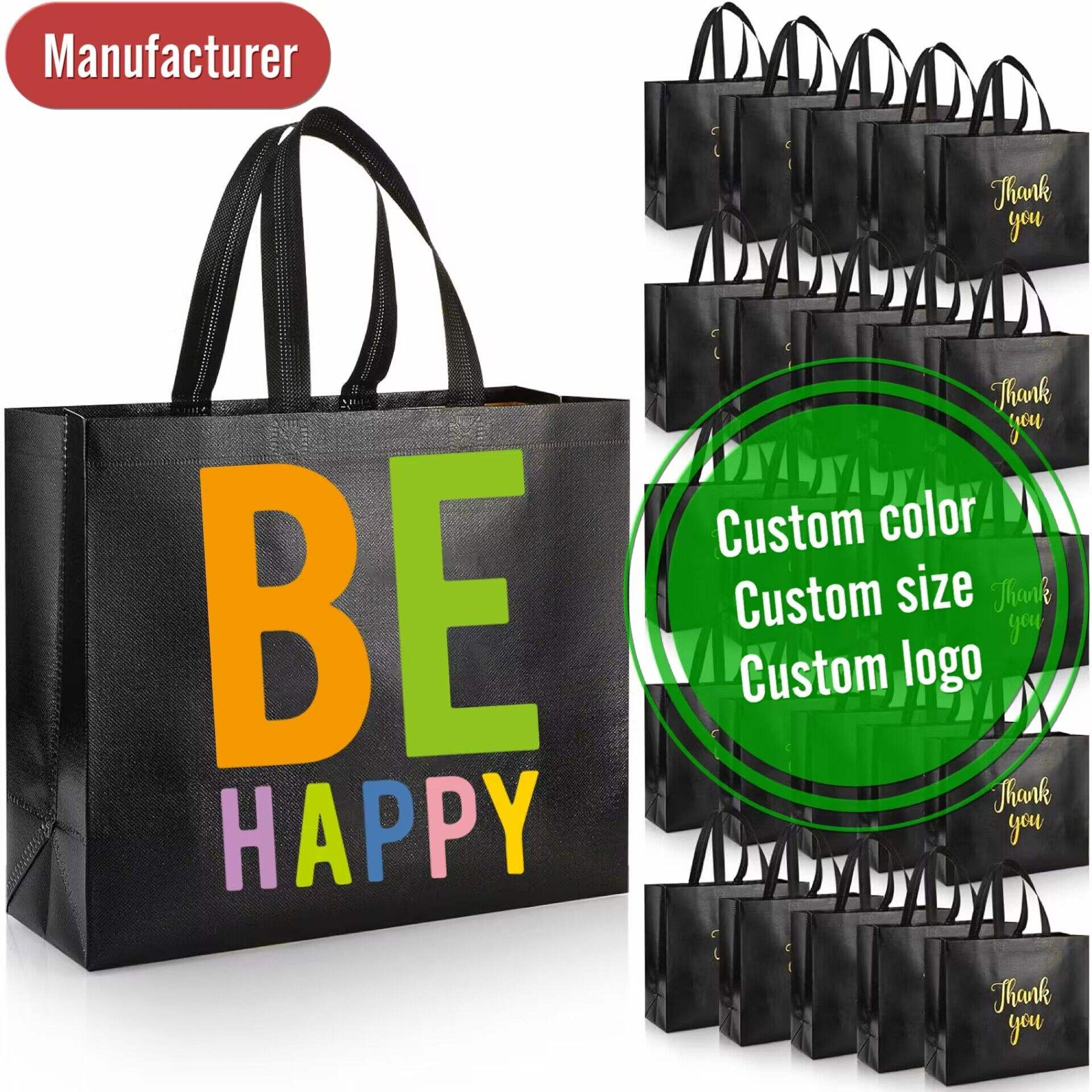
Finding reliable suppliers for non woven shopping bags requires a strategic approach that balances quality, cost, and reliability. The non woven shopping bag market has experienced tremendous growth as businesses seek sustainable packaging alternatives, making supplier selection a critical business decision. Understanding the key factors that distinguish trustworthy suppliers from unreliable ones can save your company significant time, money, and potential quality issues.

The process of identifying dependable non woven shopping bag suppliers involves evaluating multiple criteria including manufacturing capabilities, quality control systems, certification standards, and communication responsiveness. Companies that rush into supplier relationships without proper due diligence often encounter delivery delays, quality inconsistencies, and unexpected cost increases that can disrupt their business operations and customer satisfaction.
Essential Supplier Evaluation Criteria
Manufacturing Capacity and Technology Assessment
Evaluating a supplier's manufacturing capacity begins with understanding their production capabilities for non woven shopping bag manufacturing. Request detailed information about their daily production volume, machinery specifications, and technology infrastructure. A reliable supplier should provide transparent data about their production lines, including the types of non-woven fabric processing equipment they operate and their maximum output capacity per production cycle.
Manufacturing technology assessment extends beyond basic production numbers to include automation levels, quality control integration, and scalability potential. Modern non woven shopping bag suppliers should demonstrate advanced cutting, printing, and handle attachment technologies that ensure consistent product quality. Ask potential suppliers to explain their manufacturing process flow and identify any bottlenecks that might affect your order fulfillment timelines.
Production flexibility represents another crucial factor when evaluating manufacturing capacity. Your chosen supplier should accommodate varying order sizes, custom design requirements, and seasonal demand fluctuations without compromising delivery schedules. This flexibility becomes particularly important for businesses with unpredictable ordering patterns or those planning to scale their non woven shopping bag requirements over time.
Quality Control and Testing Protocols
Quality control systems differentiate professional suppliers from amateur operations in the non woven shopping bag industry. Inquire about their incoming material inspection procedures, in-process quality checkpoints, and final product testing protocols. Established suppliers maintain documented quality control procedures that cover fabric weight verification, color consistency checks, and structural integrity testing for handles and seams.
Testing capabilities should encompass both standard quality parameters and custom requirements specific to your non woven shopping bag applications. Professional suppliers invest in testing equipment for tensile strength, tear resistance, and load-bearing capacity verification. They should also conduct regular durability tests that simulate real-world usage conditions to ensure their products meet performance expectations.
Documentation of quality control results provides transparency and accountability in the supplier relationship. Request examples of quality control reports, batch testing records, and corrective action procedures used when quality issues arise. Suppliers who maintain comprehensive quality documentation demonstrate their commitment to consistent product standards and continuous improvement processes.
Verification Methods and Due Diligence
Certification and Compliance Verification
Industry certifications serve as independent validation of a supplier's capabilities and commitment to quality standards. Look for non woven shopping bag suppliers who hold relevant ISO certifications, environmental management certifications, and industry-specific quality standards. These certifications indicate that third-party auditors have verified their manufacturing processes, quality systems, and compliance with international standards.
Environmental and safety certifications have become increasingly important as businesses prioritize sustainable sourcing practices. Verify that potential suppliers hold appropriate environmental compliance certifications and follow responsible manufacturing practices. This includes checking their waste management procedures, chemical usage protocols, and worker safety standards that directly impact the sustainability of your non woven shopping bag supply chain.
Regulatory compliance verification extends beyond basic certifications to include product-specific standards and regional requirements. Ensure your supplier understands and complies with relevant product safety standards, labeling requirements, and import/export regulations that apply to non woven shopping bag distribution in your target markets.
Financial Stability and Business Credibility
Financial stability assessment protects your business from supplier-related disruptions caused by financial difficulties or business closure. Request basic financial information, including years in business, annual revenue ranges, and major client references. While suppliers may not share detailed financial statements, they should provide sufficient information to demonstrate business stability and growth trajectory.
Business credibility verification involves checking online reviews, industry reputation, and customer testimonials specifically related to non woven shopping bag supply relationships. Contact existing customers to inquire about their experiences with delivery reliability, quality consistency, and problem resolution capabilities. This direct feedback provides valuable insights into the supplier's actual performance beyond their marketing claims.
Legal verification includes confirming business registration, trademark ownership, and intellectual property compliance. Ensure your potential supplier operates as a legitimate business entity with proper licensing and registration in their jurisdiction. This verification protects your company from potential legal complications and ensures you're working with authorized manufacturers.
Communication and Service Evaluation
Responsiveness and Communication Quality
Communication responsiveness serves as an early indicator of how well a supplier will manage your ongoing business relationship. Evaluate how quickly potential suppliers respond to initial inquiries, the completeness of their responses, and their willingness to provide detailed information about their non woven shopping bag capabilities. Suppliers who demonstrate prompt, professional communication during the evaluation phase typically maintain these standards throughout the business relationship.
Language capabilities and cultural understanding become particularly important when working with international suppliers. Assess whether your potential supplier has dedicated English-speaking representatives, understands Western business practices, and can accommodate your communication preferences. Clear communication prevents misunderstandings that could lead to quality issues or delivery problems with your non woven shopping bag orders.
Technical expertise in communication reveals the supplier's depth of knowledge about Non Woven Shopping Bag manufacturing and industry standards. Evaluate whether their representatives can discuss technical specifications, material properties, and manufacturing processes with appropriate expertise. Suppliers with strong technical knowledge can provide valuable guidance on product optimization and cost reduction opportunities.
Customer Service and Support Systems
Customer service infrastructure indicates how well a supplier can support your business needs beyond basic order fulfillment. Inquire about their customer service team structure, available support hours, and escalation procedures for urgent issues. Professional suppliers maintain dedicated customer service resources with clear procedures for handling inquiries, complaints, and emergency situations.
After-sales support capabilities demonstrate the supplier's commitment to long-term customer relationships rather than one-time transactions. Ask about their policies for handling defective products, delivery delays, and quality issues that might arise after delivery. Suppliers who offer comprehensive after-sales support show confidence in their non woven shopping bag quality and commitment to customer satisfaction.
Technology integration in customer service includes online ordering systems, shipment tracking capabilities, and digital communication tools that streamline business interactions. Modern suppliers provide customer portals for order management, real-time production updates, and easy access to order history and documentation.
Practical Evaluation and Testing Strategies
Sample Evaluation and Small Order Testing
Sample evaluation provides direct evidence of a supplier's non woven shopping bag quality and manufacturing capabilities. Request samples that represent your specific requirements, including desired fabric weight, dimensions, printing specifications, and handle configurations. Evaluate samples for construction quality, material consistency, and overall workmanship to assess whether the supplier can meet your quality expectations.
Physical testing of samples should include stress testing handles, checking seam integrity, and evaluating print quality durability. Subject sample bags to typical usage conditions and load requirements to verify they meet your performance standards. Document any quality issues or areas for improvement during sample evaluation to discuss with potential suppliers.
Small order testing represents the next step in supplier evaluation, allowing you to assess their order processing capabilities, delivery reliability, and quality consistency across a production batch. Place a small initial order to evaluate their entire service delivery process, from order acknowledgment through final delivery and invoicing.
Reference Checking and Site Visits
Reference checking involves contacting existing customers to gather firsthand information about their experiences with the supplier's non woven shopping bag products and services. Prepare specific questions about quality consistency, delivery reliability, problem resolution, and overall satisfaction levels. References should include customers with similar order volumes and requirements to your business needs.
Site visits, whether physical or virtual, provide valuable insights into a supplier's actual manufacturing capabilities and working conditions. During facility tours, observe their production processes, quality control procedures, and workplace organization. Well-managed facilities typically demonstrate attention to detail that translates into better product quality and service reliability.
Third-party audits represent an alternative to personal site visits, particularly for international suppliers where travel may be impractical. Consider hiring professional audit services to evaluate potential suppliers' facilities, processes, and compliance with your requirements. These audits provide objective assessments and detailed reports about supplier capabilities and potential risks.
FAQ
What certifications should I look for when selecting a non woven shopping bag supplier?
Look for ISO 9001 quality management certification, ISO 14001 environmental management certification, and relevant product safety certifications such as REACH compliance for European markets. Additionally, seek suppliers with social responsibility certifications like BSCI or SA8000 that demonstrate ethical manufacturing practices. Industry-specific certifications for packaging or textile manufacturing also indicate specialized expertise in non woven shopping bag production.
How can I verify a supplier's actual production capacity for non woven shopping bags?
Request detailed production capacity documentation including daily output numbers, machinery specifications, and current capacity utilization rates. Ask for references from customers with similar order volumes and verify their experiences with delivery reliability. Consider conducting a facility audit or requesting production videos to observe actual manufacturing operations and confirm claimed capacity levels.
What should I include in a supplier agreement for non woven shopping bag orders?
Include specific quality standards and acceptance criteria, delivery schedules with penalty clauses for delays, pricing terms with provisions for material cost fluctuations, and intellectual property protection for custom designs. Specify quality control procedures, inspection rights, and remedies for defective products. Also include force majeure clauses, payment terms, and dispute resolution procedures to protect both parties' interests.
How long should I expect the supplier evaluation process to take?
Allow 4-6 weeks for comprehensive supplier evaluation including initial research, sample evaluation, reference checking, and small order testing. This timeline assumes prompt responses from potential suppliers and references. Complex requirements or international suppliers may require additional time for site visits or third-party audits. Rushing the evaluation process often leads to poor supplier selection decisions that create long-term problems.
Table of Contents
- Essential Supplier Evaluation Criteria
- Verification Methods and Due Diligence
- Communication and Service Evaluation
- Practical Evaluation and Testing Strategies
-
FAQ
- What certifications should I look for when selecting a non woven shopping bag supplier?
- How can I verify a supplier's actual production capacity for non woven shopping bags?
- What should I include in a supplier agreement for non woven shopping bag orders?
- How long should I expect the supplier evaluation process to take?