 EN
EN



Cooler bags are essential investments for keeping beverages and food at optimal temperatures during outdoor activities, travel, and work. However, many users overlook the importance of proper cooler bag maintenance, which directly impacts durability, hygiene, and performance longevity. Understanding how to clean and maintain cooler bags ensures they remain functional and hygienic for years to come, protecting your food investment while maximizing the value of your purchase.
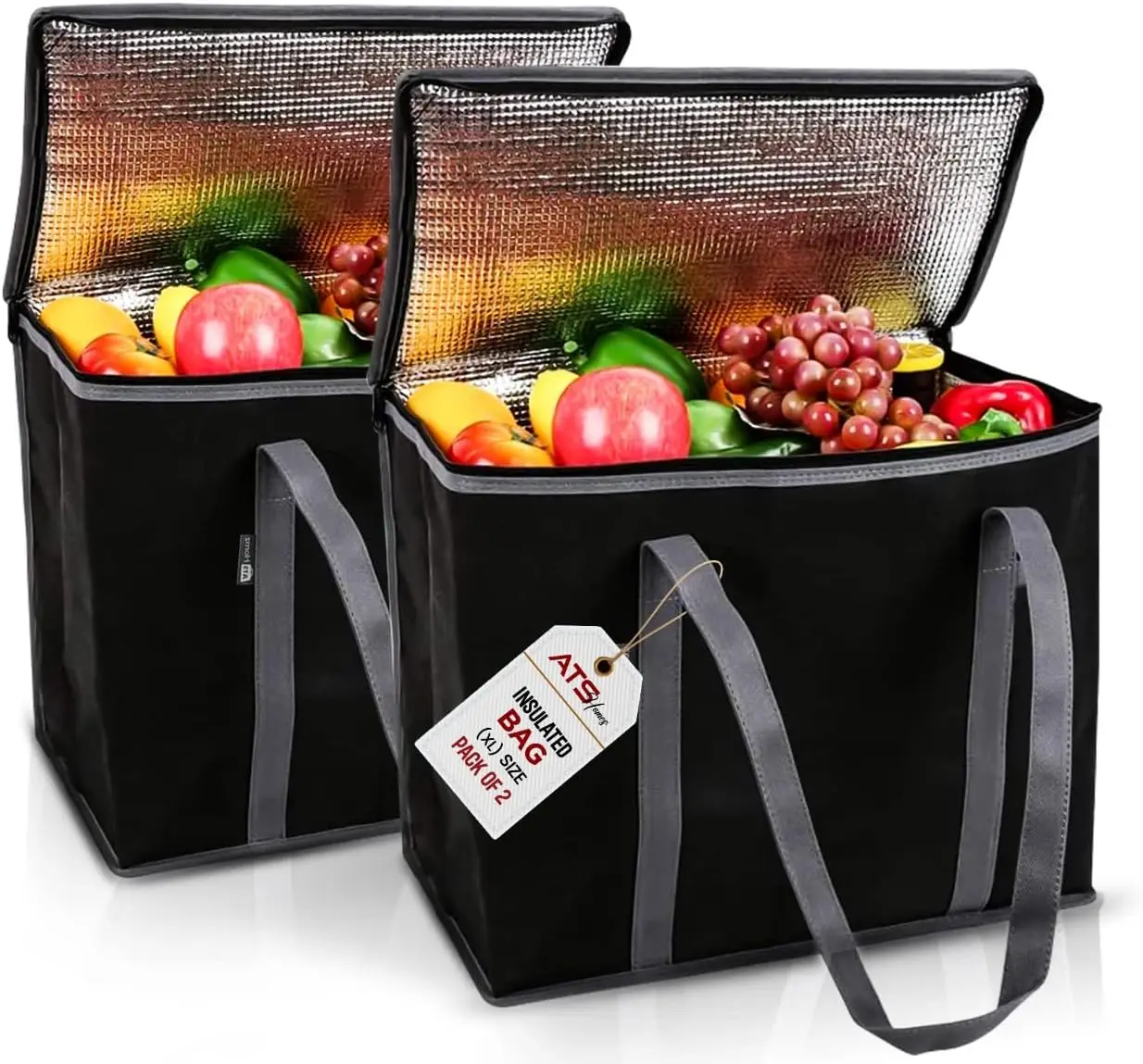
Regular cooler bag maintenance involves more than occasional wiping; it requires a systematic approach to cleaning, drying, and storage. Neglecting cooler bag maintenance can lead to mold growth, unpleasant odors, material degradation, and reduced insulation effectiveness. By implementing proper cooler bag maintenance routines, you protect your investment and ensure your cooler bag performs reliably whenever you need it.
Immediate Cleaning After Use
Emptying and Initial Rinse for Cooler Bag Maintenance
The foundation of effective cooler bag maintenance begins immediately after use. Remove all contents, food crumbs, and ice residue from your cooler bag. Use cool or lukewarm water to rinse the interior thoroughly, paying special attention to corners and crevices where debris accumulates. This initial cooler bag maintenance step prevents bacterial growth and eliminates stuck-on food particles that could cause odors or contamination.
Deep Cleaning Your Cooler Bag
For thorough cooler bag maintenance, mix warm water with mild dish soap and use a soft cloth or sponge to wipe all interior surfaces. Gently scrub the walls, floor, and lid of your cooler bag with this solution, ensuring the cleaner reaches all surfaces. Pay particular attention to seams and folds where moisture and bacteria tend to accumulate. This level of cooler bag maintenance should be performed after every use or at least weekly if the cooler bag is used frequently.
Drying and Odor Prevention Techniques
Proper Drying Methods for Cooler Bag Maintenance
Moisture is the enemy of cooler bag maintenance success. After washing, leave your cooler bag open and allow it to air dry completely in a well-ventilated area or direct sunlight. Never store your cooler bag while damp, as trapped moisture promotes mold and mildew growth inside. If using your cooler bag frequently, consider keeping it propped open with a small item to ensure air circulation. Proper cooler bag maintenance through correct drying prevents structural damage and maintains the integrity of insulation materials.
Eliminating Odors in Your Cooler Bag
Persistent odors require specialized cooler bag maintenance approaches. Sprinkle baking soda inside your cooler bag and let it sit for several hours or overnight to absorb unwanted smells. For stubborn odors, place activated charcoal or crumpled newspaper inside the closed cooler bag for twenty-four hours. White vinegar solutions also work effectively for cooler bag maintenance—mix equal parts vinegar and water, wipe surfaces, and allow the cooler bag to dry completely. These natural cooler bag maintenance methods eliminate odors without harsh chemicals that could damage materials.
Storage and Long-Term Cooler Bag Maintenance
Seasonal Storage for Extended Cooler Bag Maintenance
Proper storage is critical for year-round cooler bag maintenance effectiveness. Store your cooler bag in a cool, dry location away from direct sunlight, which can degrade materials over time. Keep the cooler bag in an upright position with the lid open slightly to maintain airflow and prevent moisture accumulation during storage. Avoid storing your cooler bag in basements or attics where temperature fluctuations and humidity levels vary dramatically, as these conditions compromise cooler bag maintenance outcomes and material longevity.
Protecting Materials Through Cooler Bag Maintenance
Inspect your cooler bag regularly as part of ongoing cooler bag maintenance routines. Check for cracks, tears, or separation of seams that could compromise insulation performance. Clean and condition exterior materials according to fabric type—leather requires specialized care while nylon benefits from protective sprays. Address any damage immediately through repair or replacement to maintain the effectiveness of your cooler bag maintenance program. Proactive cooler bag maintenance prevents minor issues from becoming major problems requiring expensive repairs.
Specialized Cooler Bag Maintenance for Different Materials
Cooler Bag Maintenance for Insulated Fabrics
Different cooler bag materials require tailored cooler bag maintenance approaches. Thermal insulated fabrics used in quality cooler bags need gentle handling to preserve their insulating properties during cooler bag maintenance. Avoid aggressive scrubbing or abrasive materials that could damage the insulation layers. Use soft-bristled brushes and mild detergents specifically chosen for cooler bag maintenance without compromising insulation performance. Heat sources should be avoided during cooler bag maintenance as they can melt or warp thermally sensitive materials.
Exterior Care as Part of Cooler Bag Maintenance
The exterior of your cooler bag deserves attention in comprehensive cooler bag maintenance schedules. Wipe down external surfaces with a damp cloth after each use to remove dirt, spills, and environmental contaminants. For fabric exteriors, use a soft brush to remove dust before damp wiping as part of regular cooler bag maintenance. For vinyl or plastic surfaces, mild soap and water work well during cooler bag maintenance routines. Protect zippers and handles with appropriate conditioners to ensure they remain functional throughout your cooler bag maintenance lifecycle.
FAQ
How often should I perform cooler bag maintenance?
Cooler bag maintenance should be performed after every use, with thorough cleaning at least weekly if used frequently. At minimum, empty and rinse your cooler bag immediately after use to prevent odor and mold development. Deep cleaning cooler bag maintenance with soap and water should occur weekly, while comprehensive inspection and maintenance checks can be done monthly to catch any emerging issues early.
Can I use bleach for cooler bag maintenance?
Bleach is generally not recommended for cooler bag maintenance as it can damage insulation materials, degrade fabrics, and cause discoloration. Instead, use mild dish soap, white vinegar solutions, or baking soda for safe and effective cooler bag maintenance. These natural alternatives are equally effective at eliminating bacteria and odors without risking material damage or leaving harmful chemical residues on surfaces where you store food.
What should I do if my cooler bag develops mold during maintenance?
If mold appears during cooler bag maintenance inspection, immediately clean affected areas with a white vinegar and water solution, or use a solution of one part hydrogen peroxide to three parts water. Dry the cooler bag completely in direct sunlight, which naturally kills mold spores as part of effective cooler bag maintenance. Ensure proper air circulation and drying after treatment to prevent mold recurrence. If mold persists despite thorough cooler bag maintenance efforts, consult manufacturer guidelines or consider professional cleaning services.