 EN
EN


When businesses search for packaging solutions that balance durability, branding, and practicality, the Laminated Non Woven Bag consistently appears as a top contender. With reusable packaging gaining ground in retail, grocery, and food service industries, many buyers and brand managers are now asking a more specific question: is a laminated non woven bag actually suitable for food and beverage packaging? The answer matters because food contact materials come with stricter expectations around safety, hygiene, and moisture performance.
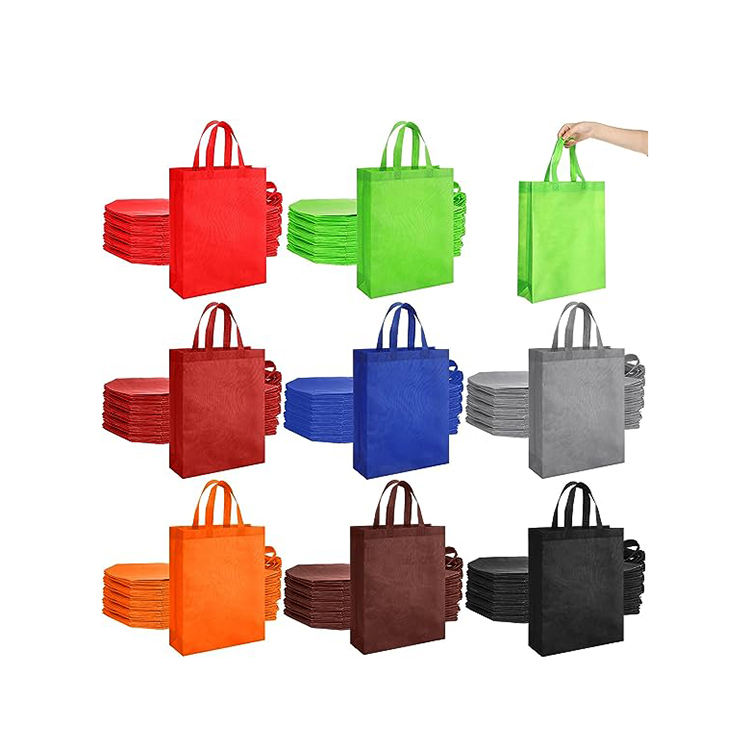
A laminated non woven bag is constructed by bonding a polypropylene non woven fabric with a thin lamination layer, typically BOPP or PE film. This lamination gives the laminated non woven bag its glossy or matte surface finish while also adding a key functional benefit: moisture resistance. For food and beverage applications, this characteristic is especially relevant. However, suitability depends on more than just surface finish. Material composition, lamination type, and intended use all play roles in determining whether a laminated non woven bag is the right fit for food contact scenarios.
Material Safety of a Laminated Non Woven Bag in Food Contexts
Polypropylene and Food Contact Standards
The base fabric of a laminated non woven bag is made from spunbond polypropylene, a material widely used across medical, agricultural, and packaging industries. Polypropylene is recognized as food-safe when produced under appropriate conditions and without harmful additives. Many regulatory frameworks, including those in the EU and US, permit polypropylene in food contact applications. This means the core structure of a laminated non woven bag already meets a foundational requirement for food proximity use.
However, the lamination layer adds another variable. BOPP film, which is frequently used in the laminated non woven bag, is also considered food-safe under standard conditions. PE film lamination similarly falls within accepted food packaging materials when properly formulated. The key concern arises when low-quality inks, adhesives, or coatings are used during production of the laminated non woven bag. Buyers sourcing a laminated non woven bag for food use should request material safety documentation and confirm that production follows food-grade guidelines.
Ink and Print Safety Considerations
A laminated non woven bag designed for branding often features printed logos, patterns, or product information. For food and beverage packaging, the inks used in printing must not migrate into food products. Reputable manufacturers of the laminated non woven bag use food-safe or low-migration inks and apply printing on the outer surface only, keeping the inner contact layer free from direct ink exposure. When a laminated non woven bag is evaluated for food packaging, confirming the print method and ink safety is as important as the fabric and film materials themselves.
Functional Performance of a Laminated Non Woven Bag for Food and Beverage Use
Moisture Resistance and Spillage Protection
One of the most practical advantages of a laminated non woven bag in food contexts is its resistance to moisture. Beverages, fresh produce, chilled goods, and takeaway meals all generate condensation or liquid exposure during transport. The lamination surface of a laminated non woven bag repels surface moisture effectively, preventing liquid from seeping into the fabric and causing deterioration or contamination. This makes the laminated non woven bag a reliable option for carrying packaged beverages, boxed meals, or refrigerated items where wet conditions are expected.
It is worth noting that a laminated non woven bag is not designed for direct food contact without a secondary inner liner or container. The laminated non woven bag performs best as a carrier or outer packaging layer rather than as a direct-contact food wrapper. Using a laminated non woven bag to hold sealed containers, pouches, or cartons aligns well with its functional strengths while respecting its material boundaries.
Load Capacity and Structural Integrity
Food and beverage products are often heavier than dry goods. A well-made laminated non woven bag typically uses 80–120 GSM fabric, providing sufficient strength to carry bottles, canned goods, and packaged food items without tearing or deforming. The reinforced handles and stitched seams of a laminated non woven bag are designed to handle repeated loading under real-world conditions. For grocery retailers and meal kit delivery services, the structural performance of a laminated non woven bag under load is a critical selection factor that this product handles reliably.
Practical Scenarios Where a Laminated Non Woven Bag Works for Food Packaging
Grocery Retail and Supermarket Checkout
Supermarkets and grocery retailers represent one of the most established use cases for the laminated non woven bag. Customers use the laminated non woven bag to carry fresh produce, bottled goods, dairy, and packaged meats. The moisture-resistant surface keeps the bag hygienic and easy to wipe clean between uses. Retailers often customize the laminated non woven bag with their own branding, making it a dual-purpose asset that serves both packaging function and brand visibility.
Food Delivery and Takeaway Services
The food delivery sector has adopted the laminated non woven bag as a practical packaging solution for takeaway orders. A laminated non woven bag holds boxed meals, soup containers, and bottled drinks securely while its laminated surface manages spills and condensation. Unlike single-use plastic bags, the laminated non woven bag can be reused multiple times, reducing packaging waste across a high-volume service environment. For restaurants and cloud kitchens building an eco-conscious brand image, the laminated non woven bag offers both utility and a sustainability message.
Beverage Promotions and Gift Packaging
Wine retailers, craft breweries, and specialty beverage brands frequently use the laminated non woven bag for promotional packaging and gifting. The glossy surface of the laminated non woven bag provides a premium visual appeal that aligns with upscale product positioning. A laminated non woven bag can be custom-sized to hold bottles securely, and its durability ensures the packaging survives the journey from store to consumer without compromising the product inside.
FAQ
Is a laminated non woven bag safe for direct food contact?
A laminated non woven bag is best used as a carrier for packaged food rather than as a direct food contact layer. When made with food-grade polypropylene and safe lamination film, the laminated non woven bag poses no significant risk for carrying sealed or packaged food items. For direct food contact, an inner food-grade liner should be added to the laminated non woven bag to maintain full compliance with food safety standards.
Can a laminated non woven bag handle cold or frozen food transport?
A standard laminated non woven bag can handle chilled or refrigerated products effectively due to its moisture-resistant lamination. For frozen food transport, a laminated non woven bag with an insulated inner layer or thermal lining is recommended. The outer laminated non woven bag structure remains stable at low temperatures, making it a suitable base for cold-chain packaging solutions when properly configured.
How do I verify that a laminated non woven bag meets food packaging requirements?
To verify suitability, request material safety data sheets and food contact compliance certifications from the laminated non woven bag manufacturer. Confirm that the polypropylene fabric, lamination film, and inks used in the laminated non woven bag have been tested against relevant standards such as EU Regulation 10/2011 or FDA food contact guidelines. A reputable laminated non woven bag supplier will be able to provide this documentation to support your procurement and compliance process.