 EN
EN



The Non Woven Tote Bag has become one of the most widely used reusable carrying solutions across retail, grocery, and promotional markets. As consumers and businesses look for practical alternatives to single-use plastic, many are asking a very direct question: is this type of bag actually strong enough to handle everyday wear and tear? The answer requires a closer look at material construction, usage conditions, and design quality.
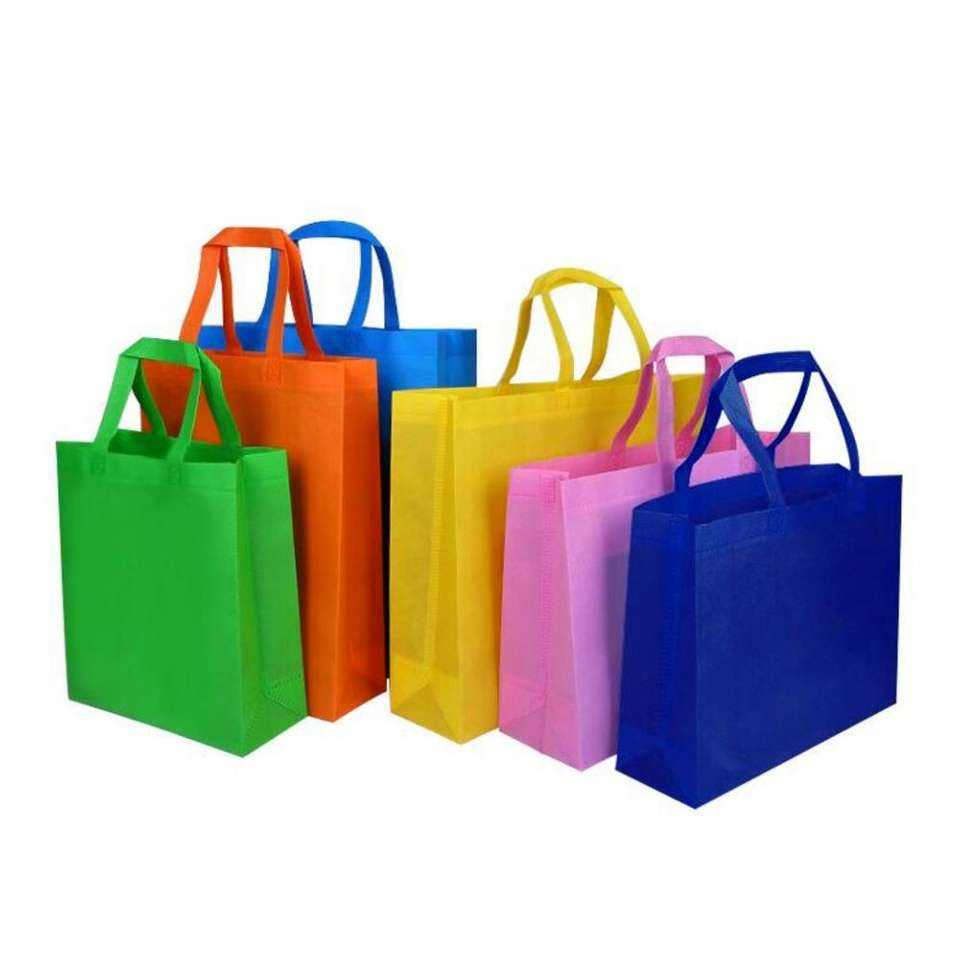
A Non Woven Tote Bag is made from bonded polypropylene fibers rather than woven threads, giving it a fabric-like feel with a distinct structural composition. This manufacturing method allows for lightweight construction while maintaining meaningful load-bearing capacity. Understanding what makes a Non Woven Tote Bag perform well in daily use means examining its physical properties, how it responds to repeated stress, and where it genuinely excels compared to other bag types.
Material Strength and Construction Quality
Polypropylene Fiber Bonding
The core material in any Non Woven Tote Bag is polypropylene, a thermoplastic polymer known for its resistance to moisture, chemicals, and mechanical stress. The fibers are heat-bonded or needle-punched together rather than interlocked through weaving, which produces a consistent sheet with no easily unraveling threads. A well-manufactured Non Woven Tote Bag using 80 to 120 GSM polypropylene fabric can carry grocery loads of 10 to 15 kilograms without tearing at the base seams. This material strength is more than sufficient for most daily carry scenarios including commuting, shopping, and light office use.
Lamination and Reinforcement Options
Many commercial versions of the Non Woven Tote Bag now include a laminated surface layer, which significantly improves moisture resistance and surface abrasion tolerance. A laminated Non Woven Tote Bag is better suited for outdoor use, wet market environments, and situations where spills are common. Reinforced stitching at the handle attachment points is another critical quality indicator. Without proper stitching reinforcement, even a high-GSM Non Woven Tote Bag may fail at the handles under repeated heavy loads. Buyers sourcing for daily-use applications should prioritize bags with double-stitched handles and a minimum base thickness to ensure longevity.
Performance Across Everyday Use Scenarios
Grocery and Retail Shopping
For grocery shopping, the Non Woven Tote Bag performs reliably when used within its load capacity. The flat base and open-top design make it practical for carrying boxed goods, produce, and bottles. A laminated Non Woven Tote Bag is especially useful in this context because condensation from chilled goods will not penetrate or weaken the bag structure. Many supermarkets and retail chains have adopted the Non Woven Tote Bag as their primary branded reusable bag precisely because it handles the demands of a typical weekly shop. With proper care and storage, a quality Non Woven Tote Bag used for grocery runs two to three times per week can last well over a year.
Commuting, Office, and Promotional Use
Beyond grocery use, the Non Woven Tote Bag is also a popular choice for trade show giveaways, corporate branding, and light commute carry. In these contexts, durability demands are moderate since loads are typically lighter and usage is less frequent. The Non Woven Tote Bag handles documents, small electronics, clothing, and branded merchandise comfortably. Its printable surface makes it ideal for screen printing or heat transfer branding, and the Non Woven Tote Bag retains color and print quality through numerous use cycles when the surface is properly coated. For businesses seeking a cost-effective promotional item with functional longevity, the Non Woven Tote Bag consistently delivers strong value.
Limitations and When to Consider Alternatives
Load Limits and Wear Over Time
While the Non Woven Tote Bag is durable for moderate daily use, it does have practical limitations. Non woven fabric is not tear-proof, and a Non Woven Tote Bag exposed to sharp-edged items like tools or heavy hardware may puncture more easily than a canvas or woven polypropylene bag. Extended exposure to direct sunlight can also degrade the polypropylene material over many months, gradually weakening the fiber bonds. A Non Woven Tote Bag that is regularly overloaded or improperly stored — such as left crumpled under heavy objects — will show wear at stress points faster than expected. These limitations are not unique to the Non Woven Tote Bag but are worth understanding for buyers expecting very heavy-duty performance.
Care Practices That Extend Bag Life
Proper maintenance makes a significant difference in how long a Non Woven Tote Bag remains functional. Spot cleaning with a damp cloth and mild detergent is the recommended approach, as machine washing can cause delamination or deformation in laminated versions. A Non Woven Tote Bag should be stored flat or loosely folded to avoid permanent creasing at the base panels. Avoiding overloading is the single most effective way to preserve handle integrity and seam strength. With these simple care habits, a Non Woven Tote Bag can remain a reliable daily-use item across hundreds of uses, offering strong value relative to its low unit cost and reusable environmental profile.
FAQ
How much weight can a Non Woven Tote Bag typically hold?
A standard Non Woven Tote Bag made from 80 to 100 GSM polypropylene fabric can generally hold between 8 and 15 kilograms depending on seam quality and handle reinforcement. Heavier GSM options and those with double-stitched handles offer greater load tolerance for daily grocery and retail use.
Is a Non Woven Tote Bag suitable for wet or outdoor environments?
A laminated Non Woven Tote Bag performs well in wet or outdoor settings because the coating layer prevents moisture from penetrating the fabric. A non-laminated Non Woven Tote Bag absorbs water more readily and may lose some structural integrity when heavily saturated, so lamination is recommended for frequent outdoor use.
How many times can a Non Woven Tote Bag be reused before it wears out?
With proper care and reasonable load management, a quality Non Woven Tote Bag can typically withstand 150 to 500 uses depending on GSM weight, construction quality, and use intensity. Regular light use with spot cleaning and proper storage will maximize the functional lifespan of any Non Woven Tote Bag significantly.