 EN
EN


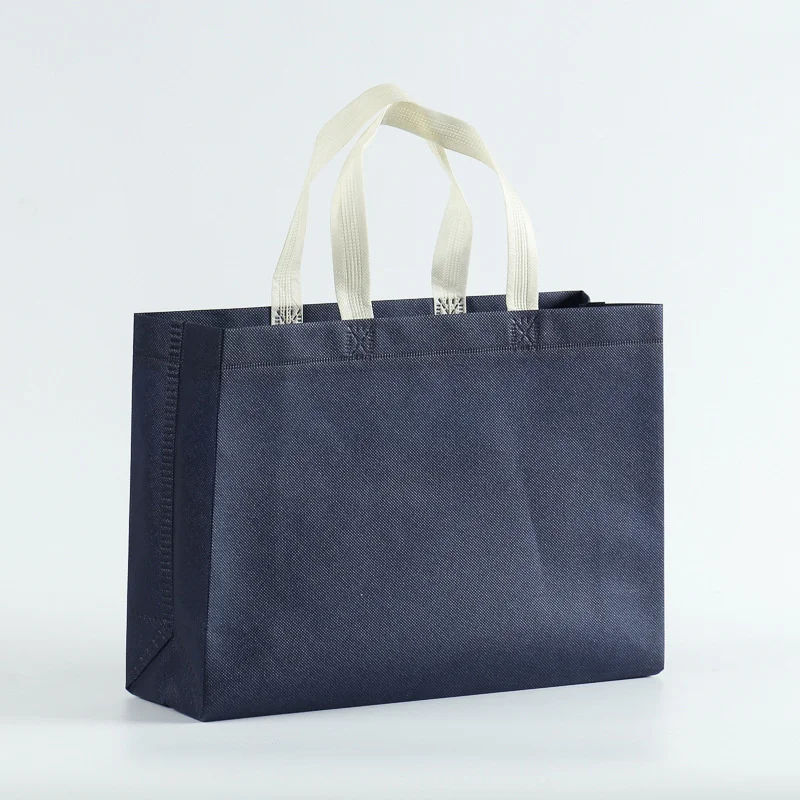
Choosing the right material for your custom shopping bag determines not only its durability but also its environmental impact, cost-effectiveness, and brand representation. With consumers increasingly conscious about sustainability and businesses seeking reliable promotional tools, understanding material properties becomes crucial for making informed decisions that align with both practical needs and corporate values.
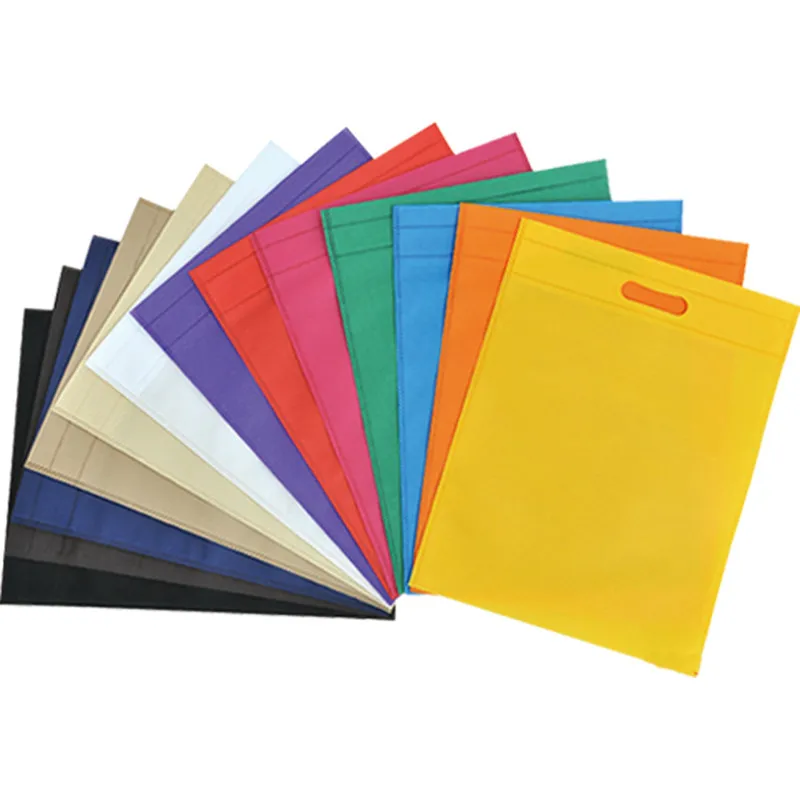
The durability of a custom shopping bag depends heavily on material composition, manufacturing techniques, and intended usage patterns. Different materials offer varying levels of tear resistance, water resistance, and longevity, making material selection a critical factor in determining overall bag performance. Understanding these material characteristics helps businesses and consumers make choices that deliver optimal value and functionality.
Non-Woven Fabric Materials for Custom Shopping Bags
Polypropylene Non-Woven Properties
Polypropylene non-woven fabric stands as one of the most popular choices for custom shopping bag production due to its exceptional balance of durability and cost-effectiveness. This synthetic material offers excellent tear resistance, making it suitable for carrying moderate to heavy loads without compromising structural integrity. The fabric's inherent water resistance provides protection against moisture, ensuring contents remain dry during unexpected weather conditions.
Manufacturing processes for polypropylene non-woven custom shopping bag options allow for precise thickness control, typically ranging from 70 to 120 GSM (grams per square meter). Higher GSM ratings directly correlate with increased durability and load-bearing capacity. The material's smooth surface accepts various printing methods exceptionally well, including screen printing, heat transfer, and digital printing, making it ideal for brand customization.
Environmental considerations for polypropylene non-woven materials include recyclability potential, though recycling infrastructure varies by region. The material's production requires less energy compared to traditional woven fabrics, contributing to a relatively smaller carbon footprint during manufacturing. However, end-of-life disposal requires proper recycling channels to maximize environmental benefits.
Polyester Non-Woven Characteristics
Polyester non-woven fabric offers enhanced durability compared to polypropylene alternatives, making it suitable for heavy-duty custom shopping bag applications. The material exhibits superior resistance to UV degradation, maintaining color integrity and structural strength even with prolonged sun exposure. This characteristic makes polyester non-woven bags particularly valuable for outdoor retail environments and extended-use scenarios.
The fiber structure of polyester non-woven materials provides enhanced puncture resistance, reducing the likelihood of tears from sharp objects or rough handling. This durability factor makes polyester-based custom shopping bag designs ideal for grocery applications, hardware stores, and other retail environments where bags encounter challenging conditions. The material's dimensional stability ensures bags maintain their shape even when fully loaded.
Color retention properties of polyester non-woven fabrics surpass many alternative materials, ensuring brand colors remain vibrant throughout the bag's lifespan. This characteristic proves particularly valuable for businesses investing in custom shopping bag designs as long-term marketing tools. The material's resistance to fading extends the effective promotional period of branded bags.
Natural Fiber Materials for Sustainable Durability
Cotton Canvas Construction
Cotton canvas represents the premium choice for durable custom shopping bag construction, offering unmatched strength and longevity. The natural fiber composition provides exceptional tear resistance through its woven structure, with individual cotton fibers interlocking to create a robust fabric matrix. Heavy-weight cotton canvas, typically ranging from 10 to 16 ounces per square yard, delivers superior load-bearing capacity suitable for heavy groceries and bulk purchases.
The biodegradable nature of cotton makes it an environmentally responsible choice for custom shopping bag production. Unlike synthetic alternatives, cotton canvas naturally decomposes at the end of its lifecycle, reducing long-term environmental impact. Additionally, cotton's renewable nature supports sustainable agricultural practices when sourced from responsible farming operations.
Customization options for cotton canvas Custom Shopping Bag designs include screen printing, embroidery, and heat transfer applications. The natural fiber surface accepts inks and dyes effectively, ensuring vibrant brand representation. Embroidered designs on cotton canvas provide particularly durable customization that withstands repeated washing and heavy use.
Jute and Hemp Alternatives
Jute fiber offers exceptional durability for custom shopping bag applications while maintaining complete biodegradability. The natural strength of jute fibers creates bags capable of supporting substantial weight loads, making them suitable for grocery shopping, farmers' markets, and retail applications. Jute's inherent antimicrobial properties provide additional hygiene benefits, particularly valuable for food-related applications.
Hemp-based materials deliver superior longevity compared to most natural fiber alternatives, with some hemp custom shopping bag designs lasting several years under regular use conditions. The fiber's natural resistance to mold, mildew, and UV degradation extends bag lifespan significantly. Hemp cultivation also requires minimal water and pesticide inputs, supporting sustainable agricultural practices.
Manufacturing techniques for jute and hemp custom shopping bag production allow for various weave patterns and densities, enabling customization of strength and appearance characteristics. Looser weaves provide enhanced breathability for produce shopping, while tighter weaves offer increased water resistance and structural integrity for general retail applications.
Synthetic High-Performance Materials
Nylon Durability Advantages
Nylon materials provide exceptional durability for custom shopping bag applications requiring maximum strength and longevity. The synthetic polymer structure delivers superior abrasion resistance, ensuring bags maintain structural integrity even under harsh usage conditions. Nylon's inherent flexibility prevents cracking and tearing that commonly affects more rigid materials under stress.
Water resistance characteristics of nylon make it ideal for custom shopping bag designs intended for all-weather use. The material's quick-drying properties prevent moisture retention that could lead to mold or mildew development. This characteristic proves particularly valuable for bags used in humid climates or marine environments where moisture exposure is frequent.
The lightweight nature of nylon enables the creation of compact, foldable custom shopping bag designs that pack efficiently for storage and transport. Despite the reduced weight, nylon maintains excellent load-bearing capacity, supporting substantial weight without structural compromise. This combination makes nylon particularly suitable for travel-oriented custom shopping bag applications.
PVC and Vinyl Options
PVC materials offer complete waterproof protection for custom shopping bag applications requiring absolute moisture resistance. The synthetic polymer creates an impermeable barrier that protects contents from rain, spills, and humid conditions. This characteristic makes PVC-based bags ideal for beach applications, boat supplies, and wet weather shopping scenarios.
Durability characteristics of PVC include excellent resistance to punctures, tears, and chemical exposure. The material maintains structural integrity when exposed to cleaning chemicals, saltwater, and other potentially damaging substances. PVC custom shopping bag designs can be easily cleaned with soap and water, maintaining hygiene standards for repeated use.
Customization options for PVC materials include heat welding, screen printing, and digital printing applications. The smooth surface of PVC accepts graphics exceptionally well, creating vibrant, durable brand representations. Heat-welded seams provide superior strength compared to sewn alternatives, eliminating potential failure points in high-stress applications.
Material Selection Factors for Optimal Performance
Load Capacity Requirements
Determining appropriate load capacity requirements guides material selection for custom shopping bag applications. Light-duty bags intended for clothing and small items typically perform well with 70-80 GSM non-woven materials, while heavy-duty grocery applications require materials rated for 15-20 pound loads. Understanding intended use patterns helps match material strength to performance expectations.
Stress distribution analysis considers handle attachment methods, seam construction, and overall bag design in relation to material capabilities. Reinforcement strategies such as doubled fabric at stress points or additional stitching can enhance the effective load capacity of lighter materials. Custom shopping bag designs must account for both instantaneous peak loads and cumulative stress from repeated use.
Testing protocols for load capacity should simulate real-world usage conditions, including dynamic loading, sharp object contact, and extended carrying periods. Materials that perform well in laboratory conditions may exhibit different characteristics under actual usage scenarios. Comprehensive testing ensures custom shopping bag materials meet practical durability requirements.
Environmental Exposure Considerations
UV resistance becomes crucial for custom shopping bag materials intended for outdoor use or extended sun exposure. Materials lacking adequate UV protection experience color fading, brittleness, and structural degradation over time. Polyester and nylon generally offer superior UV resistance compared to polypropylene and natural fiber alternatives.
Temperature variations affect material performance, with some synthetic materials becoming brittle in cold conditions and others softening excessively in heat. Custom shopping bag applications in extreme climates require materials tested across relevant temperature ranges. Natural fibers typically maintain more consistent properties across temperature variations compared to some synthetic alternatives.
Moisture exposure patterns influence material selection, with some applications requiring complete waterproof protection while others benefit from breathable materials that prevent condensation buildup. Understanding specific environmental challenges ensures custom shopping bag materials deliver optimal performance throughout their intended lifespan.
FAQ
Which material offers the longest lifespan for custom shopping bags?
Cotton canvas and nylon typically provide the longest lifespan for custom shopping bag applications, with heavy-duty cotton canvas bags lasting several years under regular use and nylon options offering exceptional durability in challenging conditions. The choice depends on specific usage requirements, with cotton excelling in general retail applications and nylon performing better in harsh environmental conditions.
Are non-woven materials suitable for heavy-duty shopping applications?
High-GSM non-woven materials, particularly 100-120 GSM polypropylene or polyester non-woven fabrics, can handle moderate to heavy-duty shopping applications effectively. While not as robust as woven cotton canvas, quality non-woven custom shopping bag designs provide excellent durability for most retail applications at a lower cost point than premium natural fiber alternatives.
How do environmental factors affect custom shopping bag material selection?
Environmental factors significantly influence material performance, with UV exposure, temperature extremes, and moisture levels all affecting durability. Outdoor applications require UV-resistant materials like polyester or treated cotton, while wet conditions favor waterproof options like PVC or coated nylon. Indoor retail use allows for a broader range of material options including standard non-woven fabrics.
What material provides the best balance of durability and sustainability?
Organic cotton canvas offers the optimal balance of durability and sustainability for most custom shopping bag applications, providing excellent longevity while maintaining complete biodegradability at end-of-life. Hemp represents another sustainable high-durability option, though availability may be more limited. For synthetic alternatives, recycled polyester non-woven materials provide good durability with improved environmental credentials compared to virgin synthetic materials.