 EN
EN


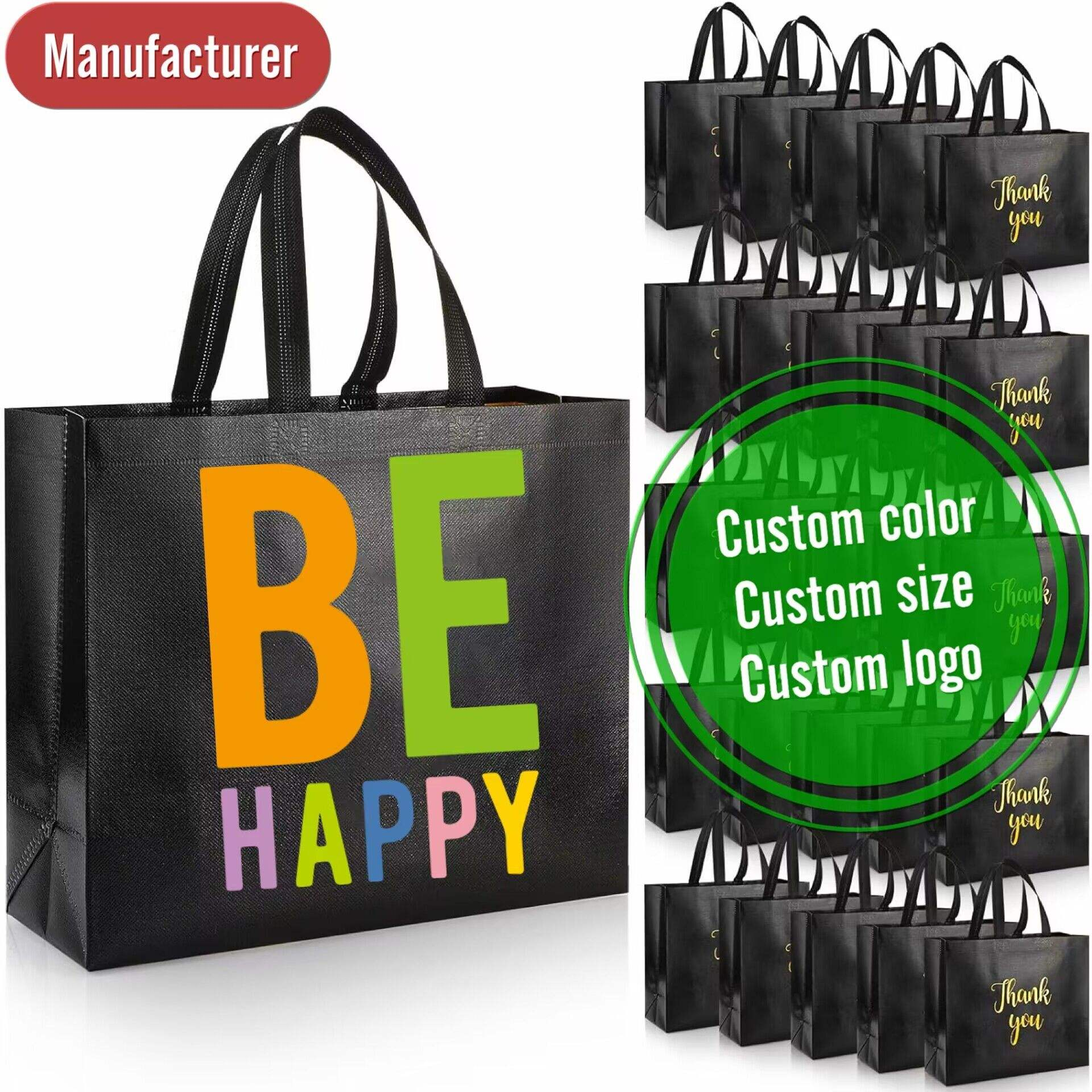
When selecting the optimal printing technique for your pp non woven bag projects, understanding the unique material properties and production requirements becomes essential for achieving professional results. The polypropylene substrate of pp non woven bags presents specific challenges and opportunities that directly influence which printing methods will deliver the best combination of quality, durability, and cost-effectiveness.
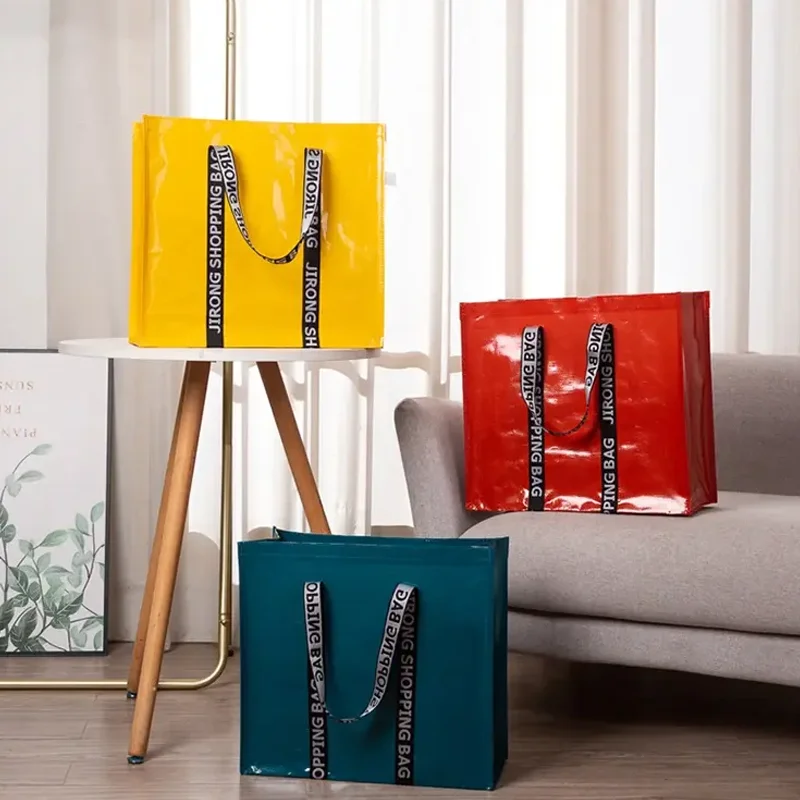
The material composition of pp non woven bags creates distinct printing considerations that differentiate them from traditional fabric or paper alternatives. The synthetic polypropylene fibers require specialized ink formulations and application techniques to ensure proper adhesion, color vibrancy, and long-term durability. Understanding these material-specific requirements enables manufacturers and converters to select printing techniques that maximize both aesthetic appeal and functional performance throughout the product lifecycle.
Screen Printing Excellence for PP Non Woven Applications
Ink Adhesion and Substrate Compatibility
Screen printing emerges as one of the most reliable techniques for pp non woven bag decoration due to its exceptional ink deposit capabilities and substrate compatibility. The porous structure of pp non woven material allows screen printing inks to penetrate slightly into the fiber matrix, creating mechanical adhesion that supplements the chemical bonding between ink and substrate. This dual adhesion mechanism ensures that printed graphics remain intact even under repeated handling, folding, and washing cycles.
The ink formulation for screen printing on pp non woven bag surfaces typically incorporates specialized resins and adhesion promoters designed specifically for polypropylene substrates. These formulations address the naturally low surface energy of polypropylene, which can challenge ink adhesion with standard printing systems. Professional screen printing operations often employ corona treatment or flame polishing techniques to increase the surface energy of the pp non woven bag material immediately before ink application.
Color opacity and coverage represent significant advantages of screen printing on pp non woven bag applications. The thick ink deposit achievable through screen printing meshes allows for excellent opacity even when printing light colors over darker substrates. This capability proves particularly valuable when producing pp non woven bag designs that require white or yellow graphics on colored backgrounds, scenarios where thinner ink deposits from other printing methods might appear translucent or washed out.
Production Efficiency and Setup Considerations
Screen printing setup for pp non woven bag production requires careful attention to registration systems and material handling. The flexible nature of pp non woven material demands specialized vacuum tables or pin registration systems to maintain dimensional stability during the printing process. Modern screen printing equipment designed for flexible substrates incorporates adjustable vacuum levels and registration pin systems that accommodate the specific thickness and flexibility characteristics of pp non woven bag materials.
The curing requirements for screen printing inks on pp non woven bag applications typically involve either air drying or low-temperature thermal curing processes. High-temperature curing must be avoided as it can cause dimensional changes or melting in the polypropylene substrate. Many manufacturers utilize infrared or warm air convection systems set to temperatures below the melting point of polypropylene to achieve proper ink curing without substrate damage.
Production throughput for screen printed pp non woven bag applications can reach impressive levels with automated equipment, though setup time for screen preparation and registration must be factored into overall efficiency calculations. The durability and consistency of screen printing make it particularly suitable for medium to large production runs where the setup investment can be amortized across significant quantities.
Flexographic Printing Advantages
High-Speed Production Capabilities
Flexographic printing offers exceptional production speed advantages for pp non woven bag manufacturing, particularly in continuous web processing applications. The rotary nature of flexographic printing plates enables seamless integration with bag forming and sealing operations, creating efficient in-line production systems that minimize handling and reduce overall manufacturing costs. This integration capability makes flexographic printing particularly attractive for large-volume pp non woven bag production where manufacturing efficiency directly impacts competitiveness.
The plate making technology for flexographic printing on pp non woven bag substrates has evolved significantly with digital plate making systems that provide excellent dot reproduction and fine detail capability. Modern photopolymer plates can reproduce screen rulings of 150 lines per inch or higher on pp non woven bag surfaces, enabling sophisticated graphic designs with smooth gradations and fine text elements that were previously challenging to achieve with flexographic processes.
Ink transfer characteristics in flexographic printing allow for excellent control over ink film thickness, which proves beneficial when printing on the textured surface of pp non woven bag materials. The ability to vary ink deposit through anilox roll selection enables printers to optimize coverage and color density while avoiding ink bleeding or excessive penetration into the substrate structure.
Substrate Handling and Registration
Web tension control represents a critical factor in flexographic printing success on pp non woven bag materials. The elastic properties of pp non woven fabric require careful tension management throughout the printing process to prevent distortion or registration problems. Modern flexographic presses incorporate sophisticated tension control systems with dancer rolls and load cells that maintain consistent web tension despite variations in material properties or environmental conditions.
Registration accuracy in flexographic printing of pp non woven bag materials benefits from advanced automatic register control systems that can compensate for material stretch and dimensional variations. These systems use scanning technology to detect registration marks and make real-time adjustments to maintain print-to-print registration within acceptable tolerances, even when processing materials with variable dimensional stability.
The drying systems employed in flexographic printing of pp non woven bag applications must balance adequate solvent evaporation with temperature limitations imposed by the polypropylene substrate. Hot air impingement systems with carefully controlled temperature profiles ensure complete ink drying while preventing heat-related substrate damage or dimensional changes that could affect downstream bag forming operations.
Digital Printing Innovation
Variable Data and Customization Capabilities
Digital printing technology has opened new possibilities for pp non woven bag customization and personalization that were economically unfeasible with traditional printing methods. The ability to print variable data, individual graphics, or small batch custom designs makes digital printing particularly attractive for promotional pp non woven bag applications where personalization adds value. Modern industrial inkjet systems can process pp non woven bag materials with resolution capabilities exceeding 600 dots per inch, producing photographic quality images and fine text reproduction.
The ink chemistry for digital printing on pp non woven bag substrates has evolved to address the specific challenges of polypropylene adhesion and durability. UV-curable and aqueous-based digital inks formulated specifically for synthetic substrates incorporate adhesion promoters and flexibility enhancers that ensure printed graphics remain intact during normal use cycles. These specialized ink formulations often include additives that improve light fastness and chemical resistance compared to standard digital printing inks.
Color management in digital printing of pp non woven bag applications requires careful profiling to account for the substrate's color characteristics and surface texture. The slightly translucent nature of many pp non woven bag materials can affect color appearance, particularly with lighter ink densities. Professional digital printing operations create custom color profiles that compensate for these substrate effects and ensure consistent color reproduction across production runs.
Production Workflow and Efficiency
The elimination of plate making and setup time in digital printing provides significant advantages for short-run pp non woven bag production and prototype development. The ability to begin production immediately after file preparation reduces lead times and enables responsive manufacturing for time-sensitive applications. This advantage proves particularly valuable in promotional pp non woven bag markets where quick turnaround times can be competitively decisive.
File preparation for digital printing on pp non woven bag materials requires attention to resolution requirements and color space management. The textured surface of pp non woven bag substrates can benefit from slightly higher resolution files to ensure fine details are properly rendered despite the substrate texture. Color management workflows must account for the limited color gamut achievable with digital inks on polypropylene substrates compared to coated paper applications.
Quality control in digital printing of pp non woven bag production relies heavily on automated inspection systems that can detect defects, color variations, or registration problems in real-time. These systems become particularly important given the higher per-unit cost of digital printing, where defective production must be minimized to maintain economic viability.
Heat Transfer and Sublimation Methods
Transfer Film Applications
Heat transfer vinyl and transfer film applications offer unique advantages for pp non woven bag decoration, particularly for applications requiring raised graphics, metallic effects, or specialty finishes. The thermal bonding process creates excellent adhesion to pp non woven bag surfaces when proper temperature and pressure parameters are maintained. The key to successful heat transfer application lies in understanding the thermal characteristics of the polypropylene substrate and selecting transfer materials specifically designed for synthetic fabric applications.
Transfer film selection for pp non woven bag applications must consider the relatively low melting point of polypropylene and the need for adhesive systems that bond effectively at temperatures below the substrate's deformation point. Modern transfer films incorporate low-temperature adhesives that activate at temperatures between 250-280°F, well below the melting point of polypropylene while still providing durable adhesion. The pressure application during heat transfer must be carefully controlled to avoid crushing or deforming the pp non woven bag structure.
Durability testing of heat transfer applications on pp non woven bag materials typically includes wash resistance, flex testing, and adhesion strength evaluation. The synthetic nature of polypropylene provides excellent compatibility with many transfer film adhesive systems, often resulting in superior durability compared to natural fiber substrates. However, the smooth surface of some pp non woven bag materials may require surface preparation or primer application to optimize transfer adhesion.
Sublimation Printing Considerations
Sublimation printing on pp non woven bag materials faces unique challenges related to the polyester content requirements for effective dye migration. Traditional pp non woven bag materials composed primarily of polypropylene do not readily accept sublimation dyes, limiting the effectiveness of standard sublimation processes. However, specially formulated pp non woven bag materials with polyester content or surface treatments can successfully accommodate sublimation printing with excellent color vibrancy and durability.
The temperature and time parameters for sublimation printing on treated pp non woven bag materials require careful optimization to achieve complete dye migration without substrate damage. The pressing time typically ranges from 45-60 seconds at temperatures between 375-400°F, though these parameters must be adjusted based on the specific pp non woven bag material composition and thickness. The synthetic nature of the substrate provides excellent dimensional stability during the sublimation process compared to natural fiber alternatives.
Color reproduction in sublimation printing on pp non woven bag applications can achieve exceptional vibrancy and detail, particularly with materials specifically engineered for dye sublimation. The permanent nature of the sublimation process, where dyes become part of the substrate structure, provides excellent wash resistance and durability for pp non woven bag applications subjected to repeated use and cleaning cycles.
FAQ
What printing technique provides the best durability on pp non woven bags?
Screen printing typically provides the best durability on pp non woven bags due to its thick ink deposit and excellent mechanical adhesion. The ink penetrates slightly into the fiber structure while chemical bonding agents ensure long-term adhesion to the polypropylene substrate. Properly cured screen printing can withstand hundreds of use cycles and multiple washing operations without significant degradation.
Can digital printing achieve high-quality results on pp non woven bag materials?
Yes, digital printing can achieve excellent results on pp non woven bags when using inks specifically formulated for polypropylene substrates. Modern industrial inkjet systems can produce resolution up to 600 DPI with good color reproduction and adequate durability for most applications. Digital printing excels for short runs, variable data printing, and applications requiring quick turnaround times without setup costs.
What temperature limitations must be considered when printing pp non woven bags?
PP non woven bag materials have a melting point around 320-340°F, requiring all printing and curing processes to remain below 300°F for safety. Heat transfer applications should not exceed 280°F, while thermal curing of inks should be limited to 250°F maximum. Exceeding these temperatures can cause substrate deformation, shrinkage, or complete melting of the polypropylene fibers.
How does the surface texture of pp non woven bags affect print quality?
The textured surface of pp non woven bags can create challenges for fine detail reproduction and solid color coverage. Screen printing handles texture well due to thick ink deposits, while digital printing may require higher resolution files and specialized halftoning to maintain detail. Flexographic printing can accommodate texture through proper anilox selection and ink film thickness optimization. Surface preparation techniques like corona treatment can improve print quality by reducing texture effects.
Table of Contents
- Screen Printing Excellence for PP Non Woven Applications
- Flexographic Printing Advantages
- Digital Printing Innovation
- Heat Transfer and Sublimation Methods
-
FAQ
- What printing technique provides the best durability on pp non woven bags?
- Can digital printing achieve high-quality results on pp non woven bag materials?
- What temperature limitations must be considered when printing pp non woven bags?
- How does the surface texture of pp non woven bags affect print quality?