 EN
EN


ব্যবহৃত উপকরণগুলি কুলার ব্যাগ নির্মাণ পদ্ধতি সরাসরি নির্ধারণ করে যে আপনার বিনিয়োগটি বছরের পর বছর ধরে ব্যবহারের জন্য টিকে থাকবে না হয় কয়েকবার ব্যবহারের পরেই ব্যর্থ হবে। একটি কুলার ব্যাগ কতটা টেকসই ও লিকপ্রুফ—এটি মূল্যায়ন করার সময়, আপনার শীতলীকরণের প্রয়োজন ও ব্যবহারের ঘনত্বের সাথে সঙ্গতিপূর্ণ তথ্যভিত্তিক ক্রয় সিদ্ধান্ত গ্রহণের জন্য নির্দিষ্ট উপাদানের বৈশিষ্ট্যগুলি বোঝা অত্যাবশ্যক।
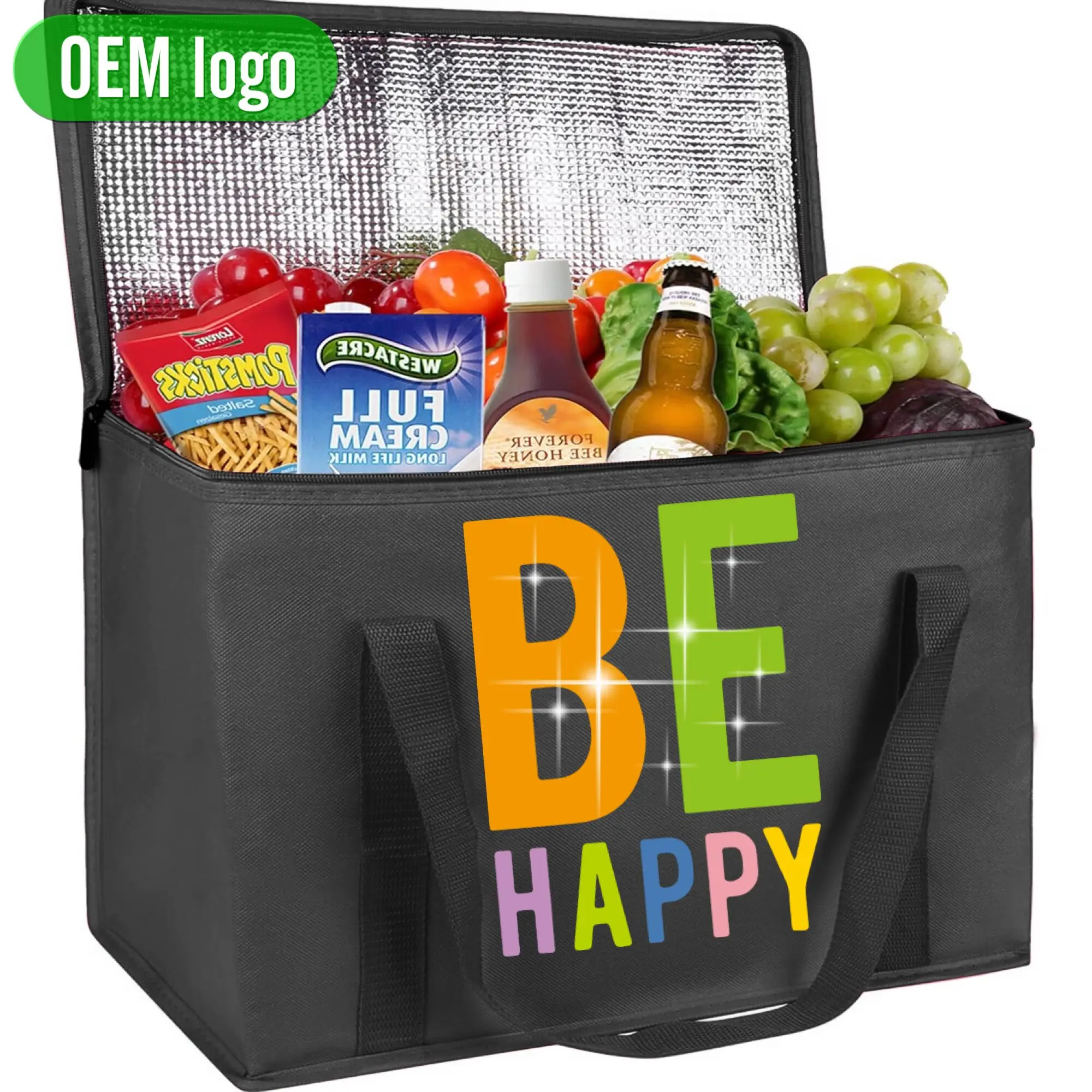
আধুনিক কুলার ব্যাগের প্রকৌশল তাপ স্থানান্তর, আর্দ্রতা প্রবেশ এবং ভৌত ক্ষয়ের বিরুদ্ধে বাধা সৃষ্টি করতে উন্নত উপাদান সমন্বয়ের উপর নির্ভর করে। সবচেয়ে কার্যকরী কুলার ব্যাগ ডিজাইনগুলি একাধিক উপাদান স্তরকে একত্রিত করে, যেখানে প্রতিটি স্তর তাপ নিয়ন্ত্রণ বজায় রাখার পাশাপাশি পুনরাবৃত্ত লোডিং, পরিবহন-সম্পর্কিত চাপ এবং পরিবেশগত প্রভাবের বিরুদ্ধে কাঠামোগত অখণ্ডতা নিশ্চিত করার জন্য নির্দিষ্ট কাজ সম্পাদন করে।
সর্বোচ্চ টেকসইতার জন্য অপরিহার্য বাইরের শেল উপাদান
ভারী দায়িত্বপূর্ণ পলিস্টার এবং নাইলন কাপড়
বাইরের শেল উপাদান নির্ধারণ করে যে আপনার কুলার ব্যাগটি দীর্ঘ সময় বাইরে ব্যবহারের সময় ঘষন, ছিদ্র এবং ইউভি ক্ষয়ের বিরুদ্ধে কতটা ভালোভাবে প্রতিরোধ করতে পারে। উচ্চ-ডেনিয়ার পলিস্টার, যা সাধারণত ৬০০D থেকে ১২০০D পর্যন্ত হয়, অসাধারণ ছিদ্র-প্রতিরোধ ক্ষমতা প্রদান করে যার সাথে সহজ হ্যান্ডলিং এবং সংরক্ষণের জন্য নমনীয়তা বজায় থাকে। এই পলিস্টার নির্মাণ একটি সুরক্ষামূলক বাধা তৈরি করে যা অভ্যন্তরীণ তাপ-অবরোধক উপাদানগুলিকে বাইরের ক্ষতি থেকে রক্ষা করে।
রিপস্টপ নাইলন স্ট্যান্ডার্ড ওভেন ফ্যাব্রিকের তুলনায় উৎকৃষ্ট ছিদ্র-প্রতিরোধী বৈশিষ্ট্য প্রদান করে, যা ধারক ব্যাগের অ্যাপ্লিকেশনের জন্য আদর্শ—বিশেষত যখন ধারালো বস্তু বা খারাপ পৃষ্ঠের সংস্পর্শে আসার ঝুঁকি থাকে। শক্তিশালীকৃত ওভেন প্যাটার্নটি ফ্যাব্রিকের পৃষ্ঠে চাপ সমানভাবে বণ্টন করে, যার ফলে ছোট ছিদ্রগুলি বড় বিফলতায় পরিণত হওয়া রোধ করা যায় এবং ধারক ব্যাগের গঠনগত অখণ্ডতা বজায় থাকে।
ব্যালিস্টিক নাইলন, যা মূলত সামরিক প্রয়োগের জন্য উন্নয়ন করা হয়েছিল, ধারক ব্যাগের বাইরের শেলের জন্য প্রিমিয়াম বিকল্প নির্দেশ করে। এই উপাদানটি চরম পরিস্থিতি সহ্য করতে পারে এবং একইসাথে এর সুরক্ষামূলক বৈশিষ্ট্য বজায় রাখে, যার ফলে আপনার ধারক ব্যাগটি চাহিদাপূর্ণ পরিবেশে নির্ভরযোগ্যভাবে কাজ করে—যেখানে স্ট্যান্ডার্ড উপাদানগুলি ব্যর্থ হতে পারে।
জলরোধী কোটিং প্রযুক্তি
উন্নত পলিউরেথেন কোটিংগুলি জলরোধী বাধা তৈরি করে যা শীতলকারী ব্যাগের গঠনের মধ্যে বাইরের আর্দ্রতা প্রবেশ করা রোধ করে। এই কোটিংগুলি কাপড়ের তন্তুগুলির সঙ্গে আণবিকভাবে আবদ্ধ হয়, যা নমনীয়তা বজায় রেখে জল প্রবেশের বিরুদ্ধে চিরায়ত সুরক্ষা প্রদান করে—যা অভ্যন্তরীণ উপাদানগুলিকে ক্ষতিগ্রস্ত করতে পারে।
থার্মোপ্লাস্টিক পলিউরেথেন কোটিংগুলি সাধারণ জলরোধী চিকিৎসার তুলনায় উন্নত টেকসইতা প্রদান করে, যা পুনরাবৃত্ত তাপমাত্রা চক্র এবং যান্ত্রিক চাপের মধ্যেও তাদের সুরক্ষামূলক বৈশিষ্ট্য বজায় রাখে। এই কোটিং প্রযুক্তি নিশ্চিত করে যে আপনার শীতলকারী ব্যাগটি চ্যালেঞ্জিং পরিস্থিতিতে দীর্ঘ সময় ব্যবহারের পরেও জলরোধী থাকবে।
ডিডব্লিউআর (DWR) চিকিৎসাগুলি অতিরিক্ত জল-বিকর্ষণ প্রদান করে, যার ফলে তরল কাপড়ের মধ্যে শোষিত না হয়ে শীতলকারী ব্যাগের পৃষ্ঠে ফোঁটা হয়ে গড়িয়ে পড়ে। এই চিকিৎসাটি অন্তর্নিহিত জলরোধী বাধার সঙ্গে সমন্বিতভাবে কাজ করে ব্যাপক আর্দ্রতা সুরক্ষা তৈরি করে।
উচ্চ-কার্যকর তাপ রোধক উপকরণ
বন্ধ-কোষ ফোম তাপ রোধক ব্যবস্থা
উচ্চ-মানের বন্ধ-কোষ ফোম তাপীয় বাধা তৈরি করে যা আপনার কুলার ব্যাগকে তাপমাত্রার পার্থক্য বজায় রাখতে কার্যকরী করে তোলে। বন্ধ-কোষ গঠন প্রতিটি কোষের ভিতরে বাতাসকে আটকে রাখে, পরিবহনের মাধ্যমে তাপীয় স্থানান্তরকে বাধা দেয় এবং লোডের অধীনে কুলার ব্যাগের আকৃতি বজায় রাখার জন্য কাঠামোগত সমর্থন প্রদান করে।
ইপিই ফোম ইনসুলেশন চমৎকার তাপীয় প্রতিরোধ এবং আর্দ্রতা প্রতিরোধের সমন্বয় প্রদান করে, যার ফলে আপনার কুলার ব্যাগ আর্দ্র পরিবেশেও তার ইনসুলেটিং বৈশিষ্ট্য বজায় রাখে। সাধারণ ব্যবহারে এই উপাদানটি কম পরিমাণে সংকুচিত হয়, যা পণ্যের সম্পূর্ণ জীবনকাল জুড়ে সুস্থির তাপীয় কার্যকারিতা বজায় রাখে।
বহু-স্তরযুক্ত ফোম সিস্টেম বিভিন্ন ঘনত্বের ফোম একত্রিত করে তাপীয় কার্যকারিতা এবং কাঠামোগত স্থায়িত্ব উভয়কেই অপ্টিমাইজ করে। বিভিন্ন ঘনত্ব ধাপে ধাপে সংকোচন বৈশিষ্ট্য তৈরি করে যা চাপ বণ্টন করে এবং বিভিন্ন তাপমাত্রা পরিসরে ইনসুলেশনের কার্যকারিতা সর্বাধিক করে।
প্রতিফলক বাধা প্রযুক্তি
অ্যালুমিনিয়াম ফয়েল লাইনারগুলি তাপীয় শক্তিকে ঠাণ্ডা ব্যাগের সামগ্রী থেকে প্রতিফলিত করে এমন বিকিরণ তাপ বাধা তৈরি করে। এই প্রতিফলন প্রযুক্তি তখনই সবচেয়ে কার্যকর হয় যখন এটি পরিবাহী তাপ স্থানান্তর প্রতিরোধ করে এমন বায়ু ফাঁকের সমন্বয়ে ব্যবহার করা হয়, যা ব্যাপক তাপীয় সুরক্ষা প্রদান করে।
ধাতব পলিএস্টার ফিল্মগুলি ঐতিহ্যবাহী অ্যালুমিনিয়াম ফয়েলের তুলনায় উন্নত দৃঢ়তা সহ অনুরূপ প্রতিফলন বৈশিষ্ট্য প্রদান করে। এই ফিল্মগুলি ছিদ্রিত হওয়ার প্রবণতা রাখে না এবং সাধারণ ফয়েল লাইনারগুলিকে ক্ষতিগ্রস্ত করতে পারে এমন পুনরাবৃত্ত ভাঁজ ও হ্যান্ডলিংয়ের মধ্য দিয়েও তাদের প্রতিফলন বৈশিষ্ট্য বজায় রাখে।
বহু-স্তরীয় প্রতিফলন ব্যবস্থাগুলি তাপীয় রক্ষার জন্য একাধিক বাধা ফিল্ম এবং তাপ-বিচ্ছেদক স্পেসারগুলিকে একত্রিত করে। এই উন্নত ব্যবস্থাগুলি সাধারণত প্রিমিয়াম কুলার ব্যাগ ডিজাইনে পাওয়া যায় যেখানে সর্বোচ্চ কার্যকারিতা অতিরিক্ত উপকরণ জটিলতাকে যথাযথ করে।
ঘাঁটি নিরোধক কার্যকারিতার জন্য গুরুত্বপূর্ণ অভ্যন্তরীণ লাইনার উপকরণ
খাদ্য-মানের ভিনাইল এবং প্লাস্টিক লাইনার
ভেতরের লাইনারের উপাদানই নির্ধারণ করে যে আপনার কুলার ব্যাগটি ইনসুলেশন উপাদানের মধ্যে আর্দ্রতা প্রবেশ করতে না দিয়েই তরল ছিটকে পড়া ও ঘনীভূত জল ধারণ করতে পারবে কি না। ফুড-গ্রেড PEVA লাইনারগুলো চমৎকার রাসায়নিক প্রতিরোধ ক্ষমতা প্রদান করে এবং একই সাথে সাধারণ কুলার ব্যাগের ক্ষেত্রে ব্যবহৃত বিভিন্ন তাপমাত্রার পরিসরেও এর নমনীয়তা বজায় রাখে।
ওয়েল্ডেড সিম নির্মাণ সিমলেস জয়েন্ট তৈরি করে যা ঐতিহ্যগত সেলাই করা সিমগুলির মতো আর্দ্রতা প্রবেশের সম্ভাব্য স্থানগুলিকে দূর করে। এই ওয়েল্ডিং প্রযুক্তি লাইনার উপাদানগুলিকে আণবিক স্তরে আবদ্ধ করে, যার ফলে জয়েন্টগুলি প্রায়শই পার্শ্ববর্তী উপাদানের চেয়ে শক্তিশালী হয়ে ওঠে।
লাইনার উপাদানে একীভূত অ্যান্টি-মাইক্রোবিয়াল চিকিৎসা ব্যাকটেরিয়ার বৃদ্ধি রোধ করে যা দীর্ঘ সময় ব্যবহারের সময় দুর্গন্ধ বা দূষণের সমস্যা সৃষ্টি করতে পারে। এই চিকিৎসাগুলি কুলার ব্যাগের সম্পূর্ণ সেবা জীবন ধরে ক্রিয়াশীল থাকে এবং জৈব উপাদানের পুনরাবৃত্ত সংস্পর্শের পরেও স্বাস্থ্যসম্মত অবস্থা বজায় রাখে।
শক্তিশালীকৃত তলদেশ নির্মাণ
ডাবল-ওয়াল তলদেশ নির্মাণ কুলার ব্যাগটি যেসব স্থানে পৃষ্ঠতলের সংস্পর্শে আসে, সেখানে সাধারণত যে ছিদ্র ও ক্ষয়ক্ষতি হয় তার বিরুদ্ধে অত্যন্ত গুরুত্বপূর্ণ সুরক্ষা প্রদান করে। এই শক্তিশালীকরণ ভার বিতরণকে বৃহত্তর এলাকাজুড়ে ছড়িয়ে দেয়, ফলে একক-স্তরযুক্ত নির্মাণকে ক্ষতিগ্রস্ত করতে পারে এমন চাপ কেন্দ্রীভবন কমিয়ে আনে।
অন্তর্নির্মিত ড্রেন ব্যবস্থাগুলি কুলার ব্যাগের প্রাথমিক লিক-প্রুফ বৈশিষ্ট্যগুলি ক্ষুণ্ণ না করেই নিয়ন্ত্রিত আর্দ্রতা অপসারণ সক্ষম করে। এই ব্যবস্থাগুলি সাধারণত চেক ভাল্ভ বা অপসারণযোগ্য প্লাগ অন্তর্ভুক্ত করে যা সাধারণ ব্যবহারের সময় জলরোধী সীল বজায় রাখে এবং প্রয়োজন হলে ড্রেনেজ সক্ষম করে।
থার্মোপ্লাস্টিক ওয়েল্ডিং লাইনার উপকরণ ও গঠনমূলক উপাদানগুলির মধ্যে স্থায়ী বন্ধন তৈরি করে, যার ফলে তাপীয় চাপ বা পুনরাবৃত্ত লোডিংয়ের অধীনে ব্যর্থ হতে পারে এমন আঠালো জয়েন্টগুলি উচ্ছেদ করা হয়। এই ওয়েল্ডিং প্রযুক্তি চাহিদাপূর্ণ অ্যাপ্লিকেশনগুলিতেও দীর্ঘমেয়াদী লিক-প্রুফ কার্যকারিতা নিশ্চিত করে।
দীর্ঘমেয়াদী বিশ্বস্ততার জন্য হার্ডওয়্যার ও ক্লোজার উপকরণ
জিপার প্রযুক্তি ও সিলিং ব্যবস্থা
ভারী ধরনের জিপারগুলি হল গুরুত্বপূর্ণ উপাদান যা হাজার হাজার বার খোলার চক্রের মধ্যেও কাঠামোগত অখণ্ডতা এবং সিলিংয়ের কার্যকারিতা বজায় রাখতে হবে। YKK এবং অনুরূপ উচ্চ-মানের জিপার নির্মাতারা তৈরি করেন পণ্য বিশেষভাবে কুলার ব্যাগ প্রয়োগের জন্য ডিজাইন করা হয়েছে, যাতে ক্ষয়রোধী উপকরণ এবং নির্ভুল উৎপাদন সহনশীলতা অন্তর্ভুক্ত করা হয়েছে।
জলরোধী জিপার নির্মাণে গ্যাস্কেট এবং সুরক্ষামূলক ফ্ল্যাপ অন্তর্ভুক্ত থাকে যা সঠিকভাবে বন্ধ করলে জলরোধী সিল তৈরি করে। এই সিস্টেমগুলি বন্ধন ব্যবস্থা দিয়ে আর্দ্রতা প্রবেশে বাধা দেয়, যদিও কুলার ব্যাগটি তাপমাত্রা পরিবর্তনের সম্মুখীন হলেও সহজ পরিচালনা বজায় রাখে।
স্ব-মেরামতকারী জিপার ডিজাইনে এমন ব্যবস্থা অন্তর্ভুক্ত থাকে যা জিপারের দাঁতগুলি স্বয়ংক্রিয়ভাবে পুনরায় সাজায় যদি তাদের পৃথকীকরণ ঘটে, যা কার্যকাল বাড়ায় এবং নির্ভরযোগ্য বন্ধন কার্যকারিতা বজায় রাখে। এই প্রযুক্তিটি কুলার ব্যাগ প্রয়োগের ক্ষেত্রে বিশেষভাবে মূল্যবান, যেখানে বন্ধন ব্যবস্থার ব্যর্থতা সম্পূর্ণ কার্যকারিতা হারানোর কারণ হতে পারে।
হ্যান্ডেল এবং স্ট্র্যাপ উপকরণ
শক্তিশালীকৃত হ্যান্ডেল নির্মাণ সাধারণত সংযোগ বিন্দুগুলোতে চাপ বণ্টনের জন্য একাধিক উপাদান স্তর অন্তর্ভুক্ত করে। নিওপ্রিন প্যাডিং আরামদায়ক গ্রিপ পৃষ্ঠ প্রদান করে এবং পুনরাবৃত্ত হাতল ব্যবহারের ফলে ঘর্ষণজনিত ক্ষয় থেকে অন্তর্নিহিত গঠনমূলক উপাদানগুলোকে রক্ষা করে।
সামঞ্জস্যযোগ্য কাঁধের স্ট্র্যাপগুলো দীর্ঘ সময় বহনের সময় শক্তি বজায় রাখার পাশাপাশি আরাম প্রদান করতে উপযুক্ত উপাদান প্রয়োজন। উচ্চ আঁশ-শক্তি সম্পন্ন ওয়েবিং উপাদানগুলো নির্ভরযোগ্য কার্যকারিতা নিশ্চিত করে, অন্যদিকে প্যাডেড অংশগুলো যোগাযোগ বিন্দুগুলোতে চাপ কমিয়ে দেয়।
হার্ডওয়্যার আটকানোর বিন্দুগুলোকে পুনরাবৃত্ত চাপ চক্রের মুখে ঢিলে হওয়া বা ব্যর্থ হওয়ার বিরুদ্ধে প্রতিরোধ করতে হবে। শক্তিশালীকৃত মাউন্টিং সিস্টেমগুলো চাপকে একক সংযোগ বিন্দুতে কেন্দ্রীভূত না করে কাপড়ের বিস্তৃত অংশে বণ্টন করে, যার ফলে কুলার ব্যাগের কার্যকারিতা ঝুঁকির মধ্যে পড়ার আগেই প্রারম্ভিক ব্যর্থতা রোধ করা যায়।
উপাদান একীকরণ এবং উৎপাদন গুণগত মান
সিম নির্মাণ এবং সংযোজন পদ্ধতি
উন্নত সিম সিলিং প্রযুক্তিগুলি এমন জয়েন্ট তৈরি করে যা পৃথক উপকরণগুলির চেয়ে বেশি শক্তিশালী এবং জলরোধী বৈশিষ্ট্য প্রদর্শন করে। তাপ সিলিং এবং অলট্রাসনিক ওয়েল্ডিং পদ্ধতি আণবিক বন্ধন তৈরি করে যা নিম্ন-মানের কুলার ব্যাগ ডিজাইনে সাধারণত দেখা যায় এমন ঐতিহ্যবাহী সেলাইযুক্ত নির্মাণ পদ্ধতির সাথে যুক্ত সম্ভাব্য লিকেজ পয়েন্টগুলিকে দূর করে।
শক্তিশালীকৃত চাপ-সংবেদনশীল বিন্দুগুলির জন্য বিশেষায়িত নির্মাণ পদ্ধতির প্রয়োজন হয় যা লোডগুলিকে একাধিক উপকরণ স্তরের মধ্যে বণ্টন করে। এই শক্তিশালীকরণগুলি হ্যান্ডেল আটকানোর বিন্দু, কোণার জয়েন্ট এবং বন্ধ করার ব্যবস্থা—এই স্থানগুলিতে ঘটে যাওয়া সাধারণত ঘটে এমন ফোকাসড ব্যর্থতা রোধ করে, যেখানে স্ট্যান্ডার্ড নির্মাণ পদ্ধতি অপর্যাপ্ত প্রমাণিত হতে পারে।
উৎপাদনের সময় মান নিয়ন্ত্রণ প্রক্রিয়াগুলি উপকরণের সামঞ্জস্যপূর্ণ কার্যকারিতা এবং সঠিক সংযোজন পদ্ধতি নিশ্চিত করে। উচ্চ-মানের কুলার ব্যাগ নির্মাতারা জলরোধী অখণ্ডতা, তাপ অবরোধ কার্যকারিতা এবং কাঠামোগত স্থায়িত্ব যাচাই করার জন্য পরীক্ষার প্রোটোকল বাস্তবায়ন করেন, যা পণ্যগুলি ভোক্তাদের কাছে পৌঁছানোর আগেই সম্পন্ন হয়।
উপকরণের সামঞ্জস্য এবং দীর্ঘস্থায়িত্ব
উপকরণ নির্বাচনের সময় রাসায়নিক পারস্পরিক ক্রিয়া বা বিভিন্ন প্রসারণ হারের কারণে ক্ষয় রোধের জন্য বিভিন্ন উপাদানের মধ্যে সামঞ্জস্যতা বিবেচনা করা আবশ্যক। সঠিকভাবে প্রকৌশলীকৃত কুলার ব্যাগের ডিজাইনগুলি এই বিষয়গুলির প্রতি মনোযোগ দেয় যাতে পণ্যটির সম্পূর্ণ সেবা জীবন ধরে সমস্ত উপাদান কার্যকরভাবে একসাথে কাজ করতে পারে।
আইউভি স্থিতিশীলকরণ চিকিৎসা দীর্ঘ সময় ধরে সূর্যের তীব্র রশ্মির প্রভাবে বাইরের উপকরণগুলির ক্ষয় রোধ করে। এই চিকিৎসাগুলি উপকরণের বৈশিষ্ট্য ও চেহারা বজায় রাখে, যদিও বহুবার বাইরে ব্যবহারের পরেও, ফলে আপনার কুলার ব্যাগটি একাধিক মৌসুম ধরে নির্ভরযোগ্যভাবে কাজ করতে থাকে।
তাপমাত্রা চক্র প্রতিরোধ ক্ষমতা নিশ্চিত করে যে উপকরণগুলি গরম ও ঠান্ডা অবস্থার পুনরাবৃত্তি প্রক্রিয়ায় তাদের বৈশিষ্ট্য বজায় রাখে। এই বৈশিষ্ট্যটি কুলার ব্যাগের ক্ষেত্রে অত্যন্ত গুরুত্বপূর্ণ, যেখানে উপকরণগুলিকে বিস্তৃত তাপমাত্রা পরিসরে কার্যকরভাবে কাজ করতে হয় এবং নমনীয়তা বা গঠনগত অখণ্ডতা হারাতে পারে না।
প্রায়শই জিজ্ঞাসিত প্রশ্নাবলী
কোন কাপড়ের উপকরণগুলি কুলার ব্যাগের জন্য সর্বোত্তম ছিদ্র প্রতিরোধ ক্ষমতা প্রদান করে?
রিপস্টপ নাইলন এবং ব্যালিস্টিক নাইলন স্ট্যান্ডার্ড পলিএস্টার ফ্যাব্রিকের তুলনায় উৎকৃষ্ট ছিদ্র-প্রতিরোধী ক্ষমতা প্রদান করে। এই উপকরণগুলিতে শক্তিশালী করা বুনন প্যাটার্ন রয়েছে যা চাপ বণ্টন করে এবং বিদীর্ণতা প্রসারিত হওয়া রোধ করে, ফলে এগুলি কঠিন আউটডোর পরিবেশে ব্যবহৃত কুলার ব্যাগের জন্য আদর্শ—যেখানে ধারালো বস্তুগুলি ঝুঁকি সৃষ্টি করে।
লিক-প্রুফ কার্যকারিতার ক্ষেত্রে ওয়েল্ডেড সিমগুলি সেওয়েন সিমগুলির তুলনায় কীভাবে কাজ করে?
ওয়েল্ডেড সিমগুলি উপকরণগুলির মধ্যে আণবিক বন্ধন তৈরি করে যা সেওয়েন নির্মাণে বিদ্যমান সূঁচের ছিদ্রগুলিকে সম্পূর্ণরূপে অপসারণ করে, ফলে লিক-প্রুফ কার্যকারিতায় উৎকৃষ্ট পারফরম্যান্স প্রদান করে। তাপ-সিল এবং অলট্রাসনিক ওয়েল্ডেড জয়েন্টগুলি প্রায়শই পার্শ্ববর্তী উপকরণগুলির চেয়ে বেশি শক্তিশালী হয় এবং সম্পূর্ণ আর্দ্রতা বাধা বজায় রাখে—যা সেওয়েন সিমগুলি অর্জন করতে পারে না।
কুলার ব্যাগে অপটিমাল থার্মাল পারফরম্যান্স প্রদানের জন্য কতটা ইনসুলেশন পুরুত্ব প্রয়োজন?
৬ মিমি থেকে ১০ মিমি পুরুত্বের ক্লোজড-সেল ফোম ইনসুলেশন অধিকাংশ কুলার ব্যাগ অ্যাপ্লিকেশনের জন্য তাপীয় কার্যকারিতা এবং ব্যবহারিক সুবিধার মধ্যে আদর্শ ভারসাম্য প্রদান করে। পুরু ইনসুলেশন তাপীয় ধরণ উন্নত করে, কিন্তু আকার ও ওজন বৃদ্ধি করে; অন্যদিকে, পাতলা উপকরণগুলি দীর্ঘ সময় ব্যবহারের সময় তাপমাত্রা বজায় রাখতে অক্ষম হতে পারে।
খাদ্য-মানের লাইনার উপকরণগুলি স্ট্যান্ডার্ড প্লাস্টিক লাইনারের তুলনায় শীতলীকরণ কার্যকারিতাকে প্রভাবিত করে?
খাদ্য-মানের PEVA এবং ভিনাইল লাইনারগুলি স্ট্যান্ডার্ড প্লাস্টিক উপকরণের সমতুল্য তাপীয় কার্যকারিতা প্রদান করে, যার সাথে সরাসরি খাদ্য যোগাযোগের অ্যাপ্লিকেশনের জন্য উন্নত নিরাপত্তা নিশ্চিত করে। এই উপকরণগুলি তাপমাত্রার বিভিন্ন পরিসরে নমনীয়তা বজায় রাখে এবং রাসায়নিক ক্ষয় প্রতিরোধ করে, যা সময়ের সাথে সাথে নিরাপত্তা এবং শীতলীকরণ কার্যকারিতা উভয়কেই ক্ষতিগ্রস্ত করতে পারে।
বিষয়সূচি
- সর্বোচ্চ টেকসইতার জন্য অপরিহার্য বাইরের শেল উপাদান
- উচ্চ-কার্যকর তাপ রোধক উপকরণ
- ঘাঁটি নিরোধক কার্যকারিতার জন্য গুরুত্বপূর্ণ অভ্যন্তরীণ লাইনার উপকরণ
- দীর্ঘমেয়াদী বিশ্বস্ততার জন্য হার্ডওয়্যার ও ক্লোজার উপকরণ
- উপাদান একীকরণ এবং উৎপাদন গুণগত মান
-
প্রায়শই জিজ্ঞাসিত প্রশ্নাবলী
- কোন কাপড়ের উপকরণগুলি কুলার ব্যাগের জন্য সর্বোত্তম ছিদ্র প্রতিরোধ ক্ষমতা প্রদান করে?
- লিক-প্রুফ কার্যকারিতার ক্ষেত্রে ওয়েল্ডেড সিমগুলি সেওয়েন সিমগুলির তুলনায় কীভাবে কাজ করে?
- কুলার ব্যাগে অপটিমাল থার্মাল পারফরম্যান্স প্রদানের জন্য কতটা ইনসুলেশন পুরুত্ব প্রয়োজন?
- খাদ্য-মানের লাইনার উপকরণগুলি স্ট্যান্ডার্ড প্লাস্টিক লাইনারের তুলনায় শীতলীকরণ কার্যকারিতাকে প্রভাবিত করে?